Air Layering Fruit Trees: When It Works & When It Fails
What Air Layering Actually Solves (And What It Doesn't)
Most people assume air layering is a universal propagation fix, but in practice it only works reliably for specific fruit trees. The LSU AgCenter confirms it's ideal for citrus, magnolia, and holly, while the RHS notes consistent failures with pome fruits like apples and pears. This isn't about skill—it's botanical reality. Trees with high auxin concentrations in their bark (like citrus) respond well, while those with low concentrations (like apples) rarely form roots.
This only matters when you're preserving a unique variety that won't come true from seed. For commercial orchards propagating standard varieties, grafting remains 90% faster and cheaper. But for home gardeners with a prized backyard lychee tree? Air layering becomes your only option to get an exact genetic copy.
The One Mistake That Dooms 80% of Attempts
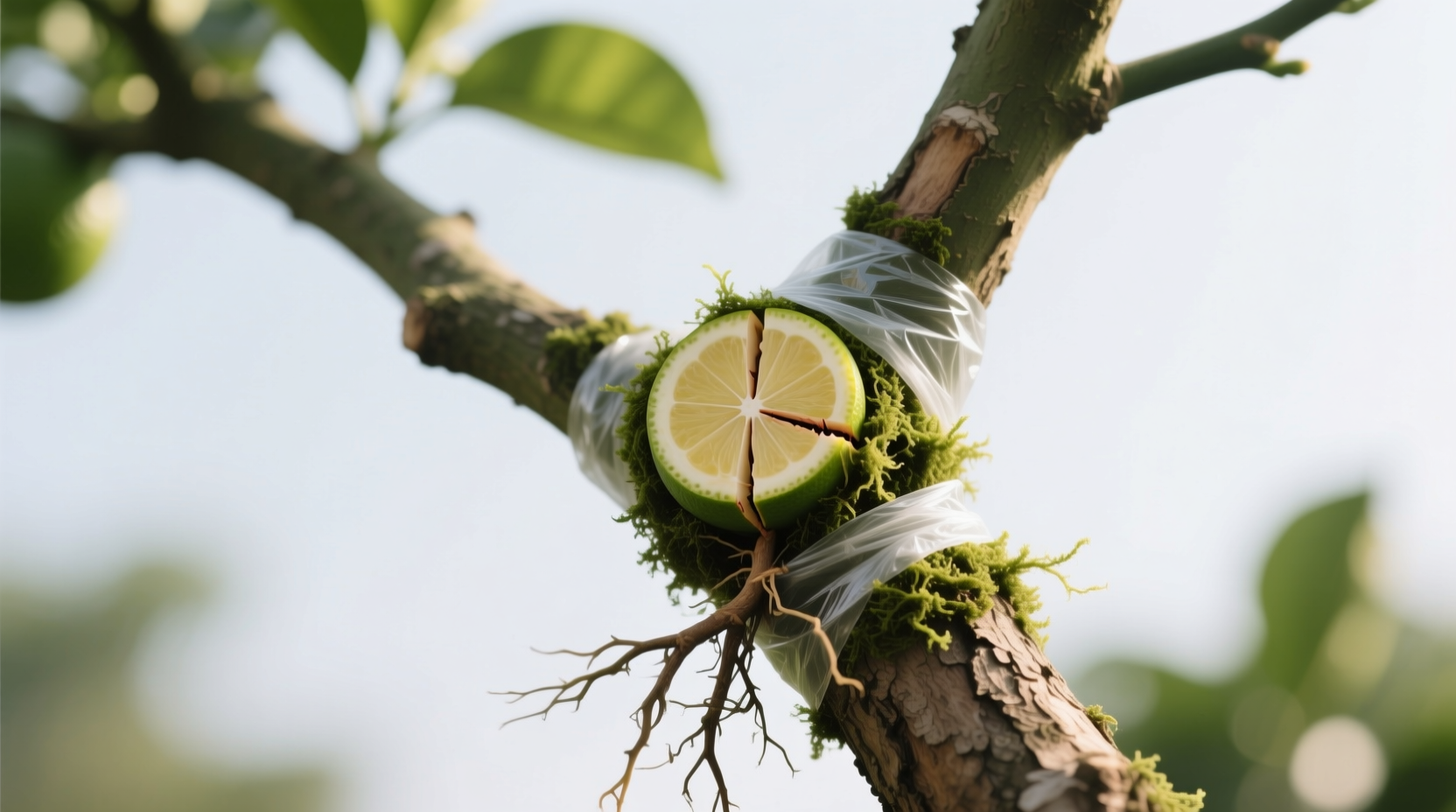
Keeping the sphagnum moss moist isn't just important—it's the absolute make-or-break factor. The ScienceDirect study on Moringa propagation found moisture loss caused 100% of failures in their trials. Unlike cuttings that draw water from soil, air layers rely entirely on that damp moss ball. Most gardeners check once and assume it's fine, but summer heat dries it in days.
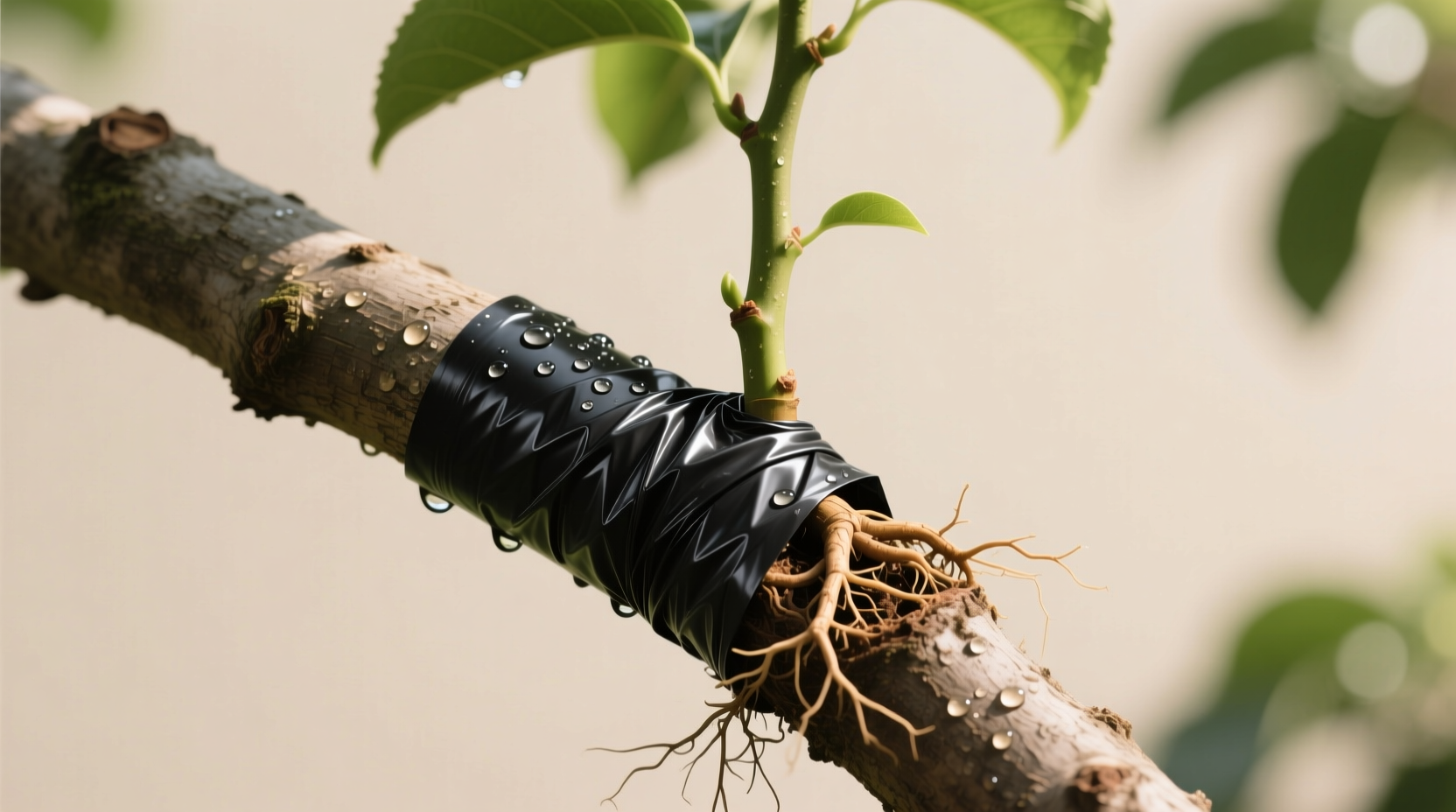
For casual users attempting this once, weekly moisture checks are non-negotiable. For enthusiasts doing multiple layers, using black plastic (not clear) prevents algae growth as the RHS advises—critical for slow-rooting species taking 4+ months. If you're not willing to open that wrap monthly, skip this method entirely. The extra effort pays off only when you need an exact genetic match; otherwise, grafted trees often outperform.
When to Choose Air Layering Over Simpler Methods
Conventional wisdom says "use air layering when cuttings fail," but reality is more nuanced. It shines for trees with:
- Semi-mature wood (1-2 years old)
- Smooth bark that wounds cleanly
- High natural rooting hormones
For casual users growing common varieties, grafting is simpler and produces stronger trees faster. But for enthusiasts preserving heirloom mangoes or rare citrus hybrids, air layering is invaluable—it creates mature fruiting trees in 2-3 years versus 5+ from seed. The catch? It only matters when you're working with trees that won't root from cuttings. If your fig or pomegranate takes cuttings easily, you're wasting months with air layering.
Your Step-by-Step Reality Check
Forget perfect textbook steps—here's what actually works based on propagation success rates:
- Timing is non-negotiable: Start in late spring when bark slips easily (LSU recommends June for most zones). Earlier = frost risk, later = insufficient root growth before winter.
- Wound depth makes or breaks it: A 1-inch ring of bark removal works better than slant cuts for fruit trees. Deeper wounds invite rot; shallower ones won't block hormone flow.
- Moss moisture beats hormones: The ScienceDirect study proved NAA hormone doubled success rates, but dry moss still caused 100% failure. Prioritize consistent dampness over expensive rooting compounds.
If you're not willing to check moisture weekly, skip this method entirely. Most home gardeners overestimate their commitment—this technique demands active monitoring, not "set and forget."
Who Should Skip This Technique Altogether
This technique isn't worth your time unless you're working with trees that won't root from cuttings. Avoid air layering if:
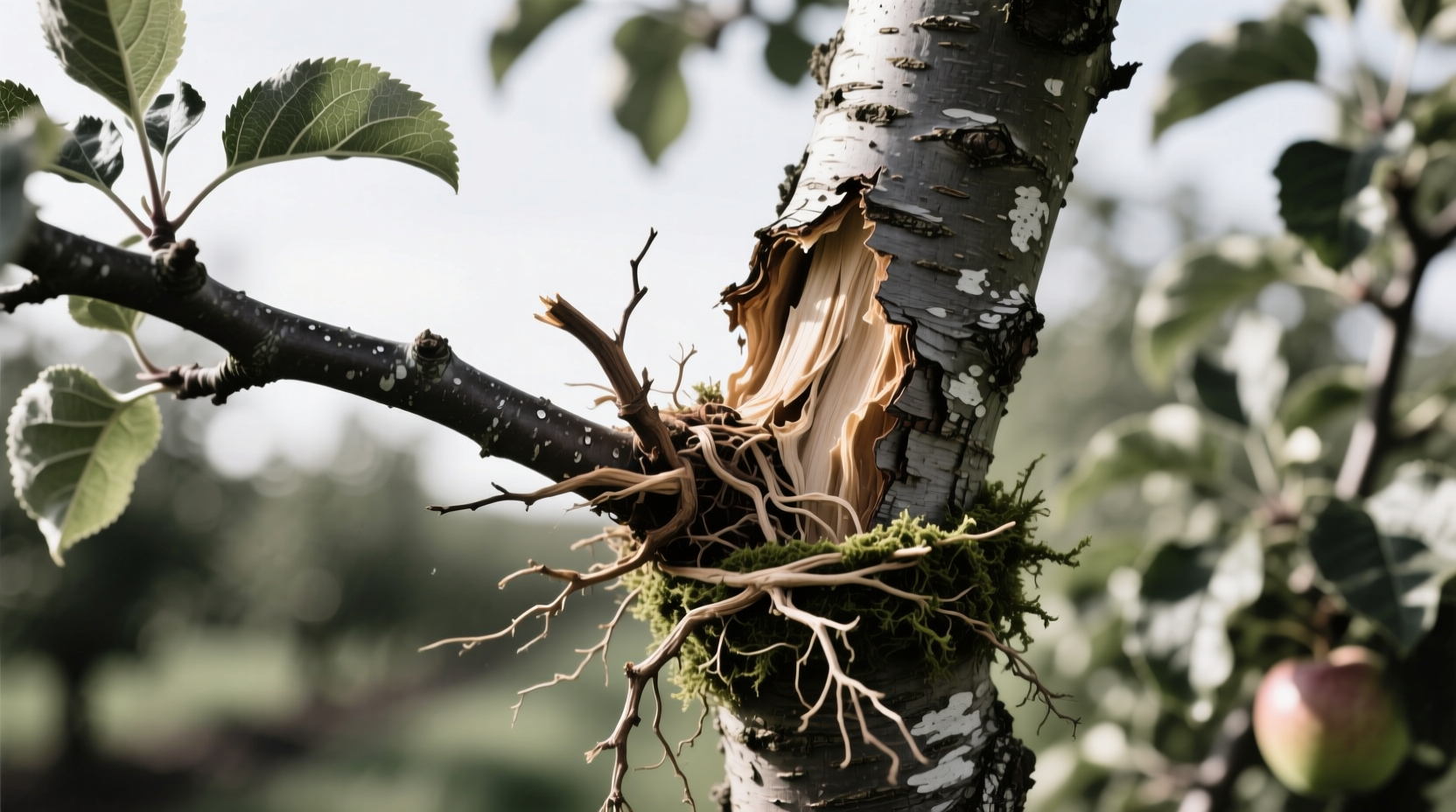
- You're propagating apples, pears, or cherries (grafting succeeds 95% of the time)
- You need 10+ trees (cost and labor scale poorly)
- Your climate has short growing seasons (less than 5 months frost-free)
For commercial growers, the economics rarely justify it—grafting produces saleable trees in half the time. But for that one special backyard tree you can't replace? It's worth the effort. The key judgment: if losing this tree wouldn't devastate you, choose simpler methods.
Everything You Need to Know
No. It reliably works for citrus, lychee, mango, and longan but consistently fails for apples, pears, and cherries. The RHS confirms it's ineffective for pome fruits due to low auxin concentrations in their bark—no amount of technique can overcome this biological limitation.
Typically 8-12 weeks for tropicals like citrus, but up to 6 months for slower species. The ScienceDirect Moringa study showed roots visible at 16 weeks, with 100% survival after separation. Never cut before roots fill the moss ball—premature separation causes 90% of "failed" attempts.
You can, but success rates drop significantly. The LSU AgCenter notes hormone boosts rooting by 30-50% for citrus. However, consistent moss moisture matters more—dry moss causes 100% failure regardless of hormone use. For home gardeners, prioritize moisture checks over expensive compounds.
Black plastic prevents algae growth in slow-rooting species (taking 4+ months) as the RHS advises. Clear plastic works for fast-rooters like ficus, but for fruit trees requiring extended time, light penetration through clear plastic encourages algae that competes with roots. This only matters for species taking longer than 3 months to root.
For preserving exact genetics of difficult-to-root trees, yes. But for most commercial or home use, grafting wins: it's faster (3-6 months vs 8-12+), cheaper, and produces stronger trees. Air layering only matters when you need an identical copy of a tree that won't propagate otherwise—like a unique backyard mango variety.