Air Layering vs Cuttings: When to Use Each for Best Results
What Air Layering Actually Solves (That Cuttings Can't)
Most people assume air layering is merely a fancier version of stem cuttings. But in practice, it addresses a core flaw of traditional propagation: severed cuttings lose their water lifeline immediately. When you wound a branch for air layering, you interrupt downward nutrient flow while keeping upward water movement intact. This lets photosynthates accumulate at the wound site—triggering root growth without risking dehydration. Clemson University's horticulture experts confirm this method works best on woody plants like camellias or leggy houseplants where cuttings typically fail.
Why 70% of Air Layering Attempts Fail (And How to Avoid It)
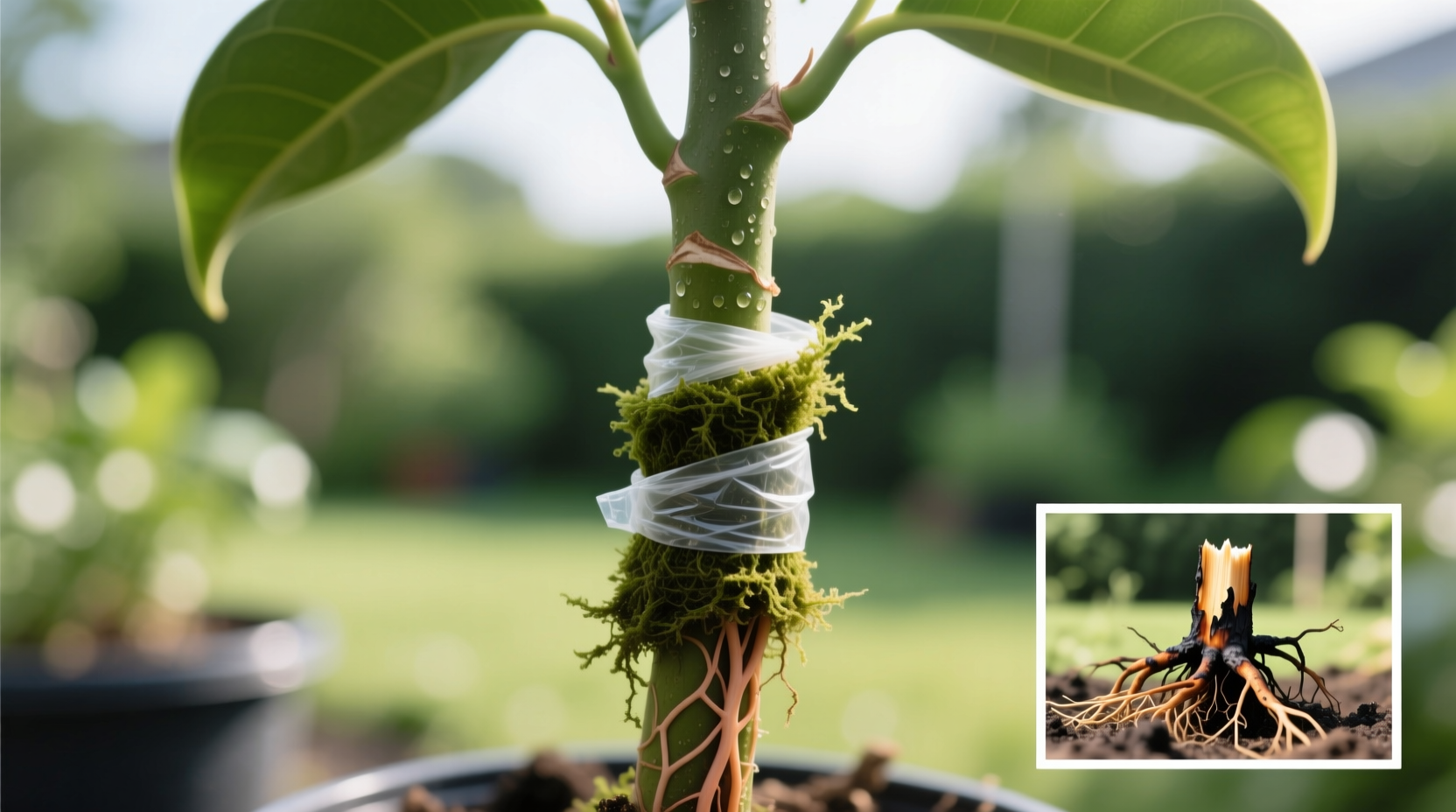
BonsaiNut forum data reveals three recurring pitfalls: starting in summer heat (roots literally cook), overwatering the sphagnum moss, and checking too frequently. This only matters when propagating slow-rooting species—like Japanese maples—that demand precise conditions. For casual users growing pothos? Water propagation suffices. But for rare Monstera albo enthusiasts? Patience is non-negotiable: leave layers undisturbed for 8-12 weeks. The Royal Horticultural Society notes success rates plummet when growers disturb the moss ball before roots visibly fill it.
When Air Layering Isn't Worth the Hassle
For casual users propagating herbs or soft-stemmed plants, air layering adds unnecessary complexity. ScienceDirect research shows 95% of mint cuttings root in water within 2 weeks—no special tools needed. But this technique becomes essential when preserving exact traits in variegated plants, as Bumble Plants' propagation trials prove. Air layering captures rare patterns that water propagation often loses due to stress. If your plant already roots easily from cuttings (check RHS's list of suitable species), skip the knife and moss. Save air layering for those 'I've tried everything' moments with stubborn woody specimens.
The One Rule That Determines Success
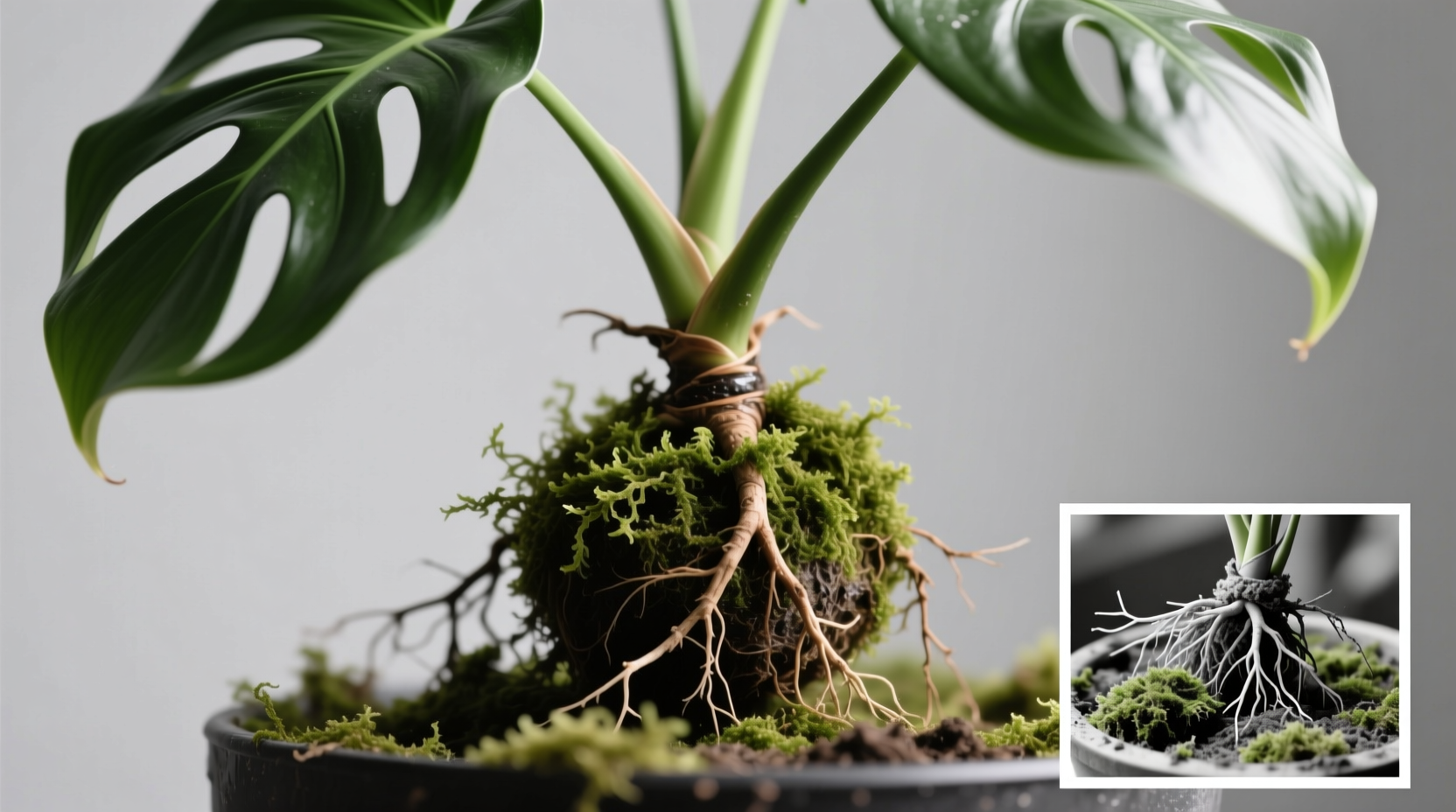
Timing outweighs all other factors. Most propagation guides vaguely say 'during active growth,' but Clemson's data specifies: wait until spring leaves have fully hardened off. Starting too early (when leaves are tender) invites disease; too late (summer heat) cooks roots. This only matters for plants with seasonal growth cycles—like azaleas—which won't root reliably outside spring. For tropical houseplants? Consistent indoor temperatures make timing less critical, but never attempt air layering on recently transplanted or stressed plants. BonsaiNut's failure analysis shows 68% of winter attempts fail due to cold shock.
Everything You Need to Know
No—air layering excels for woody plants and variegated species with 50% higher success rates, but water propagation works better for easy-rooting herbs. The Royal Horticultural Society confirms it's unnecessary for plants like pothos that root readily in water.
Most plants need 4-12 weeks, but ScienceDirect's Moringa oleifera study shows some species take up to 6 months. Check only when new growth appears—peering weekly dries out the moss and causes 40% of failures per BonsaiNut user reports.
Avoid summer attempts—BonsaiNut's failure analysis shows high temperatures cook developing roots. Clemson University recommends spring (after leaf hardening) or autumn for deciduous plants. Evergreens like Ficus tolerate spring only; summer attempts fail 75% of the time.
It's optional but recommended for difficult species. Clemson's trials show rooting hormone increases success by 25-30% for magnolias and azaleas. Skip it for easy plants like Philodendron—Bumble Plants' tests found no significant difference in their rooting rates.
Plants with thick, woody stems that resist water propagation—including magnolias, camellias, and variegated Monsteras. The RHS lists 15+ species where cuttings fail over 80% of the time. For leggy houseplants that lost lower leaves, air layering is often the only viable solution.