
Aloe Vera Temperature Limits: USDA Zones 9–11 Survival Guide
Why Everyone Gets Temperature Tolerance Wrong
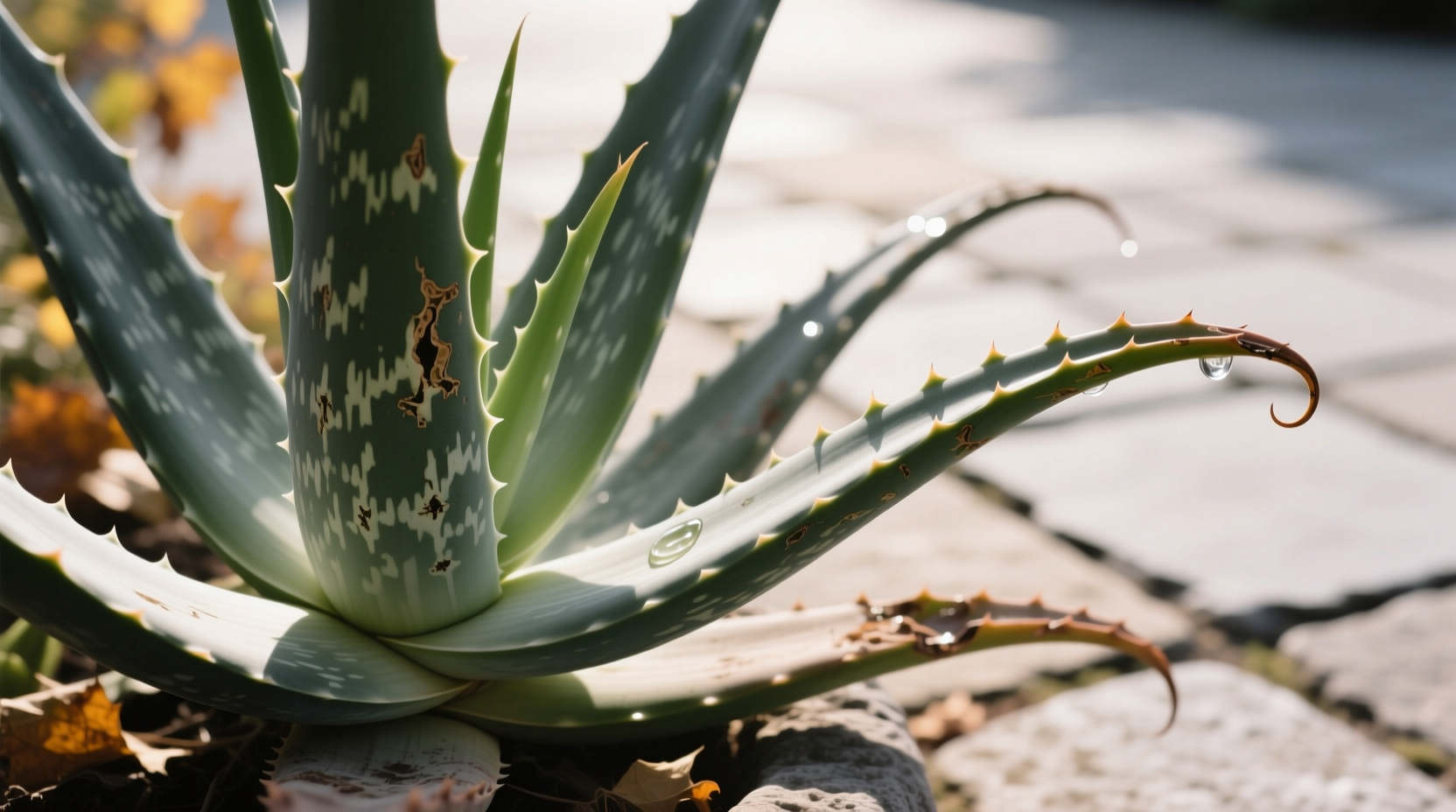
Aloe vera’s drought resistance creates dangerous confusion. Because it thrives in arid heat, many assume it handles cold like cacti. But Greg.app’s plant database confirms it’s strictly tropical—evolved for consistent warmth, not temperature swings. Most people assume X, but in practice Y: You’ll see healthy aloe surviving 40°F nights, then sudden collapse after a damp 45°F evening. The difference? Humidity amplifies cold stress by slowing leaf drying, causing cellular ice damage even above freezing.
The Only Thresholds That Matter
Forget vague "cold-tolerant" labels. Real-world data splits tolerance into three clear zones:
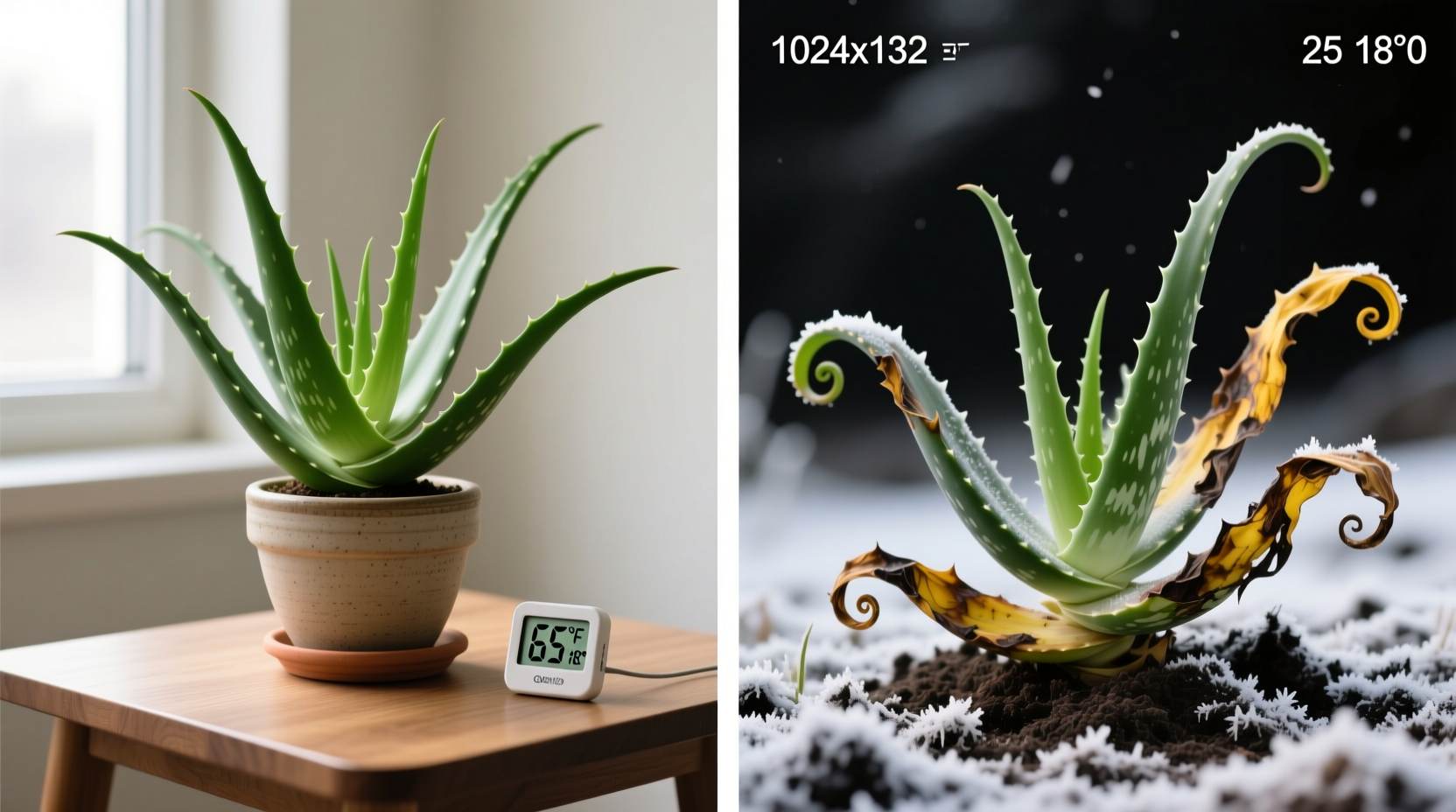
- 50°F+ (10°C+): Safe for indefinite outdoor growth. No action needed.
- 40-49°F (4-9°C): Temporary tolerance ONLY if dry and brief (under 24 hours). Move plants indoors if rain or humidity exceeds 60%.
- Below 40°F (4°C): Guaranteed damage. Leaves turn translucent, then blacken.
This only matters when you’re growing outdoors in transitional seasons. Indoor growers in temperature-controlled homes won’t face these thresholds. The critical nuance? Short-term 40°F exposure won’t kill established plants—but repeated cycles below 50°F with moisture will. For casual users, checking nightly forecasts is sufficient; for enthusiasts in marginal zones (like coastal California), microclimate adjustments (e.g., south-facing walls) buy crucial extra degrees.
When to Ignore the Hype (and When to Act)
Plant forums overflow with claims of aloe surviving 32°F. These are almost always:
- Short-term exposures during dry cold snaps
- Misidentified Aloe arborescens (a hardier species)
- Indoor plants briefly placed outside
Most people assume X, but in practice Y: A "frost-tolerant" aloe you see online likely endured one dry 35°F night—not sustained winter conditions. If your plant shows tip damage after a 48°F night, humidity was the silent culprit. For casual growers, focus solely on the 50°F rule. Commercial growers must track humidity-adjusted "feels like" temps—where 45°F at 80% humidity equals 38°F stress.
Your No-Stress Action Plan
If you remember one thing: Move plants indoors when forecasts show three consecutive nights below 50°F. Skip the thermometer drama—use these practical rules:
- Outdoor growers: Treat first fall frost warning as your cue. Don’t wait for damage.
- Indoor growers: Only monitor if near drafty windows (temps can dip 10°F below room temp).
- Ignore claims about "acclimating" aloe to cold—it lacks biological mechanisms for true hardening.
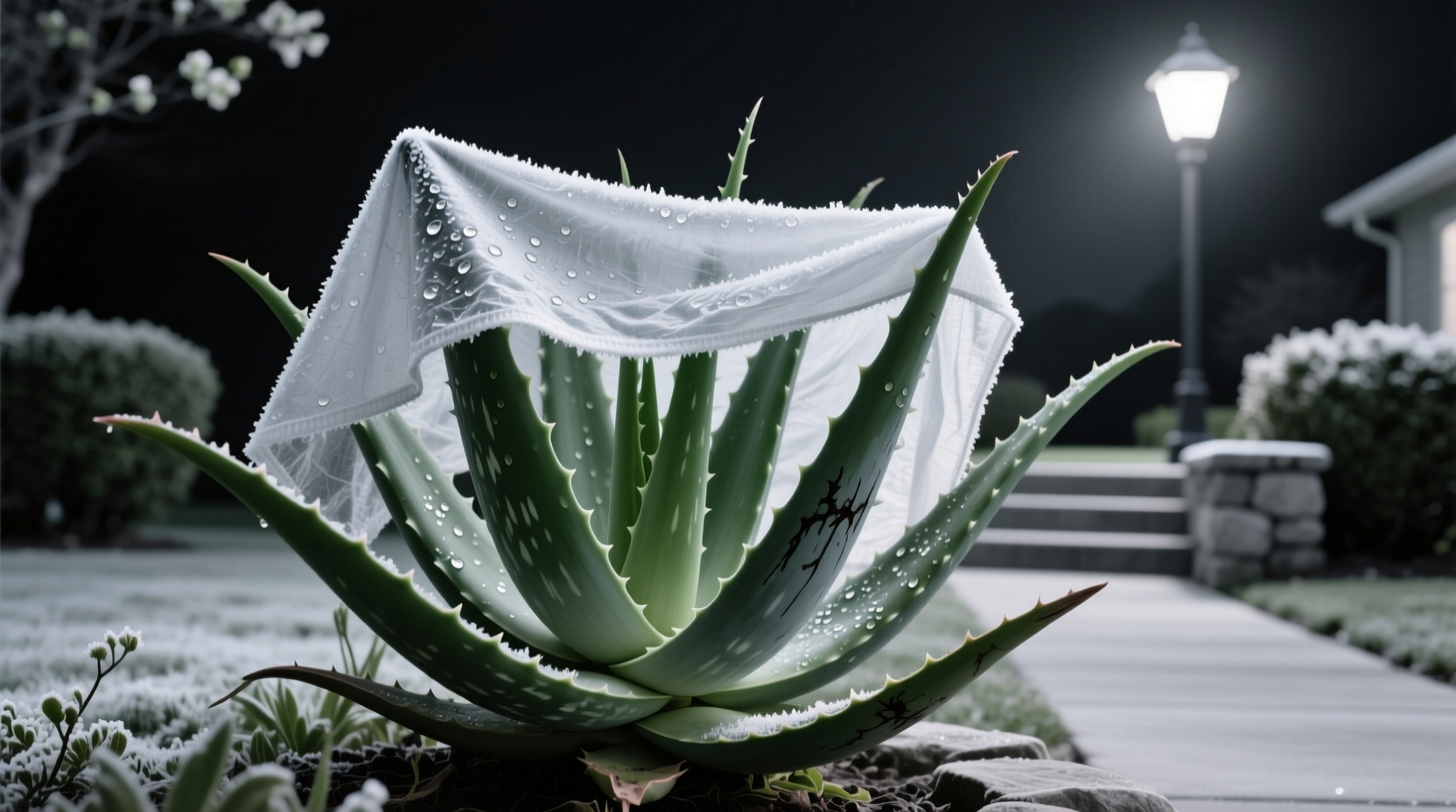
For enthusiasts in zone 9, covering plants with frost cloth adds 2-3°F protection during rare cold snaps. But this only matters when temperatures hover right at the threshold (45-49°F). Below 40°F, no covering saves unprotected plants. The biggest waste of effort? Insulating pots for winter—roots suffer more from wet soil than cold air.
Everything You Need to Know
No. Temperatures at or below 32°F (0°C) cause immediate cellular damage. Even brief exposure turns leaves translucent and mushy. Greg.app data confirms irreversible damage occurs below 40°F with moisture present.
Yes—critically. At 45-50°F, high humidity makes temperatures "feel" 5-7°F colder to the plant. Wet leaves freeze faster, causing damage at temps where dry plants survive. This is why coastal gardeners see damage at higher temps than desert growers.
Only if temps drop below 50°F for three+ nights. Single cold nights above 40°F won’t harm established plants if dry. But don’t wait for visible damage—move plants proactively when forecasts show sustained sub-50°F conditions.
Risky. Zone 9 averages include nights below 50°F for 30-60 days yearly. While brief 40°F exposure may be survivable, humidity during winter rains often pushes effective temps below damage thresholds. Most zone 9 growers lose plants after 2-3 cold winters without protection.
Minimally. Terra cotta pots cool faster than plastic but add negligible protection below 40°F. The real issue is soil moisture—wet soil in any pot conducts cold to roots. Focus on drainage and indoor relocation, not pot swaps.