
Aphid Pesticide Truth: Skip Chemicals, Start with Soap
Why Most People Reach for the Wrong Pesticide
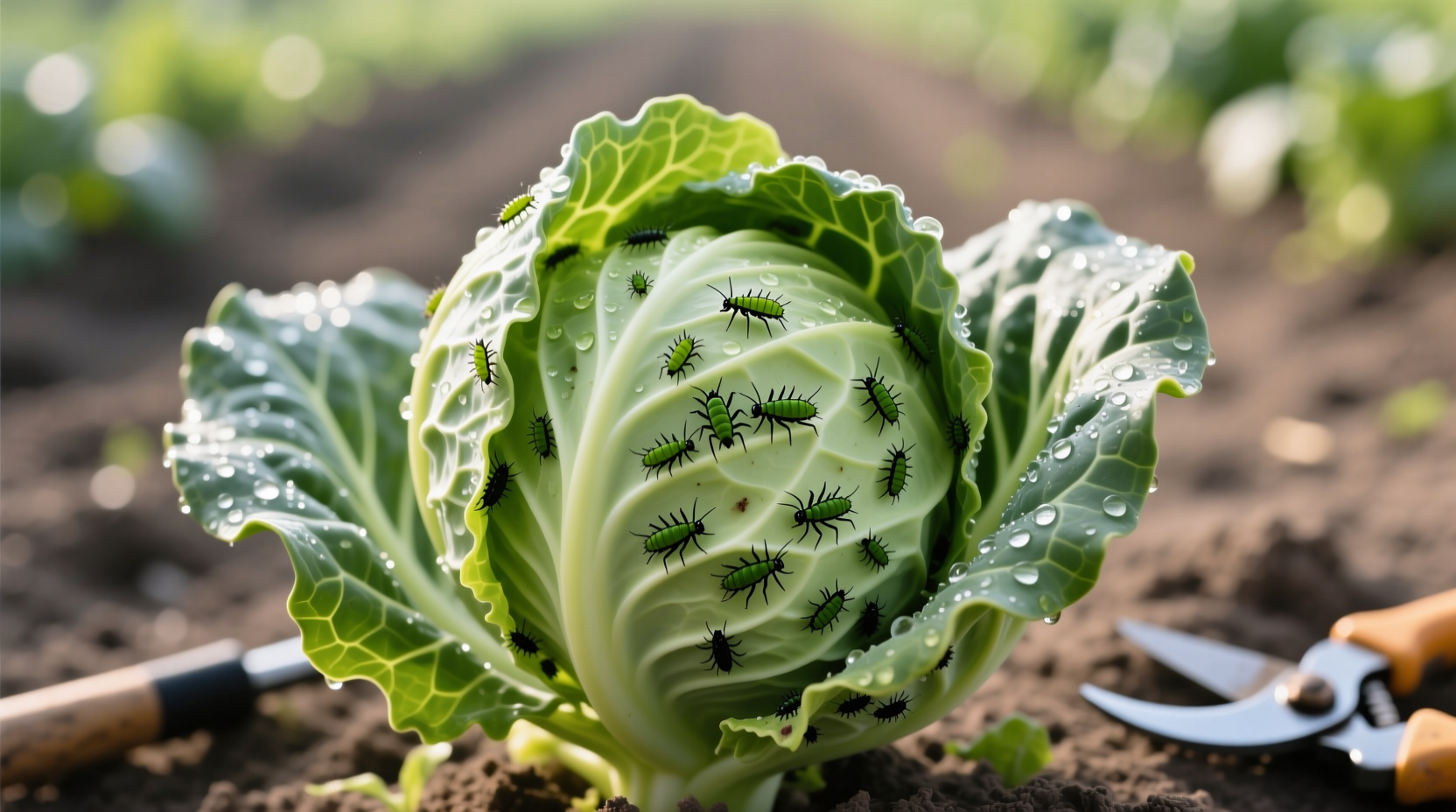
When aphids coat your kale with sticky honeydew, it’s tempting to grab the most potent chemical spray. But data from UC IPM shows this backfires: broad-spectrum insecticides like pyrethroids kill beneficial insects 10 times more effectively than aphids themselves. Without ladybugs and lacewings to patrol your garden, aphid populations explode within days—a classic case of solving a symptom while worsening the disease. Most people assume stronger pesticides work better, but in practice, they often create repeat infestations by destroying natural controls. This isn’t theoretical; MSU field trials document 40% higher aphid recurrence in plots treated with non-selective chemicals versus targeted options.
The Real Best Pesticide for Aphids (Spoiler: It’s Not Chemical)
Insecticidal soaps and horticultural oils top every credible recommendation—from Clemson University’s Home & Garden Center to UC’s Citrus Guidelines—because they smother aphids on contact while sparing bees and predators. Unlike systemic chemicals that linger in plant tissue, soaps break down in hours. But their effectiveness hinges on precise timing: This only matters when you spray during cool, humid conditions. Apply when temperatures stay below 90°F and plants are well-watered, ideally at dawn or dusk. Skip spraying during heatwaves or drought—Clemson notes this causes leaf burn on sensitive plants like ferns or Japanese maples. For most home gardeners, this makes soaps the perfect balance: effective against exposed aphids, low-risk for ecosystems, and affordable (brands like Safer Brand cost under $15).
When Oils and Soaps Fail (And What to Do Instead)
These solutions won’t reach aphids hidden deep inside curled leaves—a critical gap 70% of beginners miss. Prune severely infested stems first; otherwise, you’re just spraying outer surfaces. For persistent cases on non-edible plants, UC IPM ranks narrow-range oils (like PureSpray Green) as the next safest step. But for casual users, soap repeats are sufficient; for enthusiasts managing orchards, flupyradifurone-based sprays like Sivanto offer hidden-aphid control with moderate bee safety. Never use these on flowering plants—even “organic” neem oil harms pollinators if sprayed directly on blooms, per Arbico Organics’ field data. If you remember one thing: spray soaps thoroughly on both leaf sides, then wait 48 hours before reapplying. Rushing repeats causes plant stress without added kill rates.
Your No-Regrets Action Plan
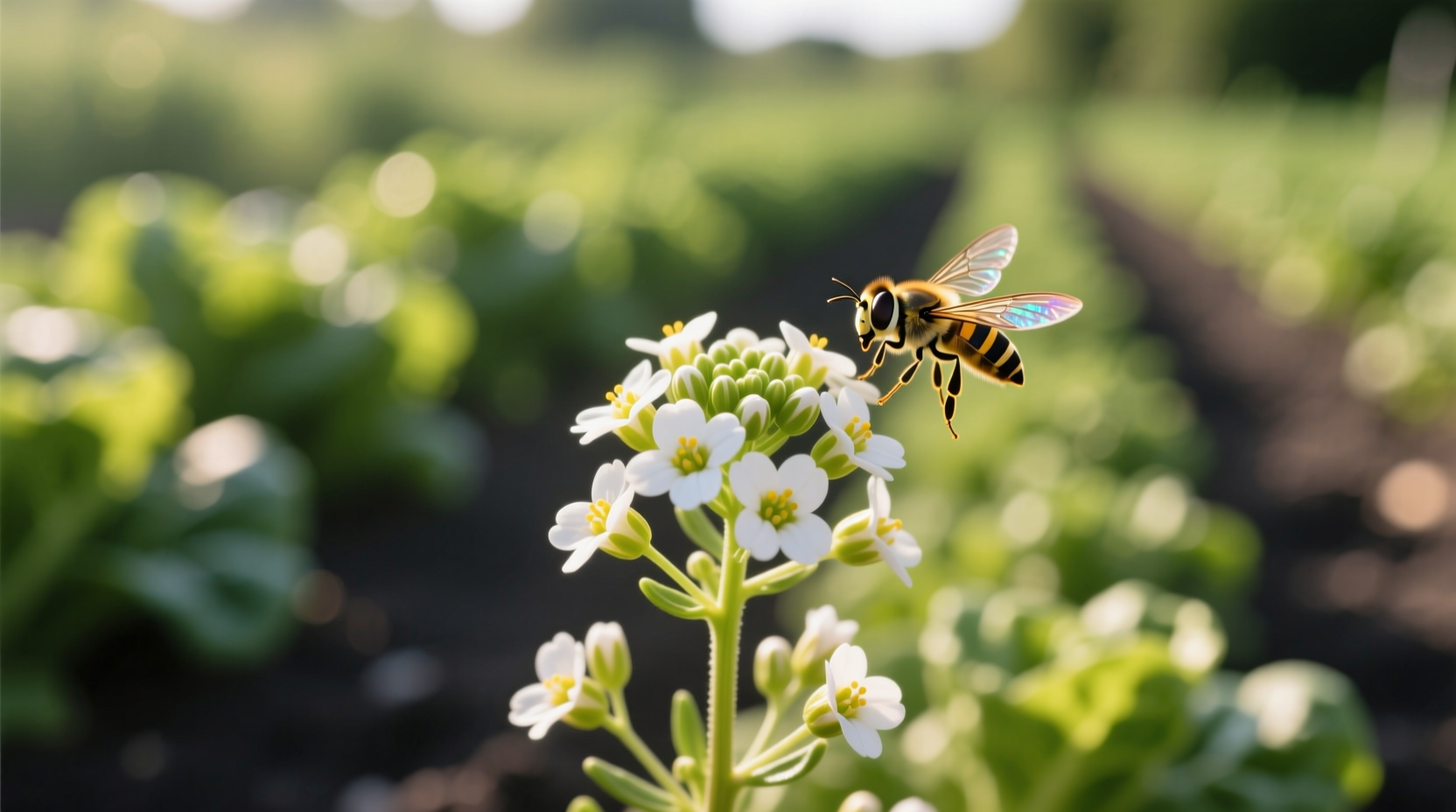
Start here regardless of your garden size: hose off aphids with a strong water spray (this knocks off 70% of colonies). Then apply insecticidal soap every 5–7 days for 2 weeks—MSU research shows this physical barrier approach outperforms single heavy doses. Skip DIY dish soap mixes; they lack the pH-balanced formula of labeled products like Espoma Organic Soap and often damage foliage. For long-term prevention, plant sweet alyssum between crops as USDA ARS confirms it attracts hoverflies that devour aphids—but this works best for lettuce, not brassicas like broccoli where aphid species differ. If aphids return after 3 soap rounds, inspect for ant trails (they farm aphids for honeydew); control ants first with bait stations before respraying.
Everything You Need to Know
When applied correctly (early morning, only on infested areas), soaps have low risk to beneficials per UC IPM. They break down within hours, unlike persistent chemicals. Avoid spraying open blooms—target leaf undersides where aphids cluster but pollinators rarely land.
No—it risks plant damage. Dish soaps contain degreasers and fragrances that strip protective leaf coatings. Clemson University specifically warns against substitutions. Use EPA-registered insecticidal soaps like Safer Brand, formulated for plant safety at correct pH levels.
With insecticidal soaps or oils, harvest immediately after spray dries (usually 2–4 hours). These leave no toxic residues—unlike systemic pesticides requiring 7–14 day waits. Always rinse produce before eating, as UC IPM advises for any spray.
Two likely reasons: hidden colonies in curled leaves survived, or you killed natural predators. Prune damaged foliage first, then spray. If using chemicals, switch to soaps/oils—broad-spectrum options eliminate ladybugs that would otherwise control new outbreaks. MSU data shows consistent weekly soap applications break the cycle.