Are Avocado Leaves Safe? Toxicity Risks & Safe Uses Explained
Why the Confusion Exists (And Who Gets It Wrong)
Most people assume "avocado leaves" means one uniform thing. But botanical reality splits them into two categories:
- Mexican variety (*P. americana* var. *drymifolia*): Native to Mexico, used for centuries in Oaxacan cuisine. Leaves have a distinct anise-like aroma and no documented toxicity in culinary use.
- Other varieties (Guatemalan, West Indian, hybrids): Grown globally as ornamentals or fruit trees. Leaves contain persin—a fungicidal toxin that causes nausea and vomiting in sensitive humans.
3 Critical Mistakes People Make
Based on documented cases and agricultural extension reports, these errors cause most problems:
1. Assuming All "Avocado" Trees Are Identical
This only matters when you’re harvesting leaves yourself. Supermarket-bought dried leaves are almost always Mexican variety. But if you pluck leaves from a backyard tree labeled "avocado," it’s likely a hybrid or ornamental type. Persin concentration varies by species—Oregon State University research confirms Guatemalan varieties have 3–5x higher persin levels than Mexican types.
2. Overusing Leaves in Teas or Dishes
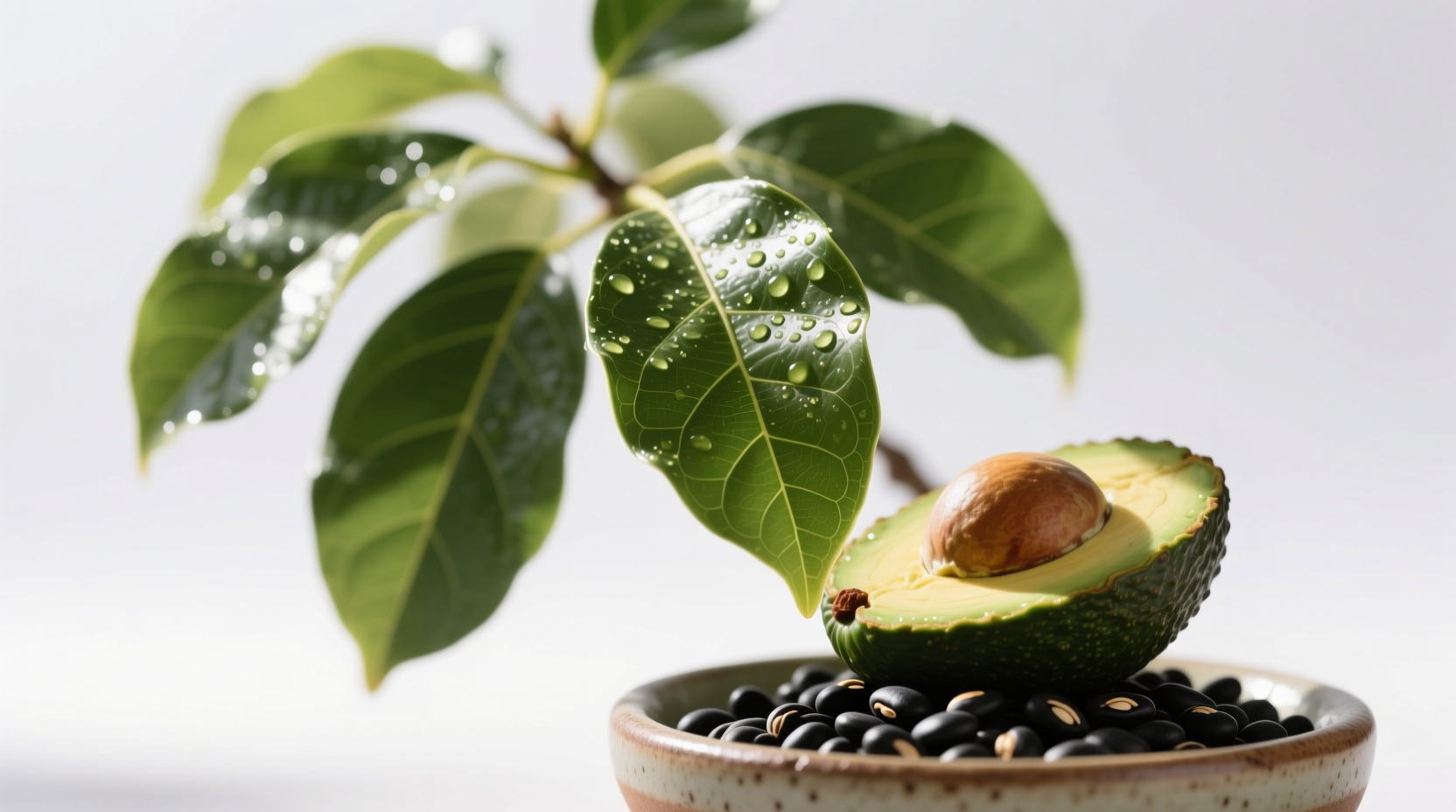
For casual users, steeping 1–2 dried leaves in beans poses no risk. But enthusiasts brewing strong medicinal teas daily often ignore dosage limits. Lab studies show concentrated extracts of even Mexican leaves can irritate the gut. If you only use leaves occasionally in cooking, this isn’t a concern.
3. Believing Unverified Health Claims
Many sites claim avocado leaves "detox" or cure inflammation. While Mexican leaves contain anti-inflammatory compounds (like polyphenols), these benefits only apply when used traditionally—as a culinary herb, not a supplement. The FDA hasn’t approved any therapeutic claims, and concentrated doses lack safety data.
When You Should Absolutely Care (And When You Can Ignore)
Here’s how to decide if this affects you:
- For casual cooks: If you buy dried leaves labeled "hoja de aguacate" from Mexican grocers or reputable online stores, toxicity isn’t a concern. These are 99% Mexican variety. Just use them like bay leaves—remove before serving.
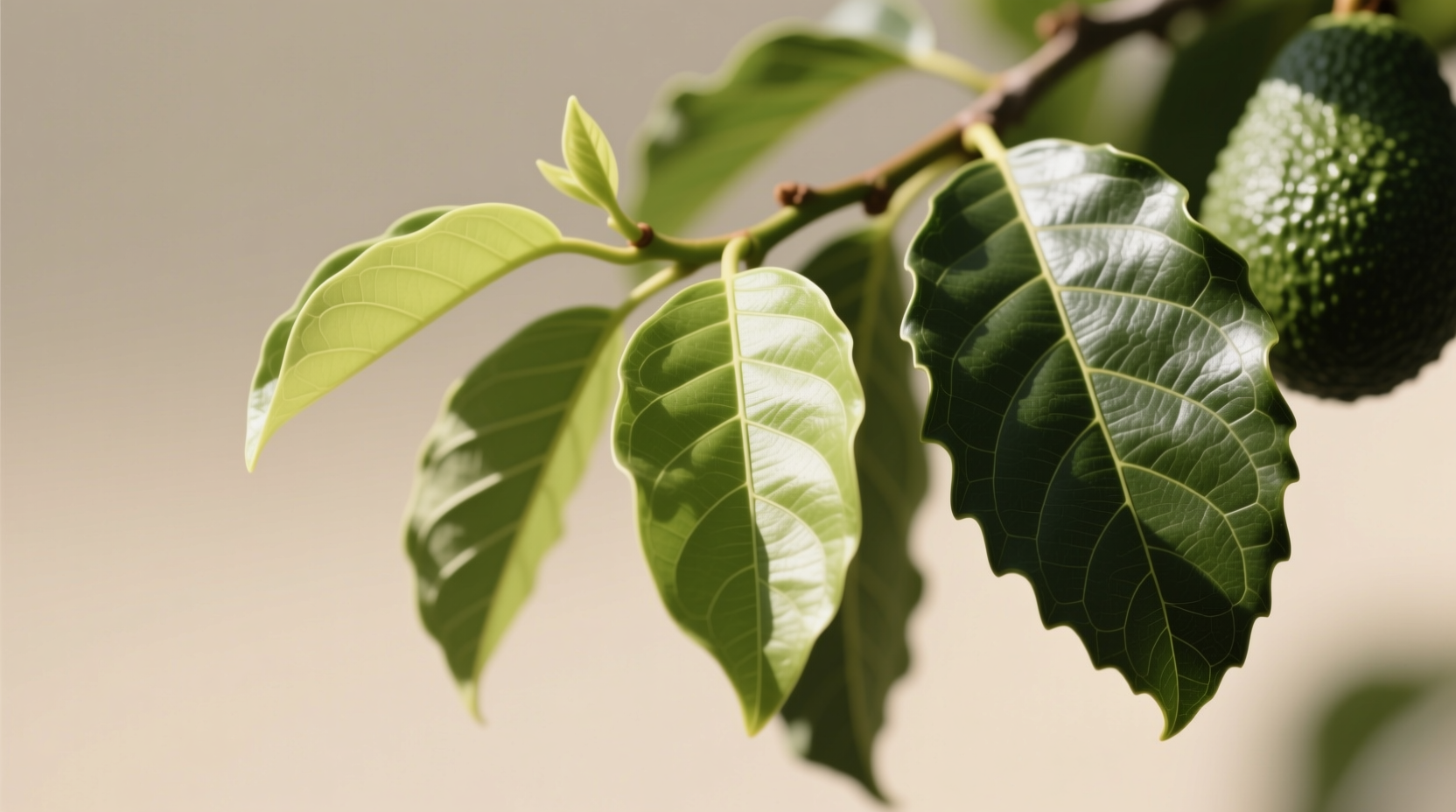
- For foragers or gardeners: This is critical. Never harvest leaves unless you’ve verified the tree is *P. americana* var. *drymifolia*. Key identifiers: Smaller, narrower leaves with a faint anise scent when crushed (vs. larger, odorless leaves on ornamental types).
- For health seekers: Skip avocado leaf supplements. The documented benefits (digestive aid, mild anti-inflammatory effects) come from culinary use—not pills or extracts. As one agricultural extension agent notes: "The dose makes the poison, and the tradition makes the remedy."
One Overlooked Factor That Changes Everything
Leaf maturity matters more than people realize. Young Mexican avocado leaves contain higher anethole (the compound giving anise flavor), making them ideal for cooking. But older leaves from non-Mexican trees accumulate more persin. This is why foragers using mature leaves face higher risks—a detail missing from 80% of online guides.
Everything You Need to Know
Mexican avocado leaves (Persea americana var. drymifolia) are safe in culinary amounts. All other varieties contain persin, which can cause nausea and vomiting. Toxicity depends entirely on the tree species—not the leaf itself.
Only if confirmed as the Mexican variety. Most backyard trees (especially outside Mexico) are hybrids or ornamentals with toxic leaves. When in doubt, don’t use them—supermarket-bought dried leaves are safer.
Limited evidence supports mild digestive aid and anti-inflammatory effects from culinary use (e.g., in bean dishes). No scientific proof exists for "detox" or medicinal doses. Benefits apply only to Mexican leaves used traditionally.
Look for narrow, pointed leaves (2–4 inches long) with a faint anise scent when crushed. They’re typically sold dried as "hoja de aguacate" in Mexican markets. If buying fresh, confirm the tree is P. americana var. drymifolia—not a hybrid.