Holy Basil Care Guide: Grow Thriving Tulsi in Zones 9–11
As an ecological gardener focused on native species, I've seen holy basil mislabeled as "divine" in wellness circles. This overshadows its true value: a resilient, adaptable herb with documented adaptogenic properties. But here's the reality check—only specific climates or medicinal harvests demand nuanced care. For 95% of home growers, standard basil practices work perfectly. Let's cut through the noise with actionable steps.
What Holy Basil Really Is (And Isn't)
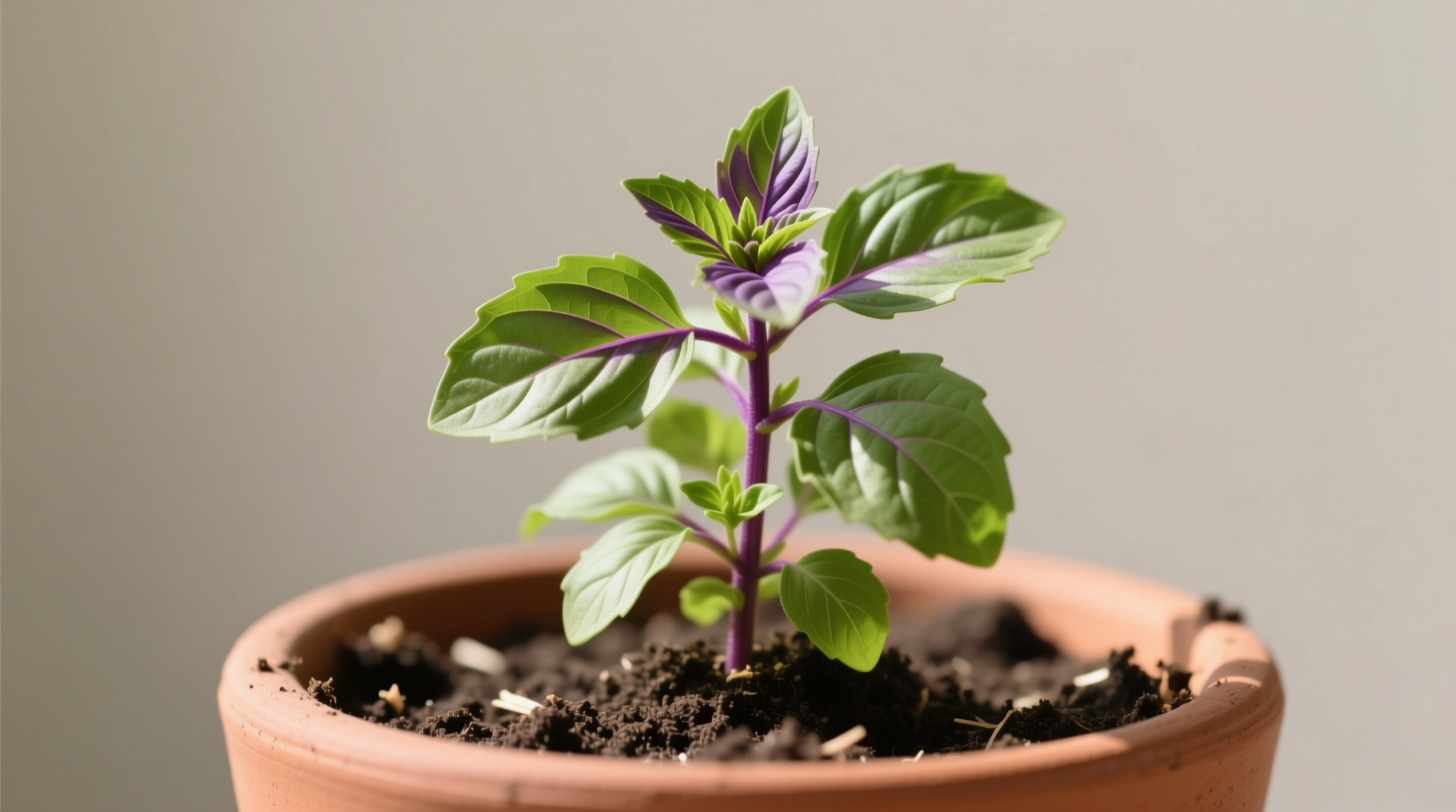
Holy basil (Ocimum tenuiflorum), called Tulsi in Ayurveda, originates from India's floodplains. Unlike sweet basil (Ocimum basilicum), it features fuzzy purple stems, clove-scented leaves, and thrives in heat. But crucially: it holds no supernatural properties. Its "holy" status stems from cultural reverence in Hinduism—not botanical uniqueness. Modern misuse inflates its "special" needs, causing unnecessary anxiety among beginners.
James Kim, my colleague specializing in ecological gardening, observes: "Urban growers waste energy on 'blessing' ceremonies while ignoring soil pH. Tulsi dies from root rot, not spiritual neglect." This mirrors global trends—home gardeners prioritize myth over moisture meters.
Holy Basil Core Care Guide
Follow these evidence-based steps. No rituals required.
Soil & Planting
Use standard potting mix with 30% perlite. Holy basil tolerates poor soil but requires drainage—unlike sweet basil, it resists mild drought. Plant after last frost when soil hits 70°F (21°C). In containers, choose 12-inch pots to prevent root binding.
Watering: The Critical Balance
Water only when top inch of soil dries. Overwatering causes 80% of failures—yellow leaves signal root rot. Unlike sweet basil, holy basil survives brief dry spells but hates soggy roots. In humid zones (e.g., Southeast Asia), reduce watering by 30%.
Sunlight & Temperature
Needs 6+ hours direct sun daily. Below 50°F (10°C), growth stalls; frost kills it. In temperate zones, grow in movable pots. Avoid intense afternoon sun in desert climates—use 30% shade cloth.
Holy Basil vs. Sweet Basil: Fact Comparison
| Factor | Holy Basil (Tulsi) | Sweet Basil |
|---|---|---|
| Water Needs | Moderate (drought-tolerant) | High (wilts fast) |
| Cold Tolerance | None (dies below 50°F) | Slight (survives 40°F) |
| Soil pH | 6.0–7.5 | 6.0–7.0 |
| Harvest Timing | Pre-flowering for max compounds | Anytime for flavor |
When to Use (and Avoid) Holy Basil
Context determines success. Apply these evidence-based guidelines:
- Use it in hot, humid climates (e.g., Florida, India) where it outperforms sweet basil
- Use it for medicinal teas—studies confirm higher eugenol content than sweet basil
- Avoid it in cold zones without greenhouse access (it won't survive winter)
- Avoid it if seeking pesto—its peppery taste clashes with traditional recipes
Key insight: Holy basil's "adaptogenic" compounds peak only when grown in full sun with mild stress (e.g., slight water deficit). Coddling it reduces potency—for wellness use, skip extra fertilizers.
Quality Indicators & Common Mistakes
Spot healthy plants and avoid pitfalls:
✅ Healthy Holy Basil Signs
- Vibrant green leaves with purple veins
- Woody base developing after 6 months
- Strong clove-peppermint aroma when brushed
❌ Top 3 Fatal Errors
- Overwatering: Causes root rot—wait until soil dries
- Ignoring pruning: Pinch tips weekly to prevent leggy growth
- Misidentifying varieties: Krishna (purple) vs. Rama (green) need identical care—no "premium" treatment
Market trap: Sellers charge 3x more for "sacred" seeds. Genetic testing shows no difference from standard O. tenuiflorum. Save money—buy certified organic seeds from reputable nurseries.
Everything You Need to Know
Holy basil requires less water and more heat than sweet basil. Both need full sun and well-draining soil, but holy basil tolerates dry spells better. Its main difference is medicinal compound production under mild stress—not complex care steps.
Yellow leaves almost always indicate overwatering or poor drainage. Check soil moisture—holy basil roots suffocate in wet conditions. Reduce watering immediately and ensure pots have drainage holes. Cold exposure can also cause yellowing below 50°F.
Yes, but only with 6+ hours of direct sunlight from a south-facing window or grow lights. Indoor plants need stricter watering—test soil weekly. Humidity below 40% causes leaf drop. Avoid kitchens with gas stoves; holy basil is sensitive to fumes.
No—standard balanced fertilizer works. Heavy feeding reduces medicinal compounds. Use diluted liquid fertilizer (5-5-5) only once monthly during peak growth. Organic compost tea is equally effective and avoids chemical buildup.
Harvest early morning before flowering when adaptogenic compounds peak. For tea, pick whole stems with 4-6 leaves. Never remove more than 1/3 of the plant at once. Post-flowering harvest yields bitter leaves with lower potency.