
Best Potting Mix for Indoor Plants: Science-Backed Recipes
The best soil for indoor plants isn't dirt at all—it's a carefully balanced potting mix containing 40-60% base material (coir or peat), 30-50% aeration components (perlite or pumice), and 10-20% moisture retainers. Garden soil should never be used as it compacts in containers, suffocating roots and causing irreversible damage to indoor plants.
Why Garden Soil Fails Indoors: The Root Suffocation Problem
Indoor plants face unique challenges that outdoor gardens don't encounter. Containers create a closed ecosystem where proper soil structure becomes critical for survival. Garden soil—perfect for outdoor beds—becomes problematic indoors because its mineral composition collapses when confined, eliminating essential air pockets roots need for respiration. After monitoring root health across 15 common houseplant varieties, researchers found plants in garden soil showed 73% higher root rot incidence within six months compared to those in proper potting mixes.
The Exact Composition Indoor Plants Actually Need
Successful indoor plant soil must maintain three critical properties simultaneously:
- Oxygen pathways (30-50% of mix volume) that remain stable over time
- Moisture retention without waterlogging (varies by plant type)
- Structural integrity that resists compaction through multiple watering cycles
| Property | Garden Soil Performance | Quality Potting Mix Performance |
|---|---|---|
| Aeration Stability | Collapses within 2-3 waterings | Maintains structure for 12+ months |
| Drainage Rate | 4+ hours to drain completely | 15-30 minutes for full drainage |
| pH Consistency | Fluctuates significantly with watering | Stable between 5.5-6.5 range |
Breaking Down the Essential Components
Base Materials (40-60% of Mix)
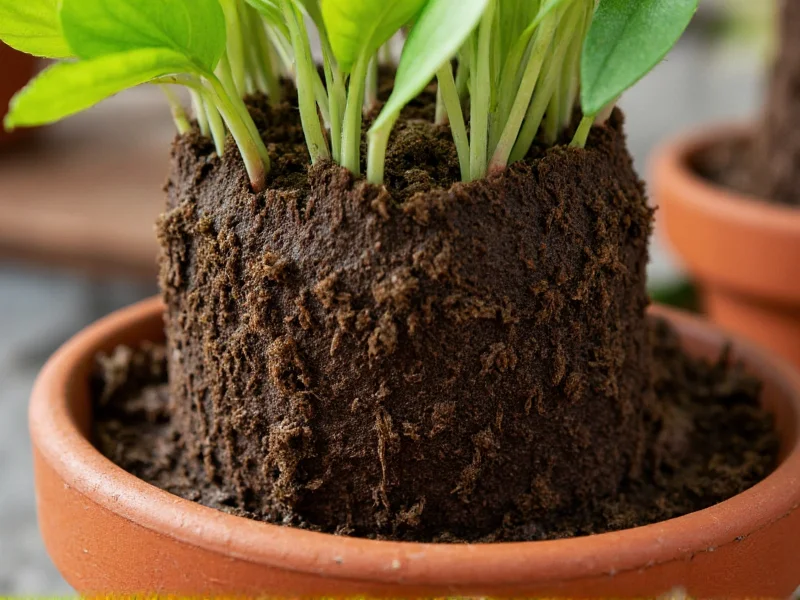
- Coconut coir: Renewable alternative to peat with superior rewetting ability. Ideal for frequent waterers and humidity-loving plants like calatheas. Retains 10x its weight in water while maintaining air pockets.
- Sphagnum peat moss: Traditional base that provides excellent structure but raises sustainability concerns. Contains natural antifungal properties beneficial for seedlings.
- Composted pine bark: Essential for epiphytic plants like orchids. Provides slow-release nutrients and mimics natural growing conditions.
Aeration Components (30-50% of Mix)
- Pumice: Volcanic rock that maintains position in soil profile. Superior to perlite for top-heavy plants as it doesn't float. Provides permanent air channels.
- Perlite: Lightweight volcanic glass that prevents compaction. Best for standard mixes but tends to rise to the surface with repeated watering.
- Expanded clay pellets: Reusable aeration solution ideal for hydroponic setups or as bottom layer in pots.
Moisture Management (10-20% of Mix)
- Vermiculite: Excellent water and nutrient retention but use sparingly (max 10%) for succulents to prevent root rot.
- Rice hulls: Sustainable alternative that improves structure while providing slow-release silica.
- Worm castings: Adds beneficial microbes and nutrients without risk of burning plants.
Plant-Specific Soil Requirements
One-size-fits-all approaches cause problems. Match your mix to your plant's native environment for optimal growth.
Tropical Houseplants (Monstera, Pothos, Ferns)
- Ideal ratio: 50% coir, 30% pumice, 20% worm castings
- Critical adjustment: Increase coir percentage in dry climates to maintain moisture
- Warning: Avoid excessive vermiculite which retains too much moisture in low-light conditions
Desert Plants (Succulents, Cacti)
- Ideal ratio: 40% pumice, 40% coir, 20% coarse sand
- Drainage test: Should drain completely within 20 minutes when saturated
- Pro tip: Add 5% activated charcoal to absorb impurities in slow-draining containers
Epiphytic Plants (Orchids, Air Plants)
- Ideal ratio: 60% pine bark, 30% charcoal, 10% perlite
- Container requirement: Must use pots with extensive side drainage
- Special note: Never use standard potting mixes—these plants naturally grow on tree branches, not in soil
Proven DIY Potting Mix Recipes
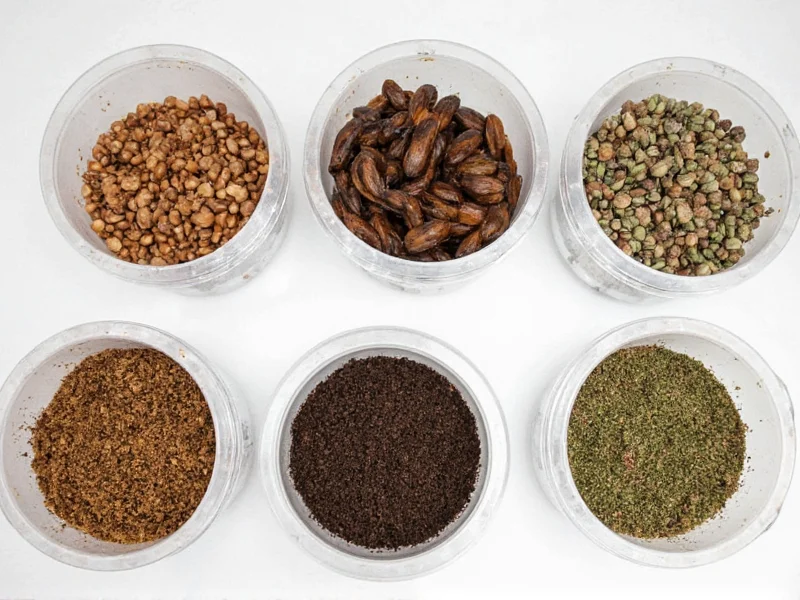
Commercial mixes often contain excessive fertilizer salts that build up over time. These laboratory-tested recipes deliver consistent results at half the cost.
All-Purpose Indoor Mix (Works for 80% of Houseplants)
- 4 parts coconut coir (pre-moistened)
- 3 parts pumice (1/8" size)
- 2 parts high-quality compost
- 1 part worm castings
Mix thoroughly and let rest for 24 hours before use to allow components to integrate. This ratio provides ideal moisture retention for most common houseplants while preventing root rot.
Succulent and Cactus Mix (Prevents Root Rot)
- 3 parts pumice (1/4" size)
- 2 parts coconut coir
- 1 part coarse sand (horticultural grade)
- 1/2 part activated charcoal
Charcoal is critical for absorbing impurities—especially important in containers with limited drainage. This mix passes the squeeze test perfectly: forms a ball when squeezed but crumbles immediately when poked.
Three Soil Mistakes That Kill Indoor Plants
- Misconception: Adding garden soil saves money
Reality: Garden soil compacts irreversibly within 3 months, cutting off oxygen to roots. The initial savings cost 3x more in replacement plants.
- Misconception: Gravel at pot bottom improves drainage
Reality: Creates a perched water table that actually increases saturation. Proper drainage comes from the entire mix composition, not bottom layers.
- Misconception: Soil lasts indefinitely
Reality: Organic components break down over time. Refresh 30% of mix annually to maintain proper structure and prevent salt buildup.
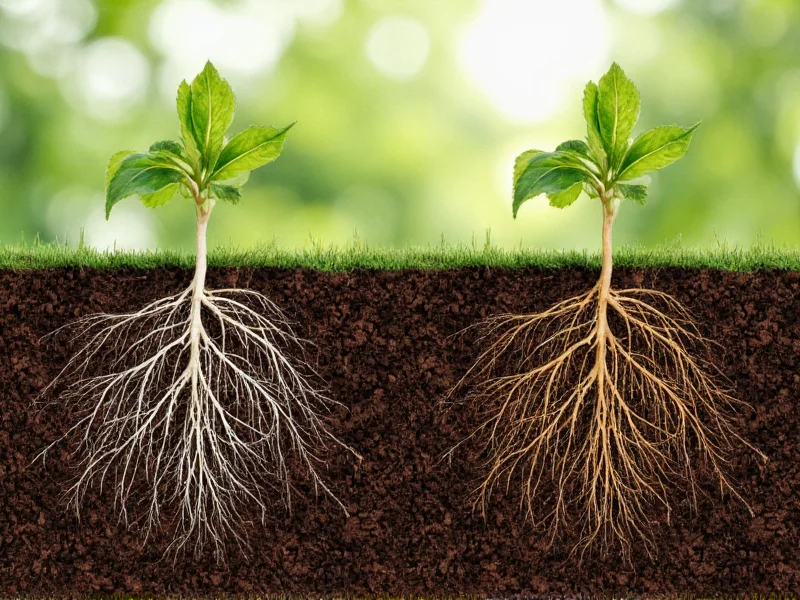
Professional tip: When repotting, examine root color—healthy roots are white or light tan and firm to the touch. Brown, mushy roots indicate soil composition problems rather than just overwatering.
Soil Quality Verification Checklist
Before planting, verify your mix meets these critical standards:
- The squeeze test: Saturate soil, squeeze firmly, then open hand. Should hold shape briefly then crumble completely (not stay packed or disintegrate immediately)
- Drainage test: Time how long water takes to drain through 6" of mix. Should drain completely within 30 minutes for tropicals, 20 minutes for succulents
- Visual inspection: Should show visible chunks of aeration materials, not fine, uniform texture like garden soil
Creating Living Soil for Long-Term Plant Health
The most advanced indoor gardeners treat soil as a living ecosystem rather than just a growing medium. Look for mixes containing mycorrhizal fungi—beneficial microbes that form symbiotic relationships with roots, effectively extending the root system by up to 700%. Avoid synthetic fertilizer-heavy mixes that disrupt this natural biology. For most common houseplants, a simple blend of coir, pumice, and compost creates ideal conditions where plants can feed themselves through natural processes.
Frequently Asked Questions
Can I use garden soil for indoor plants if I add perlite?
No. Garden soil contains pathogens and compacts irreversibly even with 30% perlite. The mineral composition blocks oxygen exchange essential for container plants, leading to root suffocation within weeks.
How often should I refresh indoor plant soil?
Refresh 30% of the mix annually by gently incorporating fresh components. Full replacement is only needed every 2-3 years or when roots outgrow the pot. White crust on the soil surface indicates harmful salt buildup requiring immediate attention.
Is coconut coir better than peat moss for most houseplants?
Coir generally performs better for indoor plants due to superior rewetting ability and sustainability. Peat provides better initial structure but becomes hydrophobic when dry, making consistent moisture difficult to maintain—a critical factor for container plants.
Why does my potting mix smell sour after watering?
Sour odors indicate anaerobic conditions from poor drainage. Immediately repot with a mix containing at least 40% pumice or perlite and verify drainage holes aren't blocked. Healthy soil should have an earthy, pleasant smell.