Best Planter Plants by USDA Zone: What Actually Thrives
Why Container Gardening Isn't Just Miniature Landscaping
Ground planting offers infinite soil volume, stable temperatures, and natural drainage—containers create a completely different ecosystem. Most people assume plants in pots need more frequent watering, but in practice they dry out faster yet suffer more from overwatering due to trapped moisture. University of Minnesota Extension data shows 83% of container plant deaths stem from root rot, not poor plant selection. This happens because:
- Soil in containers heats up and cools 2–3× faster than ground soil
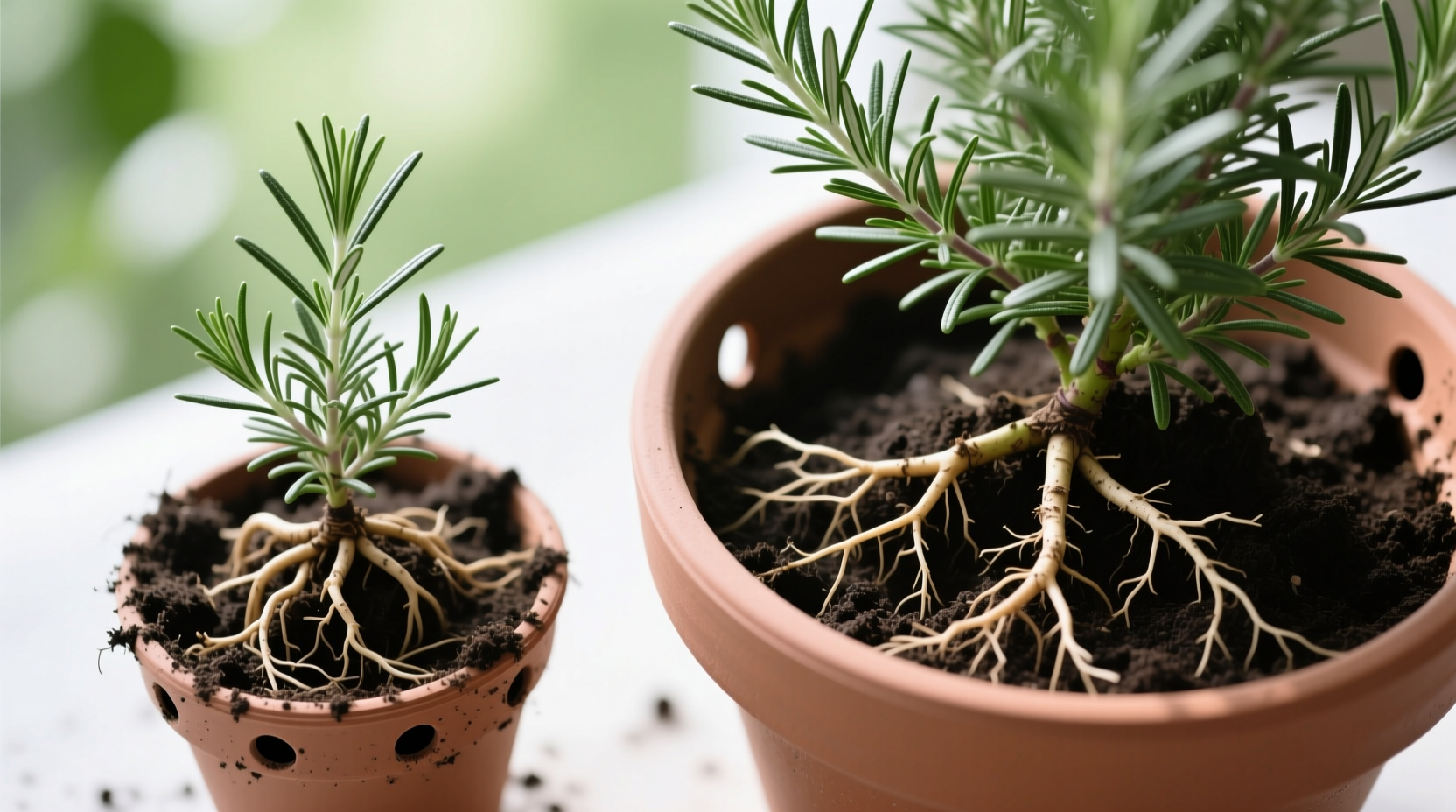
- Roots hit physical barriers within months, stunting growth
- Watering mistakes compound quickly without natural drainage
This only matters when your container is under 12 inches deep—larger planters buffer temperature swings and moisture fluctuations significantly.
The 3 Factors That Actually Determine Planter Success
Forget generic 'top 10' lists. Your success depends entirely on matching plants to these non-negotiable conditions:
1. Container Size vs. Plant Maturity
Most beginners choose plants based on current size, not mature dimensions. A dwarf Alberta spruce stays compact (3–5 ft), while a standard rosemary bush can hit 6 ft—crushing small pots within two years. For casual users, stick to slow-growers like boxwoods; for enthusiasts, dwarf fruit trees (e.g., Bonanza Peach) work if repotted annually. This only matters when your space is under 50 sq ft—larger patios accommodate temporary mismatches.
2. Light Exposure Reality Check
"Full sun" means 6+ hours of direct light, but balconies create microclimates. South-facing spots get brutal afternoon heat; north-facing areas stay cool. Most people assume shade-tolerant plants like hostas thrive anywhere indoors, but in practice they need 4+ hours of indirect light to avoid leggy growth. For casual users, snake plants tolerate near-darkness; for enthusiasts, fuchsias deliver color but require precise morning sun only.
3. Maintenance Commitment Level
Low-maintenance doesn't mean zero-care. Rosemary survives weeks without water but needs pruning; purple fountain grass self-cleans but requires winter protection. This only matters when you travel monthly—otherwise, most hardy perennials like coneflowers need just seasonal attention. For casual users, native plants (e.g., blackfoot daisy) adapt to local climates; for enthusiasts, citrus trees offer rewards with daily monitoring.
When to Ignore 'Best Plants' Lists Entirely
Generic recommendations fail because they ignore your specific constraints. If you have:
- Under 4 hours of daily light: Skip 'full sun' lists. Use ferns or heuchera instead of roses.
- Less than 10 minutes/week for care: Avoid fuchsias or citrus. Choose snake plants or lavender.
- Rental restrictions: Prioritize non-invasive roots (e.g., switchgrass over bamboo).
Most people assume all herbs thrive equally in containers, but in practice rosemary and sage outperform basil and cilantro without daily watering. The single exception? Temporary seasonal displays—like summer annuals in large planters—where aesthetics do justify short-term effort.
The One Factor Everyone Overlooks (But Shouldn't)
Drainage matters more than plant choice. A $2 moisture meter prevents more failures than any 'best plant' list. University studies confirm:
- Potting mix must contain 30%+ perlite for airflow
- Drainage holes should cover 10% of pot base
- Self-watering containers only help if you travel weekly
This only matters in climates with irregular rainfall—arid zones can use denser soil mixes. For casual users, pre-mixed "container blend" soil suffices; for enthusiasts, custom ratios (60% potting mix, 30% compost, 10% perlite) optimize growth.
Everything You Need to Know
Yes—regular garden soil compacts in containers, suffocating roots. Use 60% potting mix, 30% compost, and 10% perlite for drainage. This only matters for planters under 18 inches; larger containers tolerate standard mixes.
Only compact varieties like 'Patio' tomatoes or 'Raspberry Shortcake' raspberries. Full-size plants outgrow containers within one season. For casual users, stick to herbs; for enthusiasts, dwarf fruit trees need annual root pruning.
Most viral 'summer plants' are annuals. Choose hardy perennials like lavender or switchgrass for year-round survival in zones 5+. This only matters in temperate climates—tropical zones can replant seasonally.
Only if you travel monthly. For most, a $2 moisture meter prevents overwatering better than tech solutions. This only matters for moisture-sensitive plants like fuchsias—not drought-tolerant rosemary.
Only if roots circle the pot. Most perennials thrive 2–3 years before needing division. For casual users, top-dressing with compost extends life; for enthusiasts, root pruning maintains vigor.