Best Plants for Bone Meal: Acidic Soil Guide
Understanding Bone Meal: Science Over Tradition
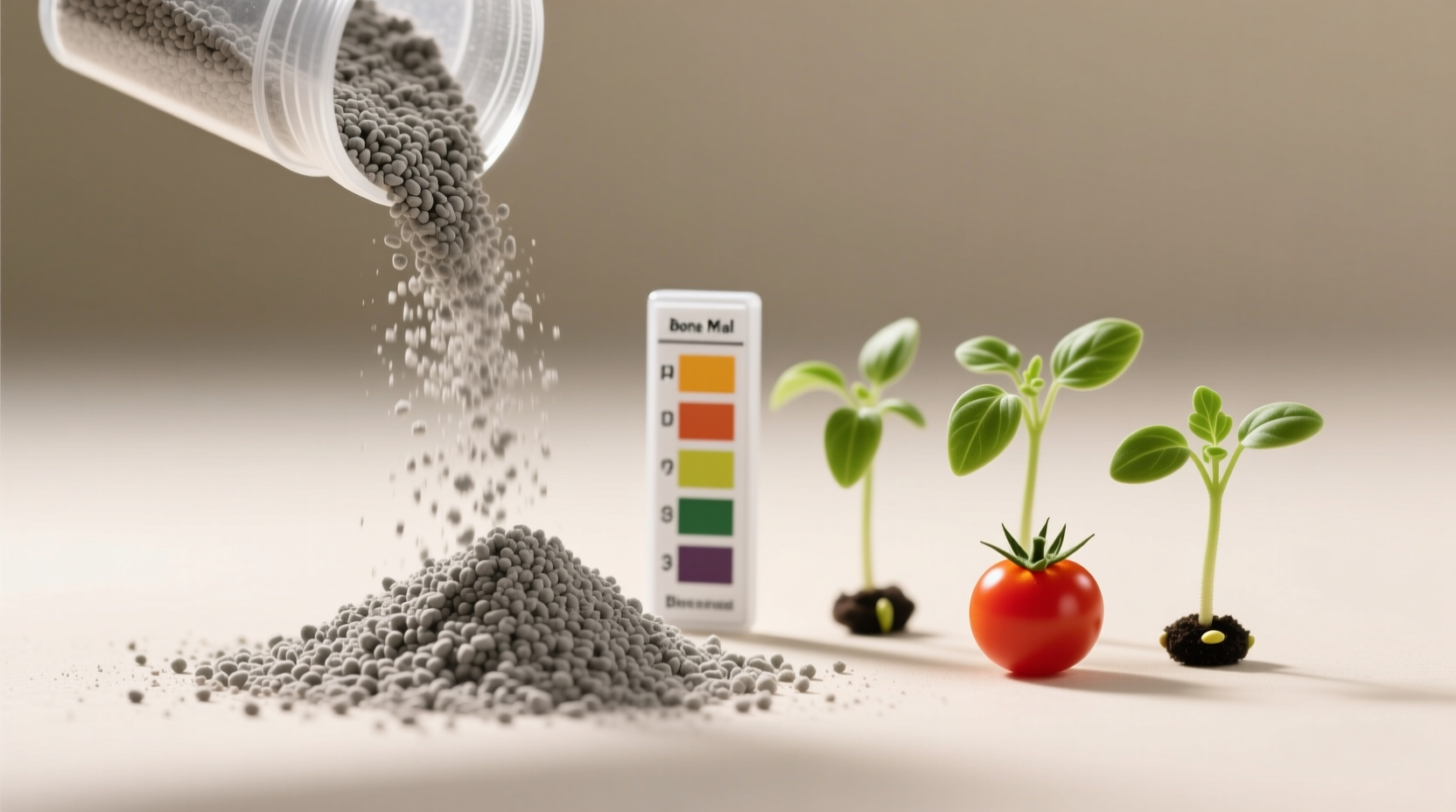
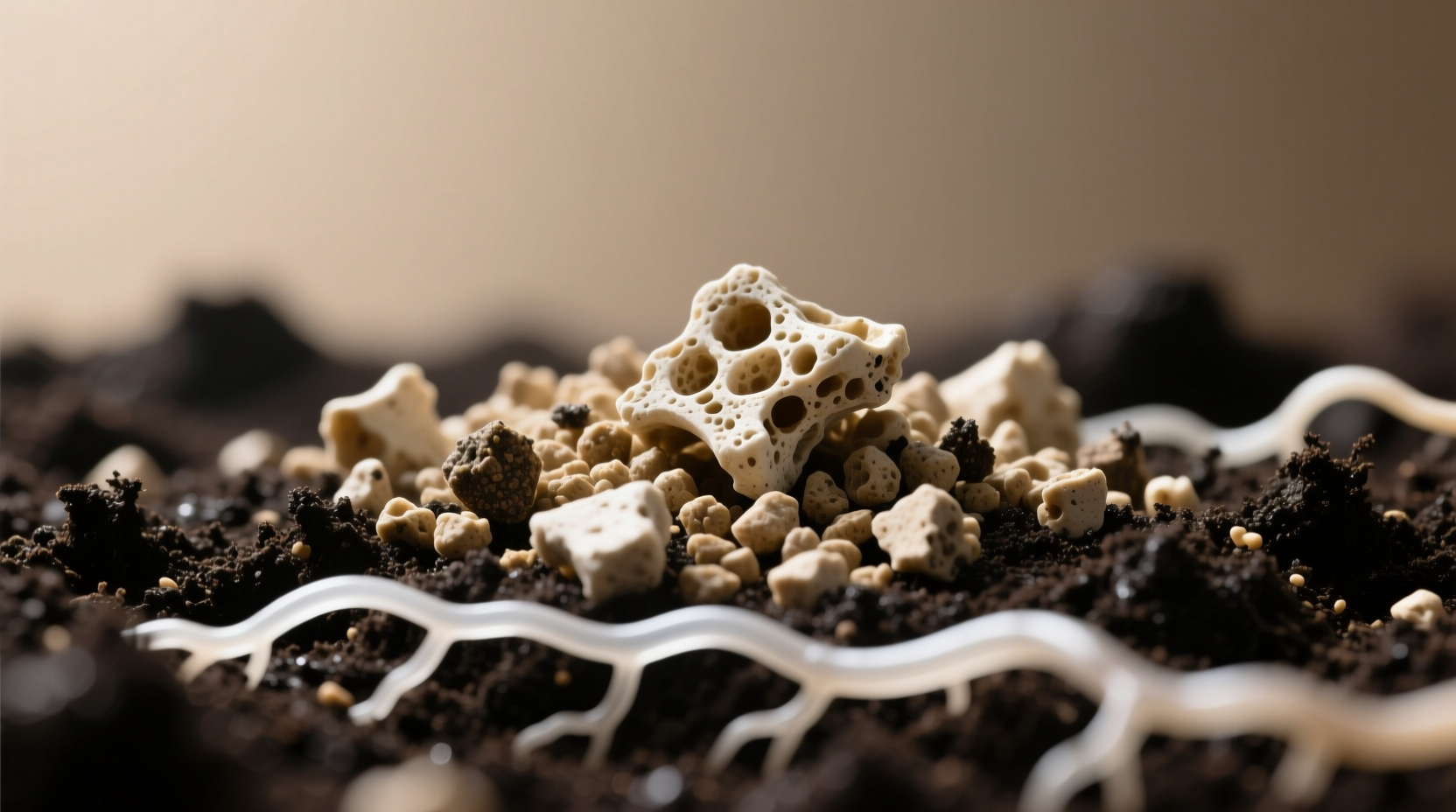
Bone meal isn't magic dust—it's a slow-release phosphorus source derived from steamed animal bones. Unlike synthetic fertilizers, it requires microbial activity to break down nutrients over 1-4 months. But here's the critical truth ignored by most gardening blogs: it becomes useless above pH 7.0. Colorado State University confirms phosphorus locks up in alkaline soils, wasting your effort and money.
When Bone Meal Actually Helps (And When It Backfires)
Forget "just add bone meal" advice. Real gardening requires precision. This table shows exactly where bone meal delivers results versus causing damage:
| Scenario | Use Bone Meal? | Why / Why Not | Source Verification |
|---|---|---|---|
| Soil pH below 6.5 | ✓ Yes | Phosphorus remains soluble for plant uptake | Wikipedia, Gardeners World |
| Soil pH above 7.0 | ✗ Avoid | Nutrients become chemically locked; wasted application | Gardeners Path, Almanac |
| Phosphorus-deficient soil | ✓ Yes | Corrects deficiency for root/flower development | Inherited Seeds |
| Existing high phosphorus levels | ✗ Avoid | Causes chlorosis, kills mycorrhizal fungi | Gardeners Path, Smiling Gardener |
Plants That Actually Benefit (With Proof)
Not all plants need bone meal. Research shows these respond best only when soil conditions are right:
- Bulbs (tulips, daffodils): 1-2 tbsp per planting hole boosts root establishment (Gardeners World)
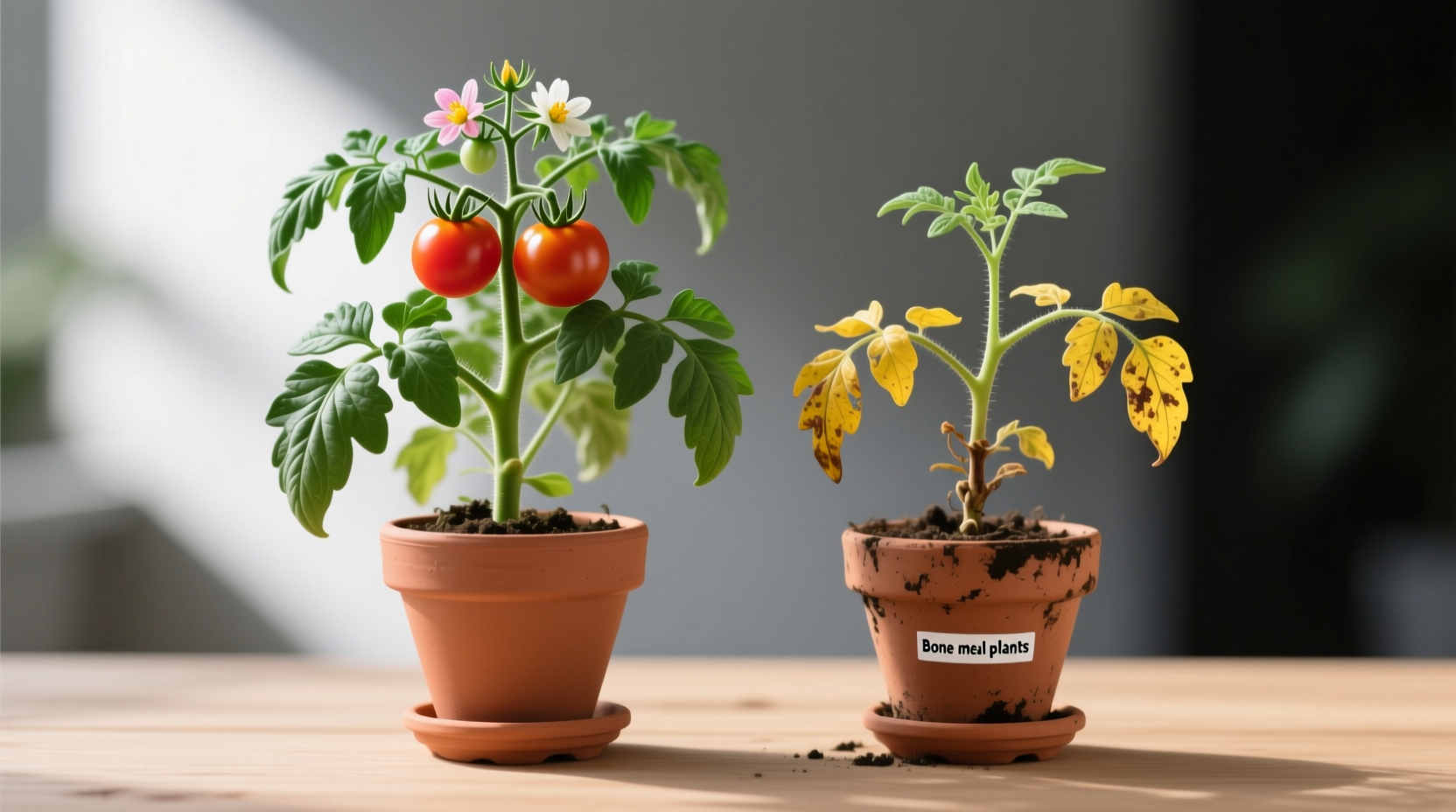
- Tomatoes & peppers: Promotes flowering when applied at transplanting—but only if pH < 7.0 (Almanac)
- Roses: Encourages blooms in acidic soils; useless in alkaline conditions (Inherited Seeds)
Root vegetables like carrots? Avoid it. Excess phosphorus creates forked roots. Colorado State University Extension explicitly warns against bone meal for root crops in standard garden soils.
Your Step-by-Step Application Protocol
Follow this sequence to avoid common mistakes:
- Test soil: Contact your agricultural extension for a $15-30 nutrient/pH test (mandatory step)
- Confirm deficiency: Only proceed if phosphorus is low AND pH < 7.0
- Apply correctly:
- Vegetable beds: 5-10 lbs per 100 sq ft (Almanac)
- Bulbs: Mix 1 tbsp into planting hole
- Potted plants: ½ cup per cubic foot of soil
- Water deeply: Activates microbial breakdown
Critical Safety Notes Often Ignored
Bone meal carries real risks beyond pH issues:
- BSE concerns: While modern processing reduces risk, European and Canadian organic certifiers prohibit conventional bone meal due to potential contamination (Smiling Gardener)
- Pet danger: Attracts dogs/carnivores; can cause gastric blockage if ingested
- Ecological impact: Destroys mycorrhizal networks essential for nutrient uptake (Gardeners Path)
Better Alternatives for Most Gardens
Research shows safer, more effective options exist:
| Alternative | How It Works | Best For |
|---|---|---|
| Mycorrhizal inoculants | Fungi deliver phosphorus directly to roots | All plants; works at any pH (Smiling Gardener) |
| Rock phosphate | Slow-release mineral source | Acidic soils; lasts 3-5 years |
| Liquid seaweed | Provides phosphorus + growth regulators | Quick correction; safe for all soils |
Everything You Need to Know
No. Temporary pH adjustments from vinegar don't solve the core issue. Colorado State University confirms phosphorus remains chemically bound in alkaline conditions regardless of short-term acidification. Use mycorrhizal fungi instead—they work at any pH by directly transporting nutrients to roots.
Avoid bone meal for root vegetables (carrots, beets), blueberries, and native plants adapted to low-phosphorus soils. Excess phosphorus causes forked roots in vegetables and starves mycorrhizal fungi essential for native species. Always prioritize soil test results over generic advice.
Stop all phosphorus applications immediately. Flush soil with water to leach excess nutrients, then add compost to rebuild microbial life. Introduce mycorrhizal fungi inoculants to restore nutrient pathways. Full recovery takes 6-12 months—monitor plants for reduced chlorosis as improvement sign.
"Organic" labeling doesn't eliminate BSE risks. Most certified organic bone meal is unavailable commercially due to contamination concerns (Smiling Gardener). Even if sourced, it still requires acidic soil and correct phosphorus levels. Mycorrhizal fungi remain the safer, more effective choice for organic gardens.
Apparent success often comes from other soil components temporarily solubilizing phosphorus. However, long-term studies show nutrient lockup occurs within 1-2 growing seasons (Gardeners Path). What looks like success initially often leads to declining yields and increased disease susceptibility as soil biology degrades.