
Cactus Growth Factors That Actually Matter (Science-Backed)
Why Your Cactus Isn't Growing (And When It's Fine)
People often treat cacti like indestructible decor. They see "desert origin" and skip seasonal adjustments. But most indoor cacti come from high-altitude regions with cool nights, not Sahara dunes. This explains why your plant survives winter but stalls in spring.
The Overlooked Seasonal Shift
Most assume X, but in practice Y: "Cacti need consistent warmth year-round" is dangerously wrong. In reality, they require 10–15°F (6–8°C) cooler nights in fall/winter to initiate spring growth. Skip this, and your plant enters permanent dormancy—surviving but not growing.
This only matters when you want:
- Flowers (e.g., holiday cacti bloom after cool exposure)
- Propagation-ready offsets
- Natural height increase
For a slow-growing barrel cactus on your desk? Stability beats growth.
Watering: The Misunderstood Balance
"Water less" advice causes two extremes: owners either drown plants weekly or withhold water for months. The truth? Cacti absorb moisture fastest during active growth (spring/summer), not in dormancy. Watering in cool months causes root rot—the #1 killer.
For casual users, water only when soil is bone-dry and temperatures exceed 50°F (10°C). For enthusiasts tracking growth, use the "soak-and-dry" method: drench soil, then wait 2–4 weeks. This mimics monsoon cycles in natural habitats like the Sonoran Desert.
Soil and Light: Where Most Waste Effort
Endless debates rage about "perfect" gritty soil mixes. But this only matters when:
- You live in a humid climate (above 50% RH)
- Your cactus shows brown, mushy bases (rot signs)
Otherwise, standard cactus potting mix works. The real issue? Insufficient light intensity—not duration. A south window in cloudy regions often lacks the 10,000+ lux needed for growth.
Most people assume X, but in practice Y: "More hours of artificial light = better growth" fails if intensity stays low. Use a $10 lux meter; below 5,000 lux, even 12-hour exposure won't trigger growth. For casual users, a brighter window spot beats cheap grow lights.
Everything You Need to Know
Lack of growth usually means missing seasonal temperature shifts or insufficient light intensity (below 10,000 lux). Watering during cool months can also force dormancy. Check if nights drop below 55°F (13°C) in winter—this triggers spring growth.
Only if soil is bone-dry AND temperatures stay above 50°F (10°C). Most species enter dormancy below 55°F (13°C), where water causes rot. Desert species like Saguaro need near-zero winter water; jungle cacti (e.g., Christmas cactus) need occasional sips.
Only for flowering or fast growth. Use low-nitrogen formula (5-10-10) diluted to half-strength during active growth (spring/summer). Skip it entirely if you prefer a slow-growing specimen—most indoor cacti thrive without it.
"Etiolation" (stretching) means chronic light deficiency. It won't revert—only new growth corrects with intense light (10,000+ lux). Move closer to a south window or use a grow light at 6–12" distance. Humid climates worsen this.
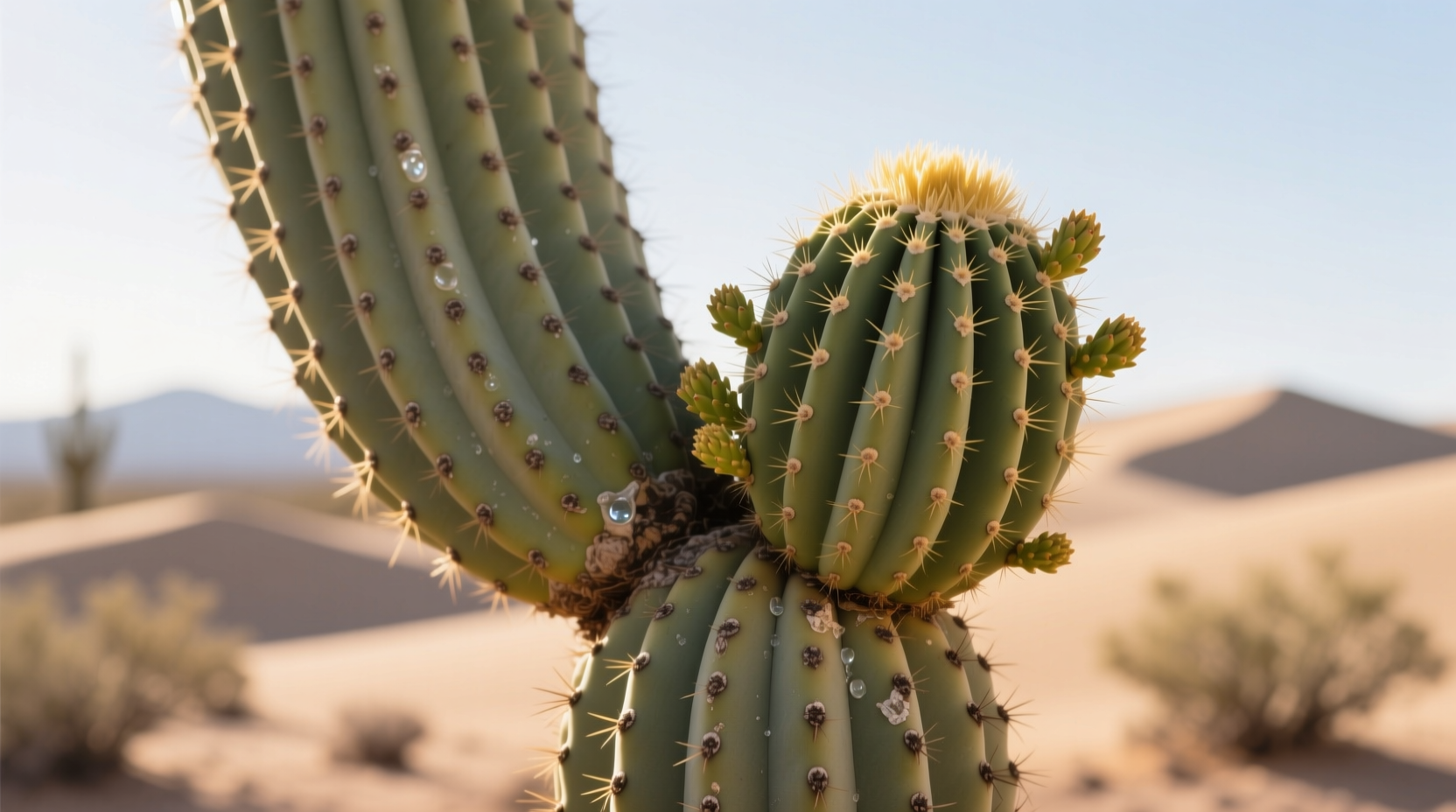
If only one thing sticks: Match watering to temperature, not a calendar. Water when soil dries AND temps exceed 50°F (10°C). This prevents 90% of rot cases. Forget complex routines unless you're cultivating rare species like Ariocarpus—that's when soil pH and micronutrients matter. For the rest? A healthy cactus is one that stays firm and green, even if it grows slower than online photos suggest.