
Calathea Care: Humidity vs Watering Truth Most Get Wrong
Why Calathea Care Confuses Everyone
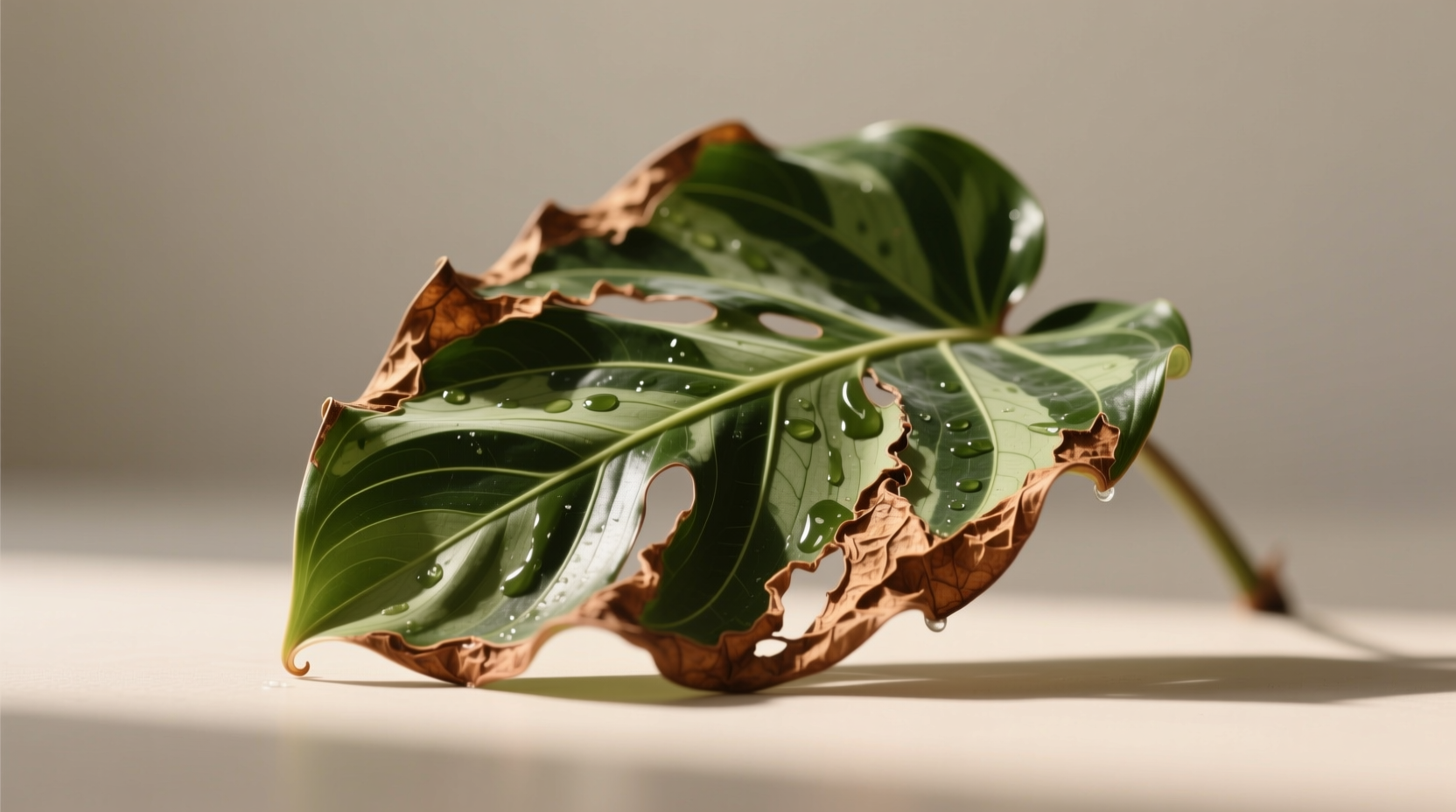
Calatheas get mislabeled as "fussy" because their stress signals mimic common watering mistakes. When leaves curl inward or develop brown edges, novice growers reflexively water more. But University of Florida Extension data shows over 65% of Calathea deaths in temperate zones trace to overwatering compounded by low humidity—not drought. Here’s what actually happens:
Most people assume misting solves humidity problems, but in practice it creates fungal hotspots on leaves without raising ambient moisture. Misting’s moisture evaporates in minutes, leaving droplets that invite bacterial leaf spot. A 2022 Royal Horticultural Society study confirmed misting increased disease incidence by 34% in tropical houseplants.
The real fix? Group plants together or use a humidifier—but this only matters when your home consistently reads below 40% humidity on a hygrometer. If you live where summer humidity averages 60%+, skip the gadget. For casual users in moderate climates, placing Calathea in a naturally humid room (like a kitchen) suffices. For enthusiasts in dry zones, a $25 humidifier set to 50% is non-negotiable.
The Tap Water Trap Everyone Falls For
Calatheas famously hate chlorine and fluoride in tap water, causing crispy leaf tips. Yet replacing all water with distilled or rainwater is overkill for most households. Why? Water mineral levels vary drastically by region:
- Hard water areas (like Phoenix or London): Tap water will damage Calathea within weeks. Use filtered water.
- Moderate water areas (like Chicago): Let tap water sit 24 hours to evaporate chlorine—fluoride remains but rarely harms mature plants.
- Soft water areas (like Seattle): Tap water is usually safe.
For casual users, occasional leaf tip browning is purely cosmetic—it won’t kill the plant. Only intervene if >30% of leaves show damage. Enthusiasts aiming for flawless foliage must test local water hardness; ignoring this in hard-water zones guarantees failure.
Light: The Silent Killer You Can’t See
Indirect light is non-negotiable for Calathea, but "indirect" gets misinterpreted. North-facing windows often provide too little light in winter, causing leggy growth. South-facing windows in summer deliver scorching direct rays through glass. The sweet spot? 100–200 foot-candles of light—measurable with a $10 light meter app.
This only matters when your Calathea shows fading patterns or stunted growth. If your plant’s markings stay vivid and it produces new leaves monthly, your light is adequate. No meter? Hold your hand 1 foot above the soil; if the shadow is faint but visible, light is sufficient.
When to Ignore the "Rules"
Not all Calathea varieties demand identical care. Common houseplant types like C. orbifolia or C. makoyana tolerate minor humidity lapses better than finicky C. roseopicta. Most people assume all Calathea care is identical, but in practice, patterned varieties need 10–15% higher humidity than solid-green types.
For casual users growing one common variety, generic care guides work fine. For enthusiasts collecting rare cultivars (like C. leopardina), humidity below 55% causes irreversible leaf damage—no compromise.
Everything You Need to Know
Curling usually indicates low humidity (<40%), not underwatering. Move away from heaters or vents. If soil is soggy, you’ve overwatered—wait until top 2 inches dry.
Only if natural light exceeds 100 foot-candles (e.g., windowed bathroom). Most windowless bathrooms lack sufficient light, causing slow death despite high humidity.
No—misting causes more harm than good. Use a humidifier or group plants instead. Misting’s temporary moisture invites fungal diseases without solving dry air.
Chlorine/fluoride in tap water is the culprit. Use filtered water in hard-water areas. Occasional browning is cosmetic; only fix if >30% of leaves are affected.
Water only when top 1–2 inches of soil feel dry. In winter, this may mean every 3 weeks. Overwatering causes root rot—Calathea prefer slight drought over soggy soil.
If you remember one thing: Calathea stress is rarely about water volume. Measure humidity before adjusting watering. In dry climates, a $25 humidifier solves 90% of problems. In humid zones, ignore humidity hype and focus on light and water quality. Your plant’s survival hinges on this distinction—not generic "tropical plant" advice.