
Calathea Couture: Fake Name? Real Care Guide for Zone 10–12
Why "Calathea Couture" Doesn't Exist (And Why It Spread)
Plant naming follows strict international codes managed by bodies like the Royal Horticultural Society. Terms like "couture," "luxury," or "designer" carry no botanical weight—they're search-engine bait. When TikTok and Instagram posts showed identical Calathea makoyana plants labeled "Couture Edition" selling for $85 (vs. $25 at local nurseries), the confusion went viral. Most people assume these labels indicate superior genetics or care, but in practice, they simply exploit seasonal search spikes during spring plant-shopping season.
3 Costly Mistakes Buyers Make (And What Actually Matters)
Mistake #1: Trusting aesthetic labels over scientific names. "Calathea Couture" listings often pair generic plant photos with fake certificates. Always verify the actual cultivar name (e.g., Calathea lancifolia 'Makoyana'). This only matters when purchasing online—brick-and-mortar stores rarely use deceptive naming.
Mistake #2: Assuming "couture" means better care instructions. Care requirements depend solely on species, not marketing terms. For casual users, a standard Calathea orbifolia needs the same humidity and light whether sold as "couture" or not. For enthusiasts tracking rare mutations, the scientific name is non-negotiable.
Mistake #3: Overlooking the real indicator of quality: root health. Most buyers focus on leaf patterns while ignoring root binding—a far more critical factor. This is the easiest mistake to fix: gently squeeze the pot. If roots protrude from drainage holes, skip it regardless of the label.
When Plant Names Actually Matter (And When They Don't)
Worth your attention: Scientific names (e.g., Calathea crocata vs. Calathea zebrina) because care needs vary drastically. Crocata tolerates drier air; zebrina demands constant humidity. Misidentifying these could kill your plant.
Safe to ignore: Any term implying exclusivity like "couture," "royal," or "limited edition." These never appear in nursery catalogs from certified growers like Greenery NYC or PlantVillage. Most people assume these labels signal rarity, but in practice, they’re recycled for common varieties seasonally.
Here’s the key distinction: If a seller can’t provide the plant’s RHS-registered cultivar name, treat it as a red flag. Legitimate rare cultivars (like Calathea 'Network') have documented propagation records—not Instagram hashtags.
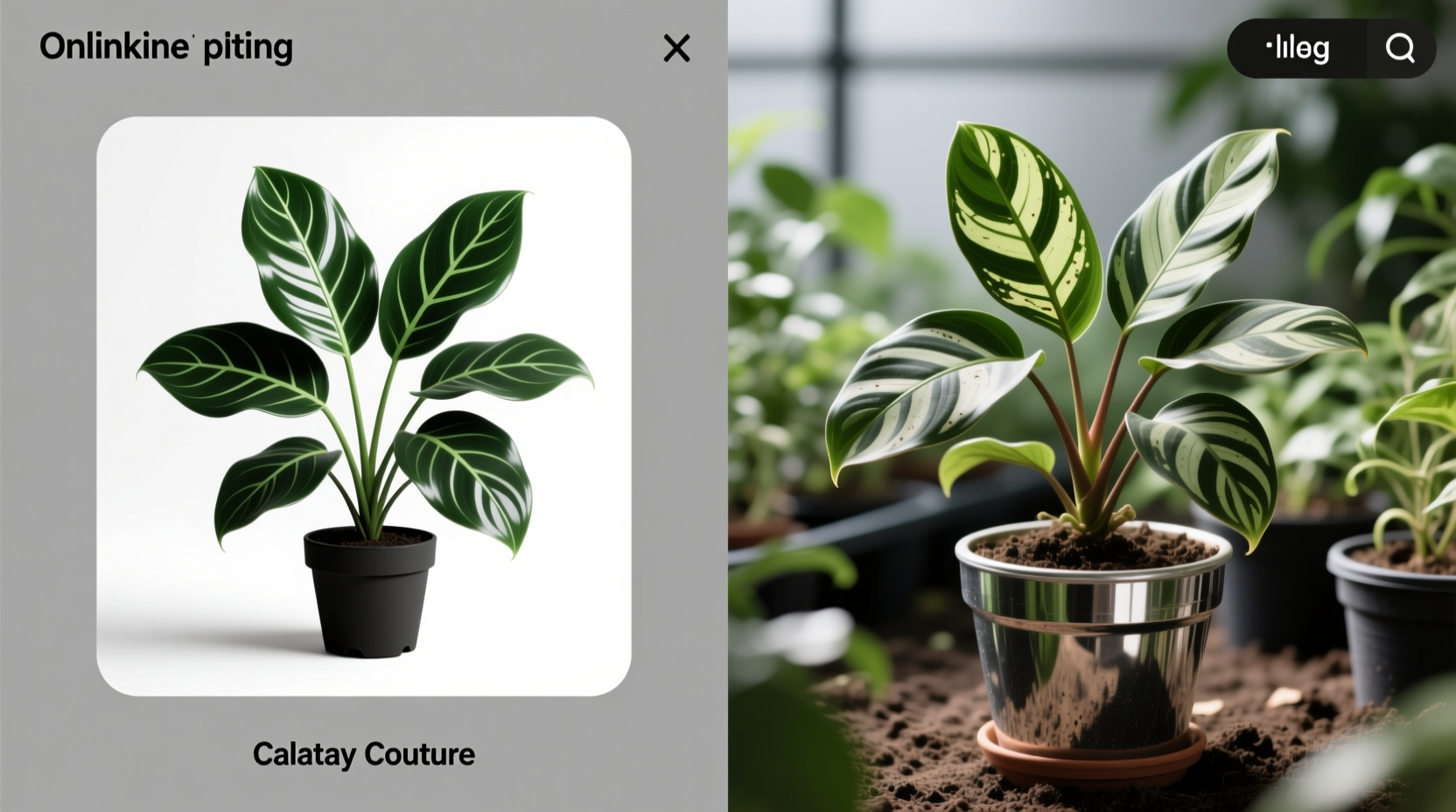
One Rule That Solves 90% of Naming Confusion
If you remember nothing else: Always search using the scientific name plus "care guide". Typing "Calathea makoyana care" pulls up verified resources from universities and botanical gardens. Searching "Calathea couture" only surfaces paid ads and resellers. This works because horticultural databases like the World Checklist of Vascular Plants index species—not marketing terms.
For casual growers, this eliminates guesswork. For serious collectors, it prevents costly mistakes—like assuming a "couture" Calathea crocata will thrive in dry office air (it won’t). The exception? When buying from local growers who use regional common names (e.g., "Prayer Plant"), but even then, the scientific name should be available upon request.
Everything You Need to Know
No. No botanical authority—including the Royal Horticultural Society or International Plant Names Index—recognizes "Calathea Couture." It's a marketing term used to inflate prices on common varieties like Calathea makoyana or orbifolia.
Sellers use "couture" to exploit search trends and charge premium prices (often 200-300% higher). These terms target seasonal shoppers searching social media during spring plant-buying season, not knowledgeable buyers who use scientific names.
Always verify the scientific name (e.g., Calathea lancifolia). Reputable sellers provide it on tags or websites. If only marketing terms like "couture" appear, check root health before buying—and compare prices at local nurseries where mislabeling is rare.
No. Care depends entirely on the species (e.g., Calathea crocata vs. zebrina), not marketing labels. A "couture" Calathea orbifolia needs identical humidity, light, and watering as any other orbifolia. This misconception wastes money on unnecessary "premium" soil or fertilizers.