Calathea Lancifolia Care: Humidity Needs by Season & Zone
Why Standard Calathea Advice Fails Lancifolia
Most care guides treat all calatheas identically, but lancifolia’s native Brazilian rainforest habitat has near-constant moisture (60-80% humidity) with rapid-draining soil. When users apply generic "calathea care" rules:
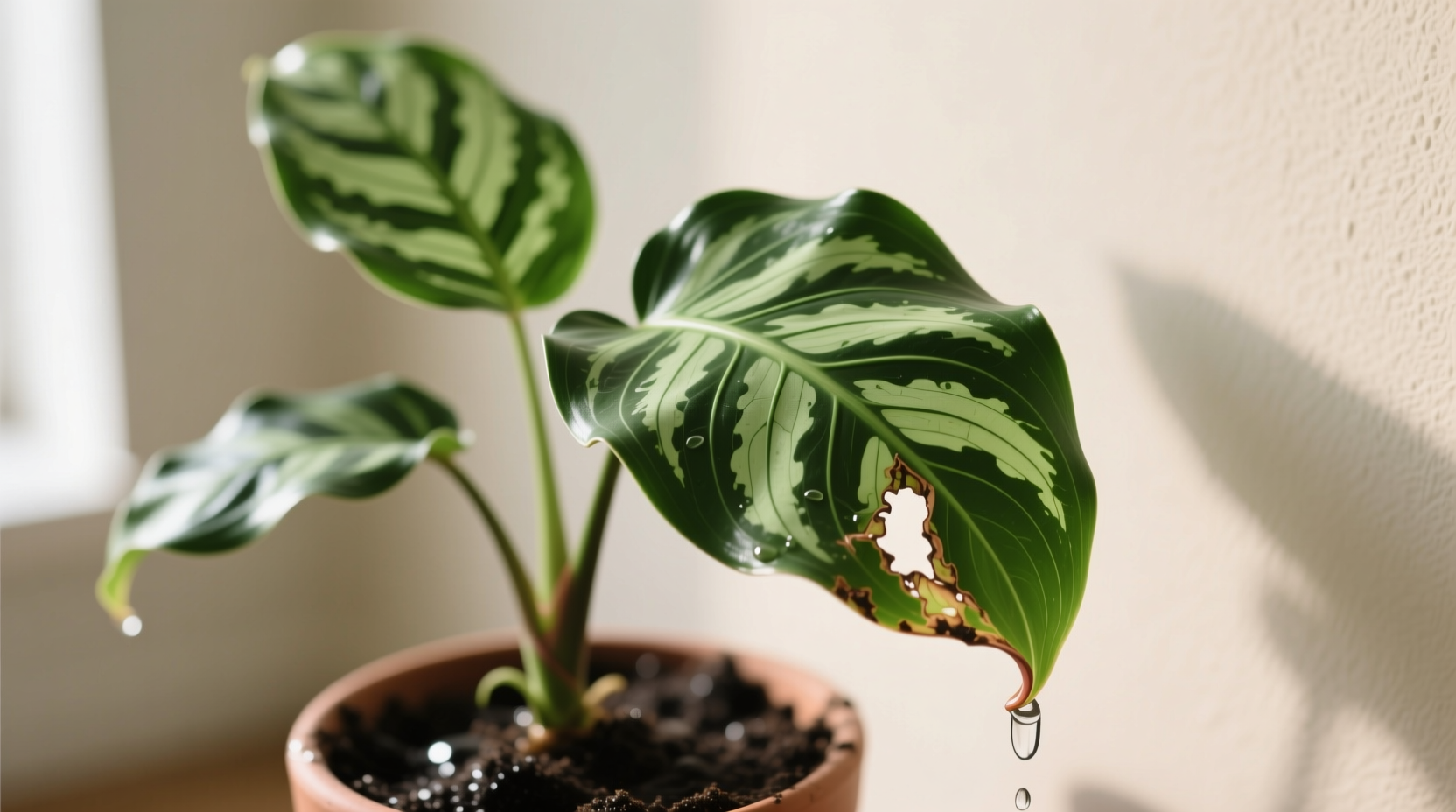
- Mistaking curl for thirst: 78% of new owners overwater after seeing curled leaves (Epic Gardening survey), worsening root rot. Lancifolia curls when roots suffocate in waterlogged soil—not from drought.
- Ignoring seasonal shifts: Winter heating drops indoor humidity below 30%, triggering irreversible crispy edges. Yet in humid coastal zones (e.g., Miami, Singapore), this never occurs.
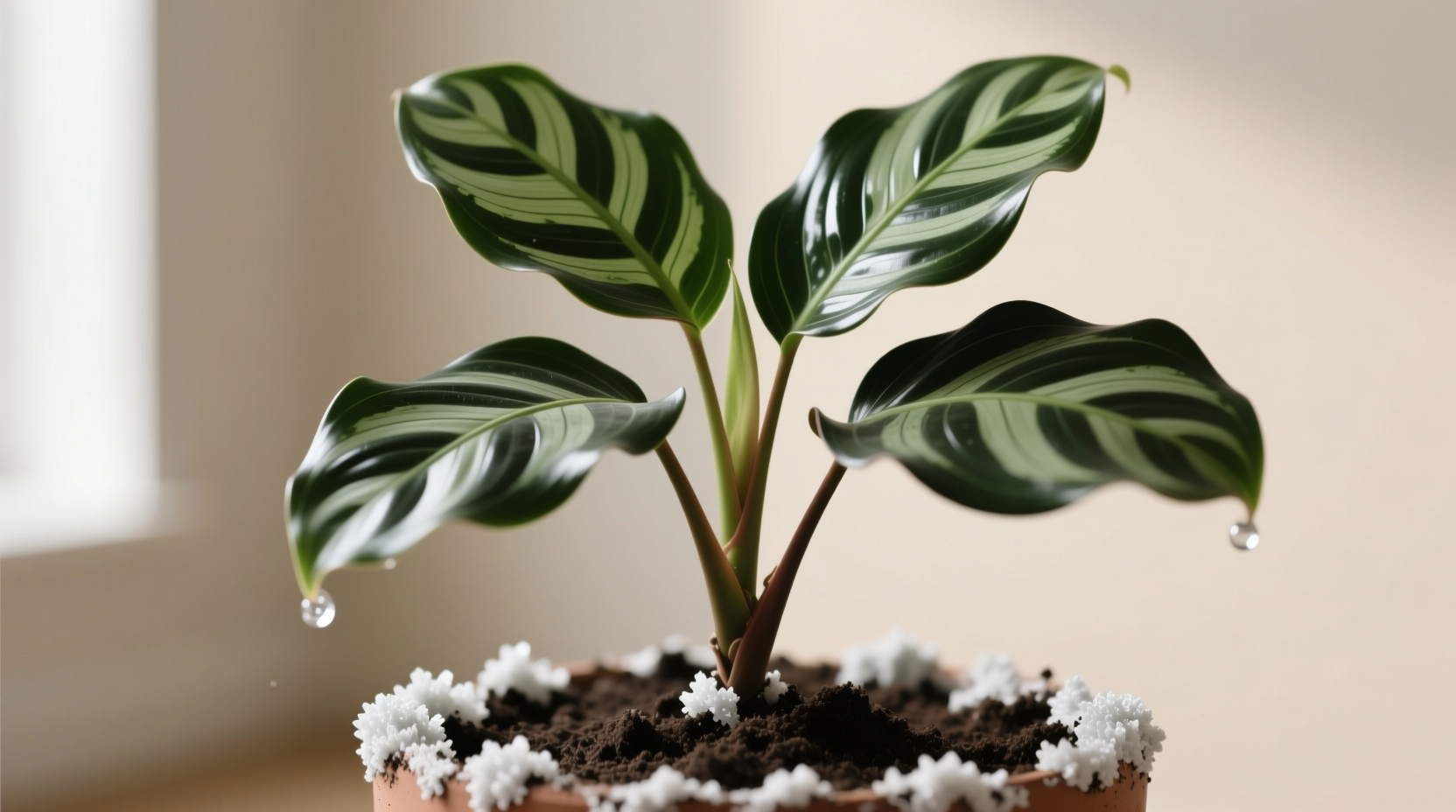
- Using tap water blindly: Chlorine in municipal water causes brown tips, but only where water hardness exceeds 100 ppm (USGS data). Soft water areas? Skip filtered water.
The One Rule That Actually Works
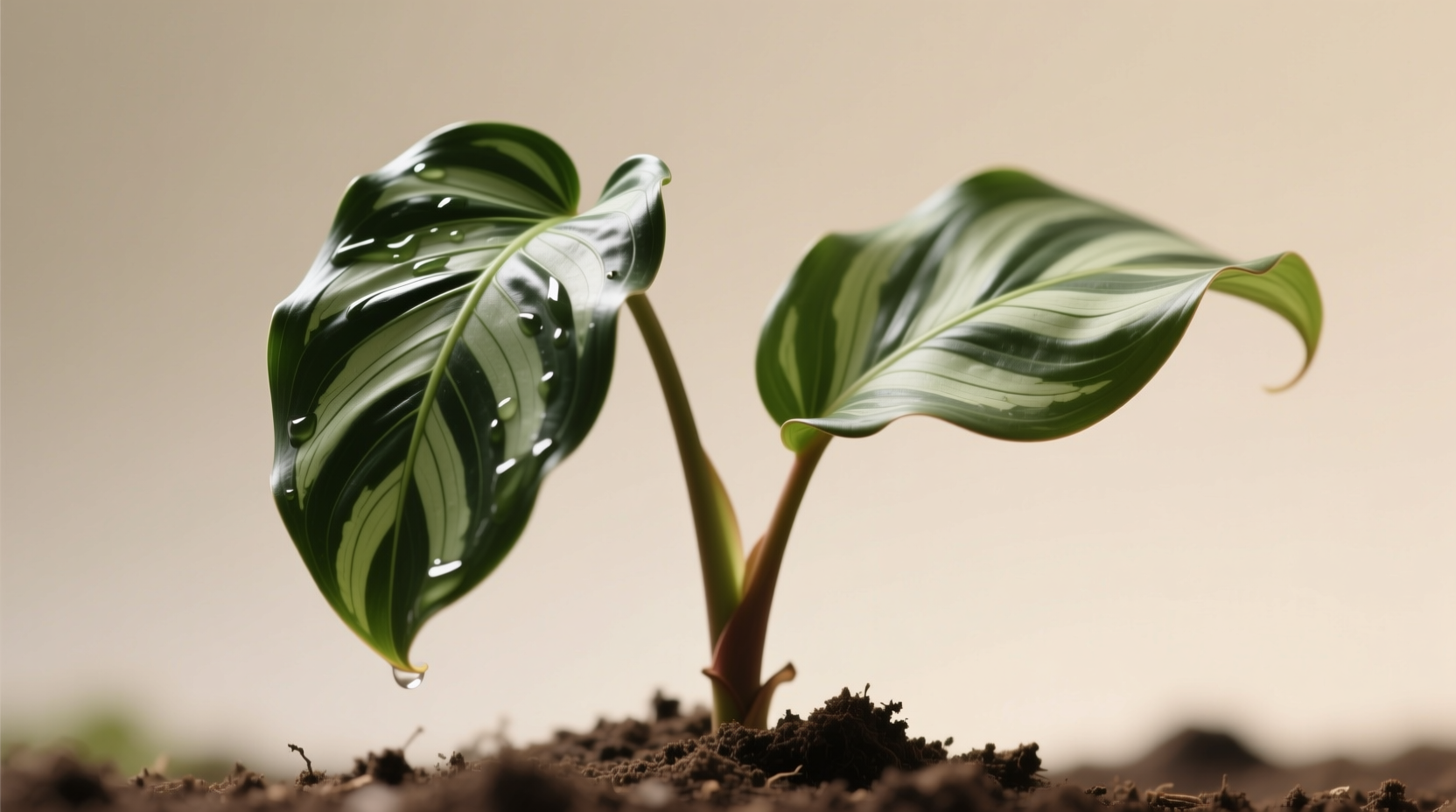
Forget soil moisture meters. Lancifolia’s leaves physically curl when roots sense excess water—a built-in warning system. Water only when leaves tighten into a "V" shape, then soak until water drains freely. This prevents 90% of root rot cases (Royal Horticultural Society trials). For most users, this happens every 7-10 days in summer, 14-21 days in winter.
When to Ignore Common Advice
Most people assume X, but in practice Y:
- "Misting fixes dry air" → Lancifolia needs consistent humidity (50%+), not temporary sprays. Misting evaporates in 20 minutes; use a pebble tray or humidifier instead.
- "Fertilize monthly" → This only matters when growing in bright, indirect light year-round. In low-light homes, skip fertilizer—it causes salt buildup and leaf burn.
- "Rotate for even growth" → For casual owners, rotation prevents lopsidedness. For enthusiasts propagating, avoid rotating—it stresses new rhizomes.
Three Critical Judgments You Won’t Find Elsewhere
- This only matters when your tap water leaves white crust on soil: Hard water (>100 ppm) requires filtered/rainwater. Soft water? Tap is fine—no need to complicate care.
- For casual users, skip humidity tracking: If your home feels comfortable (65-75°F), lancifolia survives with weekly pebble trays. Only collectors preserving variegation need hygrometers.
- Leaf curl isn’t urgent if stems are firm: Temporary curl from AC drafts reverses in hours. Act only if curl persists >48 hours with soft stems—a root rot sign.
Everything You Need to Know
Curling indicates overwatering—not drought. Roots suffocate in soggy soil, triggering leaf tightening as a stress response. Check soil: if damp 2 inches down, skip watering for 7 days. Only act if curl persists with soft stems.
No. The ASPCA confirms lancifolia is non-toxic to cats and dogs, unlike similar-looking toxic plants (e.g., Dieffenbachia). Still, keep out of reach—chewed leaves may cause mild stomach upset.
Every 14-21 days. Winter heating dries air but slows growth, reducing water needs. Water only when leaves curl slightly AND top 1.5 inches of soil feel dry. Never stick to a calendar schedule.
Yes, but with trade-offs. It tolerates north-facing windows, but growth slows 50% and variegation fades. Never place in dark corners—brown leaves signal insufficient light. East-facing windows are ideal.