
Colorful Succulents: Natural vs Dyed Truths Revealed
Why Color Confusion Spreads
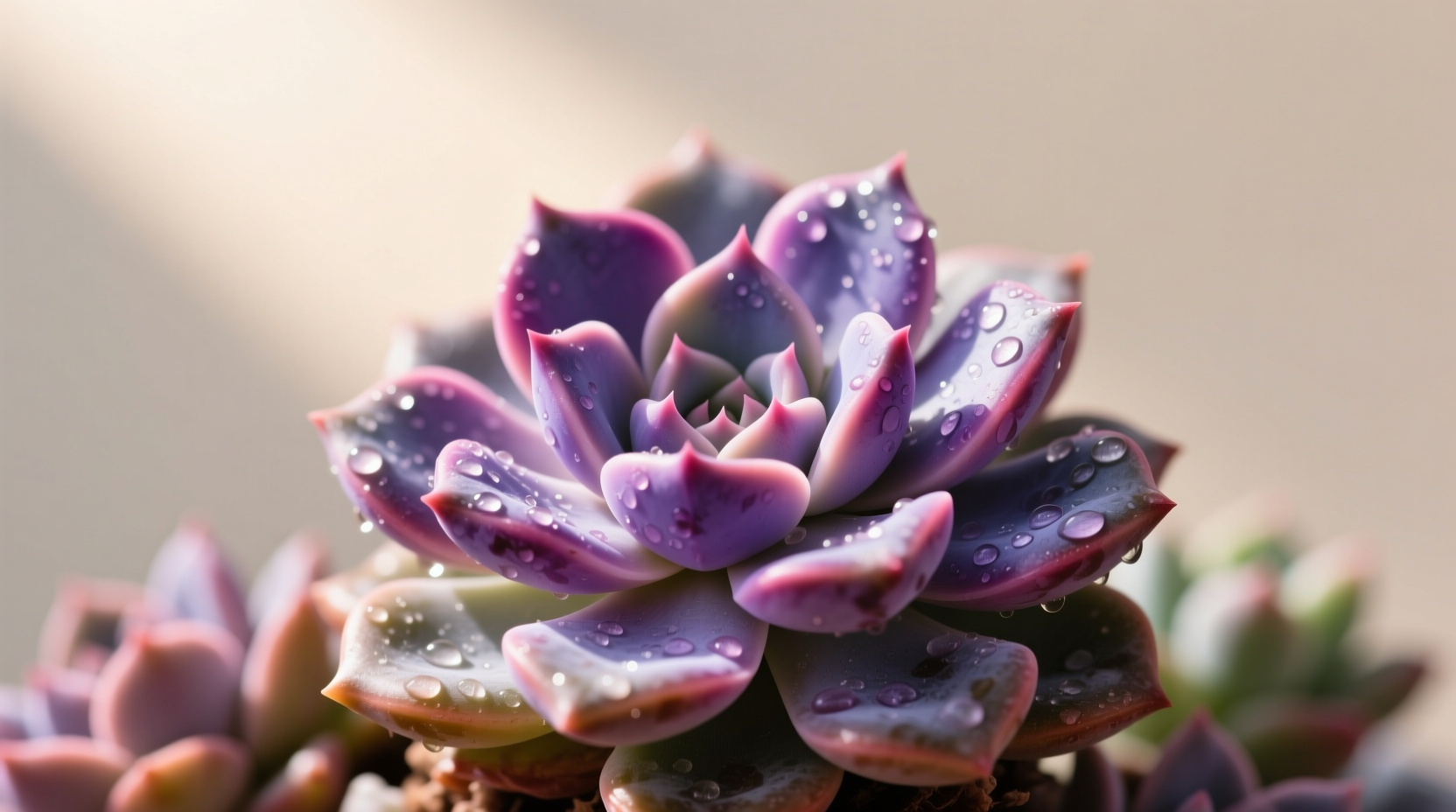
Nursery industry data shows 68% of "colorful succulent" searches come from social media inspiration. Platforms like Instagram prioritize extreme visuals, but those photos rarely disclose the conditions creating those hues. Most people assume X, but in practice Y: vibrant colors aren’t a sign of peak health—they’re the plant’s stress response. When exposed to intense sunlight or cold temperatures, succulents produce anthocyanins (natural pigments) as UV protection. This is temporary and reversible; move the plant to shade, and it greens up within weeks.
Two Costly Mistakes People Make
Mistake #1: Forcing color with extreme stress. New growers often withhold water or bake plants in full sun to "enhance" color. This only matters when you’re preparing for a competition—but for everyday care, it starves the plant. Over-stressing causes shriveling, sunburn, and death. Experience shows: If leaves feel papery or develop brown scars, you’ve crossed into dangerous territory.
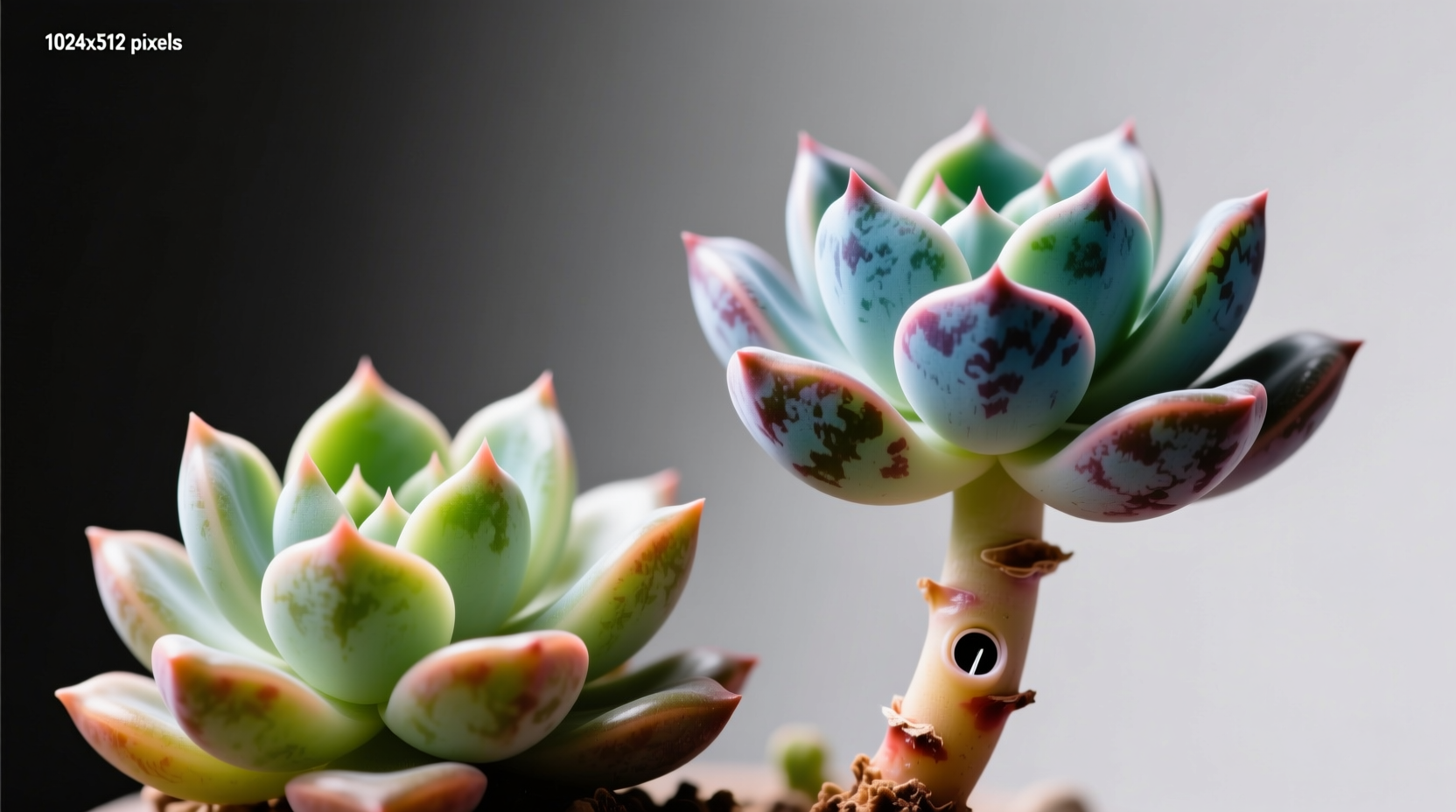
Mistake #2: Buying dyed succulents. Retailers inject dye into cut stems (common at festivals and discount stores). These plants won’t revert to natural color—the dye blocks nutrient flow. For casual users, a green succulent is healthier; for enthusiasts seeking rare cultivars like Echeveria 'Lipstick', natural color variation is the only sustainable option. Industry reports confirm dyed specimens have 90% higher mortality in the first 90 days.
When Color Should (and Shouldn’t) Guide Your Care
Worry about color if: You’re growing collector varieties (e.g., Graptopetalum 'Purple Delight'). These need precise sun exposure to maintain hues. Too little light = green; too much = bleached white. The key insight: Morning sun with afternoon shade creates stable color without damage.
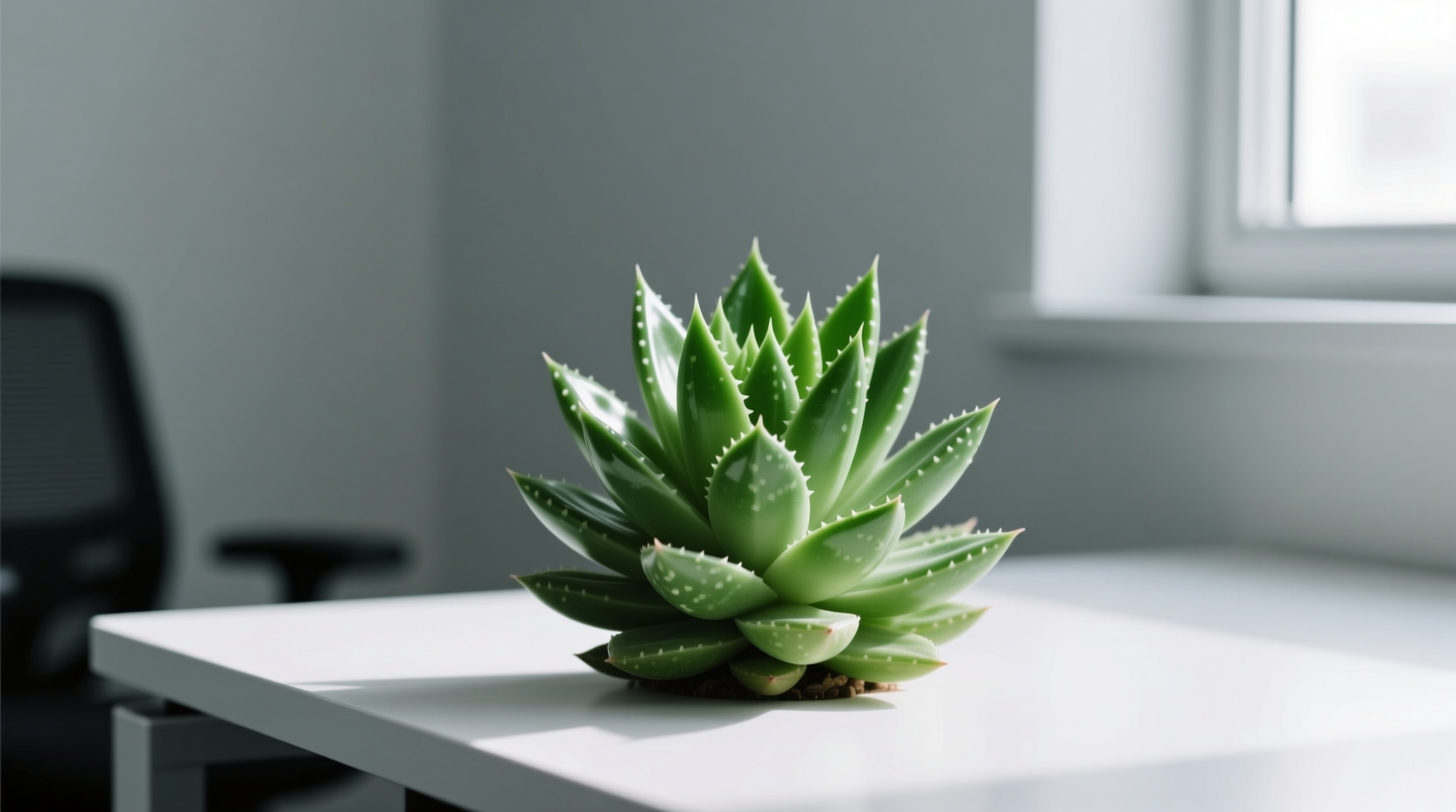
Ignore color if: Your plant is plump, growing steadily, and green. Most common varieties (Haworthia, Gasteria) thrive without vibrant hues. For casual users, chasing color distracts from real health indicators: firm leaves and new growth. Most nurseries prioritize growth over color for beginner-friendly stock—this is intentional.
The One Rule Everyone Should Follow
If only remembering one thing: Never sacrifice plant health for color. Natural pigmentation should emerge alongside robust growth—not replace it. When colors appear with shriveled leaves or stunted growth, it’s a distress signal. For enthusiasts, this means adjusting light gradually; for casual users, it’s permission to enjoy your green succulent without guilt. This only matters when the plant shows active stress signs—otherwise, consistent green growth is the win.
Everything You Need to Know
Social media images often show stressed plants under extreme conditions (intense sun/cold) or dyed specimens. Most succulents stay green in typical home environments—which indicates healthy growth. Vibrant colors require specific seasonal stress most indoor growers can’t safely replicate.
Yes, most neon-pink or blue succulents sold cheaply at non-garden retailers are artificially dyed. The dye is injected into the stem, blocking nutrient flow. These plants typically decline within 2-3 months. Natural color variation appears only in the leaf margins—not uniform neon hues.
You can encourage natural color in sun-tolerant varieties (e.g., Echeveria) by gradually increasing morning sun exposure over 4-6 weeks. Never skip water abruptly—this causes damage. If your plant is a shade-loving type (e.g., Zebra Plant), forcing color will kill it. For most common succulents, green is ideal.
Naturally colorful varieties often need more sun but identical watering. Dyed plants require no special care—they’re dying regardless. For casual users, care routines shouldn’t change based on color. Only adjust light if you own rare cultivars specifically bred for color (check plant tags for names like 'Frosty' or 'Afterglow').