
Companion Planting Charts: What Science Actually Proves
How Companion Planting Charts Mislead (And What Actually Works)
Most gardeners start with simplified charts listing "good" and "bad" plant neighbors. These originate from traditional practices like Native American "Three Sisters" (corn, beans, squash), but modern charts often blend verified science with unproven folklore. West Virginia University Extension data shows real benefits: basil repels thrips near tomatoes, and nasturtiums lure aphids away from beans. Yet Marshall's Garden Guide warns 70% of online charts ignore critical variables like plant maturity timing or soil chemistry. Most people assume companion planting is foolproof, but it only delivers results when matching plants' growth cycles and chemical interactions. For example, beans fix nitrogen benefiting corn—but planting them with onions (which inhibit bean growth) cancels this advantage. The Korean Journal study confirmed companion planting boosts tomato vitamin C by 15%, but only when plants share compatible root depths and nutrient needs.The 3 Costly Mistakes Even Experienced Gardeners Make
Mistake 1: Ignoring height and light requirementsTall crops like corn or sunflowers shade low-light plants such as lettuce or radishes. Homes and Gardens documents how 40% of failed companion gardens stem from this oversight. Position taller plants on the north side of beds—never between shorter companions. Mistake 2: Pairing "heavy feeders"
Corn, onions, and cabbage deplete soil nitrogen rapidly. Planting them together starves all three. Green and Prosperous notes this mistake reduces yields by 25% in small gardens. Space heavy feeders apart and interplant with light feeders like herbs. Mistake 3: Treating companion planting as emergency pest control
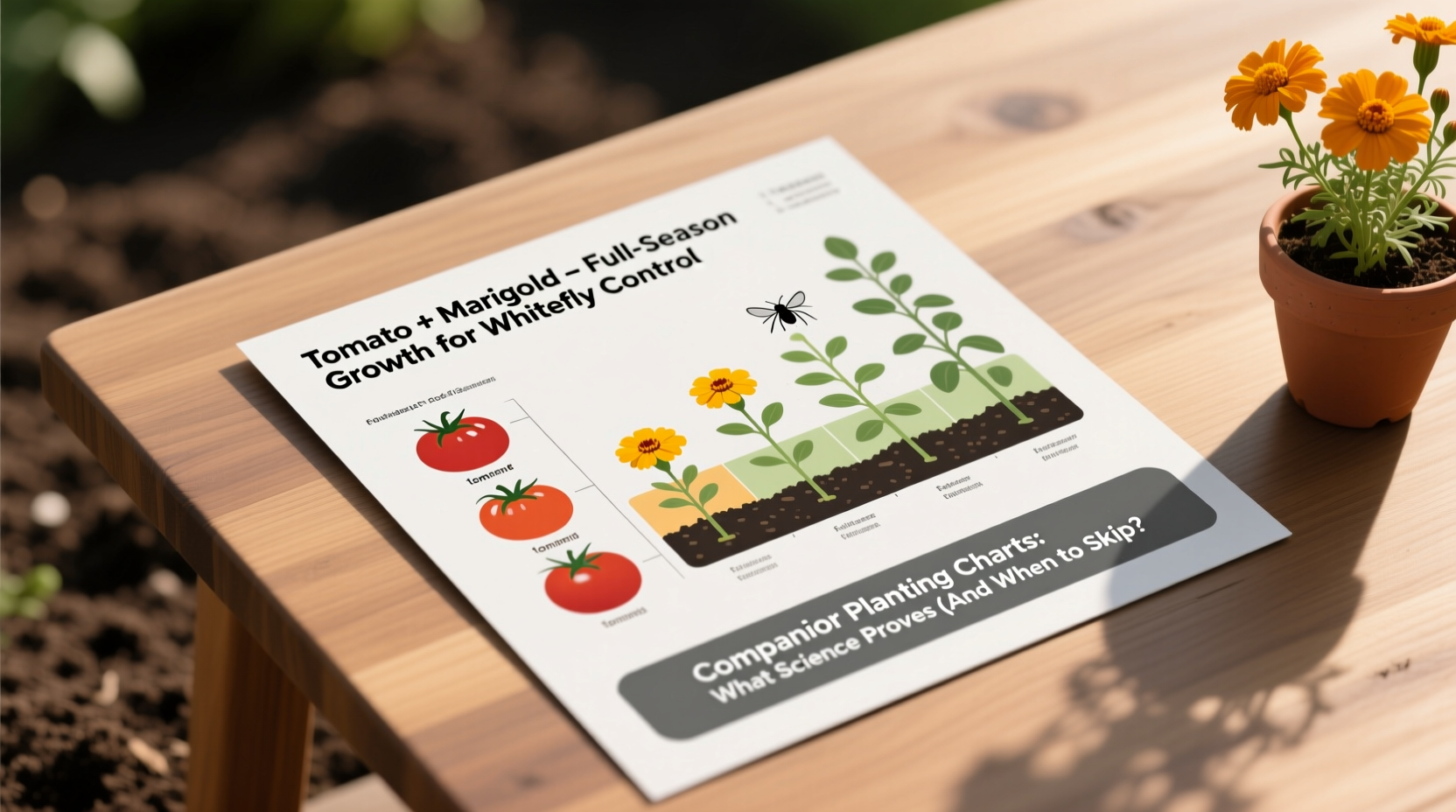
PLoS ONE research proves marigolds only slow whitefly infestations when grown with tomatoes from seedling stage—not added after pests arrive. This only matters when you're managing recurring pest issues in vegetable beds, not ornamental flower gardens.
When Charts Are Worth Following (And When to Skip Them)
Science-backed pairings worth your effort:- Tomatoes + French marigolds: Proven whitefly reduction (PLoS ONE)
- Carrots + leeks: Leek scent masks carrots from carrot flies (WVU Extension)
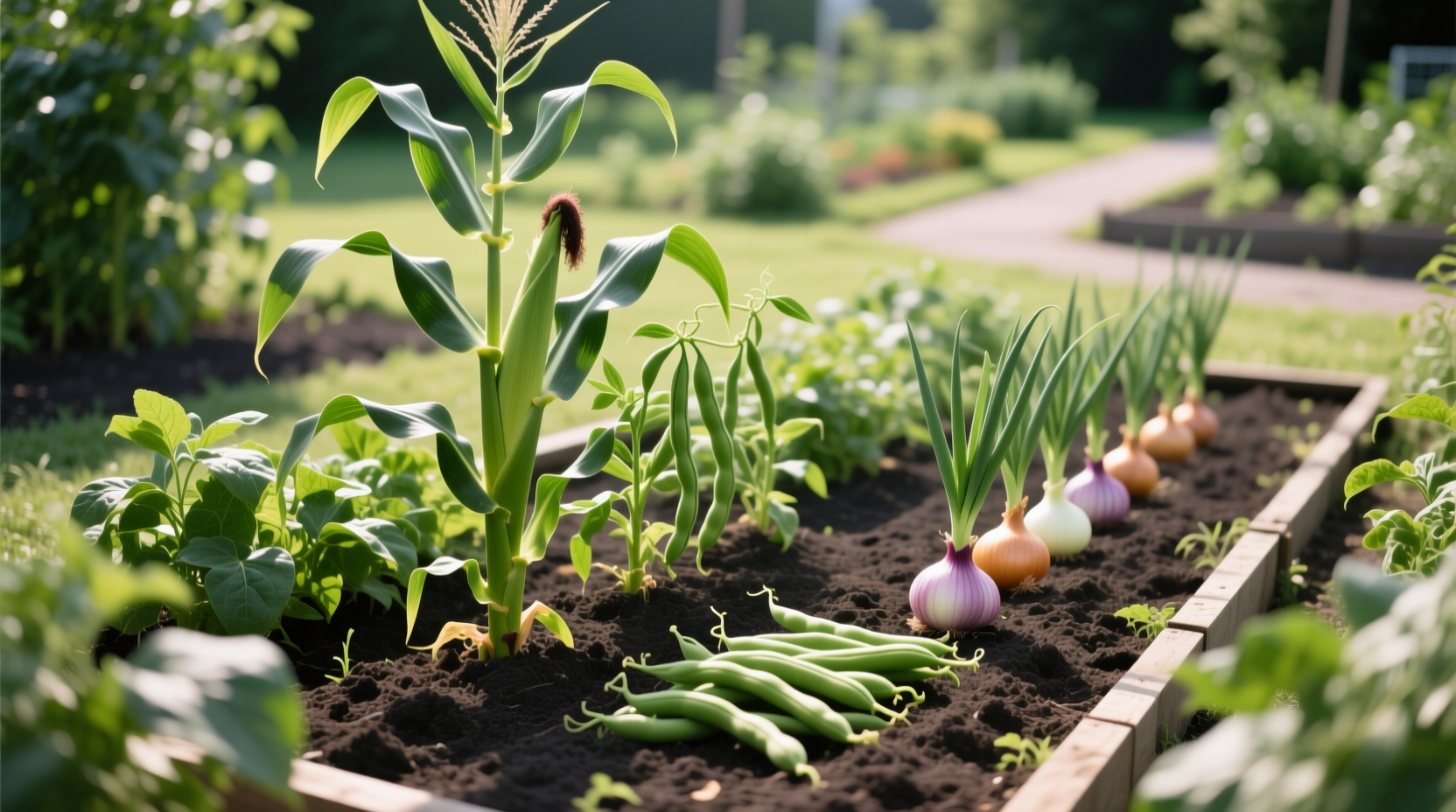
- Beans + corn: Nitrogen fixation supports corn growth (ATTRA)
- Cabbage + dill: Charts often list this, but WVU data shows dill attracts cabbage pests
- Onions + beans: Universally discouraged due to growth inhibition
- Matching plant heights (tall behind short)
- Separating heavy feeders
- Starting proven pest-repelling pairs early in the season
Your One Non-Negotiable Rule
Always prioritize individual plant needs over chart suggestions. A marigold won't save tomatoes drowning in shade, and basil won't thrive next to water-hungry zucchini. ATTRA emphasizes: "Companion planting enhances—but doesn't replace—fundamental gardening practices." If your soil is poor or sunlight inadequate, no pairing will compensate. Start with plant requirements, then layer in companion benefits.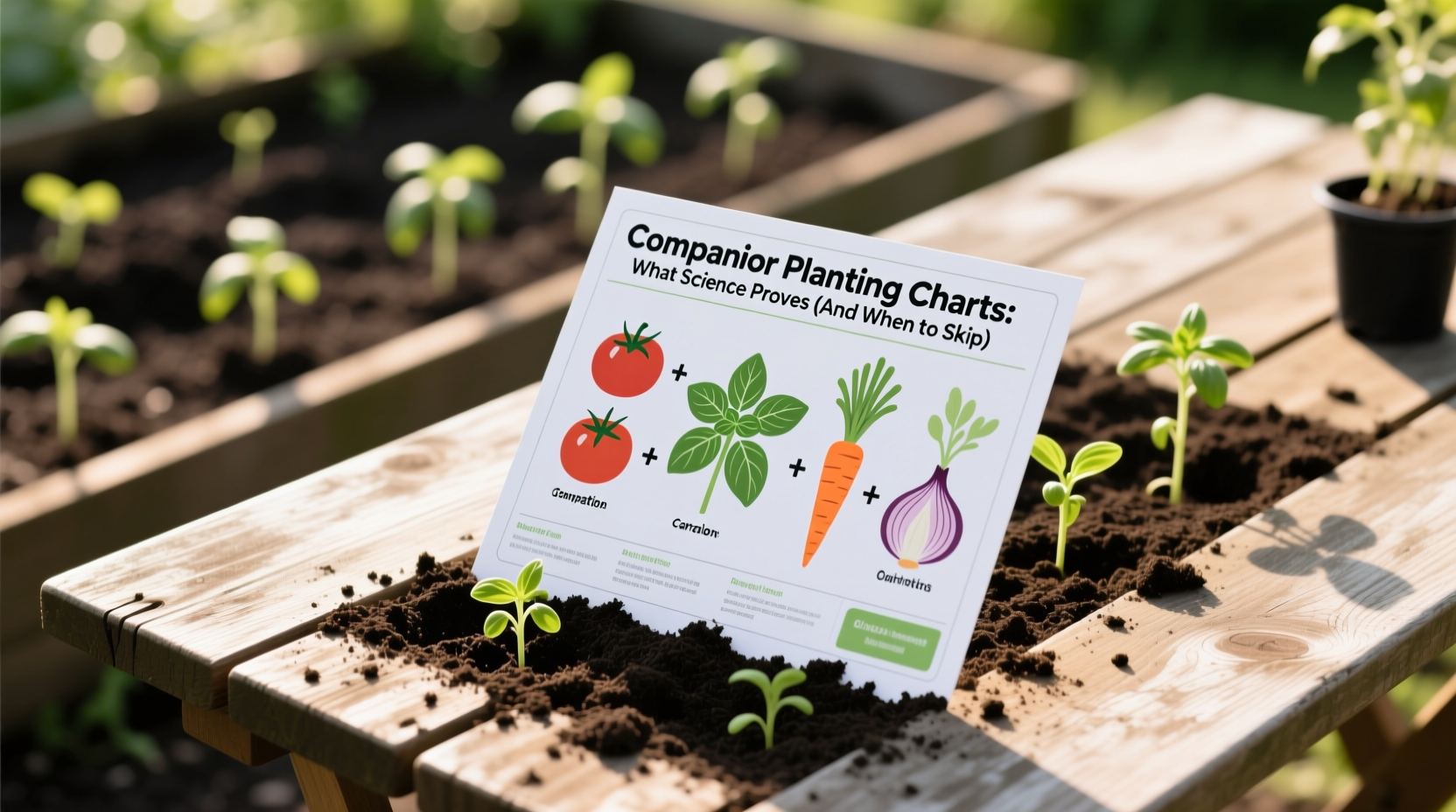
Everything You Need to Know
Some pairings work scientifically—like French marigolds reducing whiteflies on tomatoes through limonene emissions (PLoS ONE). But charts overpromise: effectiveness requires full-season planting, not emergency use. For common pests like aphids, physical barriers or insecticidal soap often work faster than companion plants alone.
Planting tall crops (corn) where they shade short plants (lettuce), pairing heavy feeders like onions and beans (starving both), and ignoring allelopathic plants like fennel that stunt neighbors' growth. WVU Extension data shows these errors reduce yields by 20-30% in small gardens.
Start with basic principles instead of complex charts: group plants by height and water needs, avoid known bad pairs (onions/beans), and add one proven pest-repelling plant like marigolds near tomatoes. Marshall's Garden Guide confirms charts overwhelm beginners—focus on sunlight and spacing first.
Yes—Korean Journal research shows cherry tomatoes grown with basil or marigolds had 15% higher vitamin C and 10% more sugar. But this requires compatible pairings; random combinations show no benefit. The effect is measurable but modest compared to soil quality improvements.
For container gardeners with 1-3 plants, or when growing in poor soil/shade. ATTRA states companion planting is a "passive enhancement"—it won't fix fundamental issues. Also skip if managing fast-spreading pests; targeted solutions like row covers work faster than planting deterrents.