
Companion Planting Facts: What Science Actually Proves
Why Companion Planting Confusion Persists
"Companion planting" became a catch-all term for everything from Native American Three Sisters gardens to pseudoscientific claims about "plant vibrations." As Washington State University horticulturist Linda Chalker-Scott notes, this vagueness muddies the waters—most people assume it's either all valid or all nonsense. The truth lies in specific, research-backed interactions:
- Trap cropping (planting sacrificial crops like collards to lure pests from cabbage) is rigorously documented by USDA-ARS studies
- Nematode suppression requires tilling spent marigolds into soil—not just planting them nearby (Mississippi State University)
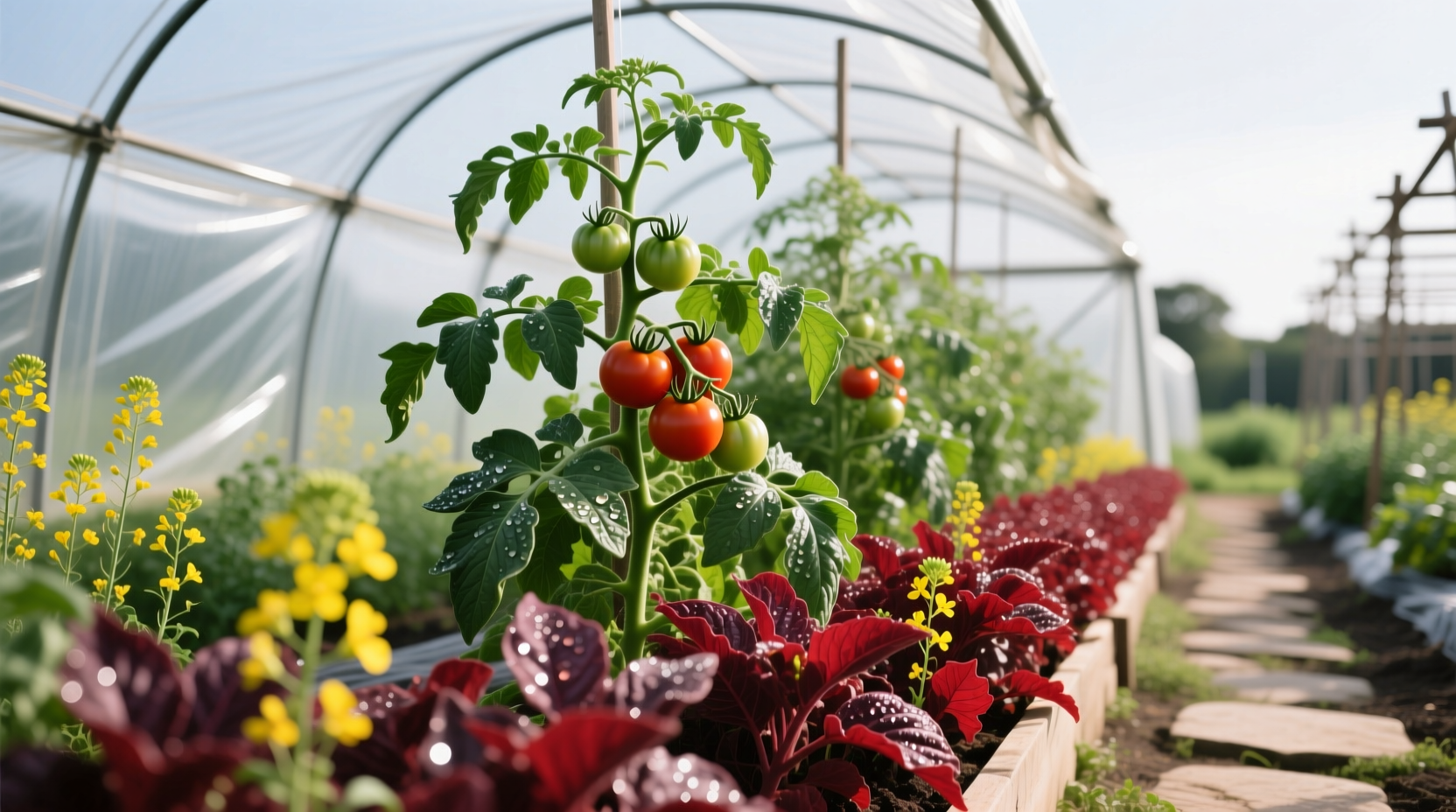
- "Push-pull" systems combine repellent plants (garlic) with attractant refuges (sweet alyssum) for targeted pest control in high tunnels (University of Florida)

3 Critical Mistakes Gardeners Make
1. Treating "Companion Charts" as Universal Rules
Most printable charts list blanket pairings like "beans + potatoes," but this only matters when growing in nematode-infested soil. University of Wisconsin research shows the Three Sisters method (corn/beans/squash) boosts yield by 20% through nitrogen fixation and weed suppression—but only in large plots with proper spacing. In small raised beds? The spatial benefits vanish.
2. Overestimating Marigold's Power
"Marigolds repel pests" is the most persistent myth. PMC research confirms their thiopene compounds kill root-knot nematodes—but only after plants are chopped and incorporated into soil for 2+ seasons. They won't stop aphids on nearby roses. For flying insects, studies show basil-marigold combinations reduce thrips in tomatoes by 40% (Mississippi State), but this requires precise placement within 18 inches.
3. Ignoring Implementation Thresholds
Companion planting demands critical mass to work. ATTRA data shows trap cropping fails if sacrificial plants (like collards) cover less than 10% of the plot. Similarly, West Virginia University notes onions stunt bean growth only when planted within 12 inches—at 3-foot spacing, no effect occurs. Most backyard gardens are too small for these dynamics to activate.
What Actually Works (And When to Skip It)
After reviewing 8 agricultural studies, three strategies consistently deliver results:
- Trap cropping for specific pests: Plant collards around cabbage fields to divert diamondback moths (Mitchell et al., 2000). Only matters for large-scale growers—impractical in small gardens.
- Nematode suppression via marigolds: Requires French/African varieties tilled into soil post-flowering. Worthwhile only if soil tests confirm nematode issues—otherwise, skip.
- "Push-pull" in enclosed spaces: Red giant mustard repels pests while sweet alyssum attracts beneficials in high tunnels (USDA ARS). For casual gardeners, simple crop rotation achieves similar results with less effort.
Most people assume companion planting replaces pesticides, but Illinois Extension data shows it merely reduces chemical needs by 15-30% in optimal conditions. If you grow fewer than 10 tomato plants? Focus on soil health and watering—companion effects will be negligible.

The Only Rule You Need
For 95% of home gardeners: plant diverse crops in sequence, not complex simultaneous pairings. Rotate legumes (beans/peas) into beds after heavy feeders like tomatoes to replenish nitrogen—this delivers 80% of companion benefits with minimal planning. Save intricate schemes for:
- Organic farms battling specific pests (e.g., using collards for diamondback moths)
- Nematode-prone regions (requiring multi-year marigold rotations)
- High tunnel operations implementing "push-pull" systems
For everyone else? A simple crop rotation calendar beats obsessing over mythical plant friendships.
Everything You Need to Know
Marigolds suppress soil nematodes only when tilled into the ground after flowering (not by proximity), per Mississippi State University research. They don't repel flying insects like aphids—this myth confuses soil pests with airborne ones.
Yes. University of Wisconsin studies show corn/beans/squash together increase yield by 20% through nitrogen fixation and weed suppression, while reducing raccoon damage. Benefits require proper spacing—ineffective in small containers.
Only if planted within 12 inches. West Virginia University confirms onions stunt bean growth at close range, but no effect occurs beyond 3 feet. In typical raised beds, this "incompatibility" rarely matters.
Trap cropping (e.g., collards diverting diamondback moths from cabbage) has the strongest evidence per USDA-ARS. For home gardens, sequential crop rotation with legumes delivers comparable benefits with less complexity than simultaneous pairings.