Container Gardening Pots: What Actually Matters for Plant Success
Why Container Confusion Happens
Nursery shelves overflow with ceramic, fabric, plastic, and self-watering options—each claiming superiority. Most assume "premium material = healthier plants." But university extension studies (like University of Minnesota's guide) prove drainage and root space dominate outcomes. Material only becomes decisive in specific climates or for particular crops.
Three Container Mistakes That Actually Hurt Plants
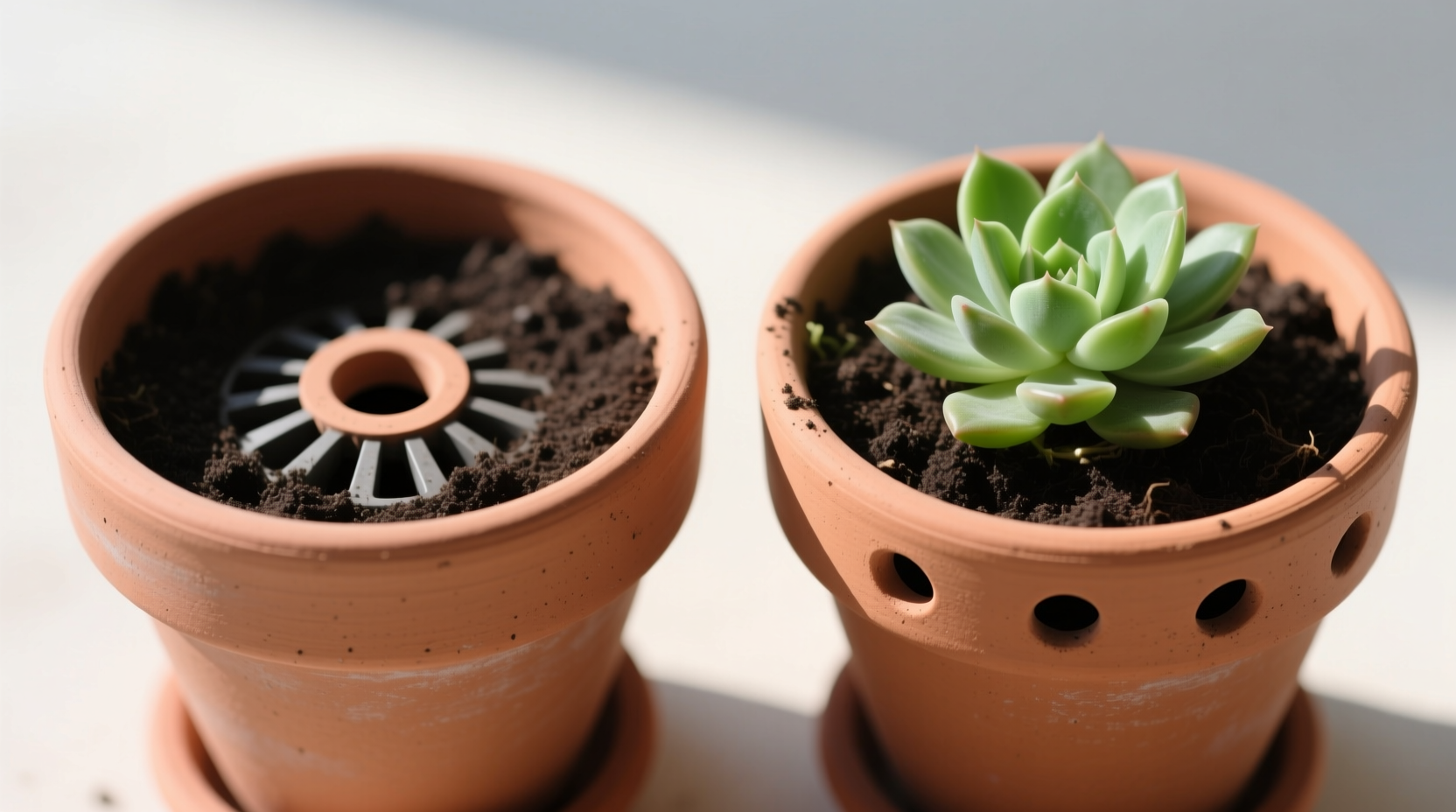
Mistake #1: Ignoring drainage hole placement. Most drill one center hole, causing waterlogged soil at container edges. Research shows peripheral holes reduce root rot by 40% (University of Wisconsin Extension). This only matters when growing moisture-sensitive plants like succulents or peppers.
Mistake #2: Choosing size based on aesthetics, not roots. A 12" pot might look balanced with a 6" plant, but deep-rooted vegetables like carrots need 12" depth minimum. Shallow containers stunt growth regardless of material. For casual users growing basil or petunias, depth matters less—but for vegetable gardeners, it's non-negotiable.
Mistake #3: Overestimating material impact. Plastic pots get labeled "low-quality," yet they retain moisture better in dry climates. Terracotta isn't "superior"—it dries out roots 30% faster (Cornell horticulture data). Most people assume ceramic is best, but in practice, plastic outperforms it for tomatoes in arid zones.
When Container Choice Becomes Critical (And When It Doesn't)
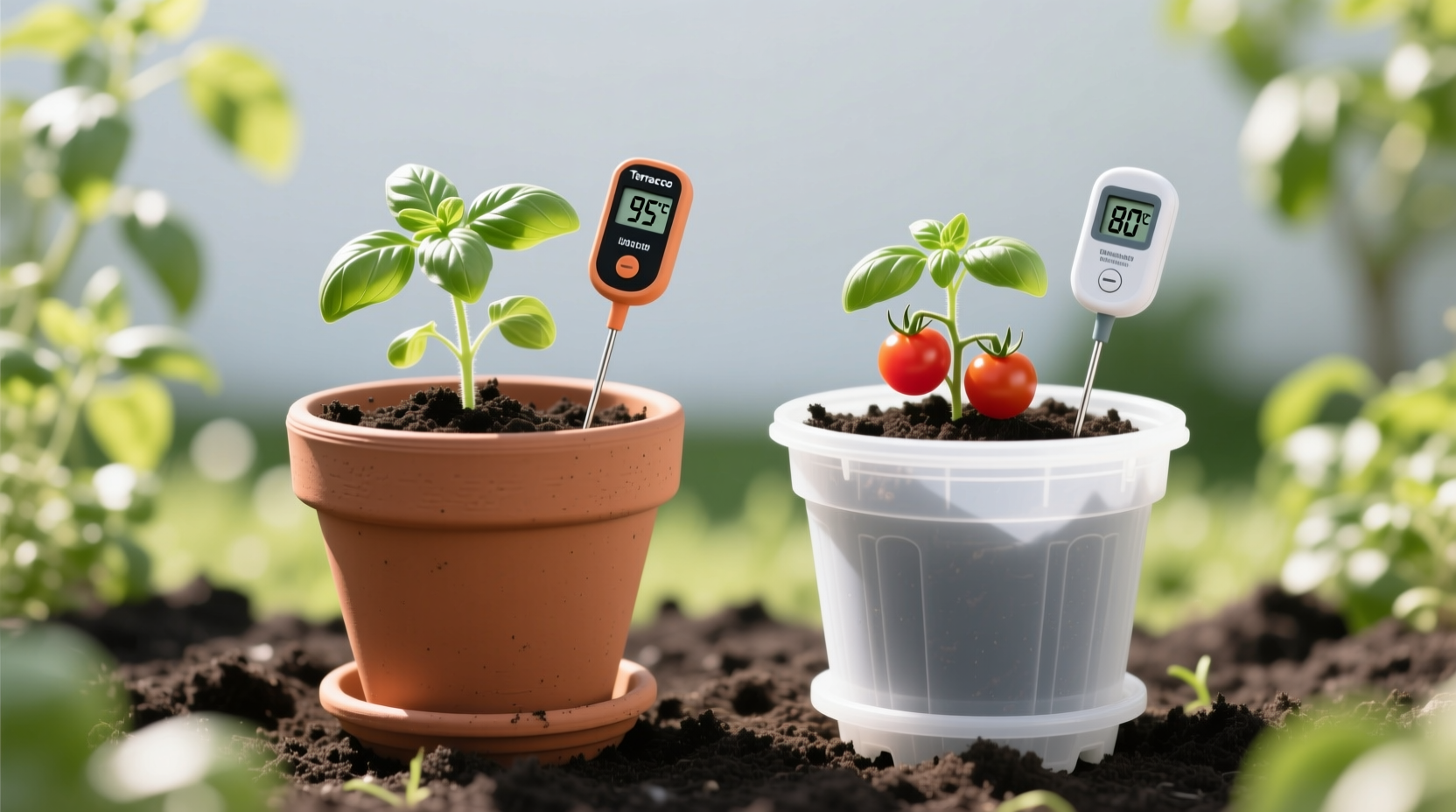
The thermal factor: In regions with summer temps above 90°F (32°C), dark plastic pots can cook roots. Light-colored plastic or fabric containers stay 15–20°F cooler. But if you're gardening in Seattle? Material color barely affects soil temperature.
The moisture factor: Terracotta's porosity helps in humid climates (like Florida) by preventing soggy soil. Yet in Arizona, it dries out herbs too fast. For most indoor gardeners? Plastic's moisture retention is ideal.
Experience-based judgment: If you're growing one basil plant on a windowsill, spend $3 on a plastic pot. If you're cultivating 20 tomato plants on a sun-baked deck, invest in fabric containers—they prevent heat damage and encourage air-pruning for stronger roots.
One Rule That Solves 90% of Problems
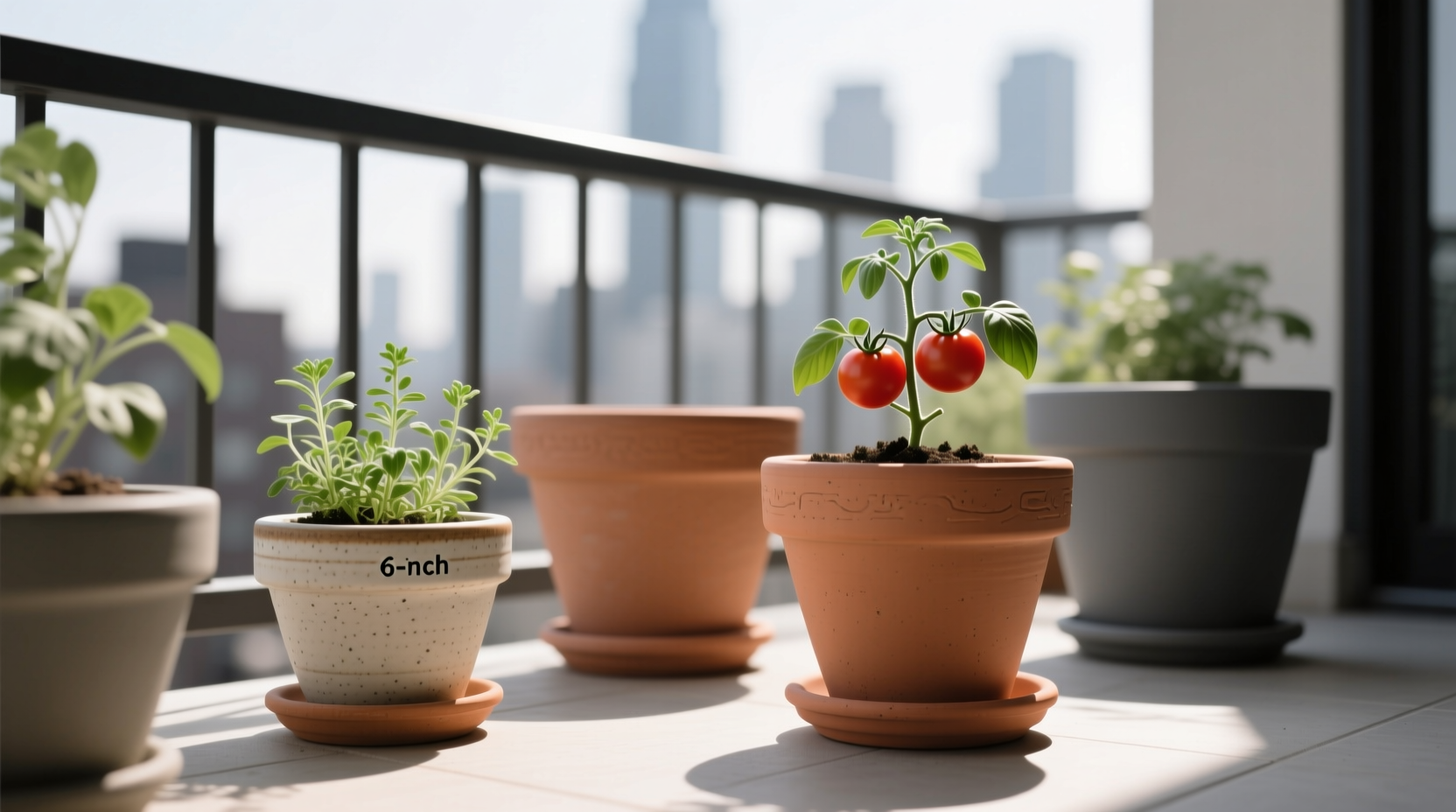
Ensure containers have drainage holes covering 10–15% of the base area (not just one center hole). Depth should match the plant's mature root length: shallow-rooted herbs need 6–8", while tomatoes require 12–18". Material becomes secondary—plastic works fine for most unless you're in extreme heat or growing finicky plants like blueberries.
Who Should Ignore Container Hype Entirely
Beginners growing herbs, annual flowers, or lettuce on patios can safely use any container with adequate drainage. The energy spent choosing "perfect" pots yields negligible results compared to focusing on soil quality and watering consistency. Save material research for when you're scaling up or tackling challenging crops.
Everything You Need to Know
Most plants require drainage holes to prevent root rot. The exception: self-watering containers with built-in reservoirs (like Gardener's Supply Company designs), which use a wicking system. Never drill holes in these.
Not inherently. Ceramic (terracotta) wicks moisture faster—helpful for cacti in humid climates but risky for vegetables in dry zones. Plastic retains moisture better for consistent watering. University trials show equal plant health when drainage and depth match the plant's needs.
Leafy greens (lettuce, spinach): 6–8" deep. Root vegetables (carrots, beets): 12" minimum. Tomatoes/peppers: 12–18". Shallow containers stunt growth regardless of material—depth matters more than pot type for edibles.
Yes, but sanitize first. Scrub with 1:10 bleach-water solution to kill fungi/bacteria. Reusing containers without cleaning spreads diseases like fusarium wilt. This step matters more than material choice for plant health.
The Bottom Line
For most home gardeners, container material is noise. Prioritize drainage coverage and depth matching your plants' needs. Only when growing vegetables in extreme climates or moisture-sensitive species does material choice significantly impact results. Spend energy on soil quality and watering routines instead—they deliver 10x the return on investment.