Container Plants That Survive: USDA Zone-Specific Fixes
Why Container Gardening Isn't Just 'Gardening in Pots'
Containers create artificial ecosystems. Soil dries out 3-5x faster than garden beds, roots overheat in dark pots, and plants can't seek water laterally. This is why most container failures happen within 30 days—not from neglect, but from starting with plants incompatible with your specific conditions.
Most people assume X, but in practice Y: "All petunias work in containers" is dangerously wrong. Standard petunias wilt in afternoon sun without daily watering, while SunPatiens (bred for heat) thrive with half the water (KD Landscape). This only matters when your container gets less than 6 hours of direct sun—otherwise, regular petunias work fine.
The Sun Exposure Trap Everyone Falls Into
"Full sun" on plant tags means 6+ hours of direct sun in moderate climates. But in Phoenix or Fort Worth, that same sun fries plants labeled "full sun" by 10 a.m. (The Balcony Garden). For casual users in hot zones, "partial shade" plants like begonias outperform "full sun" varieties.
For enthusiasts tracking microclimates: measure your actual sun hours with a $5 light meter app. Most urban spaces get either 3 hours of harsh afternoon sun or 6 hours of gentle morning sun—these require completely different plants. This distinction matters most for renters with one balcony.
3 Plants That Actually Work (And When They Won't)
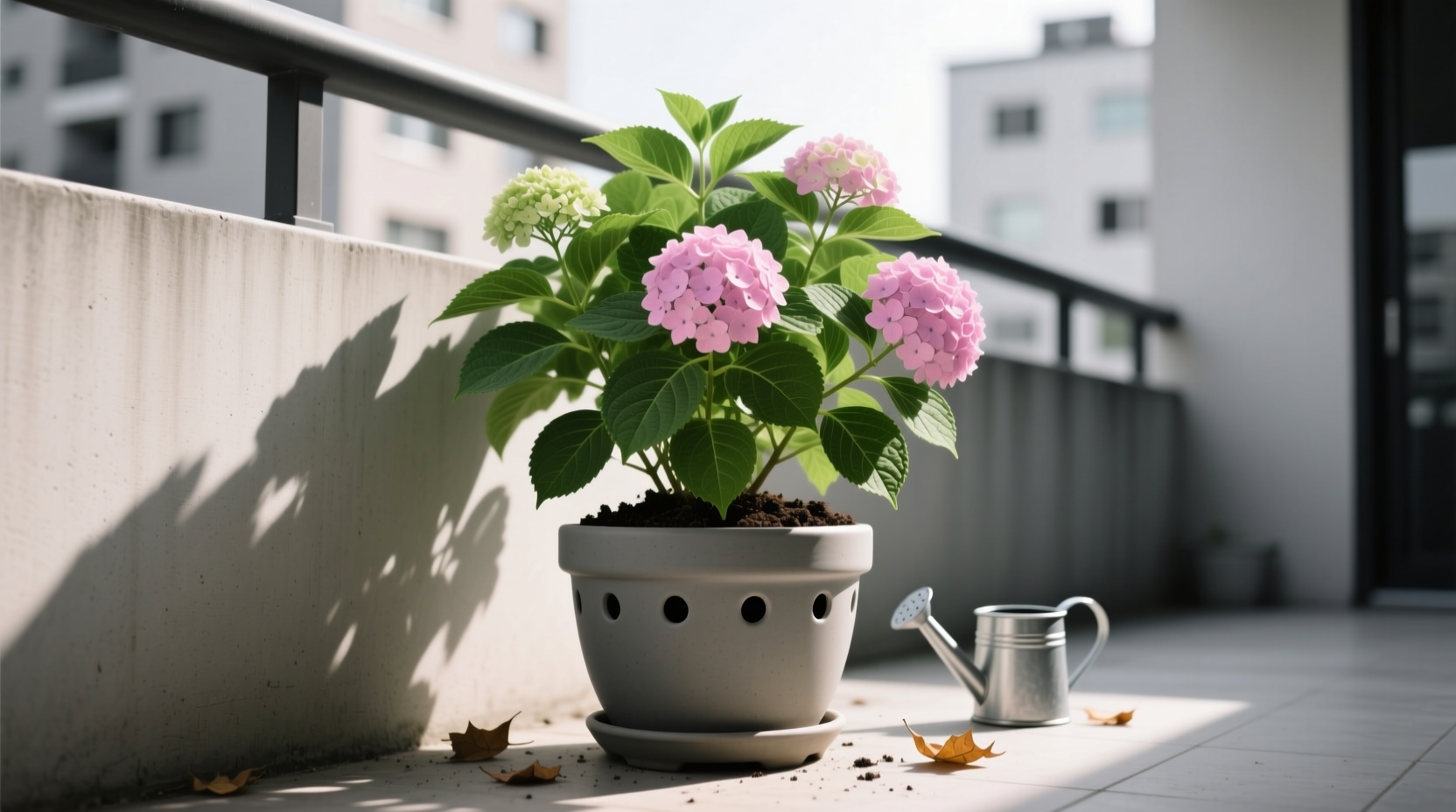
Lavender: The Overhyped "Easy" Plant
When it works: In zones 5-9 with terracotta pots (prevents root rot), full morning sun, and gritty soil.
When it fails: In humid climates (Fort Worth summers) or plastic pots—roots suffocate within weeks. For casual users, skip it; for enthusiasts, grow in raised clay pots with 50% perlite.
This only matters when humidity exceeds 60%. In dry climates like Denver, lavender thrives in basic potting mix.
Dahlias: Not Just for Summer
When it works: Compact varieties (like 'Happy Single Dreams') bloom 100+ days in 12" pots with consistent moisture.
When it fails: As perennials below zone 8—tubers rot if left in pots over winter. Most people assume dahlias are annuals everywhere, but in mild zones, you can overwinter them in containers by cutting stems and storing pots dry.
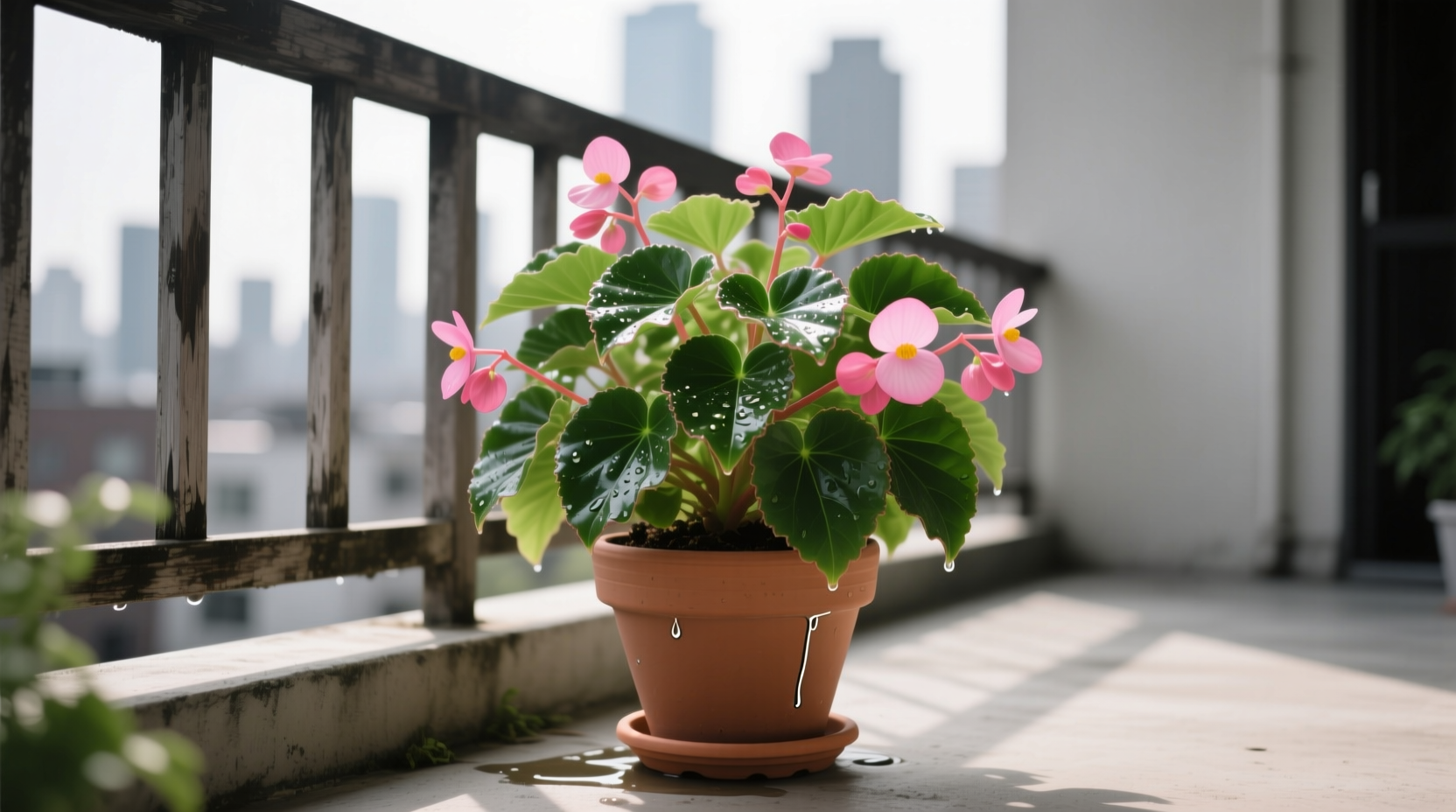
Begonias: The Shade Solution People Ignore
When it works: In any container with 3+ hours of dappled light—they tolerate lower light than impatiens and resist downy mildew.
When it fails: In full sun or waterlogged soil. For casual users, this is the lowest-risk shade plant; for enthusiasts, pair with caladiums for foliage contrast.
The Root Depth Rule Nobody Mentions
Container depth matters more than width for 70% of plants. Tomatoes need 18" deep pots; shallow-rooted herbs like thyme thrive in 6" containers (Garden Design). Most beginners cram deep-rooted plants into decorative pots that look nice but kill roots by midsummer.
If you only remember one thing: match container depth to the plant's natural root spread. Check plant tags for "mature height"—if it's over 24", the roots likely need equal depth. This only matters for vegetables and flowering perennials; annuals like petunias rarely need deep pots.
Everything You Need to Know
Yes, but only shallow-rooted varieties. Tomatoes and peppers need 18" deep pots with daily watering; lettuce and radishes thrive in 8" containers. Root depth—not plant size—determines success. Avoid deep-rooted crops like carrots in standard pots.
90% of summer deaths happen because "full sun" plants get fried in afternoon heat. In zones 7+, move containers to morning sun only. Soil in black pots reaches 140°F—use light-colored containers or double-potting. Water early morning, not at noon.
Yes. Garden soil compacts in pots, suffocating roots. Use bagged "potting mix" (not topsoil) with perlite. For succulents or lavender, add 30% extra perlite. Never reuse last year's soil—it loses nutrients and may harbor fungi.
Only in zones 8+. Below zone 7, most perennials (like lavender) will die unless you bury the pot in the ground or store it in an unheated garage. Hardy plants like sedum or hostas survive in pots if wrapped in burlap.