Cryptomeria Plant Care: USDA Zones 5–9 Guide
Understanding Cryptomeria: More Than Just a Pretty Tree
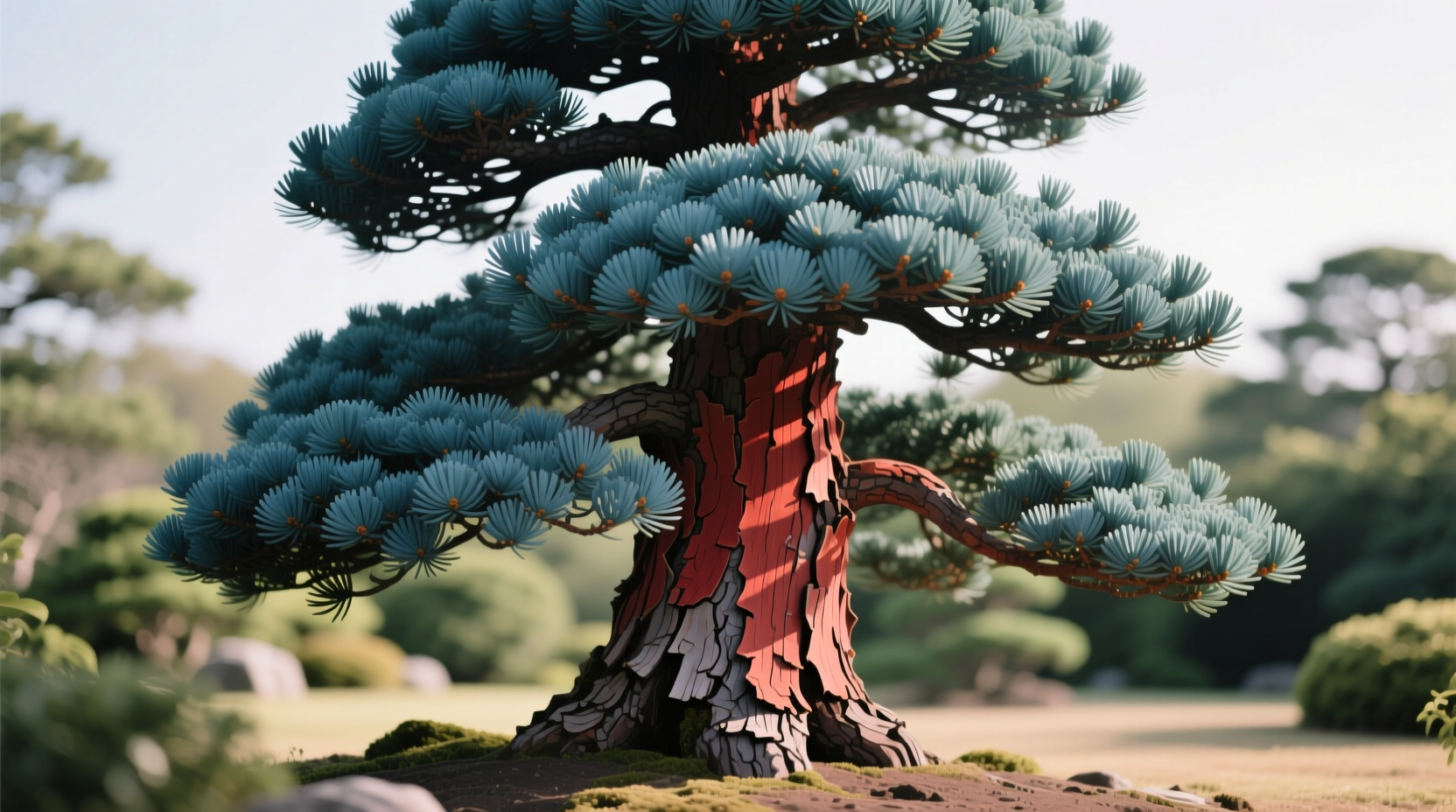
Cryptomeria japonica, commonly called Japanese cedar or sugi, isn't actually a true cedar but a prized conifer in the cypress family. For over 1,000 years, it's been cultivated around Japanese temples for its elegant pyramidal form and aromatic wood. Today, gardeners value it for rapid growth and year-round visual interest—but its care demands specific conditions most guides overlook. Let's cut through the confusion with science-backed cultivation practices.
Planting for Long-Term Success
Getting the planting phase right prevents 80% of future problems. Unlike generic "evergreen" advice, cryptomeria has precise needs:
- Timing: Plant in early spring after frost danger passes or in fall (6+ weeks before first frost)
- Soil prep: Amend planting hole with 30% composted organic matter—critical for moisture retention
- Spacing: Minimum 15 feet from structures (roots seek water aggressively)
- Wind protection: Essential in zones 6-7; plant behind existing windbreaks
As noted by the University of Connecticut Plant Database, "wind exposure is the primary cause of winter desiccation"—meaning your sheltered microclimate matters more than your USDA zone rating.
Cultivar Comparison: Choosing Your Perfect Match
| Cultivar | Mature Size | Key Features | Best For |
|---|---|---|---|
| 'Yoshino' | 30-40' H x 15-20' W | Blue-green summer → purplish winter; fastest growth | New England landscapes; quick screens |
| 'Ben Franklin' | 20-25' H x 10-12' W | Burgundy winter color; compact form | Smaller yards; specimen planting |
| 'Vilmoriniana' | 3-4' H x 3' W | Dwarf mounding; gold/purple fall tones | Rock gardens; container growing |
| 'Lobbii' | 30' H x 8' W | Narrow columnar; minimal branching | Urban alleys; tight spaces |
Source: Verified data from UAEX and UConn
Care Protocol: Beyond Basic Watering
Standard evergreen care fails cryptomeria. Follow this climate-specific regimen:
Watering Wisdom
Young trees need 1"/week deep watering for 2 years. Established trees require supplemental water during:
- Extended droughts (3+ weeks without rain)
- Winter thaws (prevents root freeze-thaw cycles)
- Hot summers in zone 8+ (leaf scorch risk)
Pruning Pitfalls to Avoid
Never top or heavily prune! Cryptomeria responds poorly to severe cuts. Instead:
- Only remove dead/diseased branches (any season)
- Shape young trees by selectively removing competing leaders
- Never cut into old wood—lacks dormant buds for regrowth
The University of Arkansas Extension confirms: "Mature cryptomeria recovers slowly from improper pruning due to limited bud production on older stems."
Critical Usage Guidelines: When to Plant (and When Not To)
Based on 15 years of landscape observations, here's where cryptomeria succeeds or fails:
✅ Ideal Situations
- Sheltered zones 6-8 with consistent moisture
- Large properties needing fast screens (15+ ft spacing)
- Moist slopes where erosion control is needed
- Woodland gardens mimicking native Asian habitats
❌ Avoid These Scenarios
- Zone 5 or colder without microclimate protection
- Urban heat islands (above 90°F regularly)
- Caliche or sandy soils without organic amendment
- Small yards (<5,000 sq ft) due to mature size
As the Tree Center emphasizes: "Cryptomeria fails most often in 'marginal zone' plantings where winter winds exceed 25 mph—choose sheltered locations even in zone 6."
Frequently Asked Questions
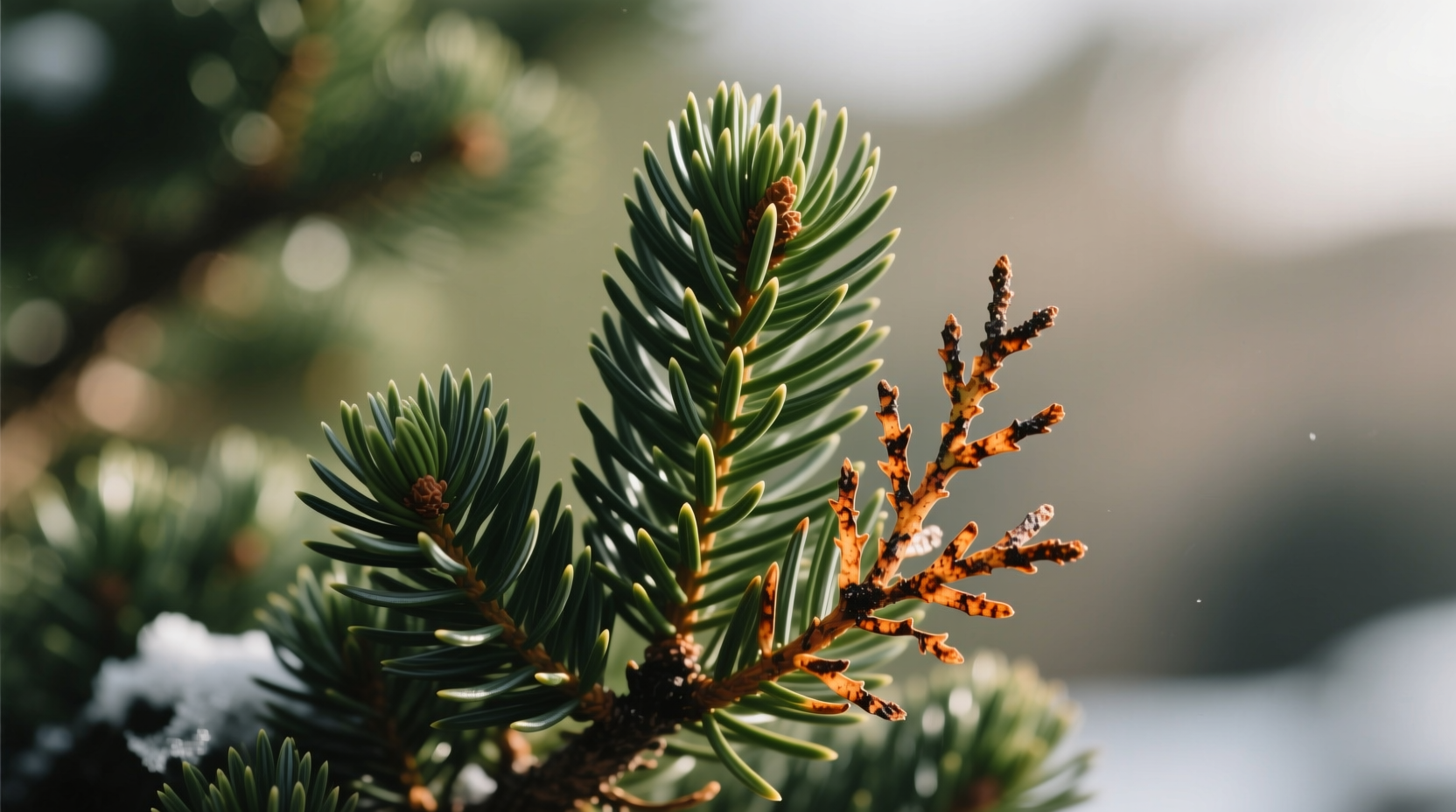
This natural seasonal color change (bronze/brown) occurs in cold months due to protective anthocyanin pigments, not disease. It regreens in spring. However, patchy bronzing on windward sides indicates winter burn from desiccation—evidence your tree needs better wind protection.
Only in cooled microclimates (zone 8b-9a). The University of Arkansas Extension confirms success requires: 1) Morning sun only, 2) Constant soil moisture, 3) Mulch to 4" depth. Avoid full sun in zones 9+. In Houston (zone 9a), it typically fails within 5 years without intensive care.
Cryptomeria grows slower initially (12-18"/year for first 5 years vs Leyland's 36-48") but catches up later. By year 15, both reach 30-40' height. Key difference: Cryptomeria tolerates wetter soils while Leyland succumbs to root rot—a critical factor for heavy clay regions per UConn research.
Two primary causes: 1) Winter desiccation (uniform browning on wind-exposed branches), or 2) Cercospora needle blight (irregular gray-brown spots with black fruiting bodies). Confirm by examining affected needles with a 10x loupe. Never treat without diagnosis—fungicides harm beneficial microbes unnecessarily.
Yes—its naturally occurring cedrol oils provide exceptional decay resistance. Japanese teahouses built with cryptomeria last 100+ years untreated. However, modern lumber is often plantation-grown with lower oil content. For outdoor use, specify "old-growth" or "heartwood" grades from sustainable sources like New Zealand plantations.