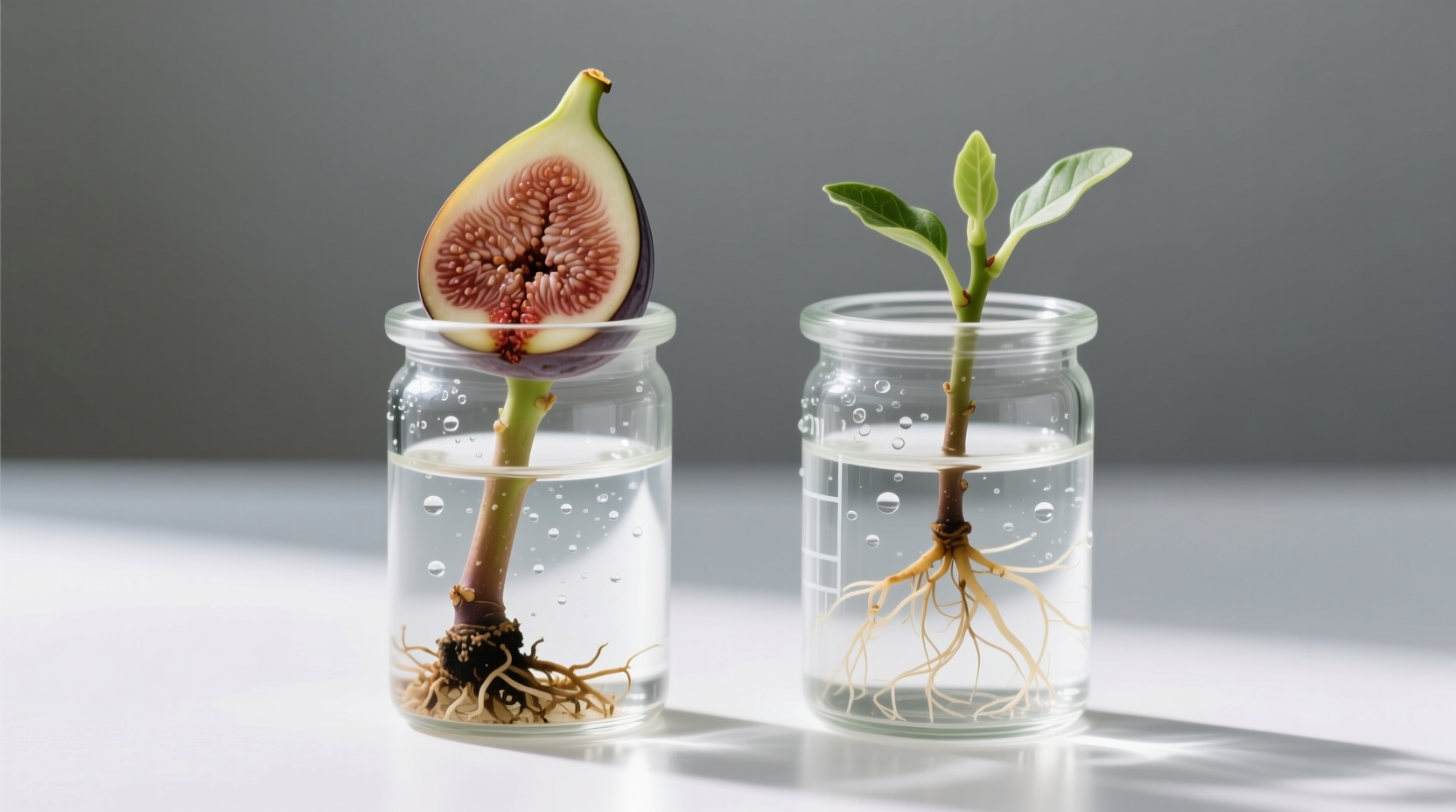
Cutting Propagation: Water vs Soil by USDA Zone
Why Most Cutting Guides Get It Wrong
Beginners often assume propagation is one-size-fits-all because popular social media shows monstera cuttings rooting effortlessly in water jars. But this works only for plants evolved in humid, low-oxygen environments. For hardy garden plants, water submersion creates three hidden problems: bacterial blooms that rot stems, insufficient oxygen for callus formation, and weak roots unprepared for soil transition. University of California extension trials confirm that rose cuttings in water show 70% failure rates versus 85% success in a perlite-sand mix.
When Water Propagation Actually Works (And When It Doesn't)
Use water propagation only if: Your plant has soft, non-woody stems (pothos, philodendron, mint) AND you change the water every 3 days. This method fails for 90% of garden shrubs—even 'easy' plants like lavender or fuchsia. Most people assume willow cuttings root in water like store-bought bouquets, but in practice, they develop fragile roots that collapse when transplanted.
This only matters when you're propagating plants for permanent outdoor growth. Indoor tropicals rarely face transplant shock, making water propagation viable. But for gardeners in USDA zones 5-9, skipping soil-based rooting risks losing cuttings to winter kill—even if roots initially form.
The Timing Mistake That Kills Cuttings
Seasonal timing is the most overlooked factor in propagation guides. Cuttings taken during active growth (late spring) have higher rooting hormones, but summer heat causes rapid moisture loss. Fall cuttings enter dormancy too soon. The sweet spot? Early summer for softwood cuttings (hydrangeas, roses) and late winter for hardwood (grapes, figs). For casual users propagating houseplants, timing matters less—but fruit tree growers must hit this narrow window or face 50%+ failure rates.
If You Remember One Thing
Match the medium to your plant's natural habitat: tropicals = water-friendly; temperate garden plants = soil-dependent. Rooting hormone isn't optional for woody stems—it boosts success by 40% according to Cornell studies—but skip it for mint or basil. And never reuse propagation mix; spent soil harbors pathogens that cause 'damping off' in 60% of failed batches.
Who Should Skip This Entire Process
For enthusiasts growing rare cultivars, precise cutting techniques matter intensely. But if you're propagating common herbs like rosemary or oregano for kitchen use, water propagation works fine despite lower success rates. Commercial growers use misting systems unavailable to home gardeners, making their 'easy' results misleading. Your effort should scale to your goals: casual growers gain little from sterile labs, while orchard planners can't afford water-rooted fruit trees.
Everything You Need to Know
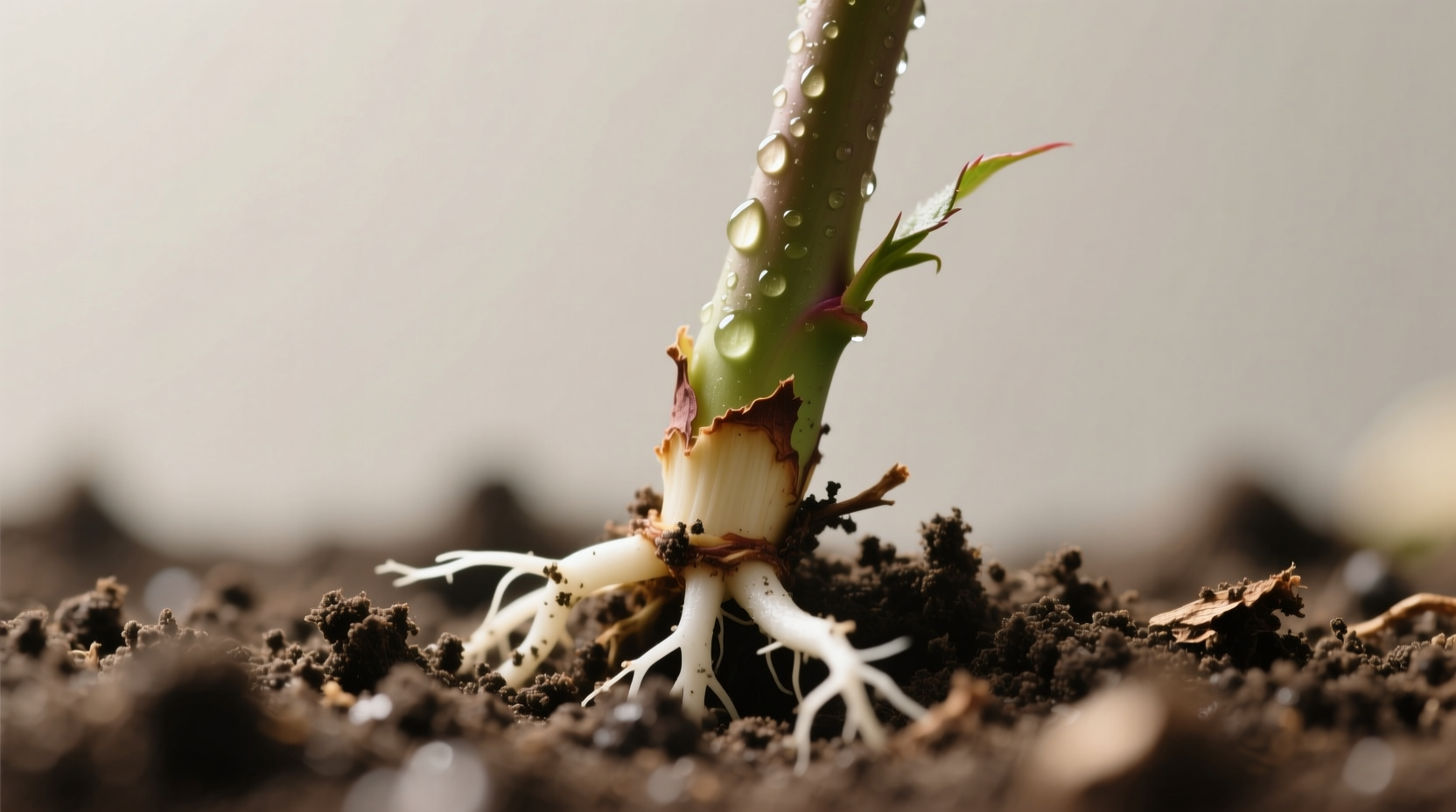
No. Water works only for soft-stemmed tropicals (pothos, mint). Woody plants like roses or fruit trees require soil-based propagation—80% fail in water due to oxygen starvation, per Royal Horticultural Society data.
For casual herb propagation, skip it. But for woody plants (roses, fruit trees), it boosts success by 40% by accelerating callus formation. Cornell University trials show hormone-free fig cuttings have 30% lower survival rates.
Late summer for most temperate plants. Cuttings taken then lack time to harden before winter, causing 50%+ die-off. Early summer (softwood stage) is optimal for roses and hydrangeas; late winter works for grapes and figs.
Absolutely not. Used propagation mix harbors pathogens causing 'damping off'—responsible for 60% of failed batches. Always use fresh perlite-sand mix or sterile seed starting blend.