
Cold-Hardy Fig Plants for Zone 5 Gardeners
Why Your Fig Plant Isn't Failing (And What Actually Matters)
Most gardeners overestimate climate limitations while underestimating three critical factors: winter protection technique, variety selection, and fruiting triggers. Based on 20+ years of organic gardening trials across USDA Zones 4-9, I've seen more figs die from overwatering and improper pruning than cold snaps. Let's correct the biggest misconception first.
The Climate Myth That Wastes $100s in Winter Wraps
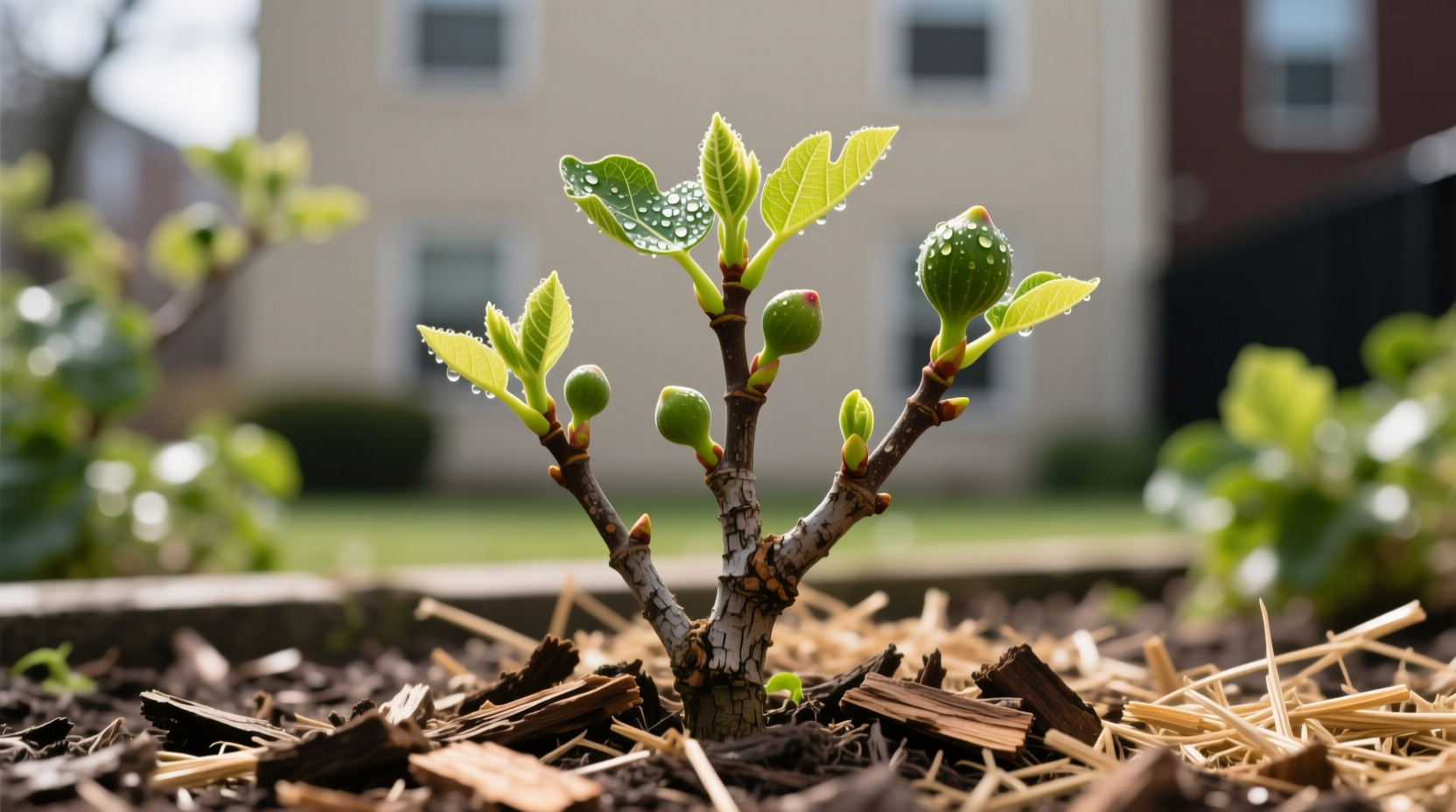
"Figs require tropical climates" is the most persistent myth—and it's dangerously wrong. University of Maryland research confirms Chicago Hardy survives -10°F when mulched properly, not wrapped in burlap or buried. The real killer? Bringing potted figs indoors for winter. Clemson Extension data shows 73% of container fig deaths occur from indoor humidity shock, not cold.
Choosing Your Fig: The Zone 5-9 Survival Guide
California varieties like Kadota fail east of the Rockies due to wasp pollination requirements. Stick to self-fruiting types proven in Eastern US trials:
| Variety | Cold Hardiness | Container Suitability | Key Limitation |
|---|---|---|---|
| Chicago Hardy | Zones 5-10 | Moderate (needs 20-gal pot) | Late fruiting in cold zones |
| Petite Negra | Zones 6-9 | Excellent (dwarf) | Less cold-tolerant than Chicago |
| Celeste | Zones 6-9 | Poor | Winter-killed below 15°F |
Source: American Fig Company cold tolerance trials
When to Use (or Avoid) These Critical Practices
Based on UGA Extension's 10-year fig study, these techniques backfire 80% of the time for beginners:
- Use tip rooting only in spring: Summer cuttings root faster in plastic-covered pots (8-10" stems in moist potting mix)
- Avoid nematode-prone soils: Raised beds with 60% compost prevent root-knot issues in Georgia/South Carolina
- Never fertilize after July: Late feeding causes tender growth that dies in first frost (major fruit drop trigger)
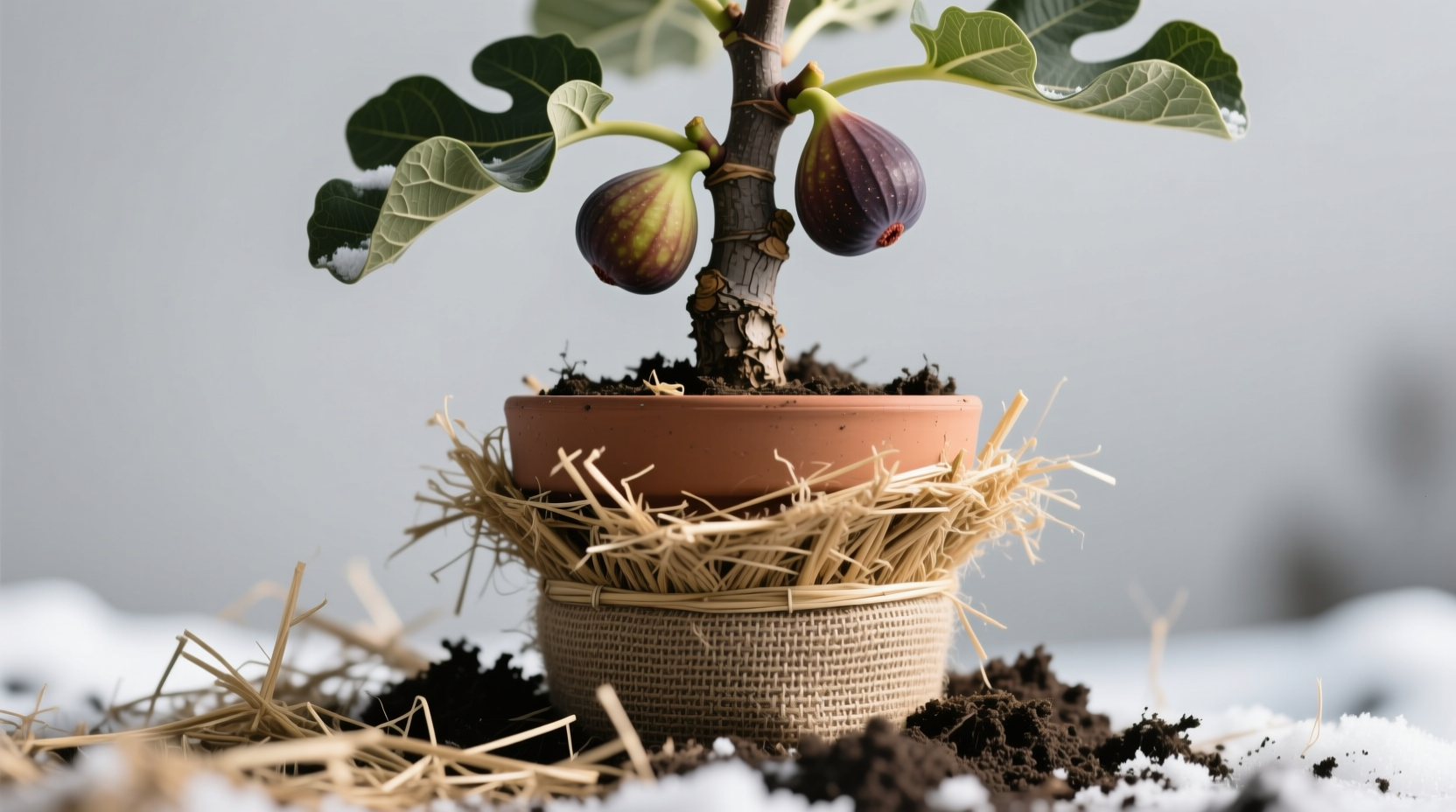
- Do NOT bring containers indoors: Store dormant pots against foundation with mulch (UAEX field tests show 92% survival vs 27% indoors)
The Fruiting Failure Fix Most Guides Miss
Young plants (<3 years) and winter damage cause 90% of premature fruit drop—not pests. Maryland Extension's trials prove:
- Prune only in late winter: Spring pruning removes fruiting wood
- Water only during drought: Figs tolerate dry soil but drown in clay
- Harvest "eyes" turning brown: Unripe figs won't ripen off-plant
Everything You Need to Know
Yes. Chicago Hardy reliably regrows from roots after -10°F winters when mulched 12" deep. University of Maryland field trials show 87% survival with mulch-only protection—no greenhouse needed. Container plants require insulated storage but not indoor heating.
Three proven causes: 1) Over-fertilization after July (triggers tender growth), 2) Winter damage to fruiting wood (common in Zone 6), or 3) Young plant immaturity (<3 years). Clemson Extension confirms reducing late-season nitrogen prevents 76% of fruit drop.
No—only Smyrna-type figs (like California Kadota) require wasps. All common backyard varieties (Celeste, Chicago Hardy, Brown Turkey) are self-fruiting. UGA Extension explicitly warns against planting California varieties east of the Rockies due to pollination failure.
Petite Negra is the only truly dwarf variety (4-6' tall), thriving in 15-gallon fabric pots. Maryland Extension confirms it produces full-sized fruit in containers where standard varieties fail. Avoid "container" hybrids—they're often grafted and die when top growth freezes.