Florida Plant Zones Map: USDA Zones 8a–11a Guide
As an ecological gardener who's designed Florida landscapes for 18 years, I've seen countless gardeners misapply the USDA Plant Hardiness Zone Map. The 2023 update shifted zones northward due to climate change, but here's the reality: your patio's sun exposure matters more than your zone number for most ornamental plants. Only coastal freezes demand precise zone adherence—for 95% of home gardening, plants tolerate a full zone range if you understand local conditions.
Why Florida's Zones Defy Simple Labels
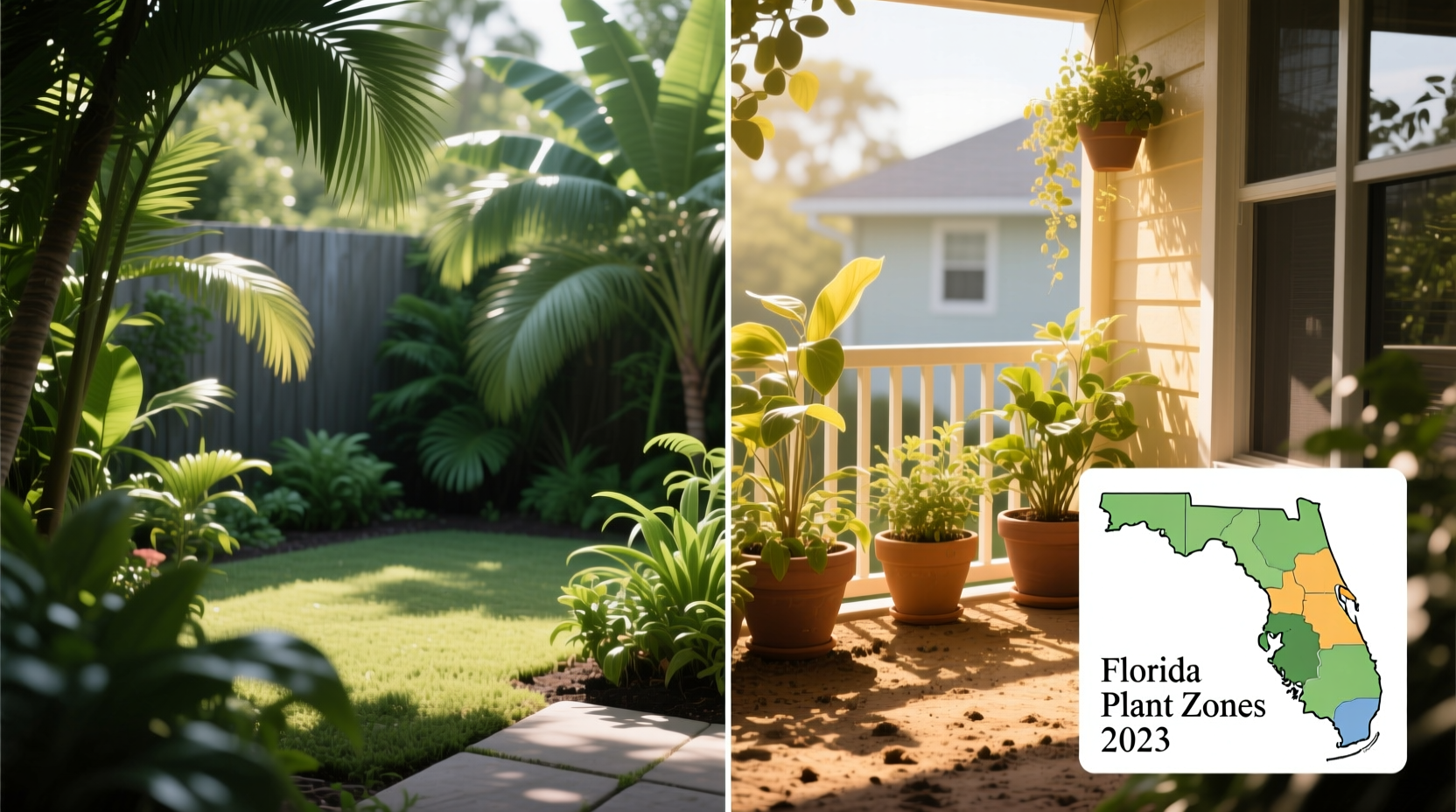
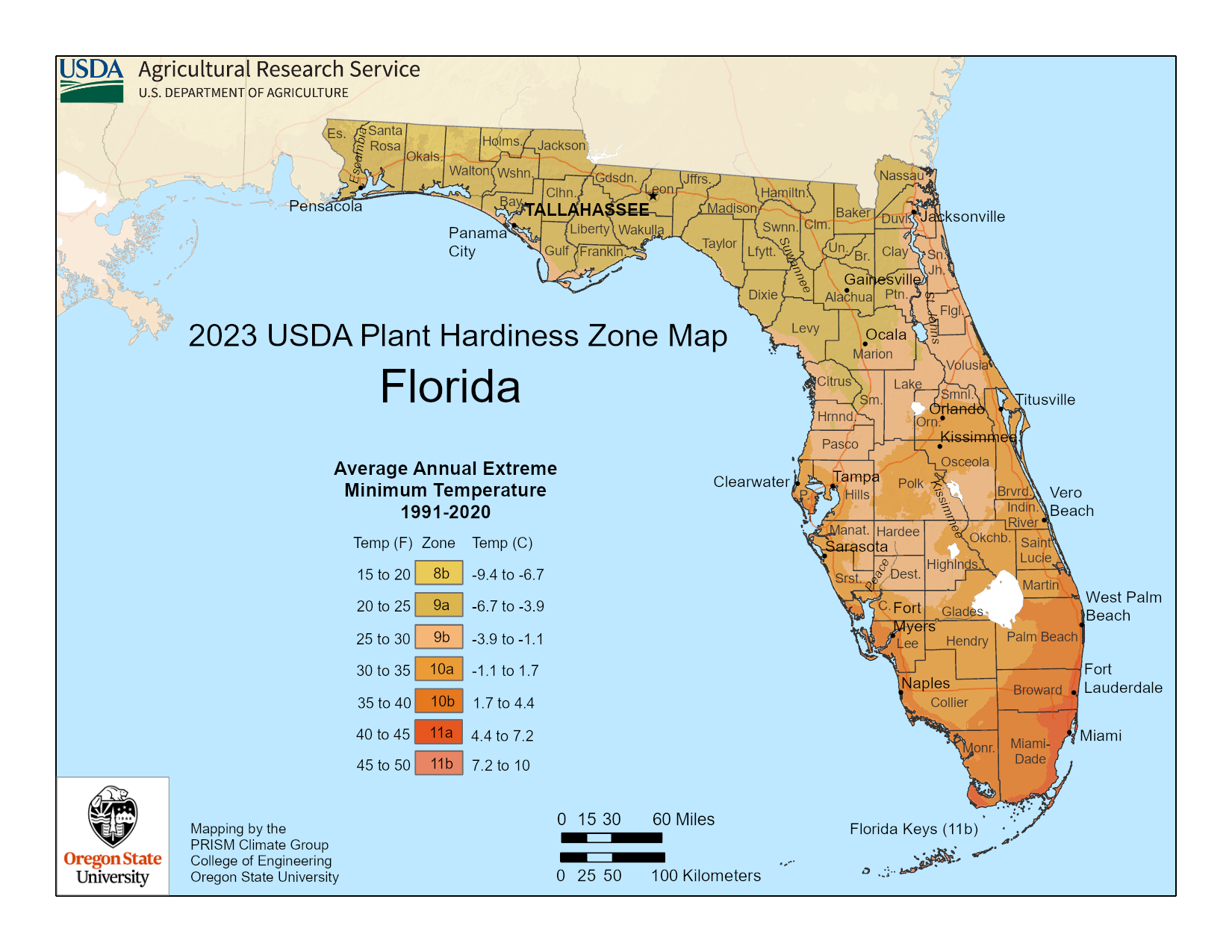
Florida's unique geography creates dramatic microclimates. While the USDA map shows broad zones, your actual growing conditions depend on elevation, proximity to water, and urban development. Coastal areas like Naples (zone 10b) rarely see frost, but inland spots like Orlando (zone 9b) experience damaging freezes every 3-5 years. The official USDA map provides the baseline, but Florida gardeners must layer in these real-world factors:
| USDA Zone | Avg. Min Temp | Florida Examples | Reliable Plants | Critical Limitations |
|---|---|---|---|---|
| 8a | 10°-15°F | Gainesville, Tallahassee | Sweetgum, Oakleaf Hydrangea | Winter protection needed for citrus; rare but devastating freezes |
| 9b | 25°-30°F | Orlando, Tampa | Canna Lilies, Satsuma Orange | Urban gardens survive 20°F; rural areas lose tender plants below 25°F |
| 10b | 35°-40°F | Miami, Fort Lauderdale | Queen Palm, Bougainvillea | Coastal moderation fails during 'blue northers'; avoid zone 11 plants inland |
| 11a | 40°-45°F | Key West, Marathon | Ti Plant, Frangipani | Only viable in extreme south; salt spray limits plant selection |
This Florida-specific guide confirms the state's zones range from 8a to 11a, but emphasizes that microclimates override zone labels daily. A north-facing wall in zone 9b might mimic zone 8a, while a downtown Miami balcony acts like zone 12. Always prioritize these over the map:
- Soil drainage: Sandy soils warm faster but offer less freeze protection
- Proximity to water: Within 1 mile of coast adds 5°F buffer
- Urban density: Concrete radiates heat, raising temps 3-7°F
When to Trust the Map (and When to Ignore It)
The zone map serves one critical purpose: selecting perennial plants that survive winter. But Florida gardeners waste energy obsessing over it for annuals or container plants. Here's my field-tested framework:
Use the Map For
- Choosing foundation plants (e.g., azaleas in zone 8a-10a)
- Planning citrus groves (requires zone 9b+ without protection)
- Understanding regional frost risks for landscape design
Avoid Relying Solely On It For
- Container gardening (move pots indoors during freezes)
- Tropicals like hibiscus (thrive statewide with minimal protection)
- Vegetable planting schedules (daylight and humidity matter more)
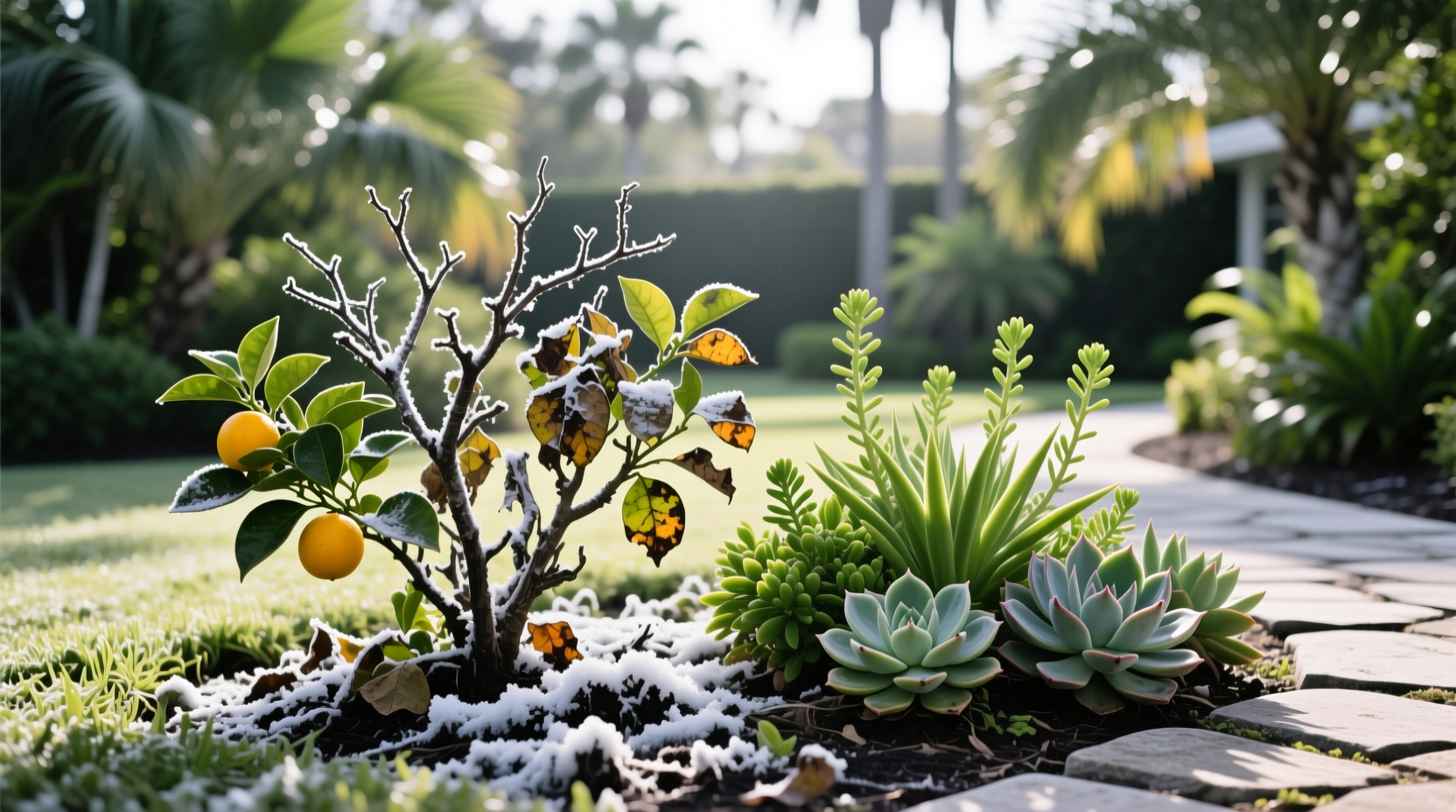
Professional landscapers learned this the hard way during the 2021 freeze. Those who followed the map lost zone 9b plants in Orlando, while gardeners using microclimate awareness saved specimens by covering them during cold snaps. The 2023 USDA map now includes half-zones (A/B), but I've found this precision irrelevant for home gardens—focus instead on your street's freeze history.
Practical Steps for Florida Gardeners
Forget memorizing zones. Follow this workflow:
- Pinpoint your location on the USDA interactive map
- Check local frost dates with your county extension office
- Observe microclimates in your yard for 1 season (note frost pockets)
- Select plants rated for one zone lower than your USDA zone
For example, in zone 9b Tampa: choose zone 8b plants like dwarf magnolia for reliability. The Florida planting guide rightly notes that zone 10 plants often survive in zone 9b with simple frost cloth protection. Skip expensive 'zone-accurate' apps—your neighborhood's oldest oak tree tells you more about freeze tolerance than any map.
Everything You Need to Know
Use the USDA's interactive map at planthardiness.ars.usda.gov. Enter your ZIP code for precision—but verify with local gardeners since urban areas often run 1 zone warmer than the map shows.
Climate change shifted zones northward by half a zone on average. Most Florida areas moved up 0.5 zones (e.g., zone 9a became 9b). This reflects warmer winter averages, but doesn't eliminate freeze risks—the 2021 freeze proved zones don't predict extreme events.
Yes, with microclimate management. In coastal zone 10b areas, hibiscus and plumeria thrive unprotected. Inland, use frost cloth for temperatures below 40°F. The Florida guide confirms zone 11 plants often survive zone 10b winters with minimal protection.
Soil pH and drainage dominate plant success in Florida. Our sandy soils drain too fast for many plants, while alkaline soils (pH 7.5+) lock nutrients. Test your soil first—a zone 11 plant will die in poorly drained zone 10b soil faster than from cold.