
Fungus Gnats: Why Vinegar Fails & What Actually Works
Why Vinegar Traps and Common Fixes Backfire
Most people assume all small indoor flies respond to the same solutions, but fungus gnats (Sciaridae) fundamentally differ from fruit flies. While vinegar lures fruit flies, fungus gnats seek damp soil—not fermented liquids. University of Minnesota Extension data shows vinegar traps catch zero fungus gnats in controlled tests. This mistake wastes critical time during their 3-week lifecycle. Crucially, this only matters when you have potted plants; if gnats cluster near trash cans or fruit bowls, you're dealing with fruit flies instead.
The Two-Step Method That Actually Works
Effective elimination requires simultaneous action on two fronts—no single solution suffices. Here's the industry-standard approach verified by agricultural extensions:
Step 1: Break the Larval Cycle in Soil
Fungus gnat larvae thrive in constantly moist topsoil. For casual users, simply adjusting watering often resolves mild cases: let the top 1–2 inches of soil dry completely between waterings. For enthusiasts with severe infestations or sensitive seedlings, add biological controls:
- Bti products (Mosquito Bits): Sprinkle granules on soil and water. The Bacillus thuringiensis israelensis bacteria specifically kills larvae (per EPA-approved labeling) without harming plants or pets. Repeat weekly for 3 weeks.
- Sand barrier: A 1/8-inch layer of horticultural sand creates a dry surface layer larvae avoid.
Most people assume drying soil alone solves the problem, but in practice larvae survive 2–3 days in dry conditions. Consistent topsoil dryness for 7+ days is essential—this is why the 3-week treatment cycle matters.
Step 2: Trap Adults Before Egg-Laying
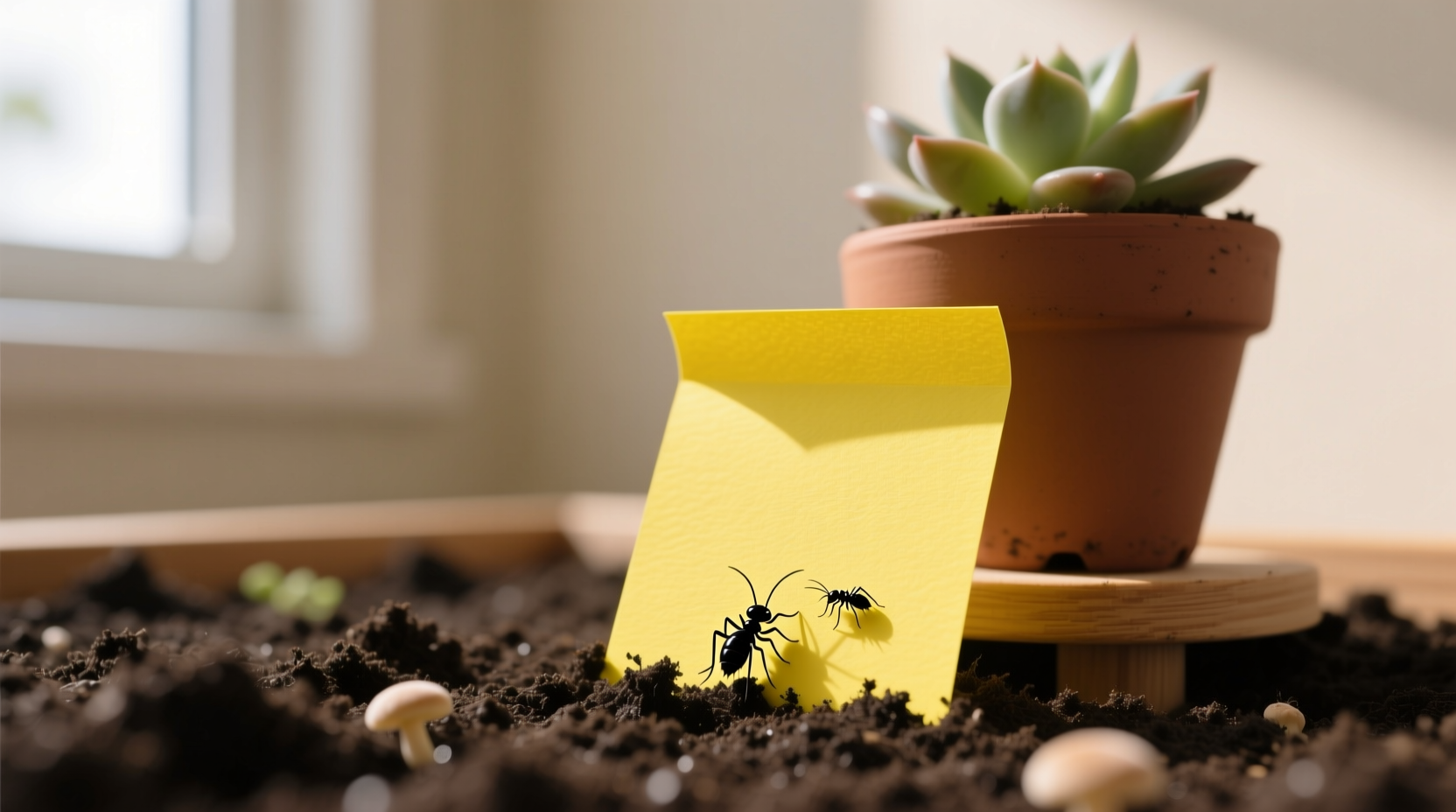
Yellow sticky traps are non-negotiable. Place them horizontally at soil level (not hanging), as fungus gnats fly low. Replace when covered. This step only matters when traps fill within 48 hours, indicating active breeding. For minor sightings, skip traps and focus solely on soil management.
When You Can Safely Ignore Gnats (And When You Can't)
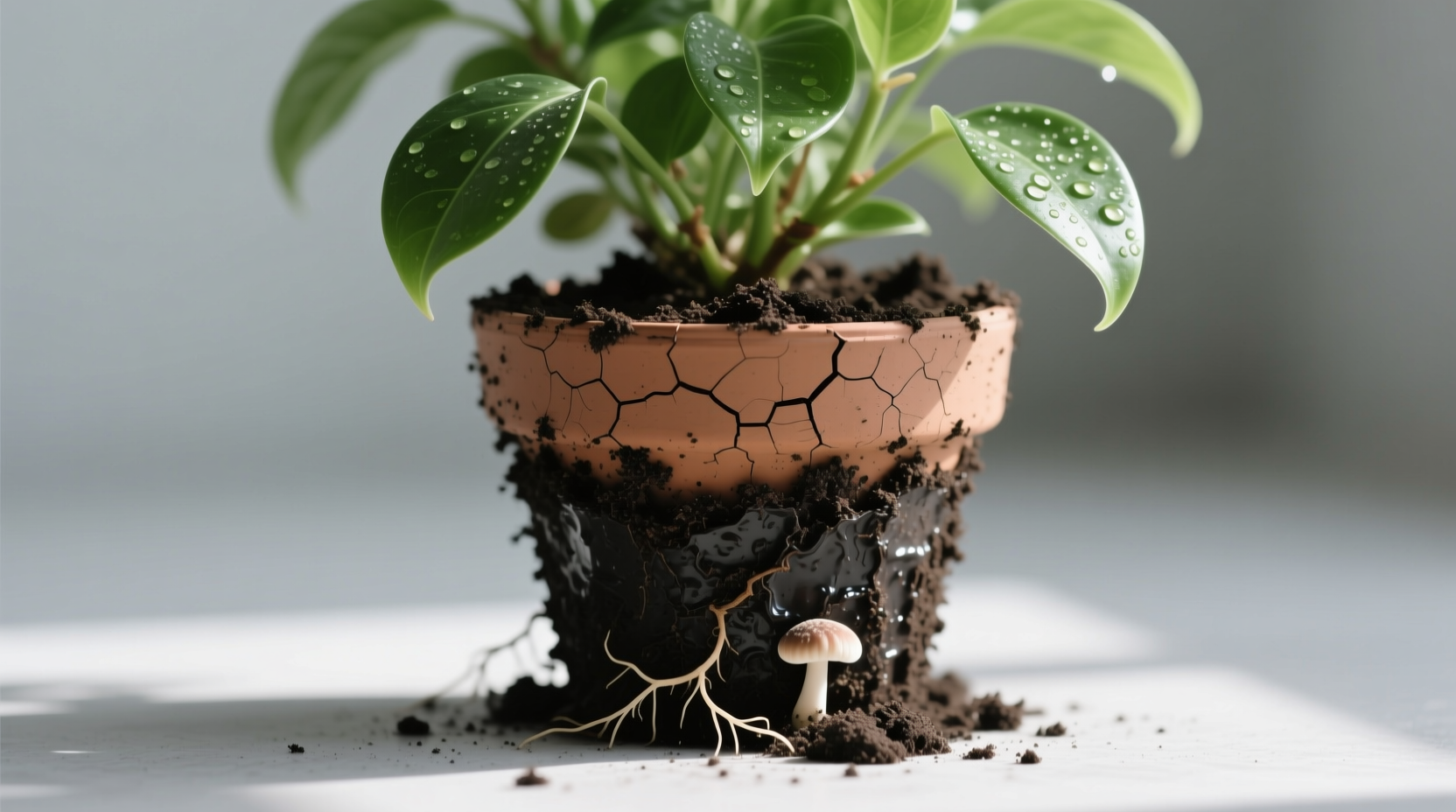
Fungus gnats rarely bite humans or damage mature plants—but their larvae devour tender roots. This only matters when seedlings show stunted growth or yellowing leaves, per Cornell University studies. For established plants, occasional gnats cause negligible harm. However, if you spot larvae (use the potato slice test: place cut potato on soil overnight; larvae gather underneath), immediate action is needed.
Three Costly Mistakes That Make Gnats Worse
- Using diatomaceous earth: Fails because fungus gnats lack the hard exoskeleton it targets (University of Florida research).
- Over-applying cinnamon: Creates dry soil patches but doesn't kill larvae—wastes time during critical infestation windows.
- Only treating adults: Without soil intervention, new adults emerge daily. Most people assume sticky traps alone solve the problem, but in practice they merely reduce visible adults while larvae multiply.
For casual users with 1–2 plants, focus on watering adjustments and traps. For plant collectors, integrate Bti immediately—this distinction saves weeks of recurring infestations.
Everything You Need to Know
Vinegar attracts fruit flies but not fungus gnats, which seek damp soil—not fermented liquids. Agricultural studies confirm zero effectiveness against fungus gnats, wasting critical time during their breeding cycle.
Complete elimination requires 3 weeks minimum—matching their lifecycle. You must consistently dry topsoil AND use sticky traps/Bti for this period. Stopping early guarantees resurgence as new larvae hatch.
Adults are harmless nuisances, but larvae damage roots of seedlings and young plants. Mature plants rarely suffer—this only matters when new growth appears stunted or leaves yellow unexpectedly.
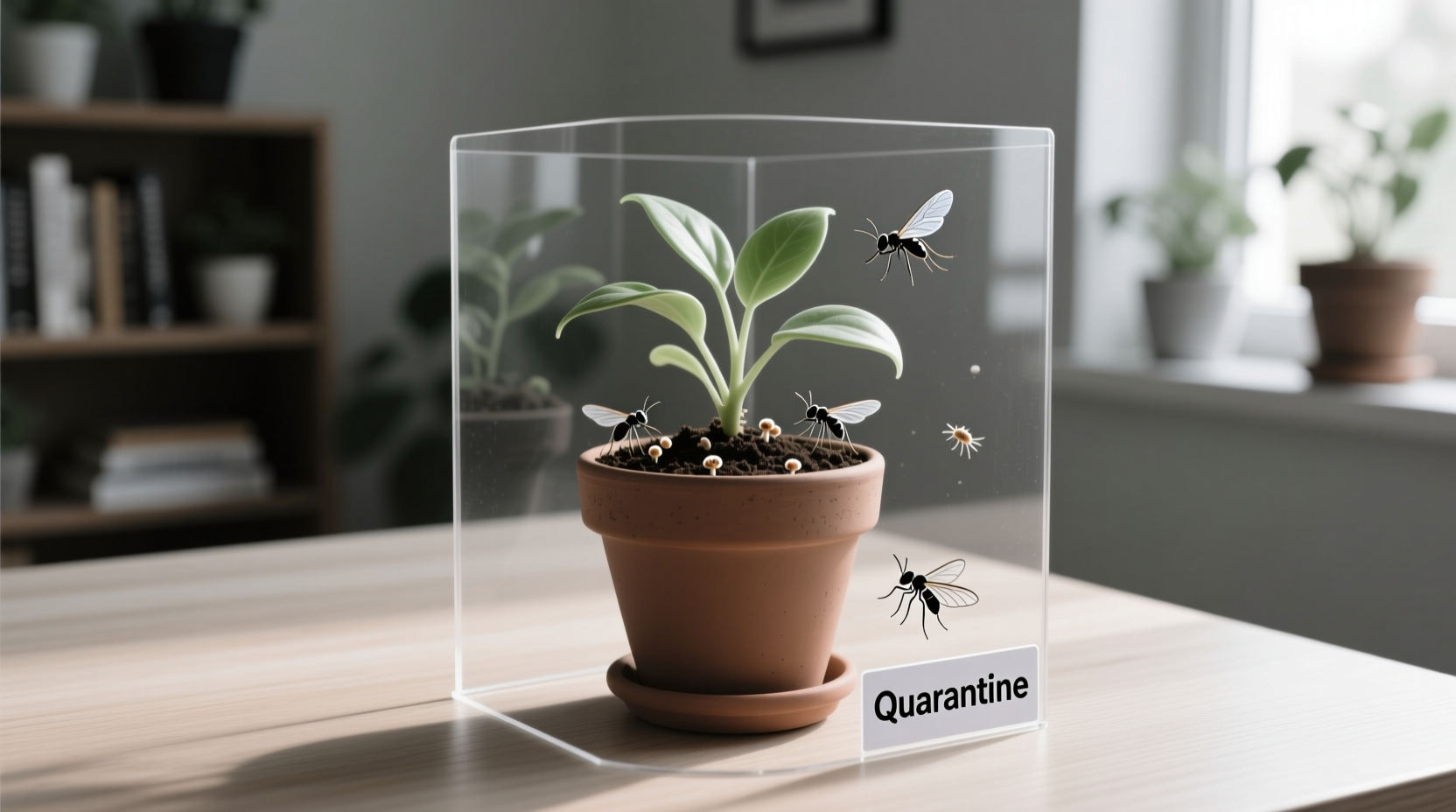
Yes: Use sterile potting mix, let soil dry between waterings, and add a sand layer. For prevention, quarantine new plants 2 weeks—this works for casual users but may require Bti for enthusiasts in humid climates.
No—they only reduce adult populations. Without soil treatment (drying/Bti), larvae continue hatching. Sticky traps alone fail 100% of the time for established infestations, per greenhouse management studies.