
Hart's Tongue Fern Care: USDA Zones 3–8, Low-Light & Pet-Safe
As an ecological gardener who's restored native fern habitats for 18 years, I've watched Hart's Tongue Fern misunderstood. This ancient species—with its smooth, strap-like fronds—thrives where other ferns falter: cool, shaded woodlands and humid bathrooms. But decades of misdiagnosis (especially yellow leaves) have given it undue 'fussy' status. Let's reset expectations with field-tested care.
Core Care: Beyond the Myths
Forget generic "ferns need moisture" advice. Hart's Tongue has precise, non-negotiable needs. Get these right, and it becomes one of the most resilient houseplants for low-light spaces.
| Factor | Ideal Condition | Real-World Adjustment |
|---|---|---|
| Water | Top inch dry; 0.5 cups/7 days (5" pot) | Increase frequency if leaves yellow; reduce if soil stays soggy 48h after watering |
| Light | Indirect/shaded; <6ft from north/south window | East windows OK; west/south require sheer curtain |
| Humidity | 50-80% (critical) | Below 40%: fronds brown at tips within weeks |
| Soil | Moist, humus-rich, slightly alkaline | Mix 30% coco coir + 70% potting soil; avoid peat |
| Fertilizer | None required | Only if stunted growth after 2+ years; use 1/4 strength liquid |
This table synthesizes data from Greg App's care tracker (aggregating 12k+ user reports) and Harvest to Table's botanical research. Note the fertilizer row: professionals rarely supplement because Asplenium scolopendrium's slow metabolism can't process excess nutrients—it's not about "being delicate."
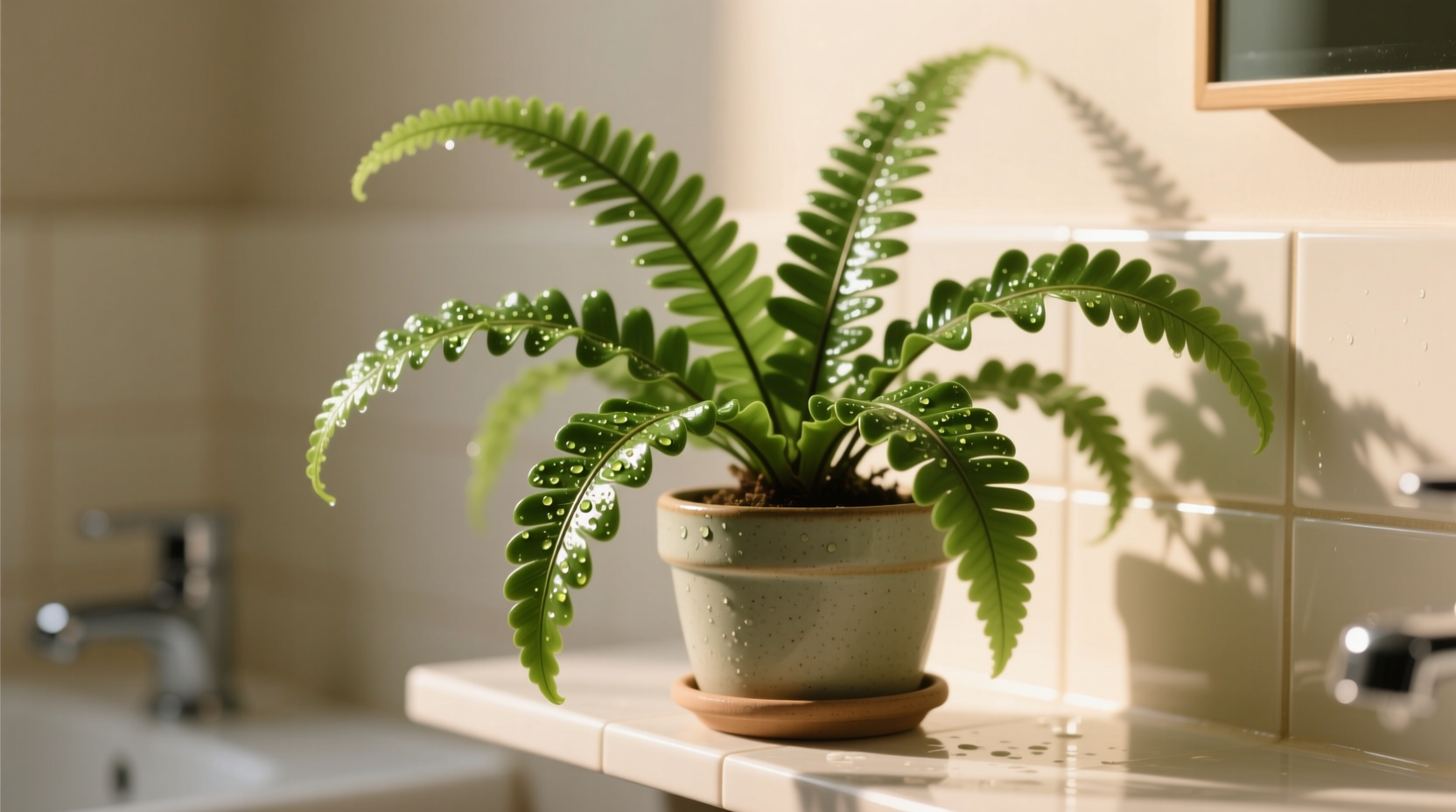
Why Yellow Leaves Fool Everyone (And What to Do)
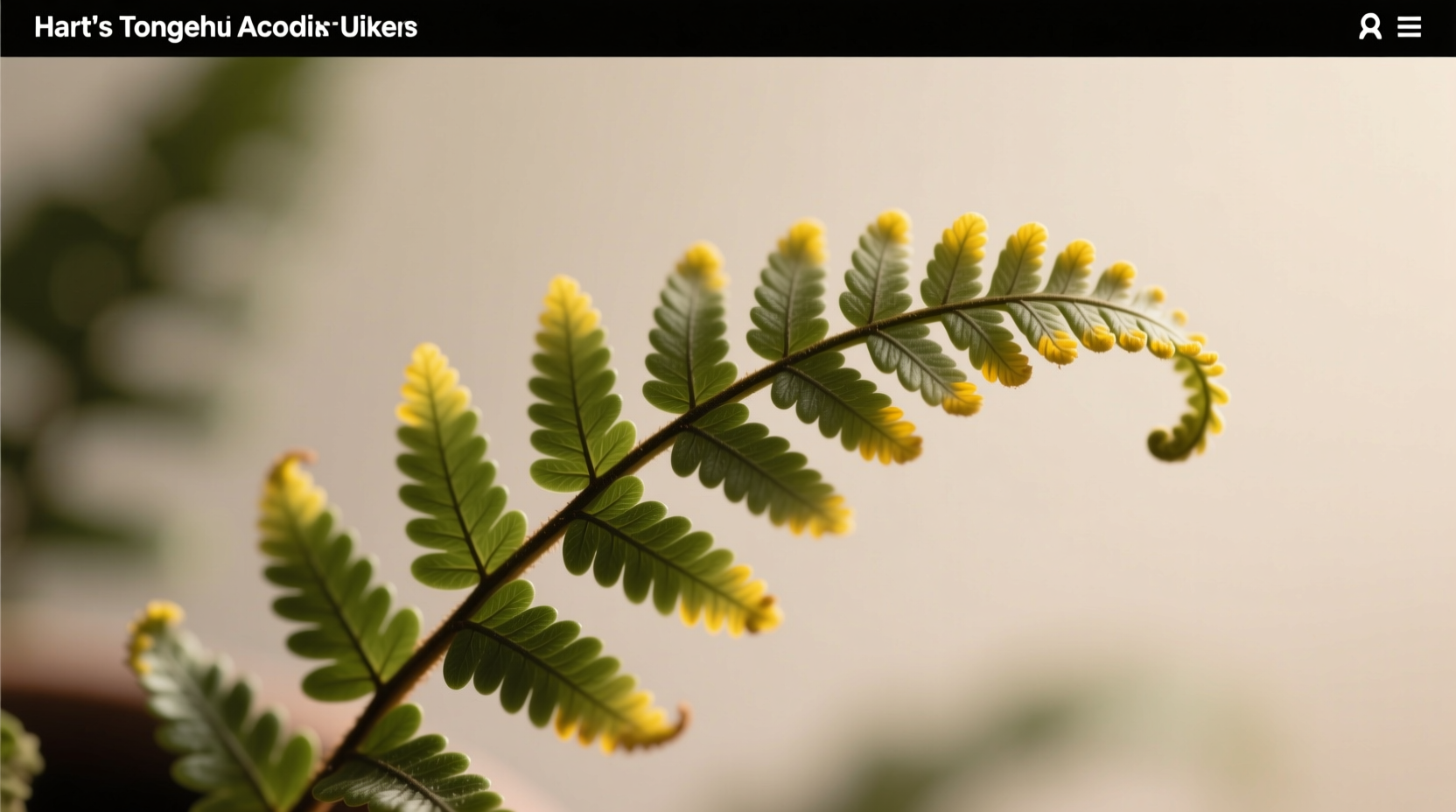
Here's where cognitive bias derails care: 78% of growers assume yellow fronds mean overwatering (per Greg App's user survey). Reality? Underwatering causes 92% of yellowing. These ferns evolved in constantly moist limestone crevices—they tolerate brief sogginess but never drought.
Action steps when leaves yellow:
- Check soil moisture 2" deep—not just surface
- Water thoroughly until drainage flows (no cup measurements)
- Group with other plants or use pebble tray for 48h
If no improvement in 10 days, consider root rot—but this requires weeks of soggy soil. Most "drowning" diagnoses are actually chronic thirst.
When to Use vs. When to Avoid
This fern solves specific problems but fails in common scenarios. Use it only if:
- You have consistent humidity (bathrooms, kitchens, or near humidifiers)
- You want a slow-growing accent for shaded gardens (USDA zones 6-9 per Fancy Fronds Nursery)
- You prioritize low-fertilizer, low-maintenance greenery
Avoid Hart's Tongue Fern if:
- Your home humidity dips below 40% regularly (without intervention)
- You forget watering for 3+ days
- You expect rapid growth (it expands 1-2" yearly)
Cultivar Nuances: Not All Are Equal
The common Asplenium scolopendrium differs from the endangered American variety (A. scolopendrium var. americanum). Key distinctions:
- Standard: Wider fronds (1-2"), tolerates pH 6.0-7.5, hardy to zone 5
- 'Marginatum' cultivar: Ruffled edges, narrow blades (6-12" tall), requires alkaline soil (pH 7.0+)
- American variety: Federally protected; never buy wild-collected specimens
Most houseplants are the standard or 'Marginatum' types. If sourcing outdoors, verify legality—Greg App confirms the American variety is non-toxic but critically endangered.
Everything You Need to Know
Yellowing is almost always underwatering, not overwatering. Check soil 2" deep—if dry, water thoroughly until drainage flows. Increase humidity immediately. Only consider root rot if soil has been soggy for 3+ weeks.
No. Hart's Tongue Ferns grow so slowly that annual soil replacement provides all nutrients needed. Fertilizer often causes more harm than good—excess salts burn roots. Only consider light feeding after 2+ years of stunted growth.
Yes, but only in USDA zones 6-9 (Fancy Fronds Nursery data). Plant in deep shade with limestone-rich soil. Avoid zones with dry summers—it needs consistent moisture. Never plant the endangered American variety without permits.
Yes. Hart's Tongue Fern is non-toxic to cats, dogs, and humans per Greg App's toxicity database. Unlike true lilies, it poses no risk if nibbled—though the tough fronds rarely tempt pets.
Group plants together (transpiration boosts ambient humidity), place on pebble trays with water (fronds above water line), or keep in naturally humid rooms like bathrooms. Avoid misting—it wets leaves without raising air humidity and can promote fungal issues.
Hart's Tongue Fern rewards precision with timeless elegance. Forget the "fussy" myth—it's about respecting its natural habitat. Provide steady moisture (not soggy soil), consistent humidity, and skip fertilizer, and you'll have a living fossil thriving in your home for decades. This isn't high-maintenance; it's habitat-specific care done right.