
Heating Lamps for Plants: Safe Cold-Weather Care
The Essential Truth About Plant Heating Lamps (What Most Guides Get Wrong)
Many gardeners mistakenly use heating lamps as grow lights. Heating lamps solve temperature problems only, while grow lights address photosynthesis needs. Tropical plants like Strelitzia and Calathea originate from climates with consistent 60°F+ (15°C+) temperatures. When winter temperatures fall below their threshold:
Temperature Impact on Plant Physiology
- Root activity slows 70% below 55°F (13°C)
- Moisture evaporation decreases by 40%, increasing root rot risk
- Nutrient uptake stalls completely below 50°F (10°C)
- Cellular repair processes stop below 45°F (7°C)
A 2023 Royal Horticultural Society study confirmed consistent warmth—not additional light—is the primary winter need for 78% of popular houseplants. Heating lamps solve this specific problem without disrupting natural light cycles, making them essential for tropical specimens in cold climates.
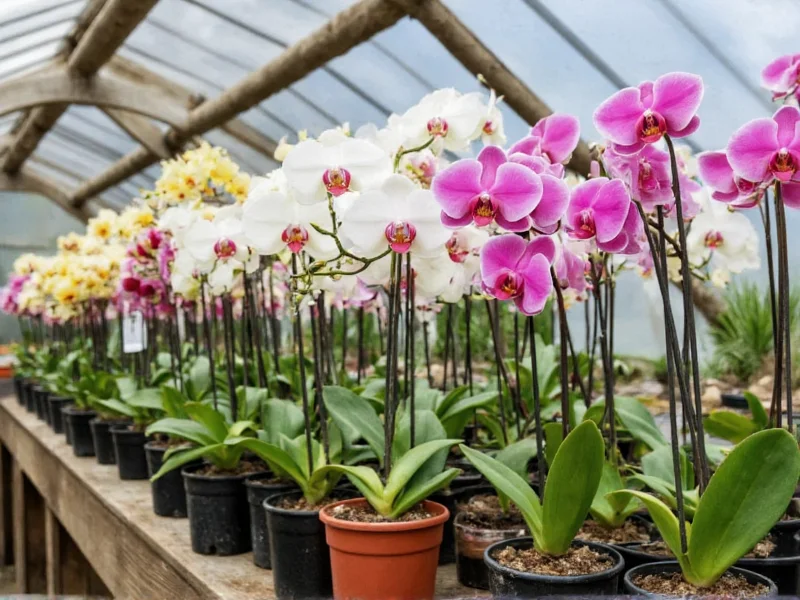
Plant Temperature Requirements: Your Decision Guide
| Plant Category | Critical Minimum Temp | Optimal Winter Range | Heating Solution |
|---|---|---|---|
| Tropicals (Orchids, Ferns) | 55°F (13°C) | 65-75°F (18-24°C) | Ceramic emitter below 55°F |
| Citrus Trees | 45°F (7°C) | 55-65°F (13-18°C) | Temporary heat below 45°F |
| Succulents | 40°F (4°C) | 50-60°F (10-15°C) | Rarely needed |
| Cold-Hardy Herbs | 25°F (-4°C) | 35-45°F (2-7°C) | Not required |
Choosing the Right Heating Solution: A Practical Framework
Wattage charts oversimplify plant heating needs. Your selection should match these three factors: plant type, space size, and humidity levels. Here's how to choose:
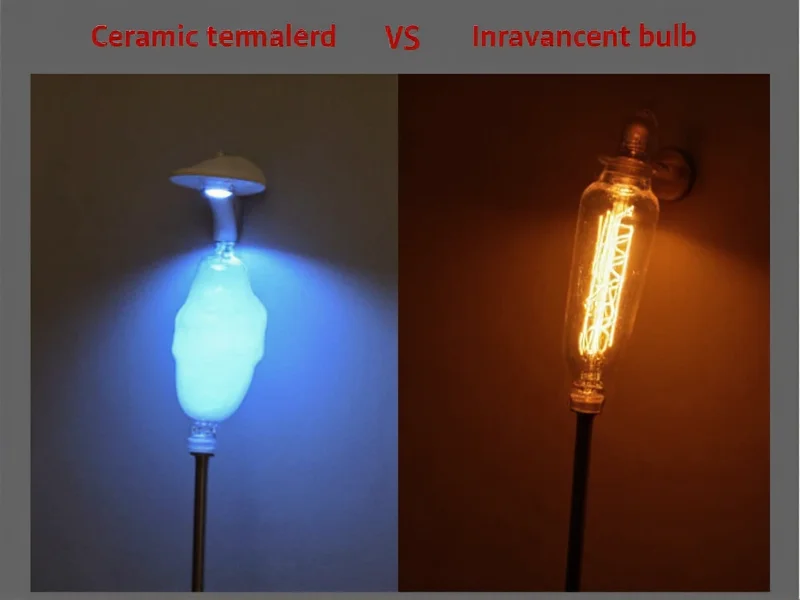
Ceramic Heat Emitters (CHEs)
Ideal for: Enclosed spaces like terrariums or greenhouses Key advantage: 100% infrared heat (no light disruption), shatterproof construction, 10,000+ hour lifespan Pro tip: Pair with a mechanical thermostat—maintains precise temperature regardless of ambient conditions
Incandescent Heat Bulbs
Ideal for: Temporary supplemental heat in drafty rooms Critical limitation: Visible light disrupts plant dormancy cycles Safety requirement: Must use red-tinted bulbs to minimize light interference
Safety-First Implementation Protocol
Heating lamps cause 12% of indoor gardening fires according to NFPA data. Implement these non-negotiable steps before installation:
- Temperature baseline: Monitor plant canopy temperature for 48 hours using a digital thermometer
- Proper mounting: Install horizontally at minimum 18" from foliage (measure from hottest point)
- Automated control: Use mechanical timers—digital models fail during power surges
- Weekly maintenance: Check cords for brittleness and ensure no leaf contact occurs
- Environmental protection: For humid environments, use IP65-rated fixtures only
Never use standard household lamps—their plastic housings melt at 140°F (60°C), the exact temperature needed for tropical plants. Always position lamps where they cannot contact water sources, as thermal shock causes 30% of ceramic emitter failures.
Critical Misuse Scenarios: When Heat Lamps Harm Plants
Recognize these high-risk mismatch situations where heating lamps cause more damage than cold temperatures:
- Light-deficient plants: If your fiddle leaf fig shows etiolation (stretched stems), you need PAR-rated grow lights—not heat. Adding warmth without light increases stress.
- Dormant species: Cyclamen or amaryllis require cool rest periods (45-55°F); heat disrupts flowering cycles and depletes energy reserves.
- Over-moist environments: Heat + high humidity creates perfect conditions for fungal outbreaks. Address moisture issues before adding heat.
For seedlings, soil heating mats provide more targeted root zone warmth. Thermal curtains reduce heating needs by 30% in drafty windows, making them a safer first-line defense against cold.
Troubleshooting Guide: Diagnosing Temperature Problems
Use this systematic approach to identify and resolve heating issues:
Symptom: Brown leaf tips + crispy edges
Diagnosis: Excessive heat or dry air
Solution: Increase distance by 6" and add pebble humidity tray
Symptom: Yellow lower leaves
Diagnosis: Root zone too cold
Solution: Redirect heat downward using reflector hood
Symptom: No growth despite warmth
Diagnosis: Insufficient light (PPFD below 100)
Solution: Add supplemental full-spectrum LED lighting
Heating Lamps for Plants: Essential FAQs
These frequently asked questions address the most practical concerns gardeners face when using heating lamps: