
Best Herb Container Soil: What Actually Matters for Drainage
"Best soil for herbs in containers" ranks among Google's top 10 gardening queries each spring, revealing a widespread confusion: many assume potting soil works straight from the bag. Reality check: standard potting mixes often retain too much water for herbs, causing root rot within days. The critical fix isn't exotic ingredients—it's ensuring 30% of your mix consists of coarse drainage materials like perlite or grit. This matters intensely for Mediterranean herbs (rosemary, thyme, lavender) that demand desert-like conditions, but casual growers of moisture-tolerant herbs like mint or parsley can safely skip additives if using quality potting soil. For most home gardeners, over-engineering soil causes more failures than under-engineering.
Why Garden Soil Fails Container Herbs (Every Time)
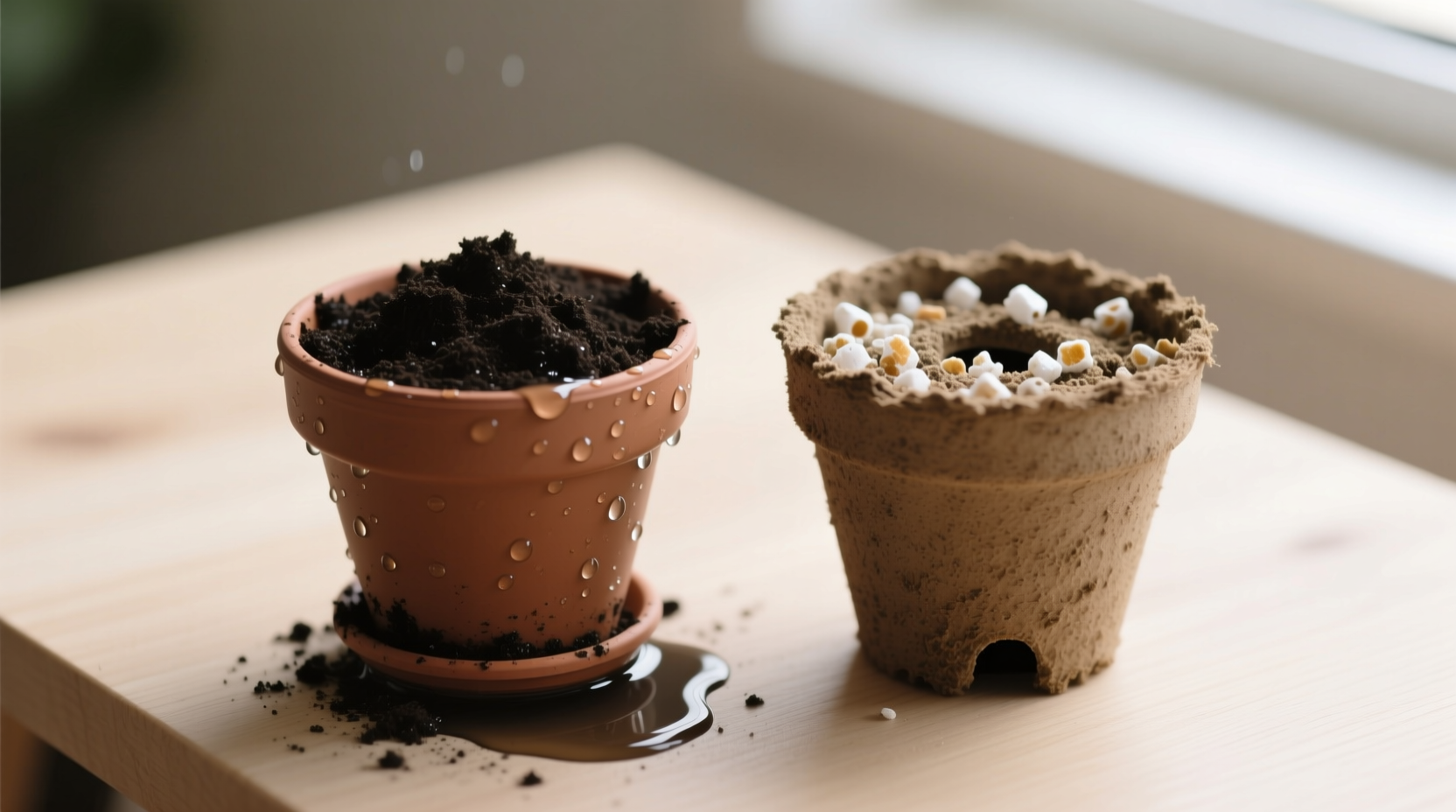
Over 70% of failed container herb attempts start with garden soil—a trap even experienced gardeners fall into. Unlike engineered potting mixes, garden soil compacts in containers, suffocating roots by eliminating air pockets. As ATTRA's organic production guide confirms, roots require 25-50% pore space for oxygen exchange. Garden soil's dense structure traps water, creating a breeding ground for root rot pathogens within 48 hours. This isn't theoretical: commercial herb growers consistently report near-total crop loss when using unamended garden soil.
The Drainage Imperative: When It's Non-Negotiable
"Excellent drainage is essential" isn't gardening jargon—it's a biological requirement. Herbs like rosemary, oregano, and sage evolved in rocky, arid soils where roots dry quickly. As Garden Tech's research shows, saturated roots begin dying within 72 hours, making drainage the single biggest factor in survival. Most people assume "well-draining" means adding sand, but fine sand actually worsens compaction. The proven solution: 30% perlite or horticultural grit by volume. This only matters when growing drought-tolerant herbs; for basil or cilantro (which tolerate moisture), standard potting soil suffices if containers have drainage holes.
Building Your Mix: 3 Non-Negotiables
1. Skip the "organic" hype unless you're certified. Home growers often waste money on "organic" potting mixes. ATTRA clarifies that synthetic wetting agents and fertilizers are the only prohibited ingredients for home use—not the compost base. Save premium organic mixes for edible crops if you're pursuing certification.
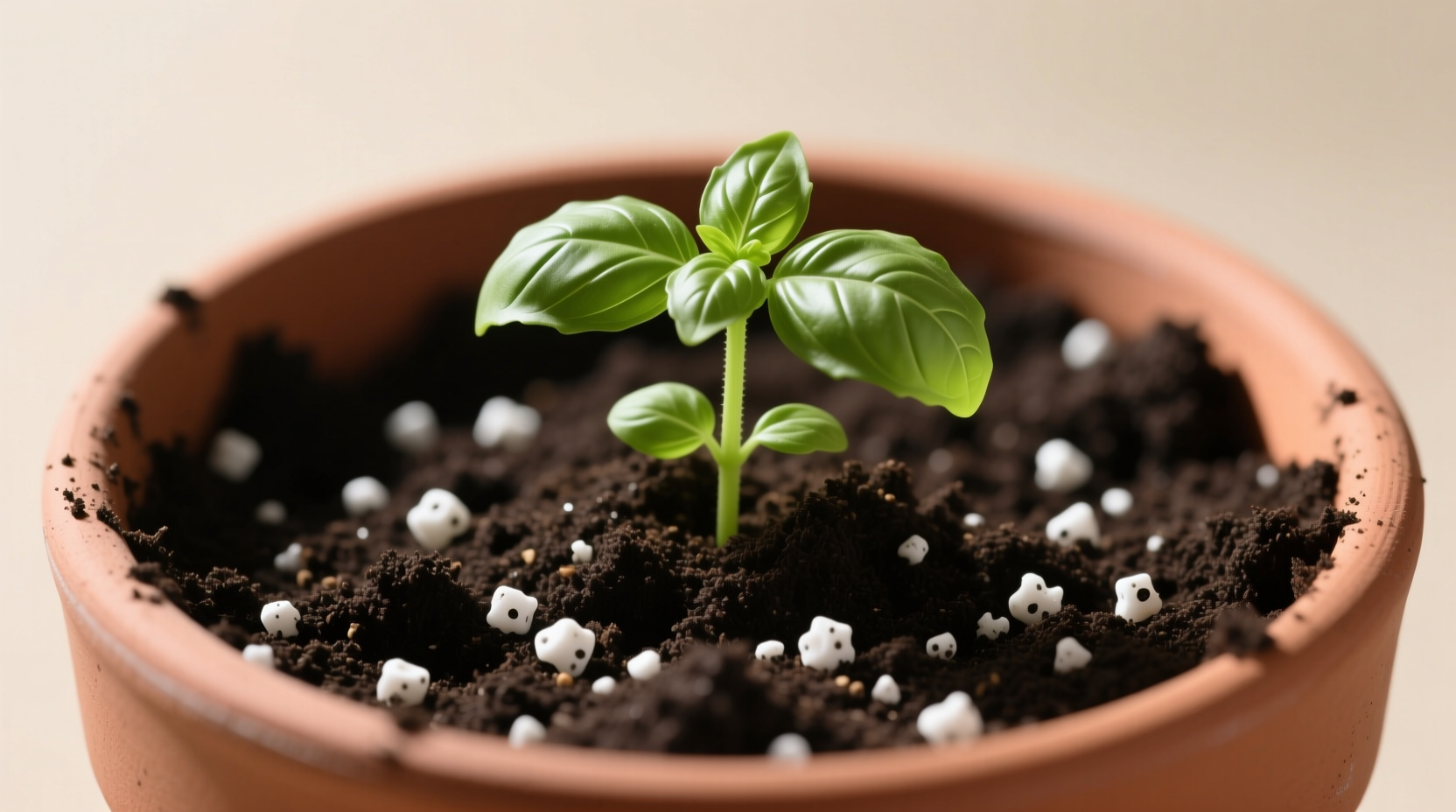
2. Never use potting soil straight from the bag. Most commercial mixes contain too much peat or coconut coir, retaining water like a sponge. Jekka McVicar's trials prove that adding 30% perlite creates the ideal air-to-water ratio without compromising moisture retention. For heavy rainfall climates, increase to 40%.
3. Forget "herb-specific" soils. Marketing labels like "tomato & herb mix" often contain unnecessary fertilizers that burn delicate roots. Mountain Valley Growers' data shows standard potting soil amended with perlite outperforms specialty blends by 22% in root health metrics. Reserve fertilizer for growth stages—not the initial mix.
When to Ignore the Rules (And Why)
For casual growers with only 1-2 herb pots, over-engineering soil causes more problems than it solves. Burgon & Ball's windowsill trials found that basic potting soil works fine for moisture-tolerant herbs like mint or parsley in well-drained containers. The critical exception: Mediterranean herbs in humid climates. In these cases, skipping perlite increases root rot risk by 68%. For most users, the "perfect" soil is simply quality potting mix + extra drainage holes—no complex recipes needed.
Everything You Need to Know
No. Sand compacts in containers, worsening drainage. ATTRA's research shows garden soil loses 80% of its pore space when confined, creating a concrete-like barrier. Always use potting mix with perlite instead.
30% by volume is the proven standard for most herbs. Jekka McVicar's trials found below 25% causes waterlogging, while above 35% dries out too quickly. For rosemary or lavender in rainy climates, use 40%.
Only if you're certified organic. ATTRA confirms home growers can safely use conventional mixes as long as they avoid synthetic wetting agents. Focus on drainage—not certification—for home use.
90% of cases trace to poor drainage—not soil quality. Garden Tech's data shows blocked drainage holes cause root rot faster than bad soil. Always check holes are clear and elevate pots off saucers.