
Hill Country Herb Garden: Drought-Tolerant Herbs for Zone 8a–9b
Why Hill Country Herb Gardens Fail (and How to Succeed)
Most herb gardening guides fail Texas Hill Country residents because they don't address our specific environmental challenges. With shallow limestone soil, extreme temperature swings from 20°F winter freezes to 100°F+ summers, and strict water restrictions, conventional gardening approaches lead to disappointing results. After 12 years of adapting herb cultivation specifically for this region, I've discovered that working with rather than against our unique conditions yields the most successful gardens.
Essential Hill Country Herb Selection Guide
Selecting the right herbs makes all the difference in Hill Country gardening success. Generic "herb garden" advice often recommends plants that simply won't thrive in our alkaline soil and intense climate.
Top 7 Drought-Tolerant Herbs for Limestone Soil
These herbs consistently outperform others in Texas Hill Country conditions through extensive trial gardening across the region:
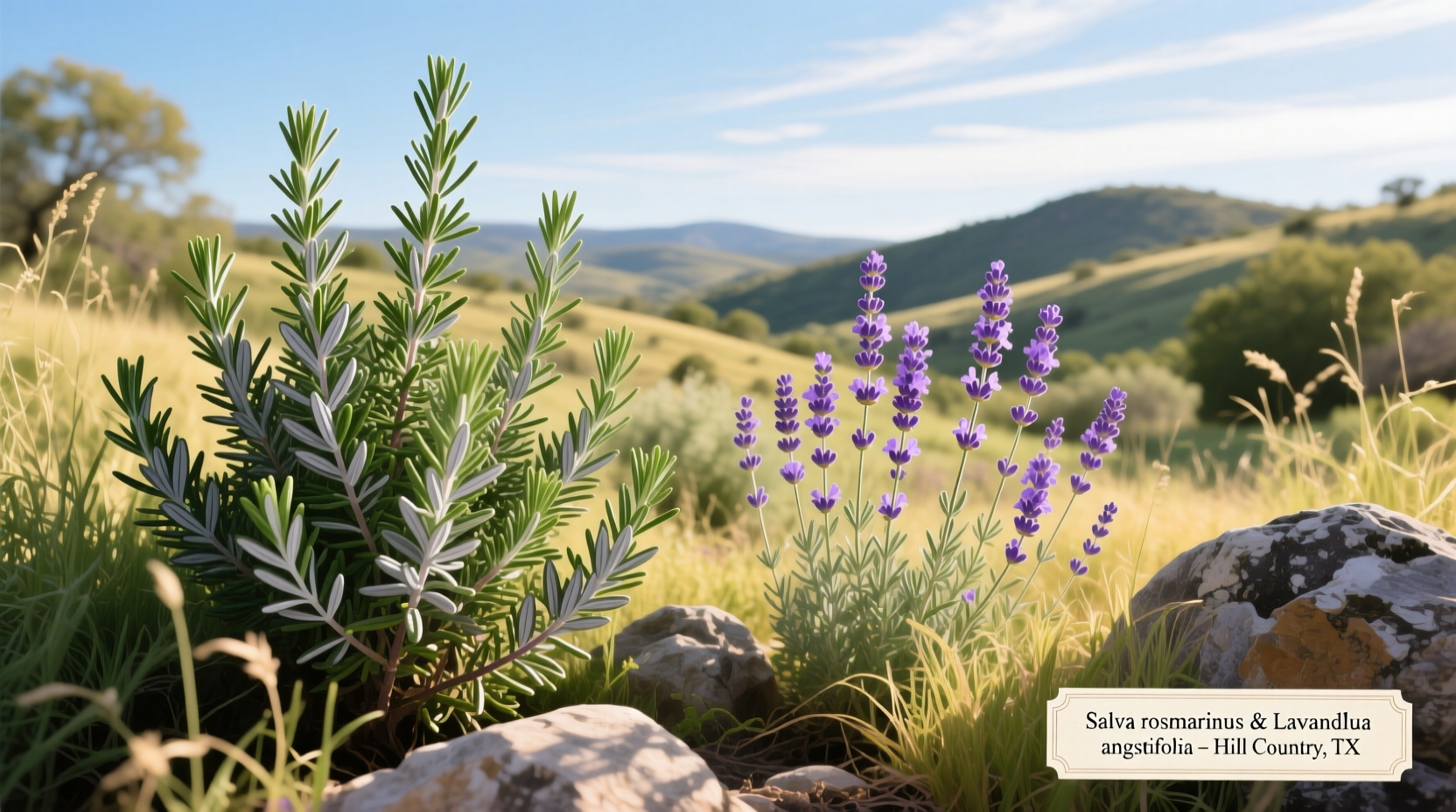
- Rosemary - Thrives in alkaline soil and requires minimal water once established, perfect for hill country herb garden setups
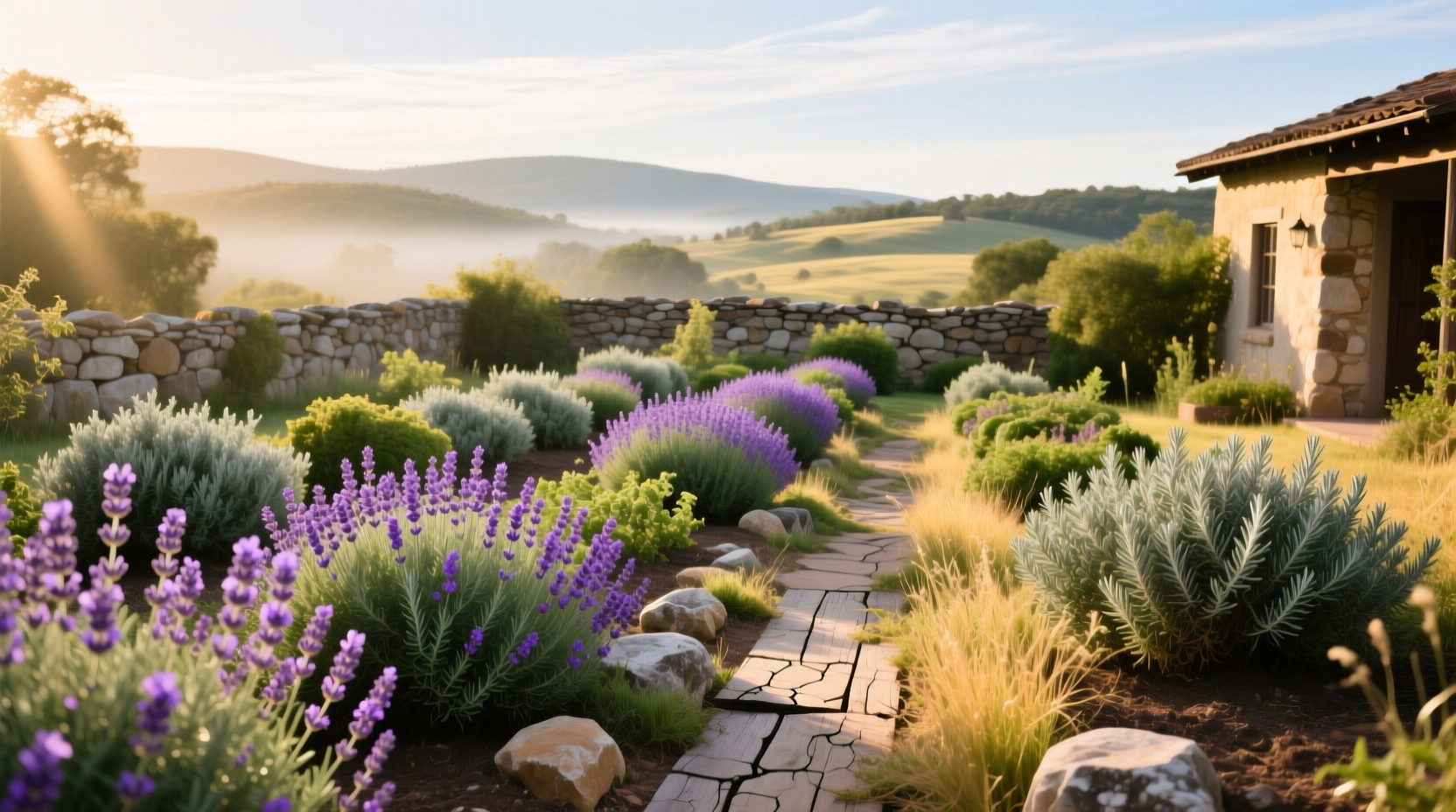
- Lavender - Naturally adapted to limestone soil and full sun conditions common in Central Texas
- Thyme - Multiple varieties tolerate Hill Country's temperature extremes
- Greek Oregano - Outperforms other varieties in our hot, dry climate
- Texas Sage - Native to our region and exceptionally drought-tolerant
- Mint - Best grown in containers to control growth while thriving in partial shade
- Chives - One of few herbs that tolerates both summer heat and occasional spring flooding
| Herb | Best Planting Time | Water Needs | Special Requirements |
|---|---|---|---|
| Rosemary | Early spring or fall | Low (1 inch/week) | Elevated beds for optimal drainage |
| Lavender | Late winter | Very low | Full sun, avoid overhead watering |
| Thyme | Spring | Low | Rock mulch improves moisture retention |
Soil Preparation for Hill Country Herb Success
Contrary to popular belief, you don't need to completely replace Hill Country's limestone soil. Strategic modifications work better than wholesale replacement:
Understanding Limestone Soil Characteristics
Hill Country soil typically has a pH of 7.5-8.5, excellent drainage but poor nutrient retention. While challenging for many plants, this environment actually enhances flavor concentration in Mediterranean herbs when properly managed.
Strategic Soil Amendment Techniques
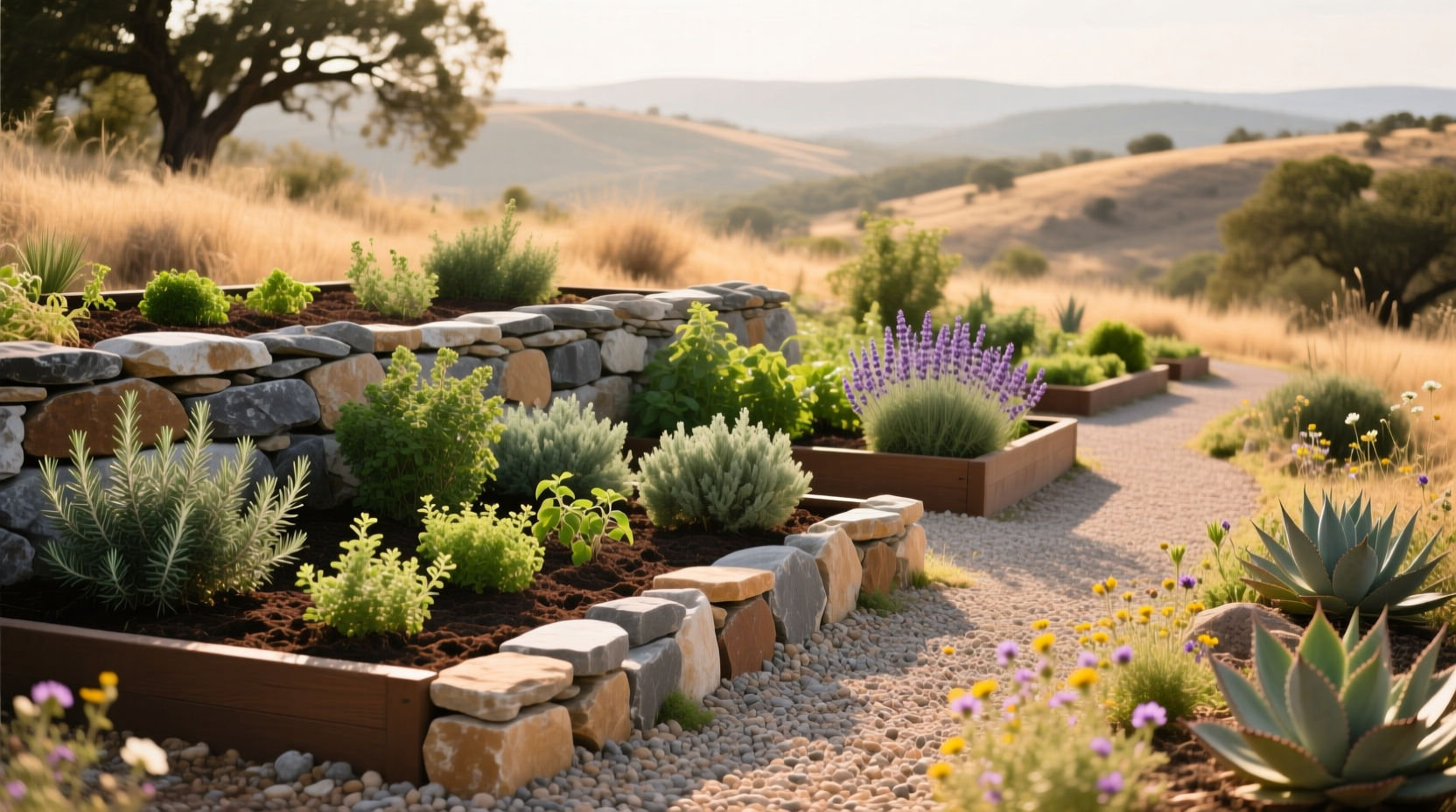
- Compost Integration - Mix 3 inches of quality compost into the top 6-8 inches of native soil to boost organic matter without altering pH
- Drainage Enhancement - Incorporate 20% perlite to improve drainage by approximately 40% while maintaining soil structure
- Elevated Planting Areas - Create 8-12 inch raised beds or mounds to prevent waterlogging during spring rains
- Rock Mulch Application - Use crushed granite as mulch to reflect heat away from roots while retaining moisture
Complete Seasonal Care Calendar for Hill Country Herbs
Timing is everything in Hill Country gardening. Follow this region-specific seasonal roadmap for optimal results:
Spring (March-May)
Plant after the last frost (typically mid-March). Focus on establishing root systems before summer heat arrives. Water daily for the first two weeks, then gradually reduce frequency. This is the ideal time for starting your first hill country herb garden with rosemary and lavender.
Summer (June-August)
The critical survival period requires strategic care. Water deeply but infrequently (once weekly maximum). Harvest herbs early morning when essential oils are most concentrated. Provide afternoon shade for Mediterranean herbs during extreme heat waves.
Fall (September-November)
Prime growing season! Replenish soil with compost. Divide and transplant established herbs. Plant cool-season varieties like cilantro and parsley. Fall planting often yields better results than spring in Hill Country conditions.
Winter (December-February)
Protect tender perennials with frost cloth during freezes below 25°F. Prune back dead growth in late winter to encourage vigorous spring growth. Continue monitoring soil moisture during dry winter periods.
Water-Wise Herb Gardening in Drought Conditions
With municipal watering restrictions common across the Hill Country, these water conservation techniques maximize every drop:
- Drip Irrigation Systems - Deliver water directly to roots, reducing evaporation by 60% compared to sprinklers
- Olla Pot Implementation - Bury unglazed clay pots near plants for slow, targeted water release
- Strategic Watering Times - Morning watering reduces evaporation loss by 30% compared to evening watering
- Rainwater Harvesting - Collect roof runoff during spring storms in barrels for later use during dry periods
Troubleshooting Common Hill Country Herb Problems
Yellowing Leaves in Hill Country Gardens
Cause: Misinterpreted as nutrient deficiency but often results from inconsistent watering in fast-draining soil
Solution: Water less frequently but more deeply. Test drainage by digging a 6-inch hole and filling with water - it should drain within 15 minutes.
Poor Growth Despite Proper Care
Cause: Nutrient lockout in alkaline soil prevents uptake of essential elements
Solution: Apply chelated iron monthly during growing season and use organic liquid fertilizers designed for alkaline conditions.
Pest Infestations in Herb Gardens
Cause: Stressed plants attract aphids and spider mites
Solution: Plant marigolds as companion plants, spray with diluted neem oil monthly, and maintain proper watering to keep plants healthy.
Your First Hill Country Herb Garden: Getting Started
Begin with just two or three herbs that match your cooking preferences and the site conditions of your garden. Rosemary and lavender make excellent starter plants for any hill country herb garden due to their exceptional drought tolerance and soil adaptability. Implement the soil preparation techniques described, and you'll be harvesting fresh herbs within months while conserving precious water resources. Remember that the unique terroir of Hill Country actually enhances the flavor concentration in many herbs - a distinctive benefit most gardeners don't realize they're missing!