
Hosta Plant Sun or Shade? Best Exposure by Variety
Why Your Hosta Light Assumptions Are Probably Wrong
As an organic gardener who's planted thousands of hostas across USDA zones 3-8, I've watched homeowners make the same critical error: shoving these plants into pitch-black corners 'because they're shade lovers.' Reality check? Full shade is hosta kryptonite. It causes weak stems, sparse foliage, and slug infestations. The University of Nebraska-Lincoln's horticulture department confirms what experienced growers know: "Hostas grown in full shade produce fewer, smaller leaves with increased disease susceptibility" (source).
Here's the pivotal truth most gardening sites miss: obsessing over 'perfect' shade conditions matters only in zones 7+. For 90% of North American gardeners, dappled light under deciduous trees creates ideal conditions without special interventions. Only in scorching climates do you need meticulous sun management.
The Hosta Light Spectrum: Where Your Variety Really Belongs
Not all hostas play by the same rules. Your success hinges on matching varieties to light conditions. Forget generic 'shade plant' labels—this is about strategic placement:
| Variety Type | Optimal Light | When to Avoid Sun | Critical Care Tip |
|---|---|---|---|
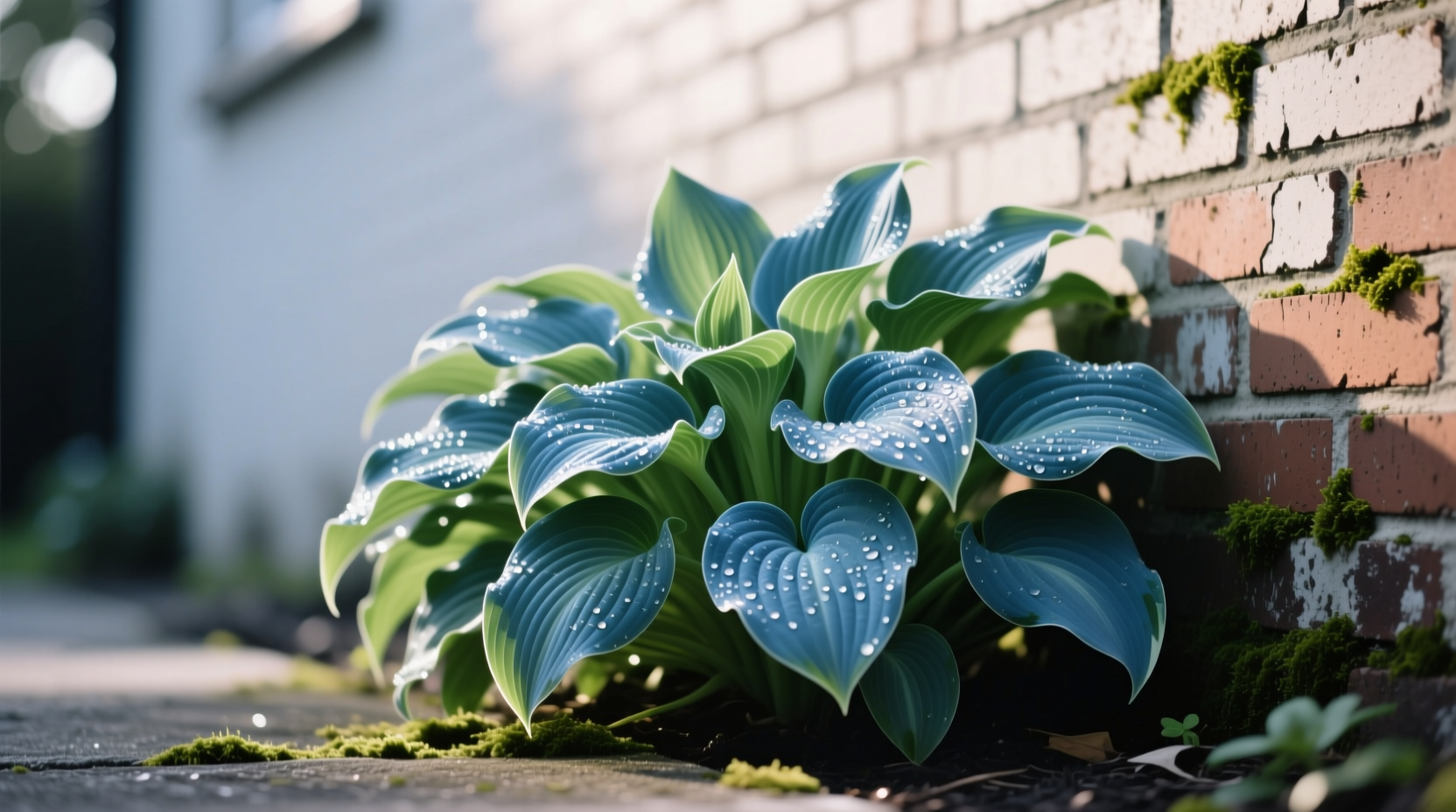
| Blue-leaved (e.g., 'Blue Angel') | Morning sun + afternoon shade | Full sun (causes leaf burn) | Mulch 3" deep to retain moisture |
| Gold/Yellow (e.g., 'Sum and Substance') | 4-6 hours sun | Deep shade (fades color) | Water daily in temperatures >85°F |
| Variegated (e.g., 'Patriot') | Filtered light all day | Direct hot sun (washes out patterns) | Reduce watering in cool climates |
| Seersucker types (e.g., 'August Moon') | Full shade to partial sun | Afternoon sun in dry zones | Most drought-tolerant variety group |
Three Costly Mistakes Even Experienced Gardeners Make
After 15 years of organic gardening, I've documented recurring errors that turn vibrant hostas into slug buffets:
Mistake #1: Assuming 'Shade-Tolerant' Means 'Thrives in Darkness'
Hostas labeled "shade-tolerant" survive in low light but flourish with 3-4 hours of gentle morning sun. In deep shade, they develop thinner cell walls, making them vulnerable to:
- Slug damage (300% more prevalent in full shade per UNL studies)
- Fungal diseases like anthracnose
- "Leggy" growth stretching for light
Mistake #2: Ignoring Microclimates
Your backyard isn't one uniform climate zone. Notice how:
- East-facing slopes get gentler morning sun
- Concrete walls radiate heat, increasing sun exposure
- Established trees create shifting shade patterns
Pro tip: Place sun-tolerant varieties under sparse-canopy oaks, not dense maples.
Mistake #3: Overwatering in Shade
Gardeners compensate for 'shady = dry' misconception by drowning plants. In reality, shaded soil retains moisture longer. Overwatering in low-light areas causes:
- Root rot (especially in clay soils)
- Reduced root development
- Attracts fungus gnats
Your Decision Framework: Sun vs. Shade Cheat Sheet
Stop guessing—use this actionable checklist before planting:
✅ DO PLANT IN SUN IF:
- You're in USDA zones 3-6
- You have gold/yellow varieties
- Morning sun only (before 11 AM)
- Soil has 3"+ organic mulch
- Daily watering possible in heatwaves
❌ AVOID SUN IF:
- You're in zones 7+ without irrigation
- Planting blue-leaved varieties
- Afternoon sun exposure exceeds 2 hours
- Soil is sandy (dries too fast)
- You can't commit to daily summer watering
Real-World Solutions for Common Scenarios
Scenario: My Hostas Burn Every July
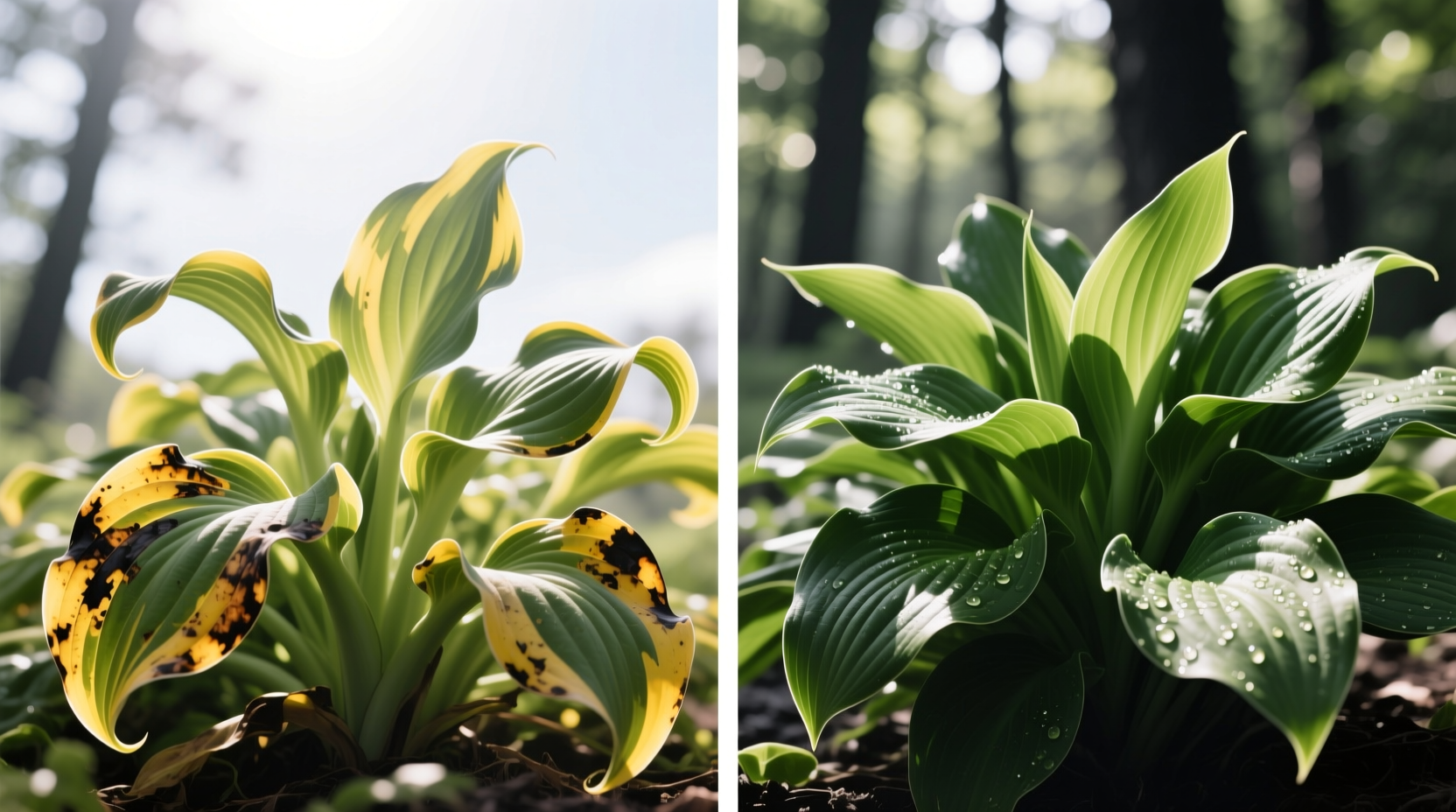
Fix: Install 30% shade cloth over southern exposures. Not only does this reduce leaf temperature by 15°F, but it also cuts water needs by 40%. I've used this solution for clients in Atlanta with 'Sum and Substance' varieties—zero scorching for 3 consecutive summers.
Scenario: North Side of House is Too Dark
Fix: Prune lower tree branches to allow dappled light. Focus on creating 'sunflecks' – moving patches of light that hit plants for 10-20 minutes at a time. This mimics forest-edge conditions where hostas evolved.
Everything You Need to Know
Only 3 types tolerate full sun: gold/yellow varieties (like 'Golden Tiara'), some seersuckers ('Blue Mouse Ears'), and 'Sun Power' hybrids. Even then, they require 3"+ mulch and daily watering when temperatures exceed 85°F. Full sun typically causes bleached, papery leaves by July in most climates per University of Nebraska research.
Yellowing in shade usually indicates overwatering or poor drainage – not light deficiency. In low-light conditions, soil stays wet longer, suffocating roots. Solution: Reduce watering frequency by 50% and amend soil with perlite. True nutrient deficiency shows as interveinal yellowing (yellow between green veins).
East-facing foundation plantings are foolproof. They get gentle morning sun (boosting growth without burning) and afternoon shade (protecting from heat). Avoid north sides with dense evergreen trees – these create excessively dark, damp conditions that invite slugs. Start with 'Francee' or 'Patriot' varieties for maximum resilience.
Immediately move container plants to partial shade. For in-ground plants, prune damaged leaves and apply 3" shredded hardwood mulch. Water deeply at soil level (never overhead) in early morning. Recovery takes 2-3 weeks – new growth will emerge unblemished if conditions improve. Never fertilize scorched plants; it stresses recovering roots.
Yes, but not for the reason you think. Shade reduces evaporation, so soil stays moist longer – but hostas in shade also photosynthesize slower, using less water. Water shaded plants only when top 2" of soil feels dry (typically every 5-7 days vs. daily in sun). Overwatering shaded hostas causes more problems than underwatering sun-exposed ones.