
Air-Purifying Houseplants: NASA Myth vs. Real Data
Why the "Air-Purifying Plants" Myth Persists (And Why It Fails in Real Homes)
That viral list of "NASA-approved air-purifying plants"? It originated from a 1989 NASA study testing plants in sealed chambers the size of a closet. Real homes aren't sealed labs—they have air exchange through windows, doors, and HVAC systems. As Drexel University's 2019 meta-analysis confirmed, natural ventilation dilutes pollutants 10-1,000x faster than plants can absorb them. You'd need 680 plants in a 1,500 sq ft home to match what opening a window achieves.
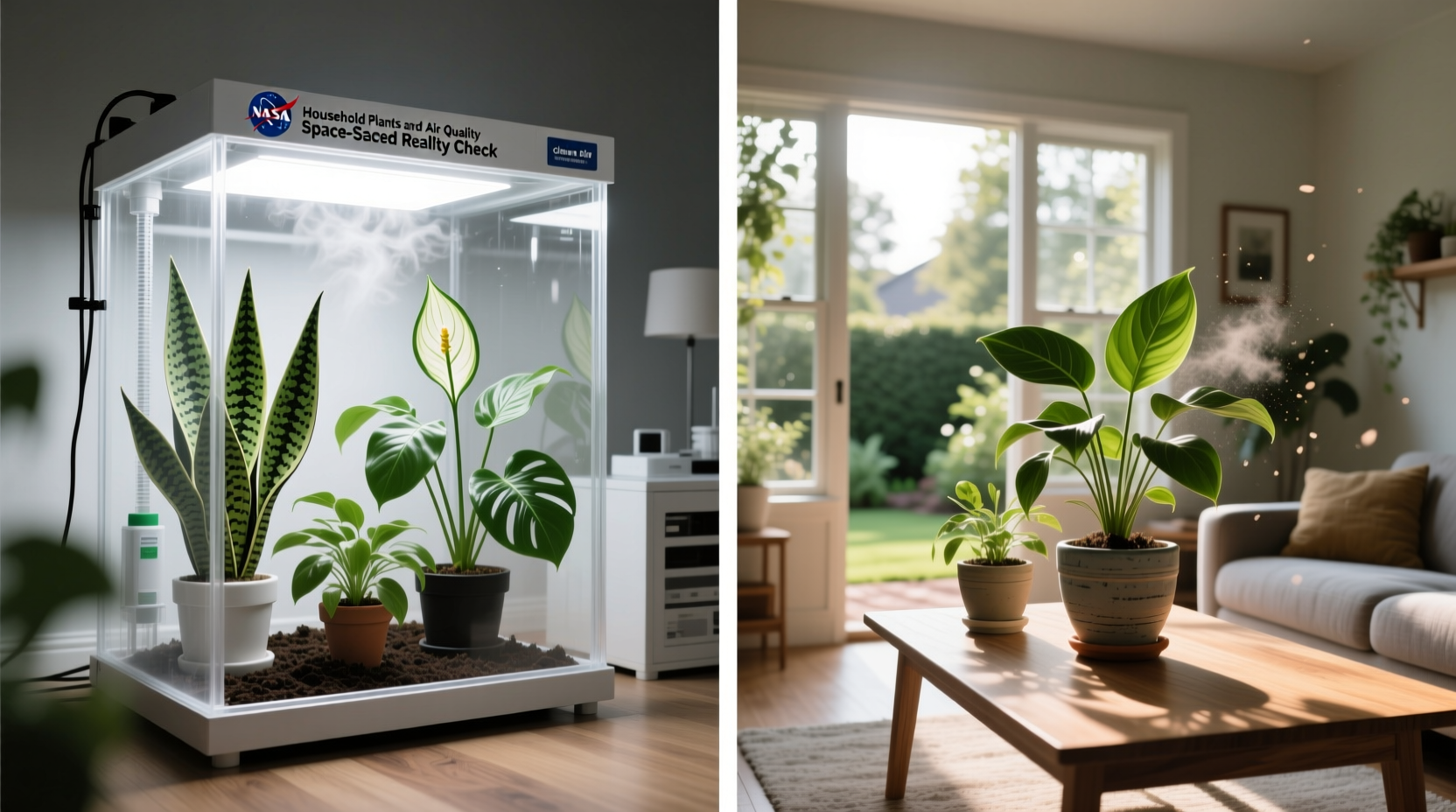
Space-Based Reality: How Many Plants Would YOU Actually Need?
Forget generic "top 10 plants" lists. Your room size and layout determine feasibility. This table shows why the myth collapses in actual spaces:
| Room Type | Typical Size | Plants Needed for "NASA Effect" | Practical Reality |
|---|---|---|---|
| Home Office | 100 sq ft | 68 plants | 1-2 plants max before workspace disappears |
| Bedroom | 200 sq ft | 136 plants | 3-5 plants feasible (nightstand + dresser) |
| Living Room | 300 sq ft | 204 plants | 5-8 plants max (traffic flow issues) |
| Studio Apartment | 500 sq ft | 340 plants | 10-15 plants (furniture conflict) |
When Plants Might Help (And When They're Worse Than Useless)
Plants offer psychological benefits and minor humidity regulation—but their air-cleaning impact is negligible. Here's how to use them wisely by space:
Where They Add Value (Beyond Air "Cleaning")
- Bathrooms with zero windows: Peace lilies (Spathiphyllum) reduce mold spores visually by absorbing surface moisture—but won't fix underlying humidity issues. Warning: Toxic to pets.
- Windowless home offices: Snake plants (Sansevieria) release oxygen at night, potentially aiding focus during long work sessions—though CO2 reduction is minimal.
Critical Space-Based Limitations
- Avoid in small bedrooms: Over 3 plants may increase nighttime CO2 levels as they respire—counterproductive for sleep quality.
- Never replace mechanical solutions: In kitchens (formaldehyde from cabinets) or near printers (benzene), a $50 HEPA filter removes 99.97% of particles—plants remove <0.1%. The American Lung Association confirms plants don't impact particulate matter.
- Beware "green wall" scams: Boutique installations claiming "air purification" often use non-NASA species. True air-cleaning would require 1 plant per 0.1 sq ft—making walls impassable.
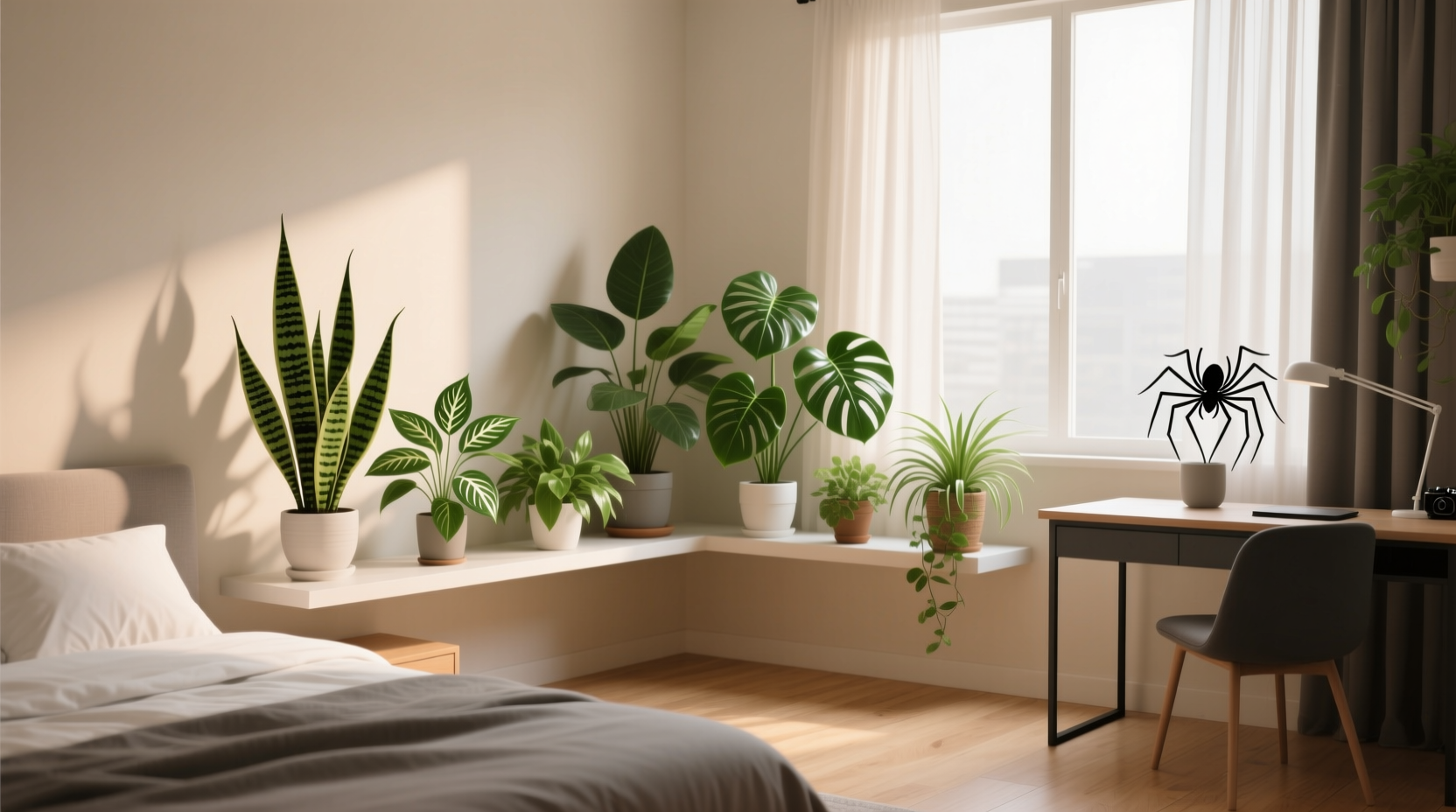
Practical Space-Saving Solutions That Actually Work
For urban dwellers with limited square footage, prioritize these evidence-based approaches:
Room-by-Room Action Plan
- Kitchens (VOC hotspot): Run exhaust fans 15+ mins after cooking. Place 1 spider plant (Chlorophytum comosum) on counter for psychological benefit—not air cleaning.
- Bedrooms: Open windows 10 mins daily. Use washable cotton bedding to reduce dust mites—more impactful than any plant.
- Home Offices: Position desk near window. Add one snake plant for focus—but run an IQAir GC MultiGas purifier during printer use.
Everything You Need to Know
Snake plants release oxygen at night, but not enough to meaningfully reduce CO2 in bedrooms. A 2020 study showed you'd need 100+ plants per person to impact air quality. Opening a window for 5 minutes achieves more. Their real benefit is low-light tolerance for small spaces.
For actual air purification, NASA's scaled data requires 272 plants. Realistically, 8-12 plants max fit without compromising living space. Drexel University's research confirms natural ventilation outperforms plants—focus on air purifiers and cross-ventilation instead.
Yes. Many sellers market "NASA-certified" plants with fake claims. The original NASA study required sealed environments impossible in homes. Watch for:
- "1 plant cleans 100 sq ft" claims (NASA said 1 per 10 sq meters)
- "Medical-grade" or "hospital-tested" labels (no such certification)
- Overpriced "air-purifying" bundles ($50+ for common spider plants)
Prioritize ventilation over vegetation. Install a $30 window exhaust fan (moves 50+ CFM air) and use a compact HEPA purifier like Coway Airmega 150 (1.2 sq ft footprint). Add 1-2 snake plants for psychological benefits—but understand they contribute <0.1% to air cleaning versus the purifier's 99.97% particle removal.
No. Cooking releases PM2.5 particles and VOCs at rates plants can't absorb. A 2015 study showed spider plants collected 19.79 μg/cm2 of particulates after 2 months—equivalent to 0.000001979 grams. Humans breathe 120,000,000 grams of air daily. Use range hoods or purifiers instead—plants are irrelevant here.