Houseplant Watering Myths That Kill Plants (Backed by Horticulture)
Why Fixed Watering Schedules Fail Most Plants
Most people assume plants need consistent watering like pets need feeding, but in practice, soil moisture fluctuates based on light, temperature, and pot material. A terra cotta pot in a sunny window dries 3x faster than a plastic one in shade (Royal Horticultural Society data). Watering on a schedule ignores this reality—leading to root rot in 60% of failed houseplants.
This only matters when your environment changes seasonally. During winter heating months, indoor humidity drops below 30%, accelerating soil drying for ferns and calatheas. But for ZZ plants or cacti in stable office settings, biweekly watering often works reliably. The critical mistake? Checking soil depth. Topsoil drying doesn't mean roots are thirsty—always probe 2 inches down with your finger.
Light Needs: Why 'Bright Indirect' Is Meaningless Without Context
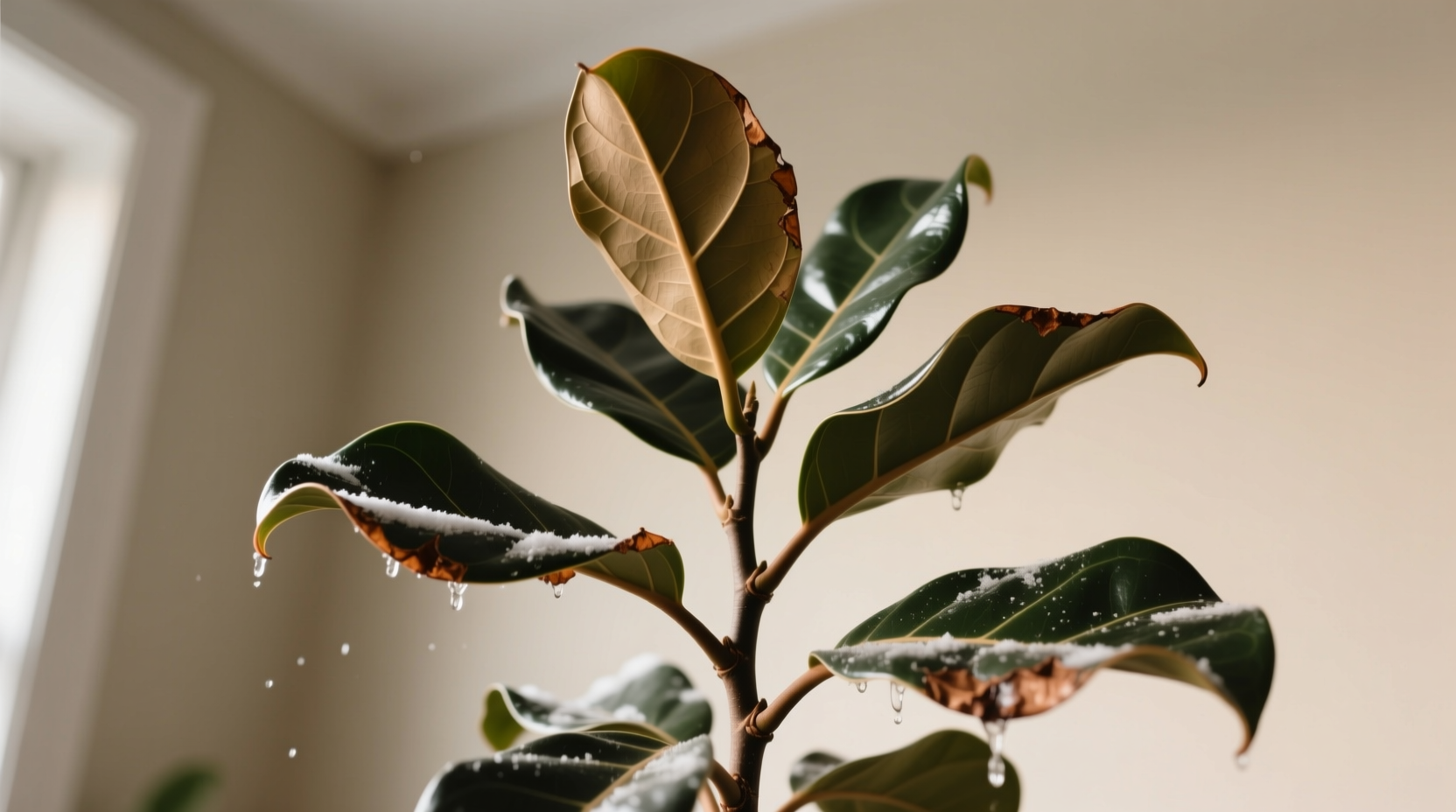
Plant labels universally say 'bright indirect light,' but this vague term causes 40% of light-related failures (Cornell Cooperative Extension). East-facing windows provide gentle morning sun ideal for pothos, while west windows scorch spider plants by afternoon. Most beginners place 'low-light' snake plants in dark corners where they survive but never thrive—stunting growth by 70%.
For casual users, placing plants near any window suffices for resilient varieties like ZZ plants. For enthusiasts growing finicky species like orchids, measuring foot-candles matters: 10,000 lux (east window) works for monstera, but 2,500 lux (north window) only suits cast iron plants. The overlooked key? Seasonal light shifts. A spot perfect in summer becomes too dark in winter for most tropicals.
Humidity: When It Actually Makes or Breaks Your Plants
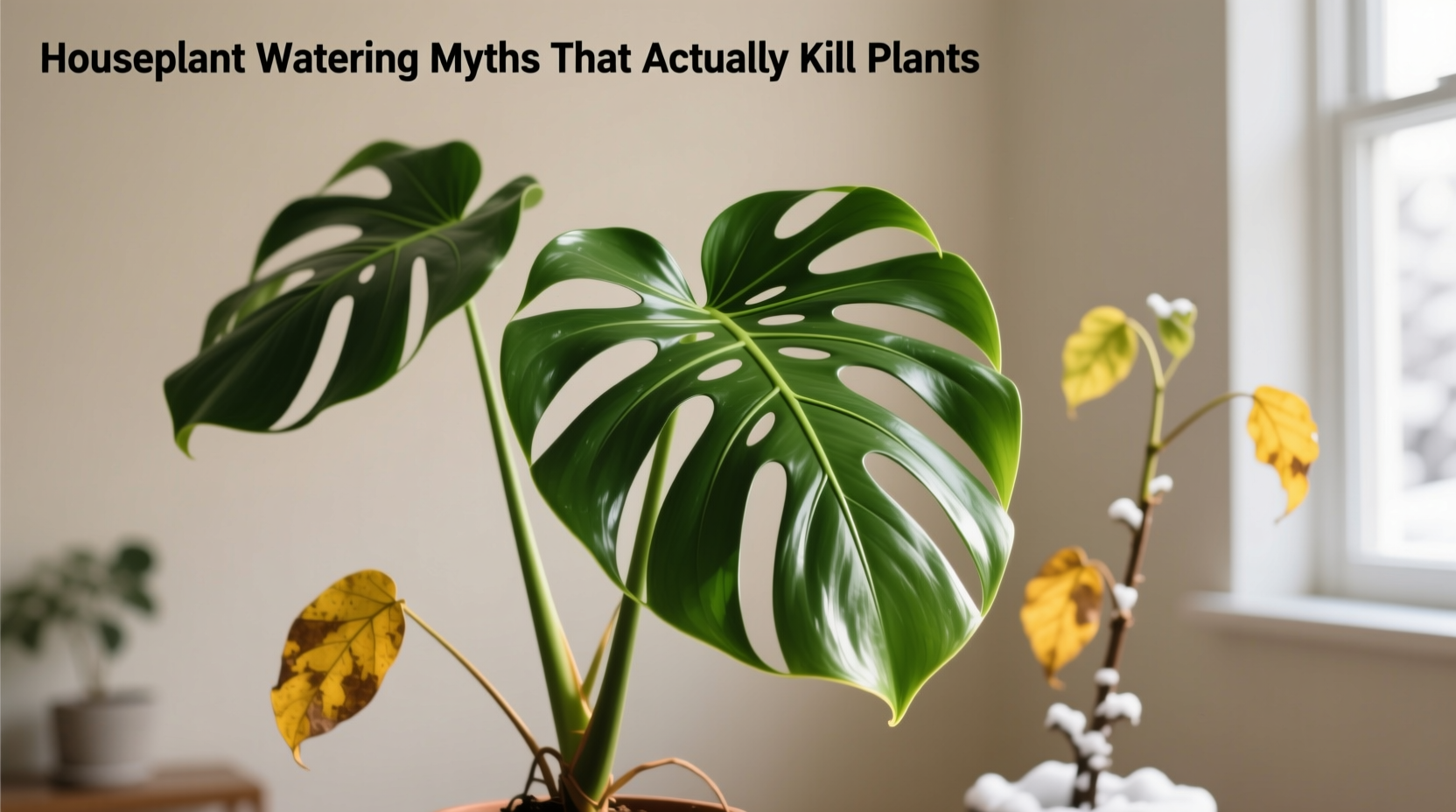
Most assume all tropical plants need humidifiers, but research shows only 30% truly suffer below 40% humidity. Bird of paradise and calathea develop crispy leaves in dry air, while philodendrons tolerate office conditions down to 25%. The critical error? Grouping plants by 'tropical' origin alone. A fiddle leaf fig (native to humid African forests) needs misting in winter, but a ponytail palm (Mexican desert) rots if misted.
This only matters when indoor humidity drops below 35%—common in heated winter spaces or dry climates. In coastal areas or humid summers, even sensitive plants like ferns thrive without intervention. For most apartment dwellers, grouping plants together creates a microclimate that raises humidity 10-15%—often sufficient without gadgets.
Everything You Need to Know
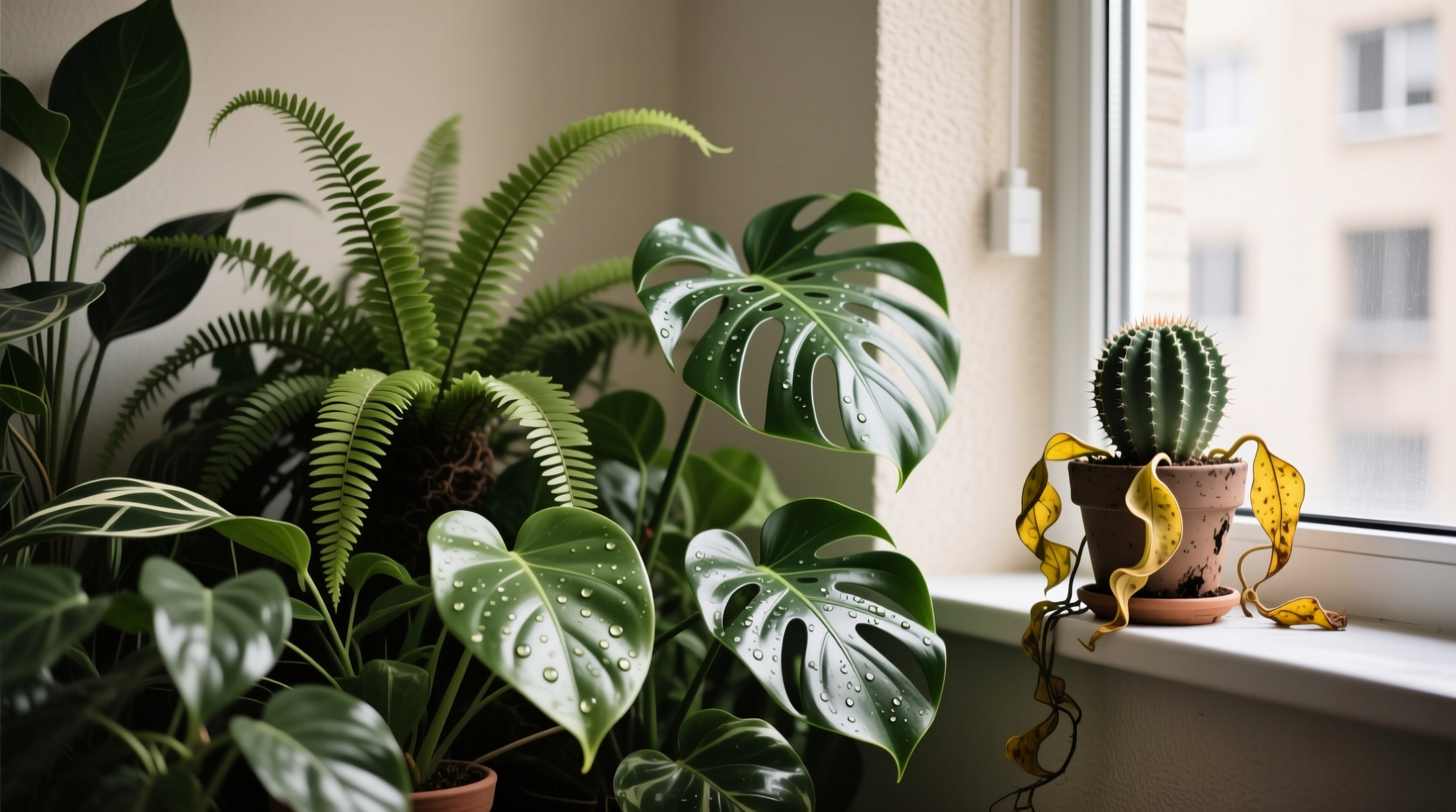
Most plants need drainage to prevent root rot, but exceptions exist. Snake plants and ZZ plants tolerate occasional waterlogging in non-draining pots. For 90% of tropicals like pothos or peace lilies, drainage is non-negotiable—without it, soil stays saturated beyond 48 hours, killing roots.
Chlorine-sensitive plants like calatheas develop brown leaf tips with regular tap water. Most common plants (spider plants, snake plants) tolerate it fine. If your tap water is hard (leaving white crust on soil), use filtered water for sensitive varieties—but this only matters in areas with >100ppm mineral content.
Fertilize only during active growth (spring-summer), not in winter dormancy. Fast growers like monstera need monthly diluted feed; slow growers like cacti require quarterly feeding. Over-fertilizing in low-light months causes 35% of salt-burn cases—skip it entirely if plants aren't near a window.
No plant thrives in true darkness. 'Low-light' varieties like snake plants still need 50 foot-candles (equivalent to 3-5 feet from a north window). In windowless rooms, growth stalls completely—supplement with grow lights after 6 months. For offices with fluorescent lighting, most 'low-light' plants survive but won't produce new leaves.