
Do Houseplants Boost Oxygen? The Real Benefits Revealed
Why the Oxygen Myth Won't Die
Most people assume houseplants significantly boost indoor oxygen because of misinterpreted NASA research. The 1989 study tested plants in sealed chambers with zero air exchange—like a space station. But real homes have constant air leakage through windows, doors, and HVAC systems. As the American Lung Association clarifies, chamber studies don't translate to real-world environments. When researchers scaled the findings to typical rooms, they found you'd need 10-1,000 plants per square meter of floor space for measurable air changes. That's 680 plants in a 1,500 sq ft home—impossible for normal living.
The Math That Changes Everything
Let's break down why oxygen claims distract from real benefits:
- Human oxygen consumption: 11,000+ liters/day per adult (Houseplantsnook.com calculation based on metabolic rates)
- Typical houseplant output: 3-9 liters/day (depends on leaf area and light; verified via photosynthesis models)
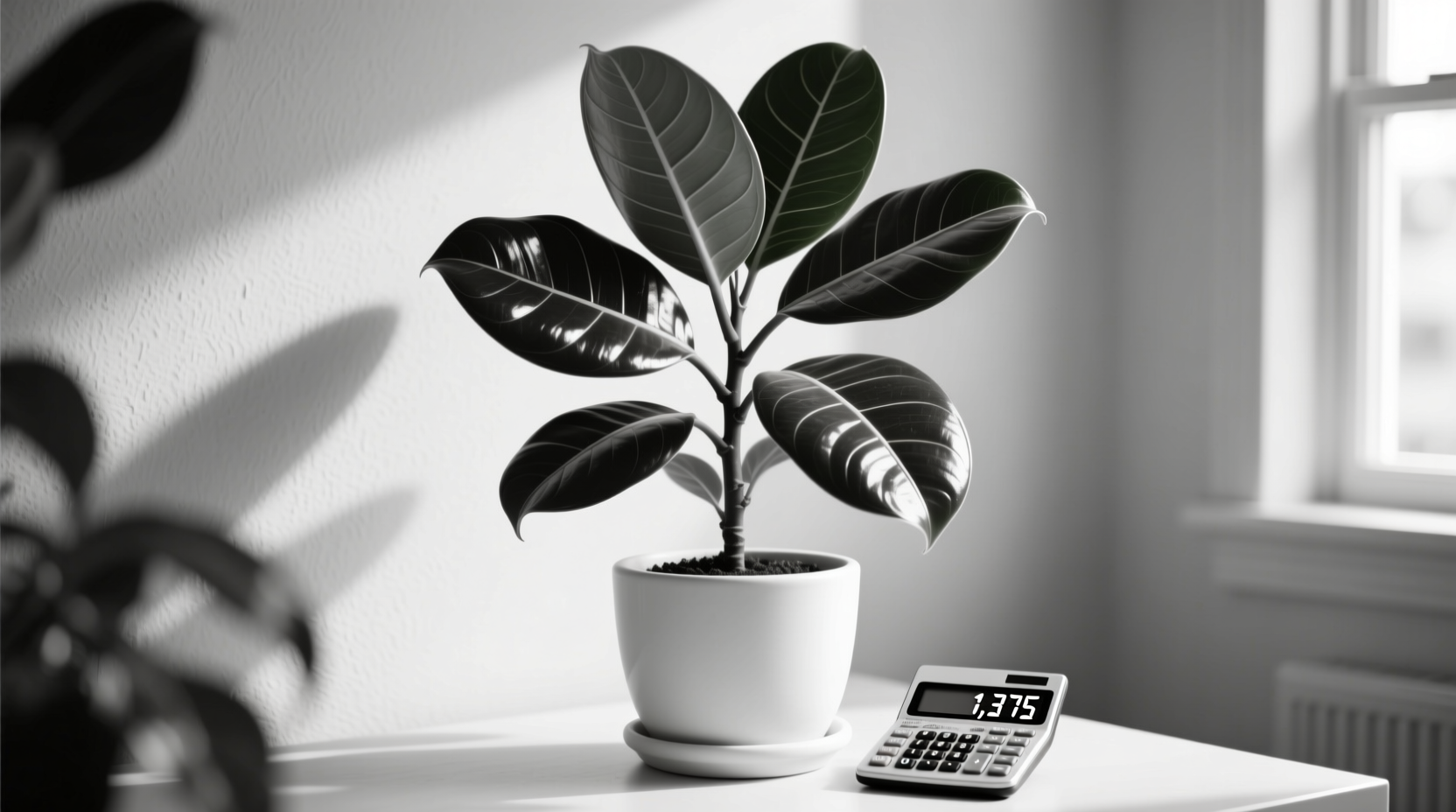
- Real-world implication: Even a "high-output" plant like a 4-foot-tall rubber tree (producing ~8L/day) would require 1,375 specimens to match one person's daily oxygen use.
When Oxygen Claims Actually Matter (Spoiler: Rarely)
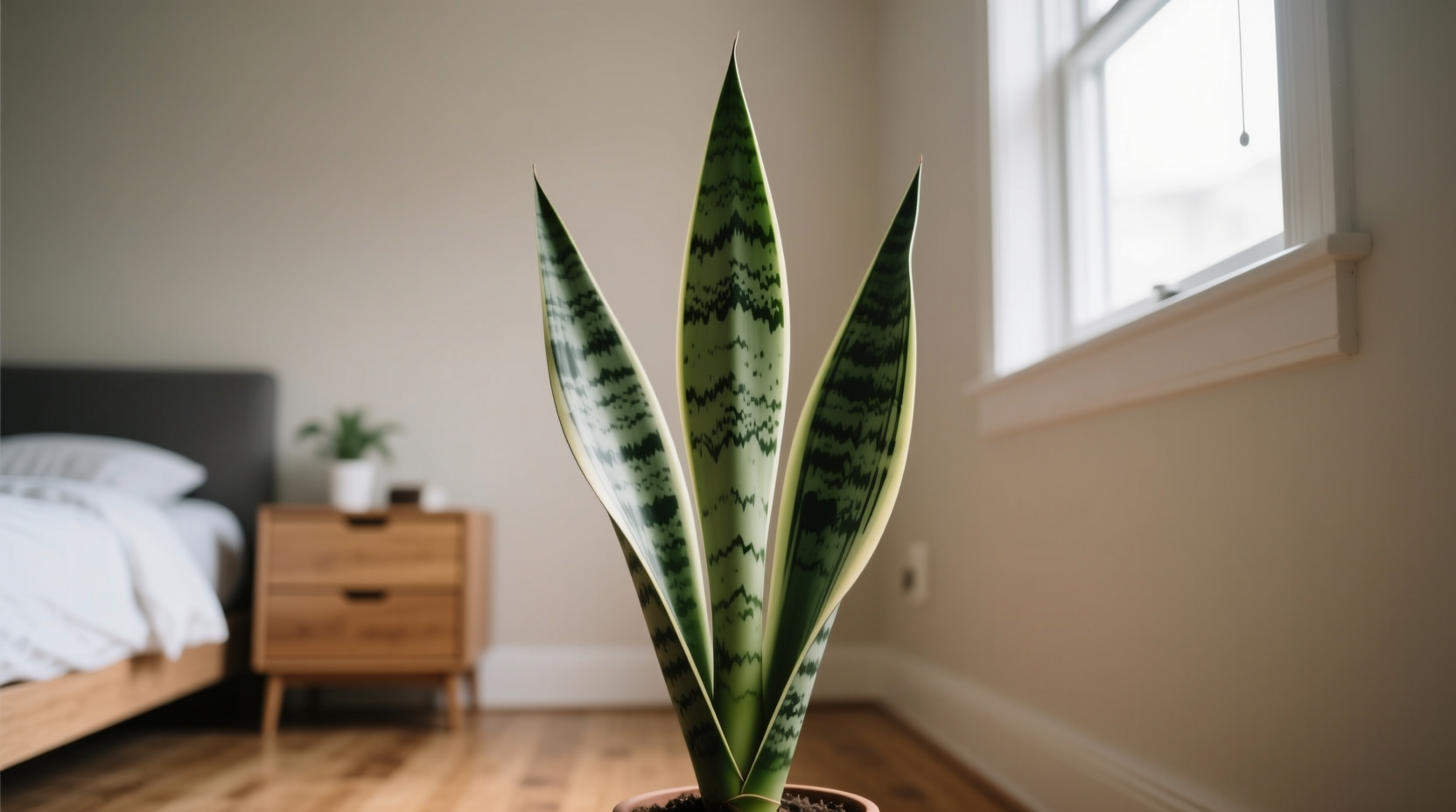
This only matters when you're designing sealed environments like submarines or Mars habitats—where air exchange is near zero. For 99.9% of homeowners, ventilation systems move more oxygen in 10 minutes than 100 plants produce in a day. Even CAM plants (snake plants, aloe) that release oxygen at night—often hyped for bedrooms—contribute negligibly. One snake plant produces ~5L overnight versus your bedroom's 50,000+ liters of air volume. The difference is undetectable without lab equipment.
The Real Benefits Worth Caring About
For casual users, focus on these evidence-backed perks instead:
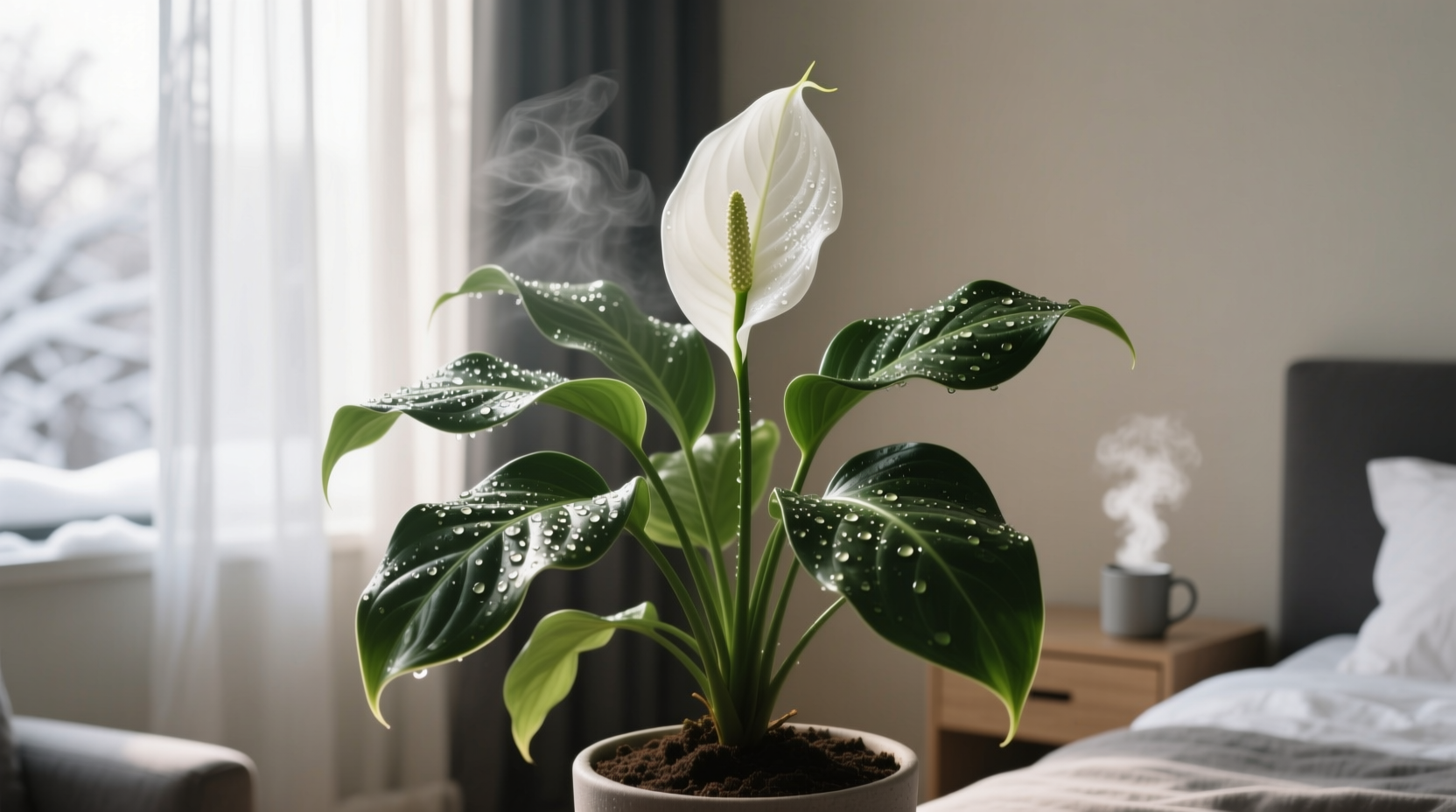
- Humidity regulation: Plants like peace lilies release moisture vapor, raising indoor humidity by 5-10% in dry climates (per NASA-linked studies). This actually reduces dry skin and respiratory irritation.
- Psychological impact: Visible greenery lowers stress markers by 15% in office settings (University of Hyogo research). This works with just 1-2 plants.
- Minor VOC reduction: While insufficient for air purification, plants like spider plants may absorb trace formaldehyde from new furniture—but an open window works faster.
Your Practical Plant Guide (Based on Real Needs)
Forget "oxygen rankings." Choose plants for actual home benefits:
- For dry winter air: Boston fern (needs high humidity) or areca palm. Only matters when indoor humidity drops below 30%.
- For low-light spaces: ZZ plant or snake plant. For enthusiasts, these tolerate neglect; for casual users, they survive irregular watering.
- For mental refreshment: Any flowering plant like African violet. The color boost matters more than species.
Most people assume bigger plants = better air benefits, but in practice, leaf surface area matters more than size. A cluster of small pothos plants often outperforms one large fiddle leaf fig for humidity. And crucially: if your goal is cleaner air, an $80 air purifier moves 500x more air than 50 plants (per Consumer Reports testing).
Who Should Ignore "Oxygen Plant" Advice Entirely
Don't waste energy on oxygen claims if:
- You live in a standard home with windows (air exchange negates plant effects)
- You want tangible air quality improvements (prioritize ventilation)
- You have limited space (1-2 plants for mood beats 300 for negligible oxygen)
Everything You Need to Know
Yes, snake plants (a CAM plant) release small oxygen amounts at night while most plants don't. But one plant produces ~5 liters overnight versus human consumption of 550+ liters. This is undetectable in real bedrooms and irrelevant for air quality.
Per a 2019 meta-analysis, you'd need 10-1,000 plants per square meter of floor space for measurable VOC reduction. In a 10x10 ft room, that's 100-10,000 plants. Natural ventilation or an air purifier achieves the same effect instantly.
They misinterpret NASA's 1989 sealed-chamber study. As Garden Bite explains, those conditions don't reflect real homes with air exchange. The myth persists because "oxygen-boosting" makes compelling clickbait.
Psychological improvement. Studies show visible greenery reduces stress by 15% and boosts focus. You need just 1-2 plants for this effect—making it the only benefit worth optimizing for in normal homes.