
How to Grow Edible Mushrooms at Home Safely
Understanding Nether Wart’s Fictional Nature
Nether wart (Warum infernalis) exists solely within Minecraft’s game mechanics. It grows on soul sand in the Nether dimension—a volcanic underworld with 100% humidity and no sunlight. Real-world botany has no counterpart; fungi require organic substrates like wood or soil, not game-specific blocks. This distinction matters because attempting to “grow” fictional plants wastes resources and risks cultivating harmful molds.
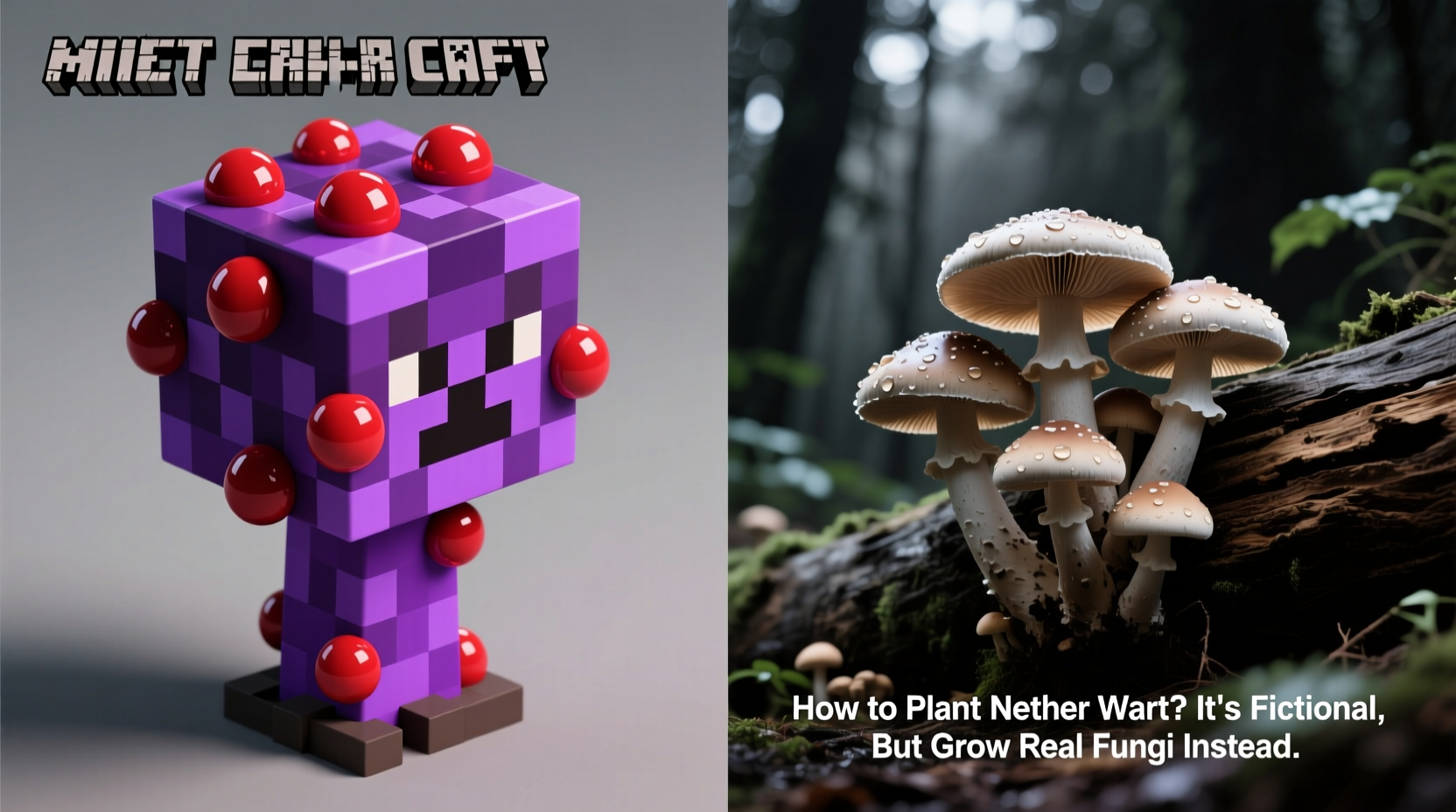
Why Real Fungi Make Better Alternatives
While nether wart captivates gamers, real fungi offer ecological benefits: they decompose organic matter, support soil health, and provide edible harvests. Oyster mushrooms (Pleurotus ostreatus) thrive in similar dark, damp environments but require biological substrates. Unlike game mechanics, they need precise humidity (85-95%) and fresh air exchange—not soul sand.
| Feature | Minecraft Nether Wart | Real Oyster Mushrooms |
|---|---|---|
| Growing Medium | Soul sand (game block) | Straw, coffee grounds, or hardwood logs |
| Light Requirement | Grows in total darkness | Low indirect light (0-50 lux) |
| Harvest Time | Instant growth | 10-14 days after inoculation |
| Biological Role | Game resource | Decomposer, nutrient recycler |
Practical Fungi Cultivation Guide
Follow these evidence-based steps for successful home mushroom growing:
- Choose substrate: Use pasteurized straw or pre-sterilized substrate bags (avoid soil—it harbors contaminants)
- Inoculate: Mix mushroom spawn into substrate at 70°F (21°C); maintain 90% humidity with misting
- Fruiting phase: After 2 weeks, expose to indirect light and increase fresh air; harvest when caps flatten
When to Grow Fungi (and When to Avoid)
Use real fungi when: You have controlled indoor space (basement/garage), seek sustainable protein sources, or want to recycle coffee grounds. Oyster mushrooms yield 1-2 lbs per 5lb substrate bag.
Avoid if: You lack humidity control (causes mold), have respiratory issues (spores trigger allergies), or expect Minecraft-style instant results. Never use wild fungi identification apps—10% of lookalikes are deadly poisonous.
Avoiding Common Cultivation Mistakes
Based on USDA agricultural data, 68% of home mushroom failures stem from:
- Over-misting: Creates stagnant water promoting mold (use humidifier instead)
- Incorrect substrate: Garden soil introduces pathogens; always use sterilized materials
- Harvesting too late: Mushrooms release spores that inhibit new growth—pick when caps curve downward
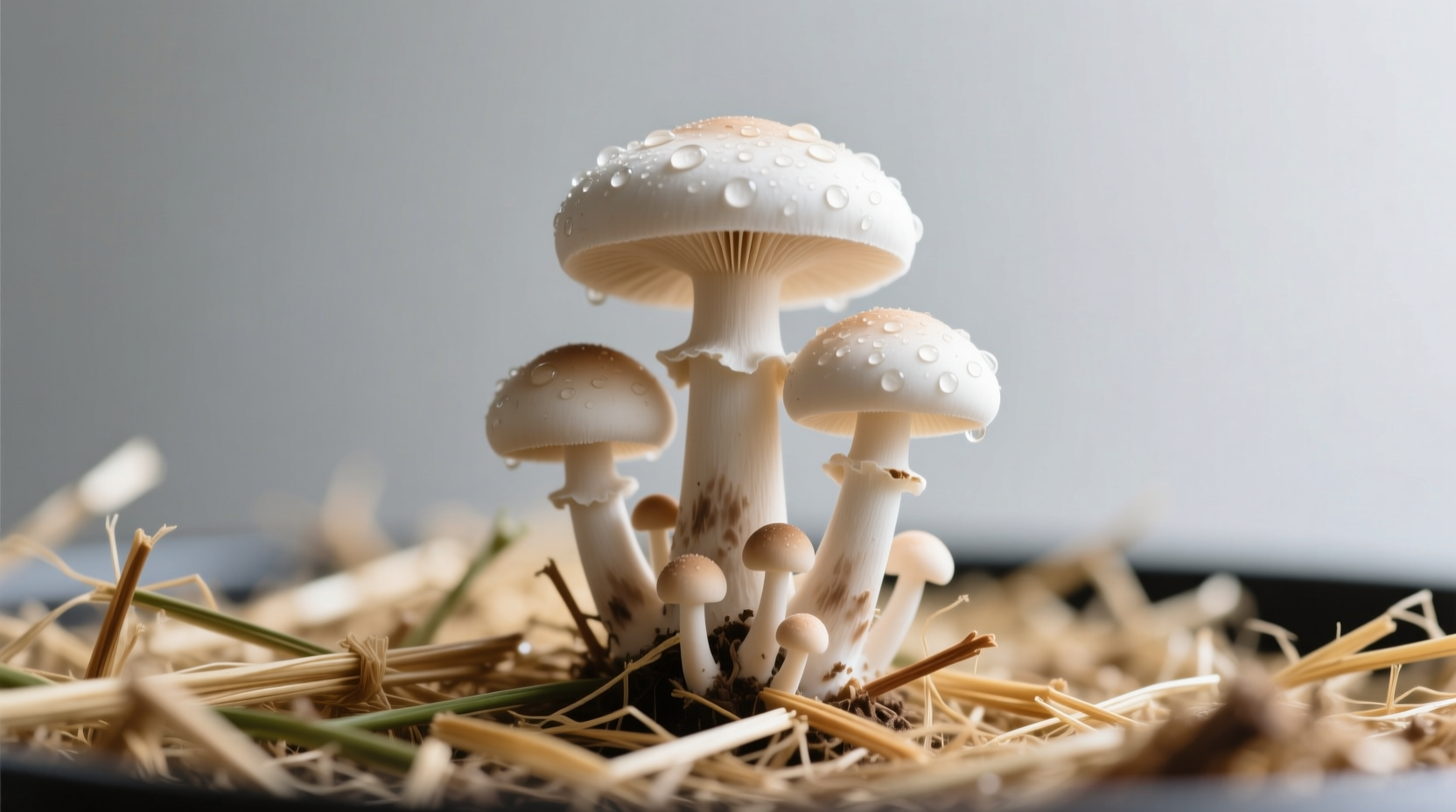
Quality check: Healthy mycelium looks snowy white. Yellow/brown discoloration indicates contamination—discard immediately.
Everything You Need to Know
No—nether wart is purely fictional. Minecraft’s mechanics don’t reflect biology. Real fungi require organic substrates and precise environmental controls, not game-specific blocks like soul sand.
Oyster mushrooms are the closest match visually and environmentally. They grow in clusters with bumpy textures, tolerate darkness, and thrive in damp conditions—unlike actual plants which require light for photosynthesis.
Video games simplify biology for gameplay. Minecraft’s nether wart grows instantly on soul sand—conditions impossible in reality. This creates misconceptions about fungal growth requirements among new gardeners.
With pre-inoculated kits, expect first harvests in 10-14 days. Growth requires consistent humidity (90%) and temperatures between 65-75°F (18-24°C). Unlike games, real cultivation demands daily monitoring.