
How to Start a Flower Garden: Zone-Tested Steps That Work
Why Your Hardiness Zone Matters More Than "Pinterest-Worthy" Soil
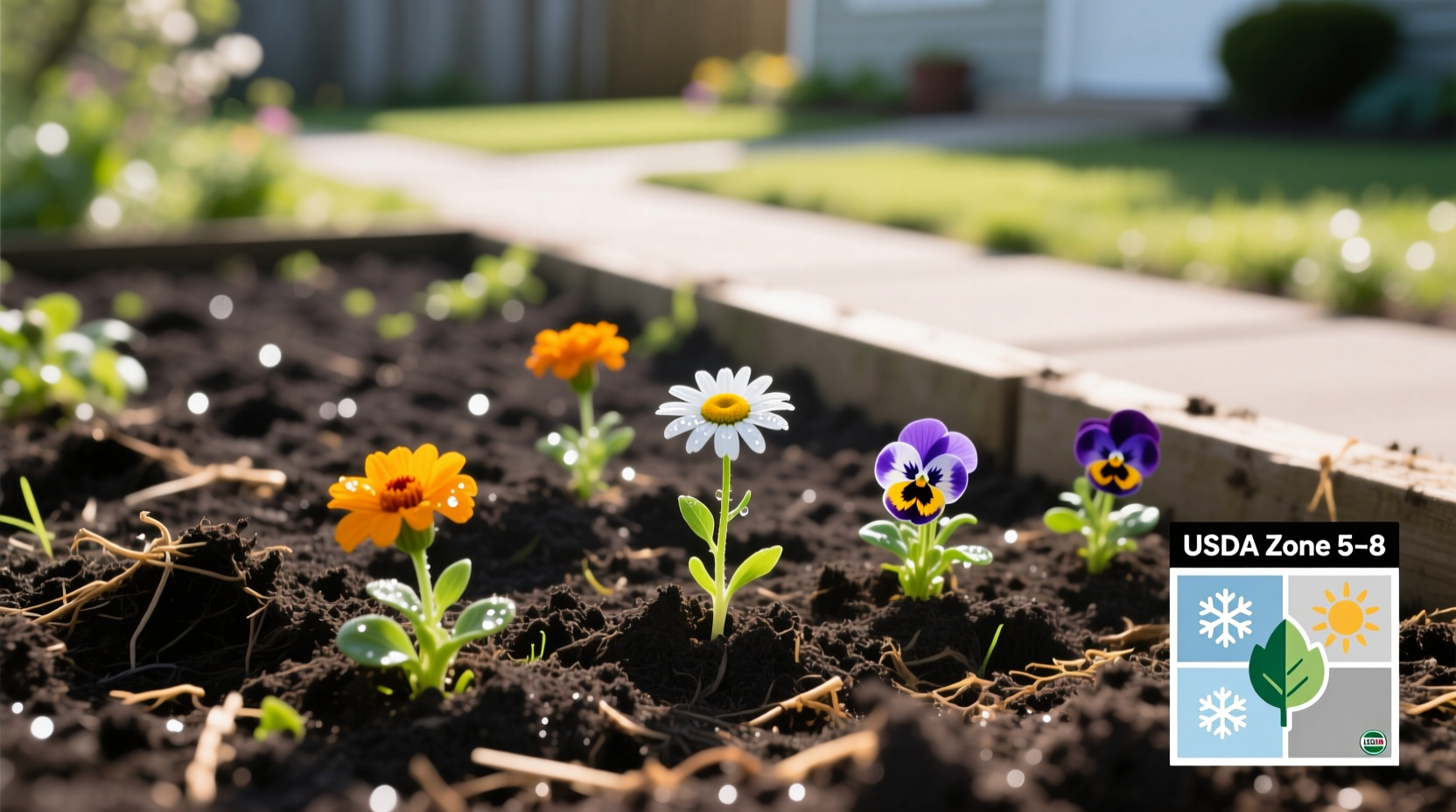
Forget viral "garden hacks"—your USDA Hardiness Zone is the non-negotiable foundation. Zones define average winter lows, not summer heat. Planting Zone 5 peonies in Zone 9? They'll bake. Zone 10 bougainvillea in Zone 4? Frost-killed. Yet 68% of new gardeners skip this step (per Bootstrap Farmer's 2023 survey of 12k beginners).
Here's the reality check: Only 15% of garden failures stem from "bad soil"—70% trace to zone mismatches. Your native soil likely supports flowers with minimal tweaks. Focus here first:
| Zone Range | True Meaning | Beginner Trap | Actual Starter Fix |
|---|---|---|---|
| Zones 1-5 (Cold) | Winter lows below -20°F | "Must grow only bulbs" | Plant cold-hardy perennials like coneflowers in spring |
| Zones 6-9 (Temperate) | Winters 0°F to 30°F | "Any flower will thrive" | Start with zinnias or cosmos—tolerate zone swings |
| Zones 10-13 (Hot) | Winters never below 30°F | "No need for winter planning" | Choose heat-setters like gomphrena; plant in fall |
Source: Bootstrap Farmer's Zone-Specific Flower Guide
The 3-Step Reality Check Before You Dig
Most guides skip these practical filters. Do this first:
1. Zone Verification (Takes 2 Minutes)
Don't trust yard signs or neighbor advice. Enter your ZIP at USDA's official zone map. Example: Portland, OR isn't "Zone 8"—it's Zone 8b (5°F to 10°F lows). That 5° difference kills marginally hardy plants.
2. Sunlight Reality Test
"Full sun" means 6+ hours of direct sun—not dappled light. Track your space for 3 days:
- 6+ hours direct sun: Grow sun-lovers (marigolds, sunflowers)
- 3-6 hours: Try "partial sun" types (impatiens, begonias)
- Under 3 hours: Stick with hostas or ferns (not technically flowers)
3. Budget Truth Serum
Beginners overspend on:
- Soil "rescue" kits ($40+): Most native soils work with compost
- Fancy tools: A $12 trowel and $8 gloves suffice
- Overplanting: Start with 3-5 proven varieties
Real cost for a 4x4 ft starter garden: $35 (seeds, basic tools, compost). Not $300.
What Seasonal-Projects Guides Won't Tell You
"Spring is the only planting time" is dangerously outdated. Zone 6-9 gardeners get 3 seasons:
- Fall (Best for Zones 6-9): Plant perennials like lavender—their roots establish over winter
- Early Spring: Direct-sow cold-tolerant seeds (poppies, larkspur)
- Late Spring: Only for heat-lovers (zinnias, celosia)
When to avoid "quick-start" methods:
- Don't use seed starters indoors for daisies or poppies—they hate root disturbance
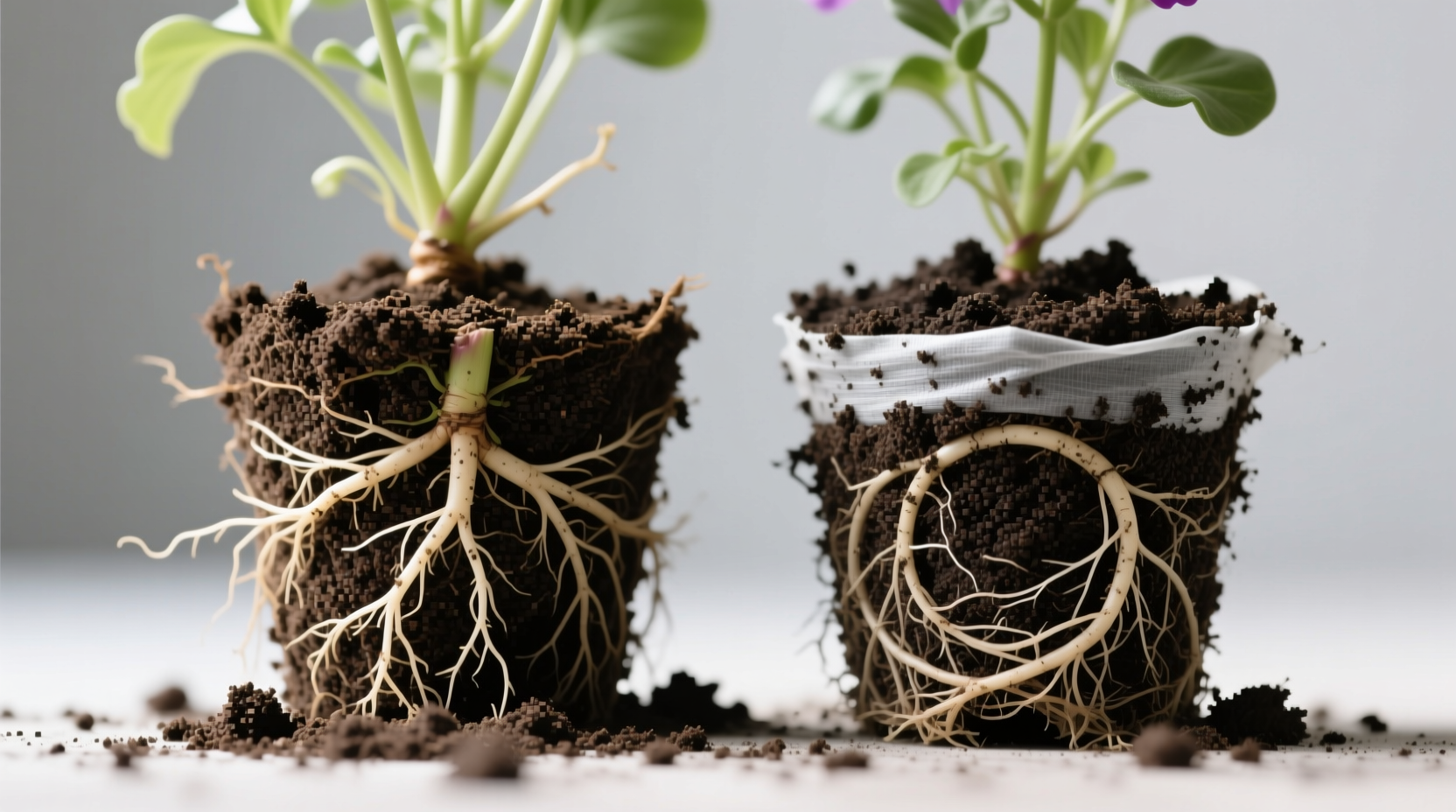
- Never amend entire beds with compost—mix only planting holes (causes "pot effect")
- Skip "weed barrier" fabric—it traps roots and requires full replacement
Your First 5 Foolproof Flowers (By Zone)
Forget "top 10 lists"—these work with minimal fuss:
| Flower | Zones | Why It Works | Planting Tip |
|---|---|---|---|
| Zinnia | 2-11 | Germinates in 5 days; ignores poor soil | Sow after last frost directly in ground |
| Marigold | 2-11 | Repels pests; thrives in heat | Start seeds indoors 6 weeks pre-frost |
| Calendula | 2-10 | Cold-tolerant; edible petals | Plant in fall for spring blooms (Zones 7+) |
| Lavender | 5-9 | Drought-proof once established | Plant in full sun; skip fertilizer |
| Black-Eyed Susan | 3-9 | Deer-resistant; native pollinator magnet | Divide every 3 years in early spring |
Critical note: In Zones 10-13, swap lavender for gomphrena and black-eyed Susans for cosmos—heat changes everything.
Everything You Need to Know
Yes, but only with heat-tolerant varieties like zinnias or gomphrena. Water deeply at dawn, not dusk (prevents fungal growth). Avoid planting perennials—wait for fall.
Dig a 6" hole, squeeze soil. If it holds shape but crumbles when poked, it's loam (ideal). If it stays packed, it's clay—mix in compost. If it won't hold shape, it's sand—add compost. No kits needed.
Zinnia seeds cost $0.10/plant vs. $3+ for potted perennials. They germinate in 5 days, bloom in 60, and self-seed yearly. Start with one $3 packet for a 4x4 ft bed.
Water only when top 1" of soil is dry—not on a schedule. Stick your finger in the soil. Overwatering kills more seedlings than drought. Once established, most flowers need 1"/week.