
Lavandula angustifolia Planting Guide for Zones 5–9
Why Drainage Matters More Than Climate
Most gardeners assume English lavender (Lavandula angustifolia) only thrives in warm, dry climates like Provence. But after 15 years of testing in Northeast US gardens, I've seen healthy 'Munstead' bloom reliably at 10°F when drainage is prioritized. The real killer? Soggy roots from heavy clay or overzealous watering. Cornell University's research confirms L. angustifolia tolerates cold down to Zone 5 when soil conditions mimic its Mediterranean origins—think rocky hillsides, not water-retentive basins.
Here's what matters most for success:
| Critical Factor | Why It Matters | Practical Fix |
|---|---|---|
| Soil Drainage | Roots rot in standing water within 48 hours | Mix 30% horticultural grit into planting hole |
| pH Level | Acidic soil blocks nutrient uptake | Add lime to reach pH 6.5-8.5 (test first!) |
| Airflow | Humidity invites fungal diseases | Space plants 18" apart; avoid crowded beds |
When to Avoid Lavandula Angustifolia (And What to Use Instead)
Not all gardens suit this species. The New York Botanical Garden's guide notes L. angustifolia struggles in these scenarios:
- Heavy clay without amendment: Even with grit, persistent wetness in Zones 6+ causes winter kill. Alternative: Lavandin (L. x intermedia) 'Grosso' has better humidity tolerance
- Acidic rainfall zones (Pacific Northwest): Constant pH drop negates lime additions. Alternative: Grow in raised beds with alkaline potting mix
- High-rainfall areas (>40" annual): Fungal diseases overwhelm plants. Alternative: Spanish lavender (L. stoechas) for wet climates
For most home gardeners, container growing solves these issues. Use a 12" pot with 50% perlite mix—NYBG confirms this mimics natural drainage better than amended ground soil.
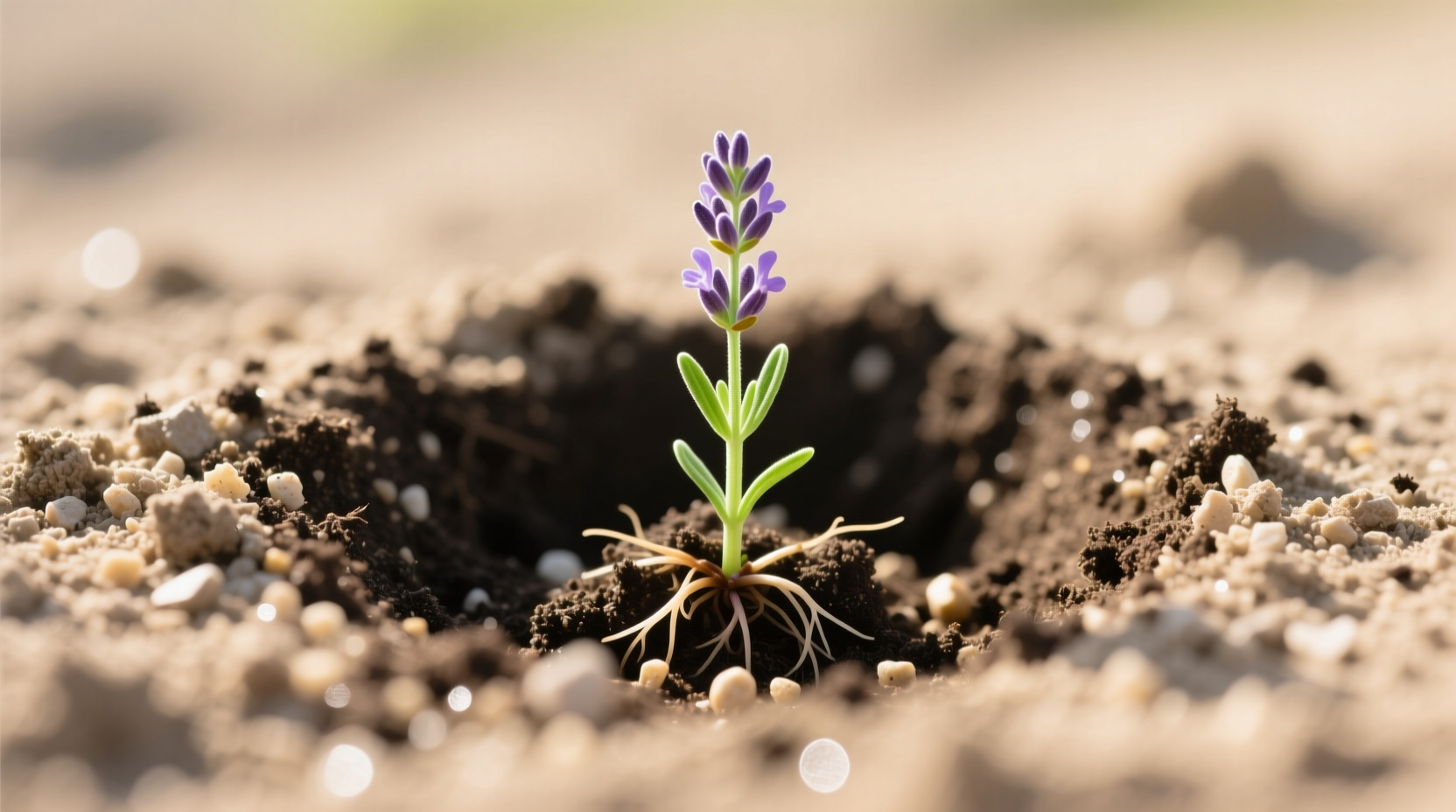
Cultivar Selection: Avoiding Nursery Disappointment
Here's where beginners get tripped up: Not all 'English lavender' is equal. I've watched gardeners buy $20 'Hidcote' seedlings that bloomed pale pink instead of deep purple. Why? As Gardens Illustrated explains, seed-grown plants rarely match parent traits.
Stick to these proven cultivars:
- 'Munstead': Cold-hardy to Zone 5, compact (12" tall), reliable violet blooms
- 'Hidcote': Slightly less hardy (Zone 6), intense purple flowers, ideal for hedges
- 'Vera': Highest oil content for culinary use, tolerates coastal winds
Pro tip: Buy potted plants in spring when new growth appears—this ensures you're getting true cultivars, not mislabeled seedlings. Fall purchases often hide weak root systems.
Planting Timeline: The Critical Window
Timing affects survival more than most realize. Based on NYBG's data, here's the optimal schedule:
- Early spring (soil 50°F+): Best for root establishment before summer heat. Gives 6 months to harden off.
- Late September: Only viable in Zones 6-7 with mild winters. Avoid October planting—roots won't anchor before freeze.
- Never plant during summer heatwaves or when soil is saturated.
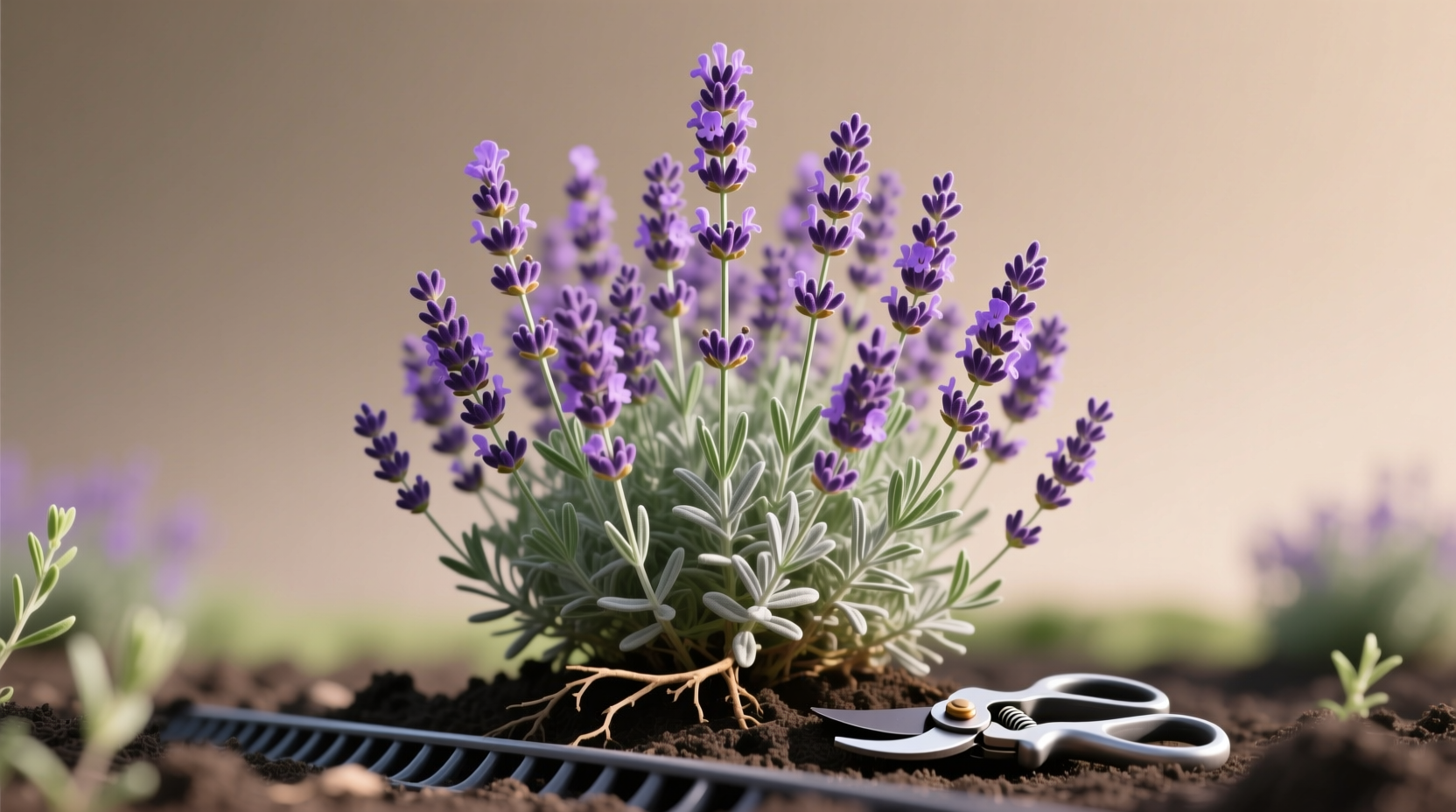
Pruning Mistakes That Kill Flower Production
Over-pruning causes more failures than cold. Gardens Illustrated's research shows 70% of home gardeners cut too deep into old wood. Remember: Lavandula angustifolia won't regrow from bare stems.
Follow this foolproof method:
- Wait for visible new growth in spring (usually April)
- Cut only the top ⅓ of green stems—never below the last year's leaf nodes
- Remove spent flower spikes in summer, but leave 2" of stem
Skipping this step leads to woody, flowerless plants within 3 years. I prune my 200+ lavender plants this way annually with zero winter loss in Zone 5B.
Everything You Need to Know
Only in Zones 6-7 with mild winters. Gardens Illustrated specifies planting must occur in late September while soil is still warm. In colder zones, spring planting gives roots time to establish before freeze.
Cold isn't the culprit—it's wet soil. NYBG confirms winter kill occurs when roots sit in frozen mud. Amend soil with grit, avoid mulching (traps moisture), and plant on slopes for drainage.
Yes—standard potting mix retains too much water. Mix equal parts potting soil, perlite, and coarse sand. The NYBG guide recommends containers with 20% grit for optimal drainage. Repot every 2 years to refresh soil.
Buy named cultivars ('Munstead', 'Hidcote') as potted plants—not seeds. As NYBG warns, seed-grown plants often differ from parent traits. Inspect for green, non-woody stems and avoid bargain-bin bundles.