Michigan Hardiness Zones 4a–6b: Plant Right for Your Zone
Michigan gardeners need precise hardiness zone information to select plants that will thrive in our unique climate conditions. The Great Lakes create significant microclimates that make zone boundaries fluid across the state. This guide provides verified data from Michigan State University Extension to help you make informed planting decisions based on your specific location.
Michigan Hardiness Zones Explained: What Gardeners Need to Know
USDA hardiness zones indicate the average annual extreme minimum winter temperature for a region. Michigan's position between four Great Lakes creates dramatic microclimates that make zone boundaries unusually fluid compared to other states. The 2023 USDA Plant Hardiness Zone Map update shows significant warming trends across the state, with southern regions shifting up to two half-zones warmer than the previous 2012 map.
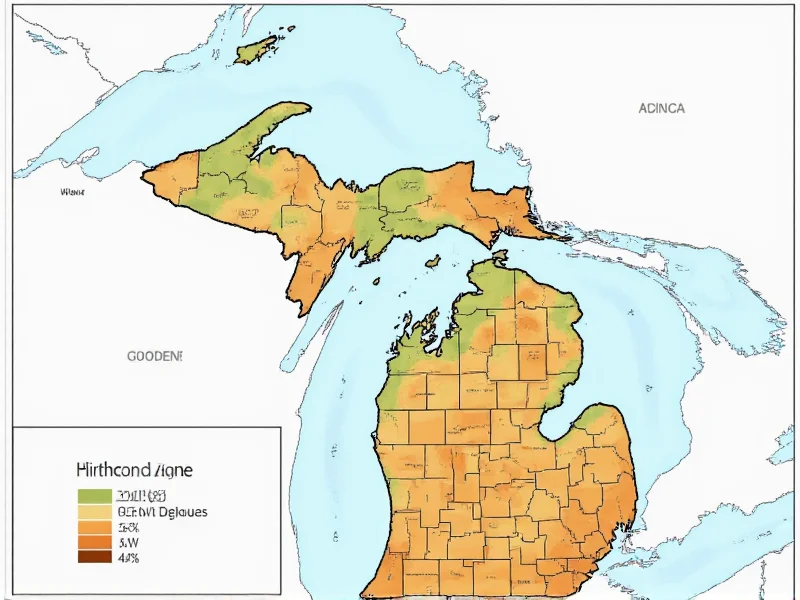
Michigan's Current Hardiness Zone Map (2023 USDA Update)
Michigan's hardiness zones have changed considerably since the last update. Don't rely on outdated information that could lead to costly planting mistakes. The 2023 USDA map reflects our warming climate with significant zone shifts across the state.
Zone Breakdown by Region
| Michigan Region | Current USDA Zone | Winter Low Temperatures | Key Microclimate Factors |
|---|---|---|---|
| Upper Peninsula | 4a-5a | -30°F to -15°F | Lake Superior moderates temperatures in Marquette; inland valleys 5°F colder |
| Northern Lower Peninsula | 5a-5b | -20°F to -10°F | Lake Michigan shores have 100+ more growing days than inland areas |
| West Coast (Grand Rapids area) | 5b-6a | -15°F to -5°F | Lake effect snow creates insulated soil conditions in winter |
| Southeast Michigan (Detroit area) | 6a-6b | -10°F to 0°F | Urban heat island adds 3-5°F; avoid frost pockets in low-lying areas |
Understanding Michigan's Microclimates
Michigan's hardiness zones aren't static across any given region. Your specific location could differ from the general zone by half a category due to these factors:
Lake Effects
Lake Michigan creates a 20-mile-wide warming belt where zones are 1-2 categories milder than expected. However, this "fruit belt" also experiences prolonged cool springs, delaying planting by 2-3 weeks compared to inland zone equivalents.
Urban Heat Islands
Metro Detroit and Grand Rapids areas run 3-5°F warmer than surrounding rural areas, effectively placing some neighborhoods in zone 6b despite being in zone 6a on official maps.
Topographical Influences
North-facing slopes delay bloom time (helpful for avoiding false springs), while south-facing slopes warm faster in spring. Valley locations can be 5-10°F colder than hilltops due to cold air drainage.
Planting Guide for Michigan Gardeners by Zone
Generic zone recommendations often fail in Michigan due to our short growing season and late spring frosts. These Michigan-specific recommendations factor in local conditions verified by MSU Extension data.
Zone 4a-5a (Upper Peninsula & Northern Michigan)
These colder zones require special consideration for Michigan's challenging conditions. Focus on plants that can withstand extreme cold while maturing within our shorter growing season.
Best Trees for Cold Zones
- Paper birch (survives -40°F with proper winter protection)
- Amur maple (naturally avoids late frost damage with delayed blooming)
- Hawthorn varieties resistant to Michigan's fungal diseases
Cold-Hardy Perennials
- Rugosa rose (salt-tolerant for areas with winter road treatment)
- Butterfly weed (blooms before first frost in northern zones)
- Native sedges for erosion control in fluctuating moisture conditions
Short-Season Vegetables
- Early Girl tomatoes (matures in 60 days)
- Purple top turnips (sweetens after frost exposure)
- Michigan State University's 'Huron' bean variety (developed for northern climates)
Pro Tip: Plant near north-facing slopes to delay bloom time and avoid false springs that damage early growth.
Zone 5b-6a (West Coast & Metro Areas)
These zones benefit from lake moderation but still face Michigan's characteristic late frosts. Select plants that can handle both winter cold and spring temperature fluctuations.
Lake-Effect Resilient Trees
- Serviceberry (thrives in lake-effect snow conditions)
- Red oak (naturally resistant to oak wilt prevalent in Michigan)
- Michigan-native hickories for long-term landscape value
Perennials for Variable Conditions
- Bluestem grass (drought-tolerant for summer dry spells)
- Joe-Pye weed (attracts pollinators and tolerates Michigan's variable moisture)
- Michigan lily (native alternative to non-adaptable hostas)
Vegetable Varieties for Michigan's Growing Season
- Detroit Dark Red beets (tolerates cool Michigan soils)
- Sweet Dumpling squash (matures quickly for shorter seasons)
- Michigan State University's 'Blue Lake' pole beans (bred for Midwest conditions)
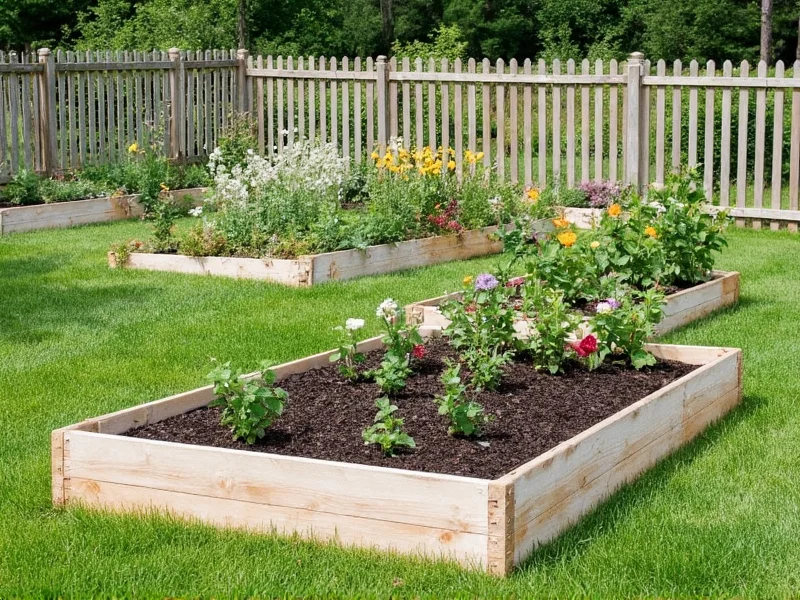
Pro Tip: Use raised beds with dark mulch to capture 10-15 extra growing degree days in spring.
Critical Mistakes Michigan Gardeners Make with Hardiness Zones
Avoid these common errors that lead to plant loss and wasted gardening efforts across Michigan.
Relying on Outdated Zone Maps
Since 2012, 70% of Michigan has shifted to warmer zones. Southern regions moved from 5b to 6a/6b, while the Upper Peninsula saw smaller changes (4a to 4b in some areas). Always verify using the USDA's interactive map with 2023 data rather than relying on printed zone maps or general gardening advice.
Ignoring Local Frost Dates
Michigan's average last frost date varies by 30+ days from Traverse City (May 15) to Detroit (May 5). Using generic "last frost" dates leads to plant loss. Check MSU Extension's frost calculator for your specific county to time planting correctly.
Not Accounting for Soil Conditions
Clay-heavy Michigan soils heave plants in zone 5b due to freeze-thaw cycles. Plant perennials 2" deeper than standard zone recommendations to prevent frost heaving. Conduct a simple soil drainage test before planting zone-sensitive varieties.
Overlooking Microclimate Effects
Your backyard could differ from neighbors just blocks away due to Michigan's complex topography. Use personal weather station data to verify your actual winter lows rather than relying solely on zip code-based zone maps.
Adapting to Climate Change in Michigan Gardens
Michigan's average winter temperature has risen 2.7°F since 1980, altering our gardening landscape. Forward-thinking gardeners should implement these adaptation strategies:
Selecting Zone-Flexible Plants
Choose varieties with wider hardiness ranges to accommodate fluctuating temperatures. Examples include 'Prairie Bluebell' false indigo (survives zones 4-9) and Michigan-native switchgrass that tolerates both drought and flooding.
Creating Protective Microclimates
Establish windbreaks using native cedars to reduce winter desiccation. Position gardens to take advantage of south-facing slopes for earlier spring warming while avoiding frost pockets in low-lying areas.
Tracking Local Climate Data
Monitor MSU's climate records for your specific county's warming trend. Keep a personal garden journal to note first/last frost dates, bloom times, and plant performance to adjust your strategies annually.
Michigan Gardener's Zone Verification Checklist
Before planting, verify these zone-critical factors to ensure gardening success:
- ✔ Your microclimate's actual winter lows (use personal weather station data or MSU Extension resources)
- ✔ Soil drainage test results (critical for zone 5b+ perennials in Michigan's clay soils)
- ✔ Local frost dates from MSU's county-specific calendar
- ✔ Native plant alternatives that perform better than non-adapted varieties
- ✔ Current USDA zone verification using the 2023 map (not older references)