
15 Minnesota Native Plants for Zones 2–4 & -40°F
Why Minnesota Native Plants Outperform Traditional Landscaping
Minnesota's extreme climate—featuring brutal winters with temperatures plunging below -30°F and intense summer heat—demands plants with evolutionary adaptations developed over millennia. Unlike imported species requiring constant care, Minnesota native plants have developed deep root systems (some reaching 14 feet underground) that stabilize soil against freeze-thaw cycles, access deep water reserves during droughts, and regenerate after wildfires. These adaptations translate to landscapes that become more resilient each year while requiring minimal intervention.
When you select regionally appropriate native species, you're not just creating a garden—you're rebuilding broken ecological networks. Each plant supports specialized pollinators and wildlife that have co-evolved with them over thousands of years. For example, the Rusty Patched Bumblebee (now endangered) depends exclusively on specific Minnesota native flowers for survival. By incorporating these plants, your landscape becomes part of a connected ecosystem that actually improves biodiversity over time.
Top Minnesota Native Plants by Regional Conditions
| Minnesota Region | Soil Challenge | Top 3 Recommended Natives | Unique Adaptation |
|---|---|---|---|
| Northern MN (Zones 2-3) | Sandy, nutrient-poor soils | Jack Pine, Bearberry, Blueberry | Develop symbiotic fungi relationships to access nutrients |
| Southern MN (Zones 3-4) | Heavy clay soils | Prairie Dropseed, Butterfly Weed, Blue Flag Iris | Deep taproots that break through clay layers |
| Western MN (Zones 3-4) | Calcareous, alkaline soils | Prairie Blazing Star, Leadplant, Side-oats Grama | Natural pH tolerance mechanisms |
Minnesota Native Plant Profiles: 15 Resilient Species
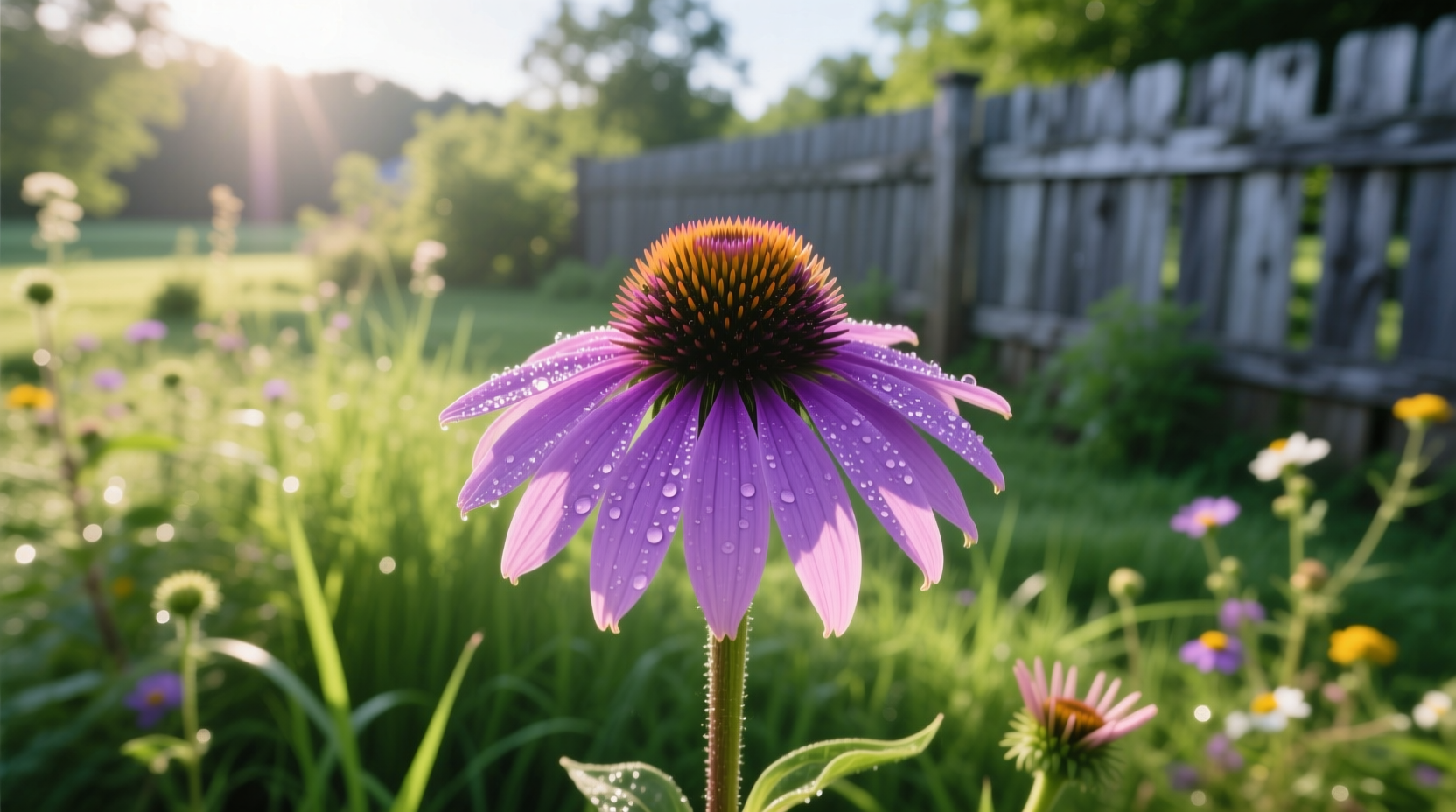
Echinacea purpurea (Purple Coneflower)
USDA Zones: 3-9 | Height: 2-4 ft | Light: Full sun
This Minnesota prairie native withstands drought, heavy clay soils, and temperatures down to -40°F. Its distinctive cone-shaped center provides winter food for goldfinches, while summer blooms attract 25+ native bee species. Unlike hybrid varieties, the straight species offers maximum ecological benefit with higher nectar production.
Minnesota-specific insight: Coneflowers develop taproots up to 15 feet deep—critical for surviving Minnesota's variable rainfall patterns and accessing unfrozen water during winter thaws.
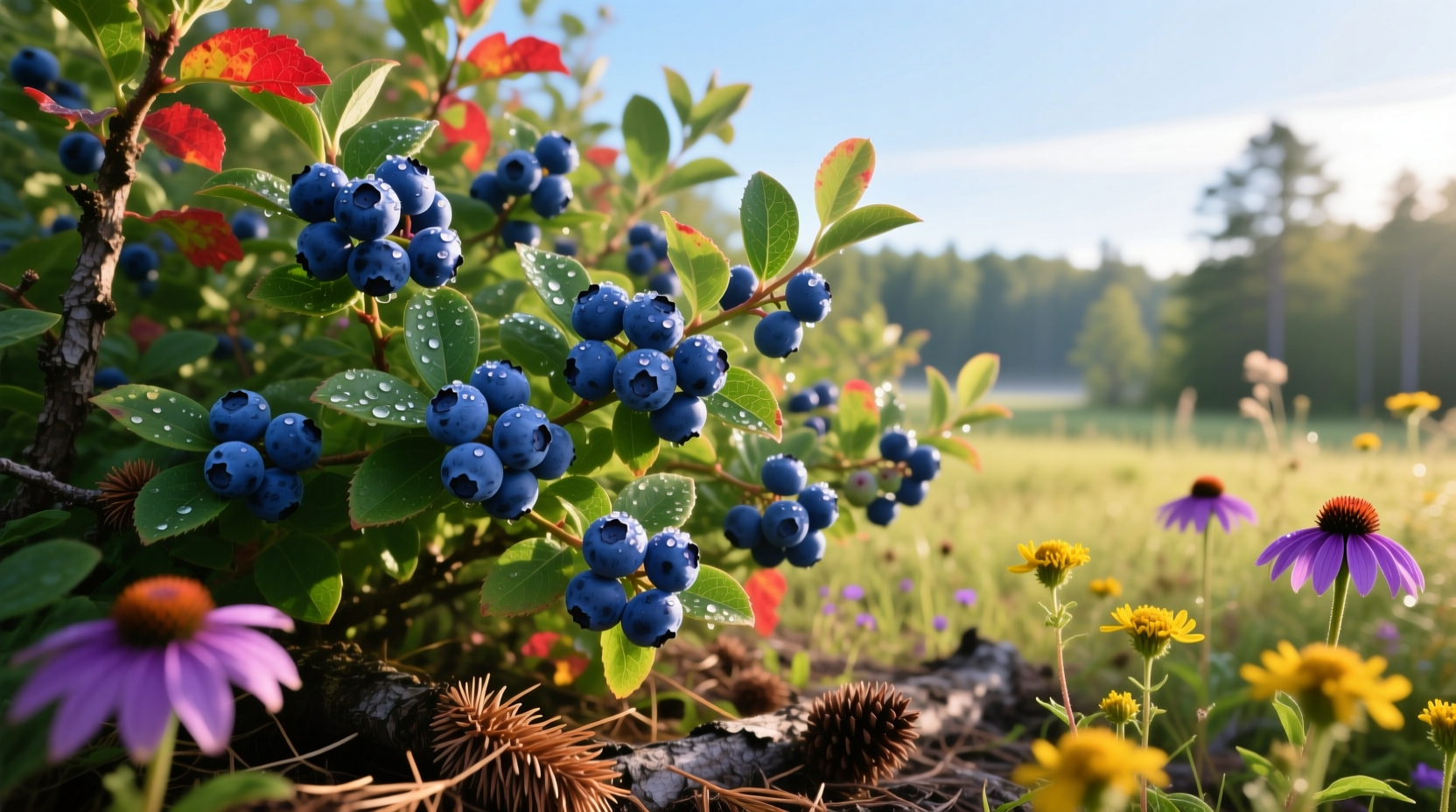
Vaccinium angustifolium (Lowbush Blueberry)
USDA Zones: 2-7 | Height: 6-18 in | Light: Full sun to part shade
Thriving in northern Minnesota's acidic soils, this cold-hardy perennial produces sweet berries while providing brilliant fall color. It naturally spreads through underground rhizomes, creating erosion-resistant groundcover perfect for slopes near lakes—common throughout Minnesota's 10,000+ lakes region.
Minnesota-specific insight: Lowbush blueberries require cross-pollination from other native Vaccinium species—plant them with Minnesota huckleberries for maximum fruit production and ecological benefit.
Asclepias tuberosa (Butterfly Weed)
USDA Zones: 3-9 | Height: 1-2 ft | Light: Full sun
This vibrant orange milkweed is essential for monarch butterfly reproduction in Minnesota. Unlike common milkweed, it doesn't spread aggressively through rhizomes, making it perfect for smaller Minnesota gardens while still supporting the state's declining monarch population.
Minnesota-specific insight: Butterfly weed's deep roots store energy through Minnesota's harsh winters, allowing it to emerge 2-3 weeks earlier than non-natives—providing critical early-season nectar when few other plants bloom.
Seasonal Planting Guide for Minnesota's Short Growing Season
Optimal Planting Windows by Season
Minnesota's brief growing season (120-160 days depending on region) requires precise timing:
- Spring planting (April 15-May 30): Best for woody plants and slow-growing perennials before summer heat. Ideal for northern Minnesota where frost danger extends later.
- Fall planting (September 1-October 15): Superior for most perennials—roots continue developing after top growth stops, giving plants a head start for spring. Critical for southern Minnesota with earlier winter onset.
- Seed sowing: Mimic natural cycles by planting seeds in late October for proper cold stratification through Minnesota's winter.
Minnesota-Specific Soil Preparation Techniques
Address our state's diverse soil challenges with these proven methods:
- Clay soils (southern MN): Amend with 3-4 inches of compost worked into top 12 inches; add gypsum to improve structure without altering pH
- Sandy soils (northern MN): Incorporate 25% peat moss and compost to improve water retention in nutrient-poor soils
- Calcareous soils (western MN): Choose natives adapted to higher pH like blazing star and coneflowers; avoid acid-loving plants
Overcoming Minnesota's Unique Gardening Challenges
Winter Survival Strategies for Minnesota Gardens
Minnesota's freeze-thaw cycles damage plants more than extreme cold—these techniques prevent winter kill:
- Apply 3-4" of shredded hardwood mulch only after ground freezes (late November in southern MN, early December in northern MN)
- Water thoroughly 2-3 times in October if rainfall has been low (<1" weekly)
- Avoid fall fertilizing which encourages vulnerable new growth before winter
- Leave dead foliage intact through winter for insulation and bird food sources
Deer Resistance That Actually Works in Minnesota
Instead of unreliable repellents, create plant communities deer naturally avoid:
- Group aromatic plants like Anise hyssop and Bee balm together—Minnesota deer dislike strong mint family scents
- Include plants with fuzzy leaves like Prairie blazing star—texture deters browsing
- Plant in areas with human activity—Minnesota deer avoid spaces with frequent foot traffic
- Establish visual barriers using native shrubs like Chokecherry at property edges
Where to Find Authentic Minnesota Native Plants
Not all "native" plants provide ecological value. Many nurseries sell cultivars or non-local genotypes that offer reduced wildlife benefits. For genuine Minnesota-adapted plants:
- Seek nurseries specializing in local ecotype plants genetically matched to your specific Minnesota region
- Check the Minnesota Native Plant Society's verified nursery directory for regionally appropriate sources
- Attend native plant sales hosted by watershed districts in spring (April-May) and fall (September-October)
- Consider seed collecting from local wild populations (with landowner permission) for maximum genetic diversity
Frequently Asked Questions
When is the best time to plant native species in Minnesota?
Fall (September 1-October 15) is ideal for most Minnesota native perennials as it allows root development before winter dormancy. Spring planting (April 15-May 30) works well for woody plants and slower-growing species. Avoid summer planting unless providing intensive care, as Minnesota's heat stresses new plants. Northern Minnesota gardeners should prioritize spring planting due to shorter growing seasons.
How do I transition from traditional landscaping to native plants?
Start small by replacing one garden section annually. Prepare soil by removing turf grass, then plant in clusters of 3-7 identical plants for visual impact. Water twice weekly during the first growing season (unless receiving 1"+ weekly rain). Expect 2-3 years for full establishment as native plants develop deep root systems. Minnesota gardeners should prioritize plants adapted to their specific region's soil and climate conditions.
Do native plants really require less maintenance in Minnesota?
Yes, once established (typically after 2-3 years). Minnesota natives need no supplemental watering during normal rainfall patterns, require no fertilizers, and have natural pest resistance. The primary maintenance is strategic cutting back in early spring (after soil reaches 50°F) and occasional division every 3-5 years to control spread. They withstand Minnesota's extreme temperature swings without damage.
How do native plants handle Minnesota's extreme temperature swings?
Minnesota natives have evolved specific adaptations: deep taproots accessing groundwater during droughts, fibrous root systems stabilizing soil against freeze-thaw cycles, and natural dormancy mechanisms protecting them during sub-zero temperatures. Many develop protective leaf coatings minimizing winter desiccation. Species like Bearberry survive temperatures down to -50°F through specialized cellular antifreeze compounds.