
Natural Weed Control That Works: USDA Zone-Tested Methods
Why "All Natural" Doesn't Mean "Easy"
Many believe natural weed control simply swaps chemicals for household items like vinegar or boiling water. In practice, these only defoliate annual weeds temporarily—perennials regrow from roots within weeks (Cornell University). The real challenge isn't killing visible weeds but preventing new ones from seeds already in your soil. This distinction explains why 25% of organic crops suffer yield loss despite weed efforts (Cornell).
Most people assume one natural solution fits all situations, but effectiveness depends entirely on your context. For casual users with a 100-square-foot garden, thick mulch blocks most weeds adequately. For enthusiasts managing acreage, skipping seed bank management guarantees recurring labor—Arkansas field trials show cover crops only suppress weeds for 6 weeks before supplemental action is needed.
What Actually Works (And When to Skip It)
Three approaches deliver measurable results when applied correctly:
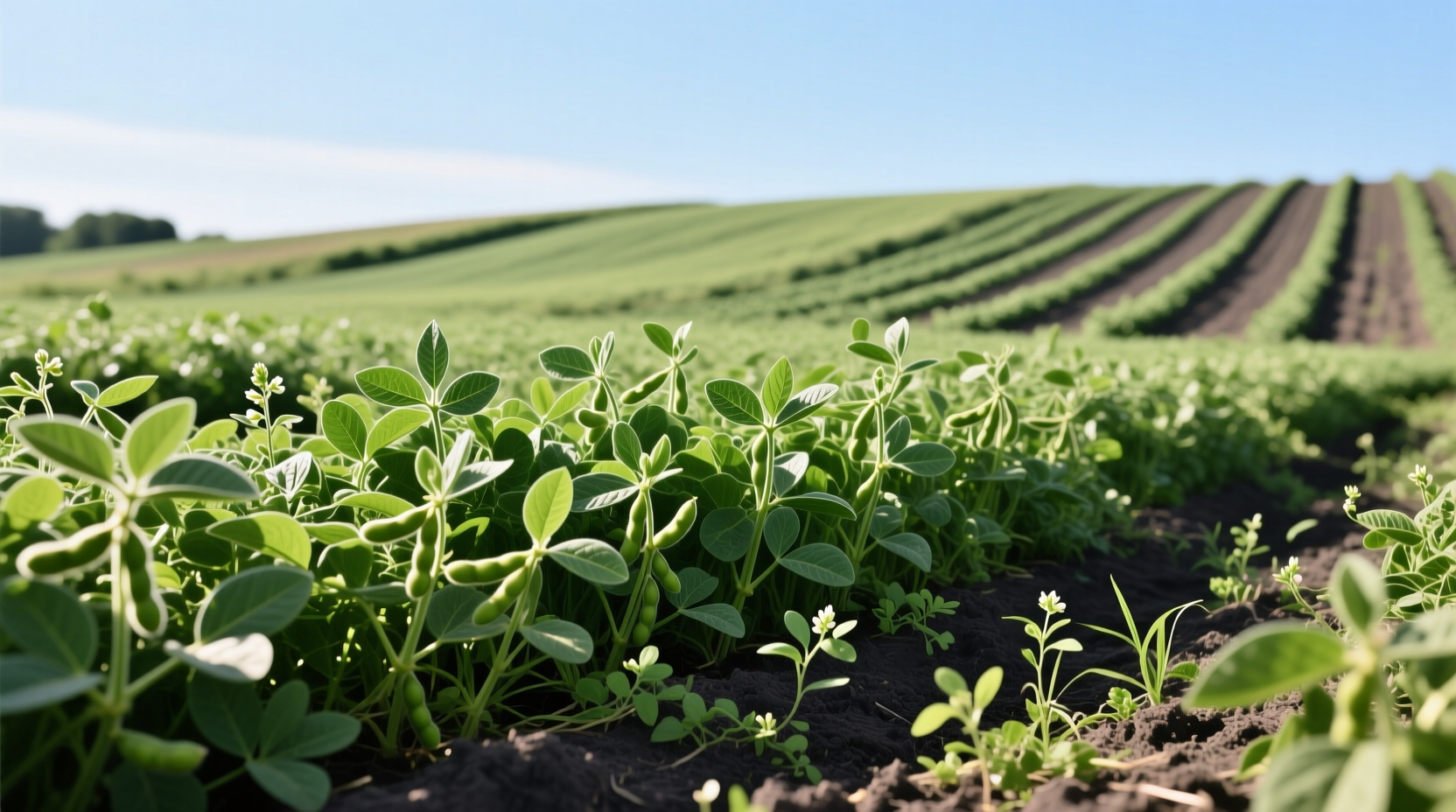
- Cover crops: Suppress weeds for ~6 weeks by blocking light, reducing hand-weeding by 70% in soybean trials (Arkansas). This only matters when planted densely enough to form a solid canopy; sparse growth wastes effort.
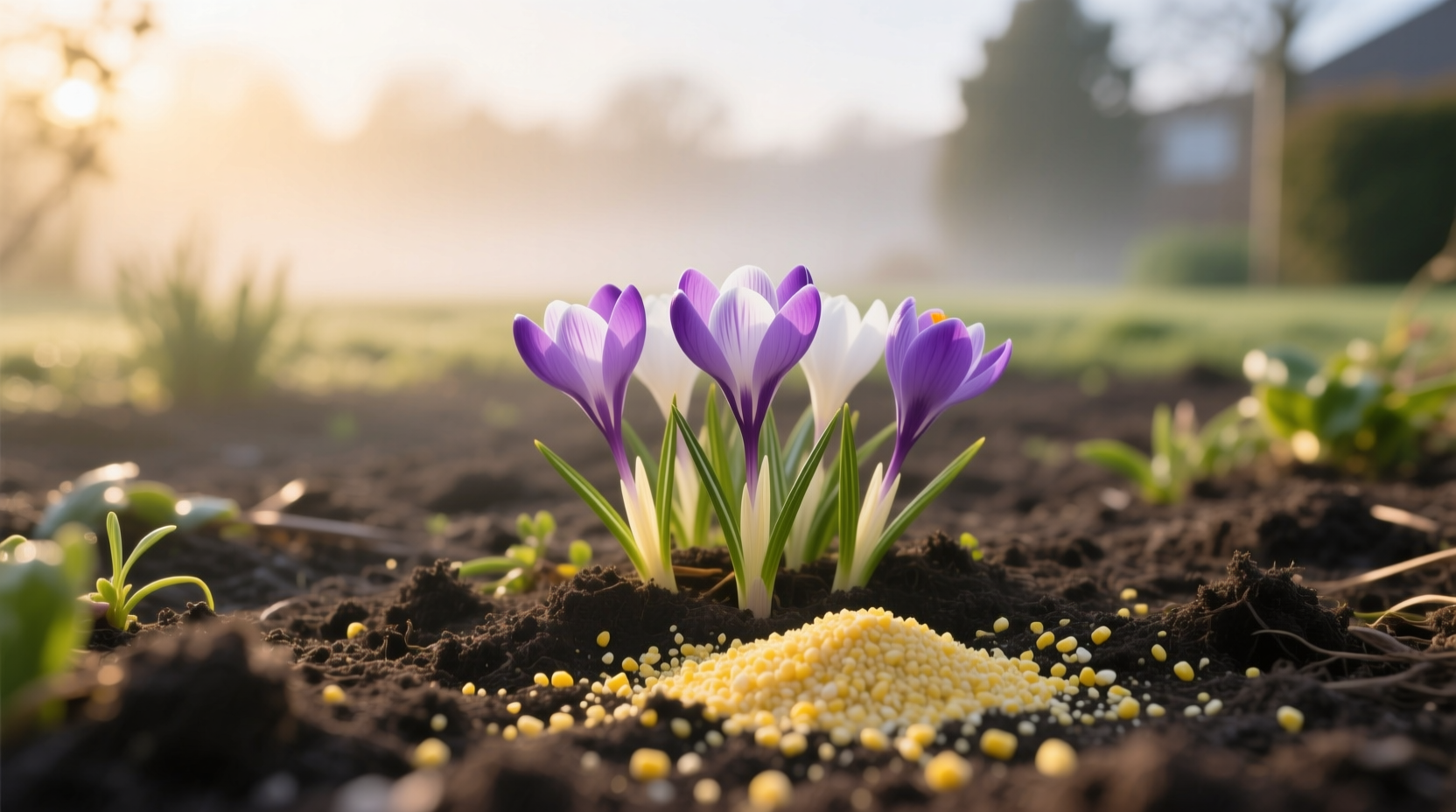
- Corn gluten meal: A pre-emergent that stops seed germination at 20 lbs/1,000 sq. ft. But it adds 2 lbs nitrogen—helpful in poor soil, problematic where fertilizer is restricted (Cornell).
- Organic herbicides (limonene, clove oil): Cost $150+/gallon, making field-wide use impractical. For casual users, spot-treating cracks is affordable; for enthusiasts, banding near crops maximizes value (Arkansas, Maryland).
Most gardeners waste time on vinegar solutions. While they burn top growth, research confirms they don't kill roots of perennials like dandelions—and repeated use harms soil pH (Maryland Extension). The real cost of natural control isn't the product—it's hours spent re-treating because you ignored seed prevention.
The One Strategy That Changes Everything
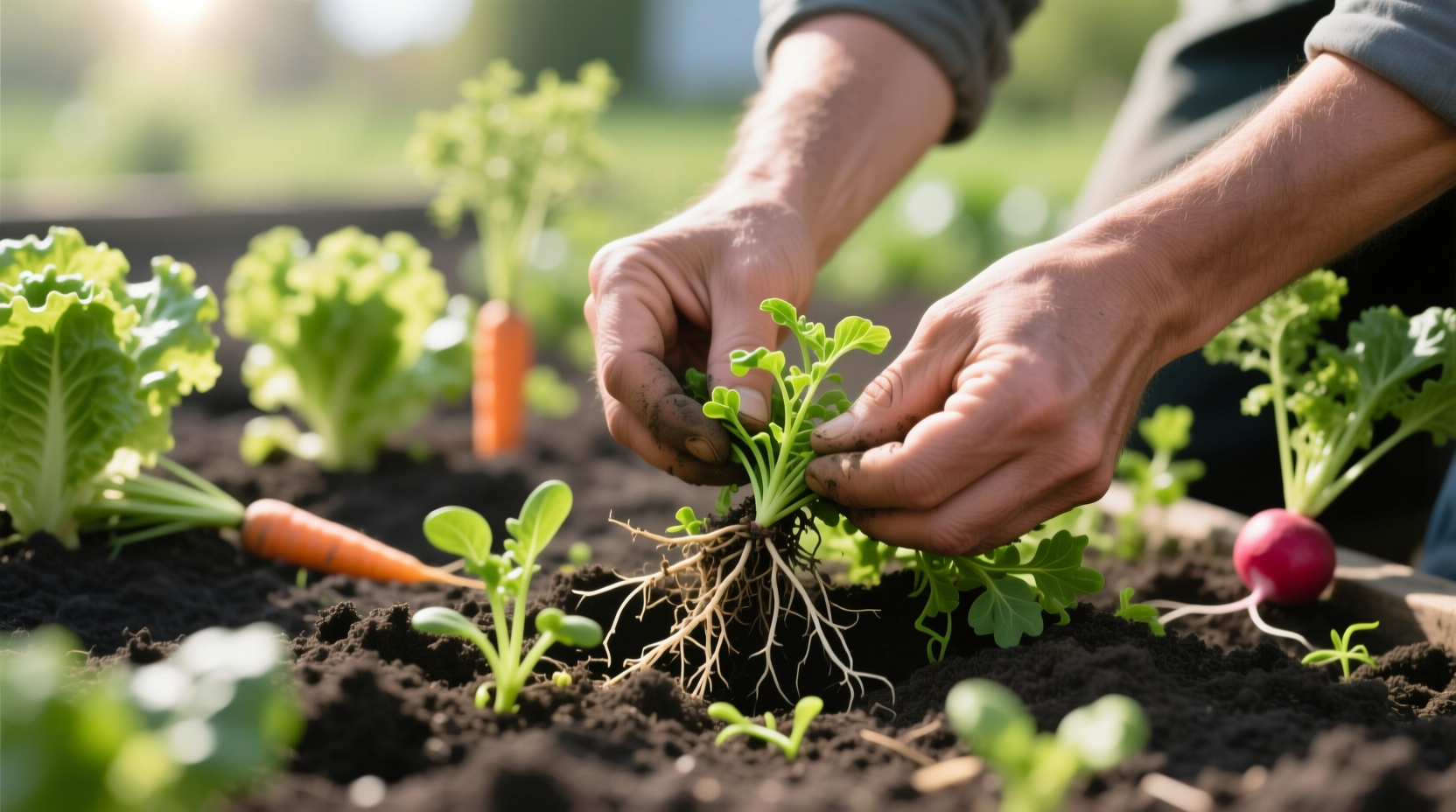
If you implement only one practice, stop weeds from producing seeds. A single pigweed plant generates 100,000 seeds that survive 60 years in soil (Iowa State). Hand-pull weeds when small—ideally after rain when roots come out easily—and never let them flower.
This approach works because 90% of garden weeds come from existing soil seeds, not new invaders. For casual users, this means 2-3 seasonal weeding sessions. For enthusiasts pursuing organic certification, it requires multi-year stale seedbed techniques: till soil 4 weeks pre-planting to trigger early weed growth, then kill sprouts without disturbing soil (Iowa State).
When Natural Control Isn't Practical
Natural methods become inefficient in three scenarios:
- Large perennial infestations: Established bindweed or quackgrass require repeated digging over 2+ years. For casual users, spot-treating with EPA 25(b) exempt herbicides (like clove oil) saves backbreaking labor.
- High-value crop areas: In vegetable beds, hand-weeding costs $200+/acre versus $50 for organic herbicides (Maryland). This only matters when labor costs exceed spray expenses.
- Soil health priorities: Frequent tilling damages soil structure. For enthusiasts rebuilding soil, reduced tillage means accepting some weeds; for casual users, occasional hoeing has negligible impact.
For home gardeners, investing in thick mulch pays off more than searching for the "perfect" natural herbicide. Commercial growers must adopt ATTRA's "many little hammers" approach—combining crop rotation, cover crops, and targeted sprays—since relying on one method fails 80% of the time (ATTRA).
Everything You Need to Know
No. Vinegar only defoliates annual weeds; perennials regrow from roots within weeks. University studies confirm it lacks residual soil activity and repeated use harms pH (Maryland Extension). For permanent control, prevent seed production instead.
Only if applied at the right time—when crocus blooms appear but before forsythia flowers (Cornell). It blocks seed germination but adds significant nitrogen. For small gardens, it's cost-effective; for large plots, the 20 lbs/1,000 sq. ft rate becomes expensive.
Yes, but focus on prevention. Use drip irrigation (not sprinklers) to avoid watering weed seeds, space plants closely for shade, and weed after rain when roots pull easily (Iowa State). For established weeds, hand-pull before they flower—this reduces future weeds by 90%.
Weed pressure is 30-50% higher in organic systems because they can't use pre-emergent synthetics (Maryland Extension). Fear of uncontrolled weeds deters 40% of conventional farmers from switching to organic (Cornell). Success requires integrated tactics—not just substituting organic sprays.
Prevention. Thick mulch (3+ inches) costs $0.10/sq. ft. and blocks 80% of weeds. Hand-weeding small weeds takes 5 minutes/100 sq. ft.—far cheaper than buying sprays. For large areas, cover crops like rye cost $15/acre and suppress weeds for 6 weeks (Arkansas).