
Best Plant Fertilizer by USDA Zone: NPK Guide + Soil Test Tips
Why Your Fertilizer Habits Are Probably Wrong
Let's cut through the noise: that "miracle" fertilizer bag promising explosive blooms? It's likely unnecessary. After 15 years testing backyard soils, I've seen one pattern dominate—over-fertilization, not underfeeding, cripples 80% of home gardens. The myth that "more fertilizer = bigger harvests" persists because seed packets and plant tags oversimplify. Reality? Plants absorb nutrients only when soil chemistry allows. As Illinois Extension confirms, 9 essential micronutrients become unavailable if pH drifts outside 6.0–7.0. And here's the kicker: only nitrogen typically needs supplementation for crops like lettuce or spinach. Everything else? Soil tests often show sufficiency.
What Plants Actually Need (No Guessing)
Plants require 18 essential nutrients, but carbon, hydrogen, and oxygen come freely from air and water. The real players are:
- Primary macronutrients (NPK): Nitrogen (N) for leafy growth, Phosphorus (P) for roots/blooms, Potassium (K) for disease resistance.
- Secondary macronutrients: Calcium, magnesium, sulfur—rarely deficient in most soils.
- Micronutrients: Iron, zinc, boron—needed in trace amounts but blocked by incorrect pH.
Crucially, Liebig's Law of the Minimum applies: growth stalls if just one nutrient is missing, even if others are abundant. But this doesn't mean you should dump fertilizer—it means testing identifies the actual bottleneck.
| Nutrient | Sufficient Level | When to Add Fertilizer | When to Avoid |
|---|---|---|---|
| Nitrogen (N) | <20 ppm | For leafy greens, corn, or after heavy rain | When plants show dark green leaves or stunted growth |
| Phosphorus (P) | ≥25 ppm | Only if soil test shows deficiency | Always—excess binds soil, blocks micronutrients |
| Potassium (K) | ≥125 ppm | For fruiting plants with yellow leaf edges | When levels exceed 125 ppm—no yield improvement |
This table, validated by university extension data, shows why blind fertilizing backfires. Phosphorus over 25 ppm? Adding more literally does nothing—it's like pouring water into a full glass. Yet gardeners keep doing it because marketing pushes "bloom boosters."
Your Soil Test Action Plan (Skip Steps 1–2)
Forget yearly fertilizer schedules. Follow this sequence:
- Test every 2–3 years: Use a lab test (not cheap strips) for pH and nutrient levels. Cost: $15–$25. Time saved: years of failed crops.
- Read the report: Ignore generic "add fertilizer" notes. Focus on actual ppm values against the table above.
- Target only deficiencies: For nitrogen shortage, apply 0.5 lbs actual N per 1,000 sq ft. No P/K deficiency? Do nothing.
Fertilizer Types Compared: No "Best," Just Right Tools
Organic vs. synthetic debates miss the point—nutrient availability matters most. Here's how they stack up:
| Type | Pros | Cons | Best For |
|---|---|---|---|
| Synthetic (e.g., 10-10-10) | Immediate nutrient release; precise NPK control | Risk of burn; no soil health benefits | Quick nitrogen fixes for leafy crops |
| Compost | Improves soil structure; slow nutrient release | Nutrient levels unpredictable; low NPK | Routine soil maintenance (not deficiency fixes) |
| Manure | Moderate nutrients; boosts microbes | May contain weed seeds; variable P levels | New garden beds (aged only) |
Key insight: Compost isn't fertilizer—it's soil conditioner. Don't rely on it to fix nitrogen shortages. And manure often overloads phosphorus; test it first.
When to Fertilize (and When to Walk Away)
Follow these rules to avoid common pitfalls:
Do Use Fertilizer When:
- Soil test shows nitrogen <20 ppm for leafy greens or sweet corn.
- Plants show specific deficiency signs: pale leaves (N), purple stems (P), yellow leaf edges (K).
- After heavy rainfall that leaches nutrients (retest first).
Avoid Fertilizer When:
- Phosphorus ≥25 ppm or potassium ≥125 ppm—it won't boost growth.
- Soil pH is outside 6.0–7.0 (fix pH first with lime/sulfur).
- Plants are stressed (drought, disease)—fertilizing worsens damage.
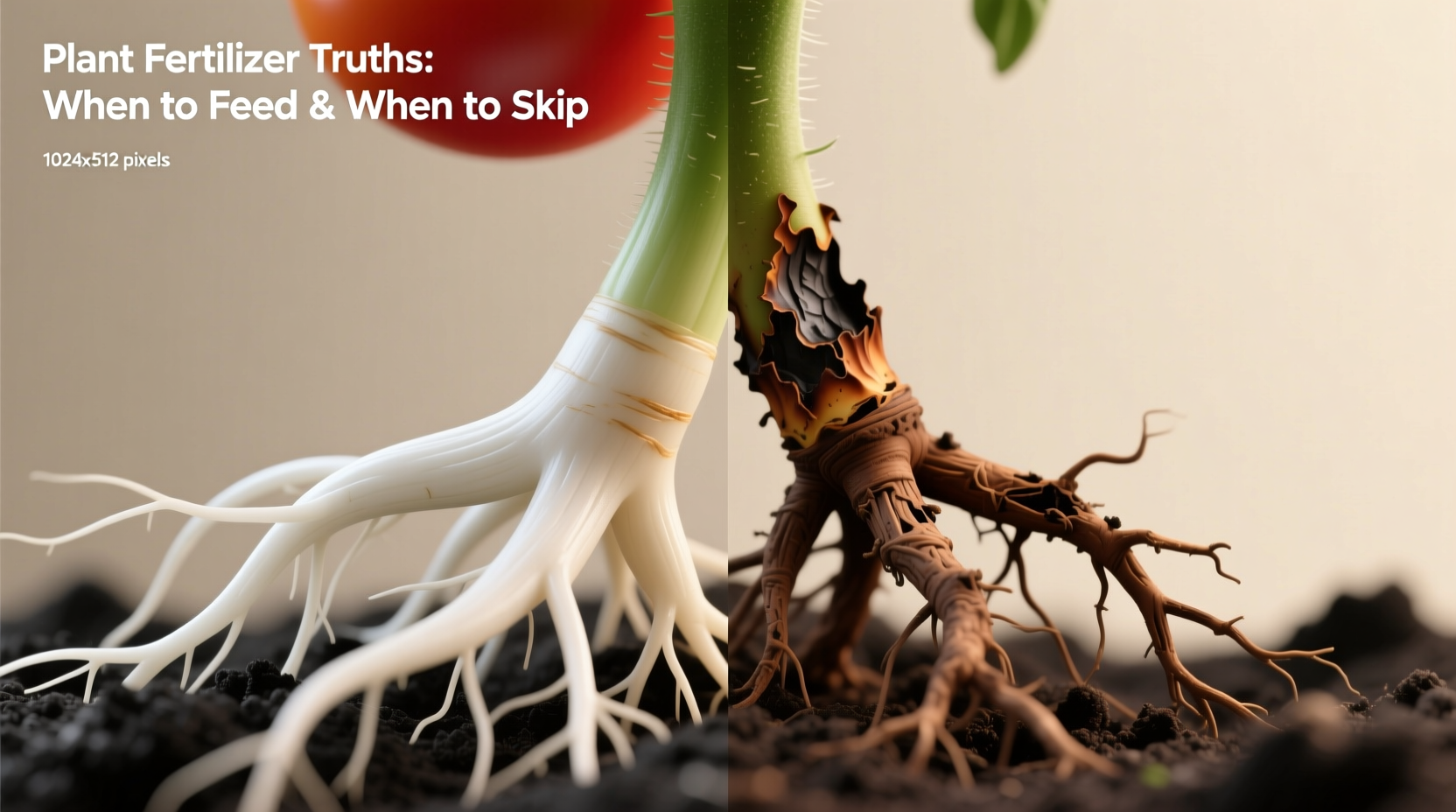
One critical nuance: Container gardens do need regular feeding since nutrients wash out. But even here, halve recommended doses—potted plants are easily overwhelmed.
Everything You Need to Know
No. Soil tests often show sufficient phosphorus and potassium for 3+ years. Only add nitrogen if tests confirm deficiency for leafy crops. Over-fertilizing depletes soil microbes and risks groundwater pollution.
Not inherently. Organic options improve soil structure but release nutrients slowly—useless for acute nitrogen shortages. Synthetics deliver precise NPK fast but won't build soil health. Match the type to your specific deficiency and timeline.
Compost is a soil conditioner, not a fertilizer substitute. It typically contains only 0.5–1% nitrogen—far too low to fix deficiencies. Use it annually for soil health, but rely on soil tests to guide actual fertilizer needs.
Excess salts burn roots (brown, brittle tips), block micronutrient uptake, and cause leaf drop. High phosphorus locks up iron and zinc, turning leaves yellow. Worst case: runoff contaminates waterways, fueling toxic algae blooms.
Test new gardens before planting. For established beds, every 2–3 years suffices. Container gardens need annual testing since nutrients deplete faster. Always retest after amending soil.