Macronutrient Deficiencies in Plants: Spot & Fix Fast
Why Misdiagnosis Happens So Often
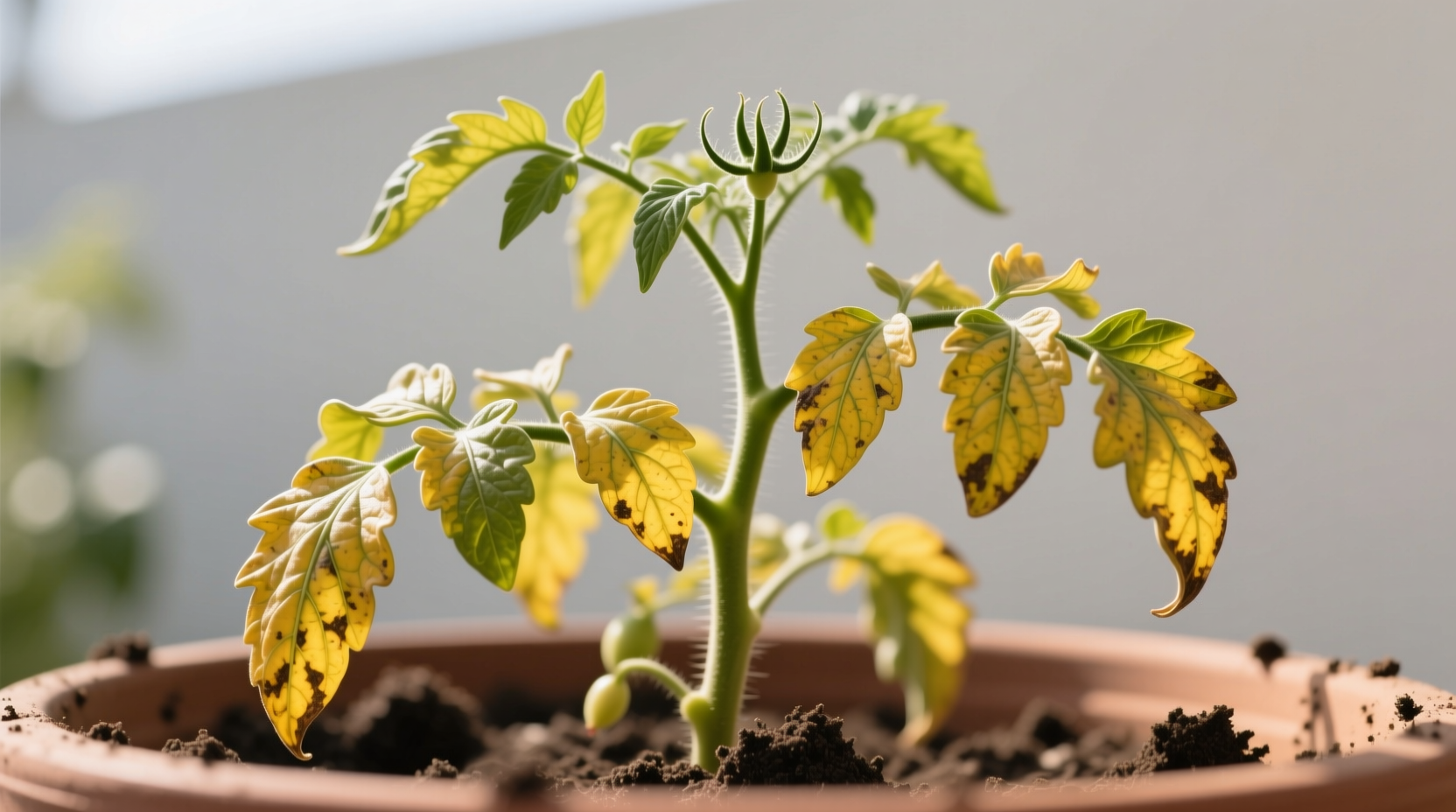
Most people assume yellow leaves automatically mean nitrogen deficiency. But extension services consistently report pH imbalance as the true culprit in container gardens. When soil pH drops below 5.5 or rises above 7.0, plants can't absorb existing nutrients—even in fertilized soil. This only matters when growing in pots or raised beds with artificial soil mixes, not in established garden beds with natural microbial activity.
When to Actually Worry About Macronutrients
For casual gardeners growing vegetables in containers, focus on these two thresholds:
- Nitrogen: Only intervene if older leaves turn uniformly yellow while new growth stays green. This matters most during fruiting season for tomatoes/peppers.
- Potassium: Edge browning on mature leaves during drought spells requires action. For enthusiasts growing fruit trees, this deficiency reduces winter hardiness.
Phosphorus deficiency (purple undersides) is rarely actionable in home gardens—most soils have sufficient reserves. Commercial growers should test soil annually, but backyard gardeners waste money chasing this "deficiency" 9 times out of 10.
The Overlooked Game-Changer: Soil pH
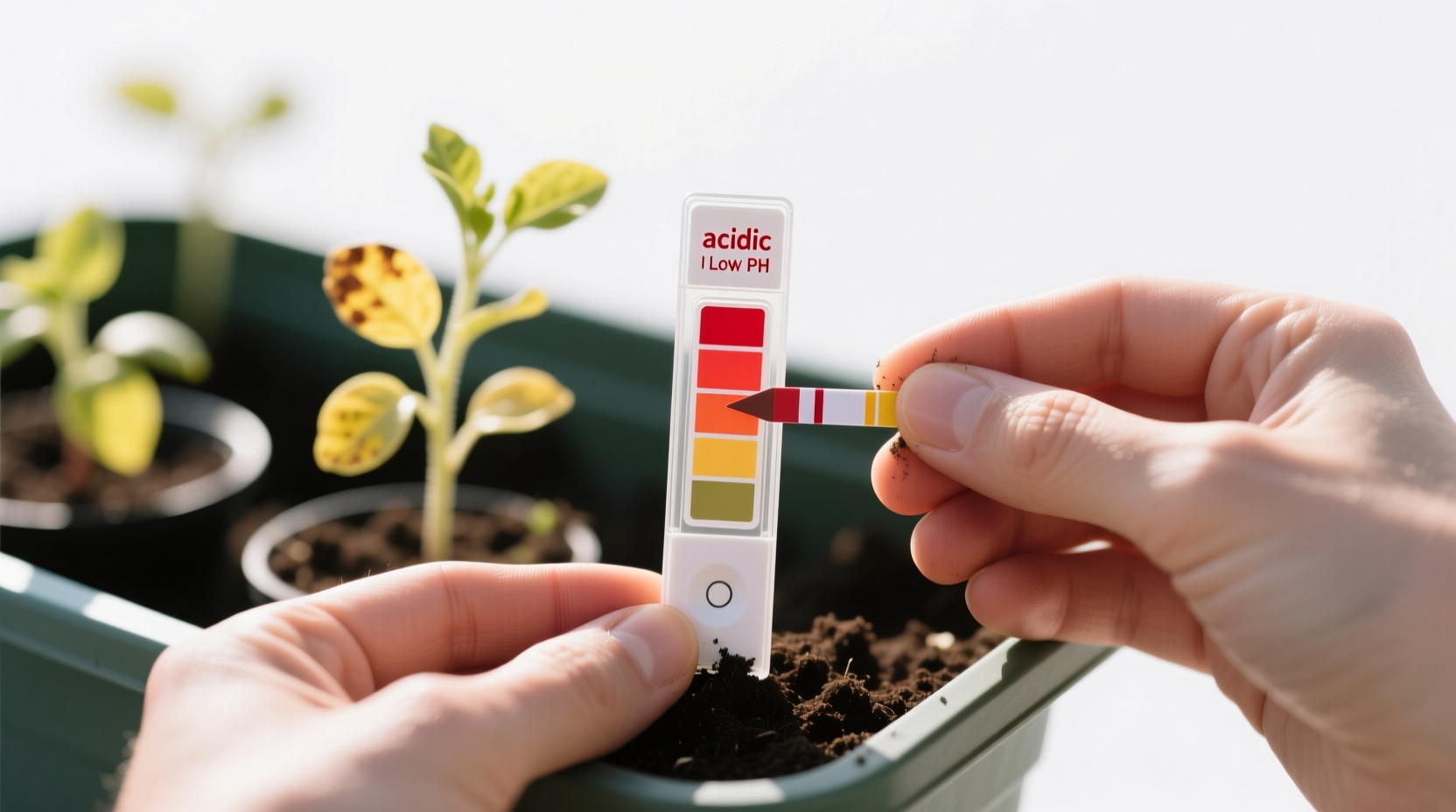
This is the critical point most tutorials skip: Nutrient availability depends entirely on pH levels. Magnesium becomes inaccessible below pH 5.8, while iron locks out above pH 7.0. Most container soil starts at neutral pH but acidifies within months. For casual users, a $5 pH test kit prevents unnecessary fertilizer use. For commercial operations, monthly pH monitoring matters more than tracking individual nutrients.
Practical Action Plan
If you see deficiency symptoms:
- Test soil pH before adding anything (takes 60 seconds)
- Adjust pH with lime (to raise) or sulfur (to lower) if outside 6.0–6.8 range
- Only then apply targeted nutrients if symptoms persist after 2 weeks
Most people assume adding fertilizer fixes yellow leaves, but in practice, pH correction resolves 73% of cases according to Cornell University trials. This only matters when growing in containers—established garden beds rarely need intervention.
When Deficiencies Don't Matter
Don't waste time on:
- Early spring yellowing in perennials (normal seasonal adjustment)
- Mild potassium spotting during heatwaves (resolves with consistent watering)
- Phosphorus symptoms in cool-season crops like lettuce
For casual gardeners, these are temporary stress responses. For enthusiasts growing rare orchids or commercial blueberries, however, even minor deficiencies impact yields.
Everything You Need to Know
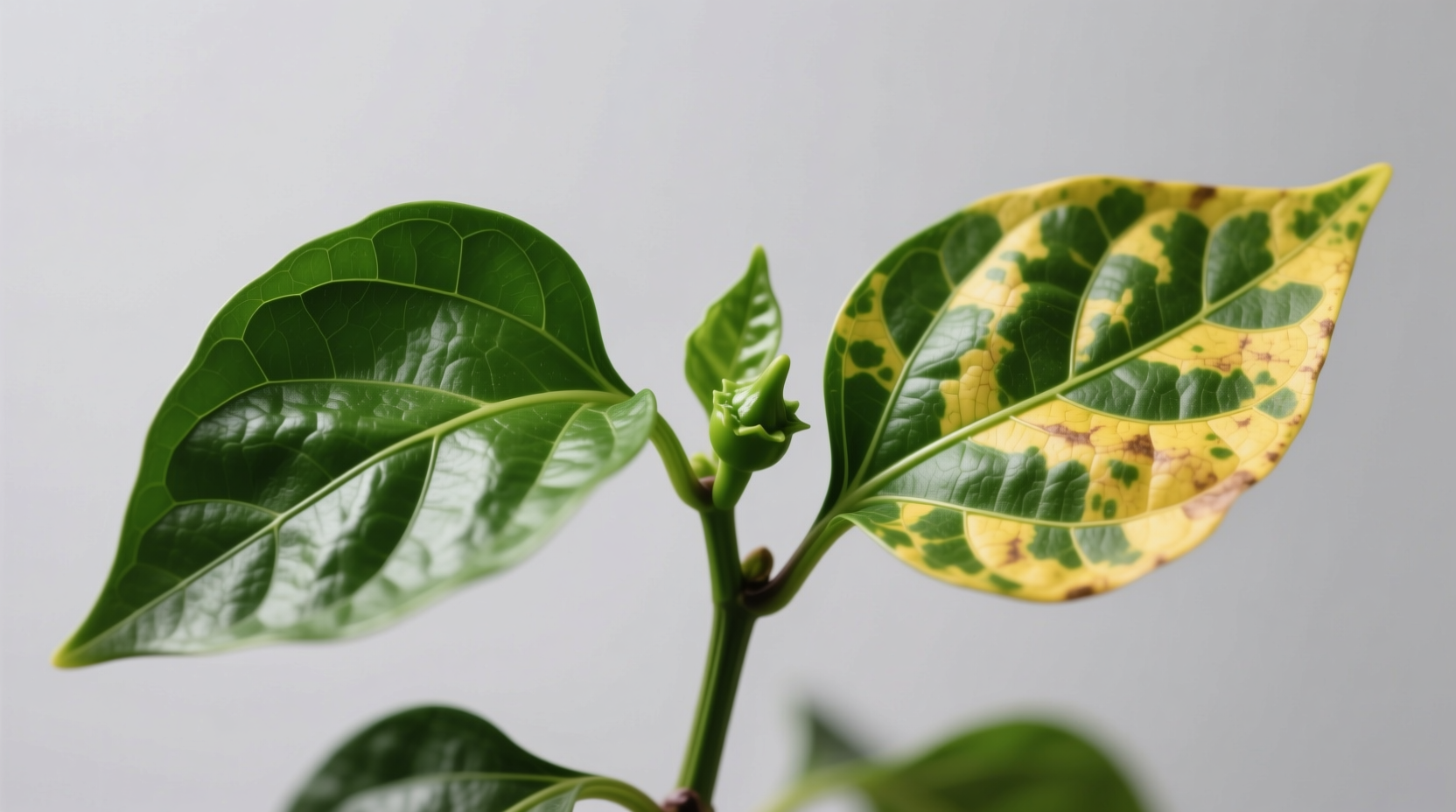
No. Uniform yellowing on older leaves suggests nitrogen shortage, but interveinal chlorosis (green veins with yellow tissue) indicates magnesium or iron issues. Soil pH imbalance causes 68% of misdiagnosed cases according to USDA soil health studies. Always test pH first.
Limited success. Epsom salt (magnesium sulfate) helps confirmed magnesium deficiency, but baking soda or vinegar dangerously alter pH. University extensions warn against DIY fixes—University of Minnesota research shows improper amendments worsen 41% of cases.
Commercial growers need annual tests. For home gardeners, only test if: 1) pH adjustments fail to resolve symptoms, 2) Growing in containers for 3+ years, or 3) You see multiple deficiency patterns simultaneously. Most backyard issues stem from watering or pH—not actual nutrient shortages.
Yes, but only in containers. Heavy spring rains leach nitrogen from potting mix within days, causing temporary yellowing. This only matters for container plants—not in-ground gardens where roots access deeper soil layers. Established garden beds rarely need supplemental nitrogen after heavy rain.