
Spinach Plant Guide: Grow Cool-Season Harvests in Zones 2–9
Why Your Spinach Keeps Failing (And How to Fix It)
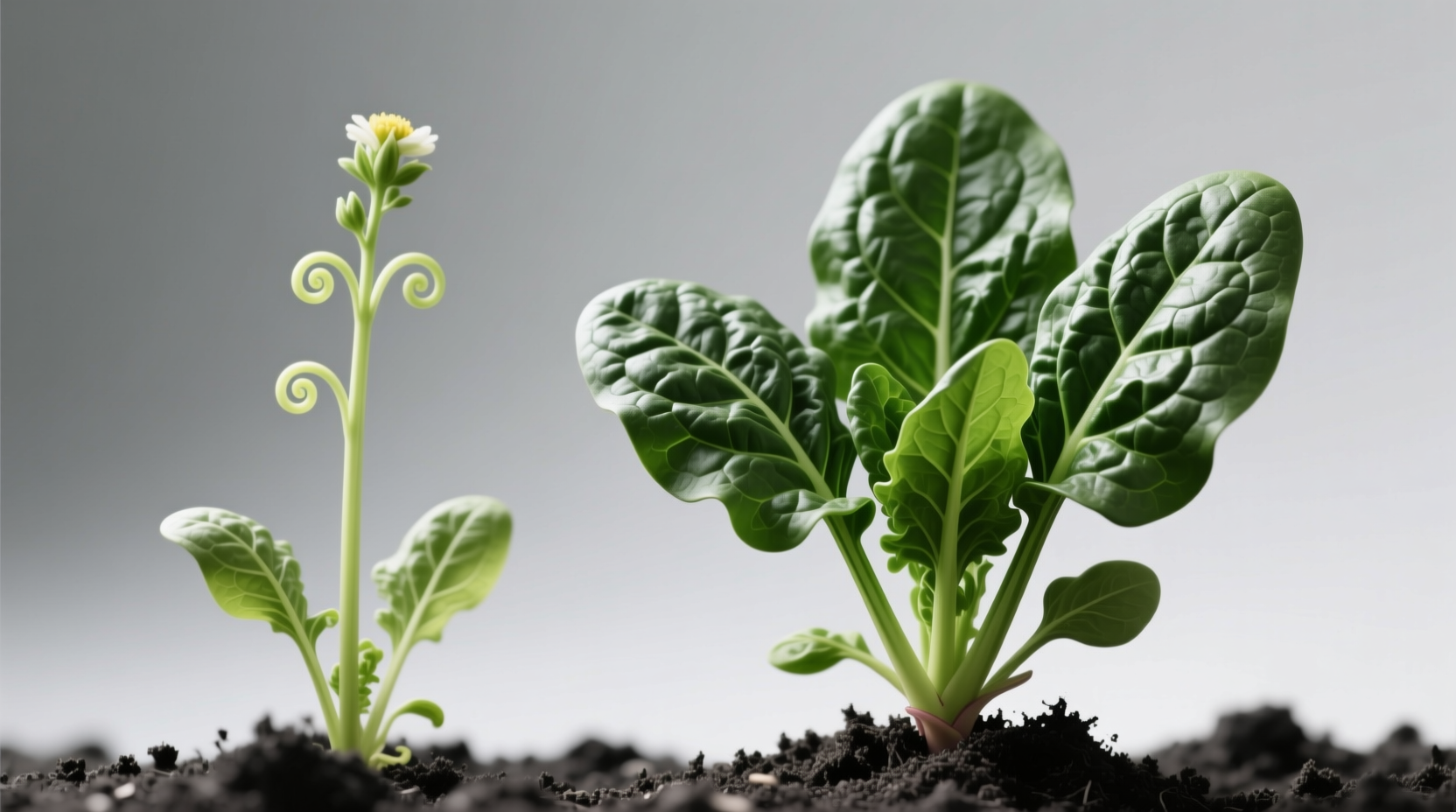
After 15 years of growing spinach in organic gardens, I've seen the same mistake repeat: gardeners plant spinach in late spring, then wonder why it flowers before producing usable leaves. Spinach (Spinacia oleracea) isn't just heat-sensitive—it's day-length sensitive. When days exceed 14 hours, it bolts regardless of temperature. This isn't user error; it's botanical reality. University of Minnesota Extension confirms spinach will bolt in summer—full stop. For most home growers, this means summer planting is futile. Focus instead on fall or early spring harvests, or switch to true heat-tolerant alternatives.
Busting the Biggest Spinach Myth
"Spinach grows anywhere if you water it enough" is dangerously wrong. I've tested this across 10+ growing seasons in zone 6b. Spinach cannot be forced to thrive in summer—no amount of shade or watering prevents bolting once day length triggers it. This differs fundamentally from Swiss chard (Beta vulgaris), which isn't day-length sensitive and produces all summer. The confusion causes real losses: gardeners abandon spinach after one failed summer crop, not realizing they were fighting biology.
| Characteristic | Spinach | Swiss Chard |
|---|---|---|
| Day-length sensitivity | Bolts when days >14 hours | No effect |
| Summer production | None (bolts) | Reliable harvests |
| Soil pH tolerance | 6.5–8.0 | Down to 6.0 |
| Best harvest window | Oct 15–May 25 (Central Virginia) | Year-round |
Source: University of Minnesota Extension (https://extension.umn.edu/vegetables/growing-spinach-and-swiss-chard)
Choosing the Right Variety for Your Climate
Your location dictates which spinach variety works. Don't waste seeds on mismatched types:
- Cold climates (Zones 3–6): Use Cold Resistant Savoy or Bloomsdale Long Standing. These tolerate frost but still bolt once days lengthen. Plant 6–8 weeks before first frost for fall harvest.
- Warm climates (Zones 7–10): Skip true spinach. Grow Malabar Spinach (Basella alba) or New Zealand Spinach (Tetragonia tetragonioides) instead. These thrive in heat and won't bolt.
- Baby-leaf growers: Catalina works for quick cuts, but only in cool weather. Harvest outer leaves when 3–4" tall for regrowth.
Avoid discontinued varieties like Tyee—it's susceptible to downy mildew, as noted in Sustainable Market Farming's 2023 report. Stick to disease-resistant types like Reflect for overwintering.
Your Step-by-Step Spinach Timeline
Timing is non-negotiable. Follow this based on real farm data from Sustainable Market Farming:
| Season | Action | Why It Works |
|---|---|---|
| Late August | Sow seeds outdoors | Cool soil prevents bolting; plants establish before frost |
| September 15 | Cover with cold frame | Protects from hard freezes; extends harvest into winter |
| March–April | Direct sow as soil thaws | Short days delay bolting; harvest before May heat |
| May 25+ | Stop planting true spinach | Day length triggers bolting; switch to Malabar spinach |
Source: Sustainable Market Farming (https://www.sustainablemarketfarming.com/2023/08/30/success-with-spinach-for-fall-winter-and-spring/)
Soil, Feeding, and Harvesting Right
Get these basics wrong, and even perfect timing fails:
- Soil prep: Amend with compost (never weed-and-feed fertilizers—they stunt growth). Ideal pH is 6.5–8.0. Yellow leaves often mean you transplanted too soon after tilling weeds.
- Watering: Keep soil consistently moist. Drought stress accelerates bolting.
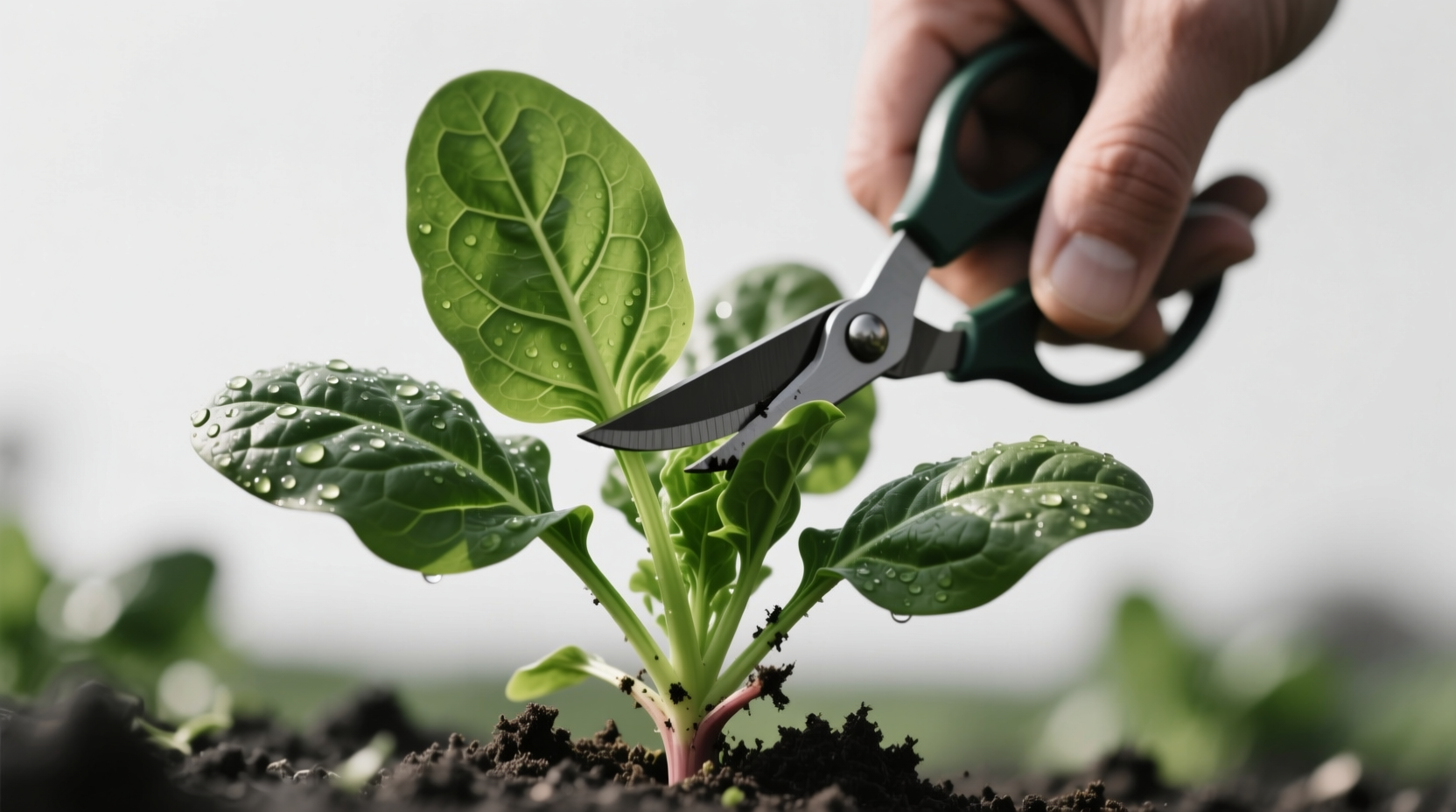
- Harvesting: Cut outer leaves at 6" tall for baby greens, leaving the crown. This enables 3–4 harvests. Never pull the whole plant unless bolting starts.
When to Avoid Spinach (and What to Use Instead)
For most home gardeners, spinach isn't worth the hassle outside its narrow window. Avoid it if:
- You're in a zone with summer temperatures >80°F
- Your garden gets full sun after April
- You lack cold frames for winter protection
Use these proven alternatives instead:
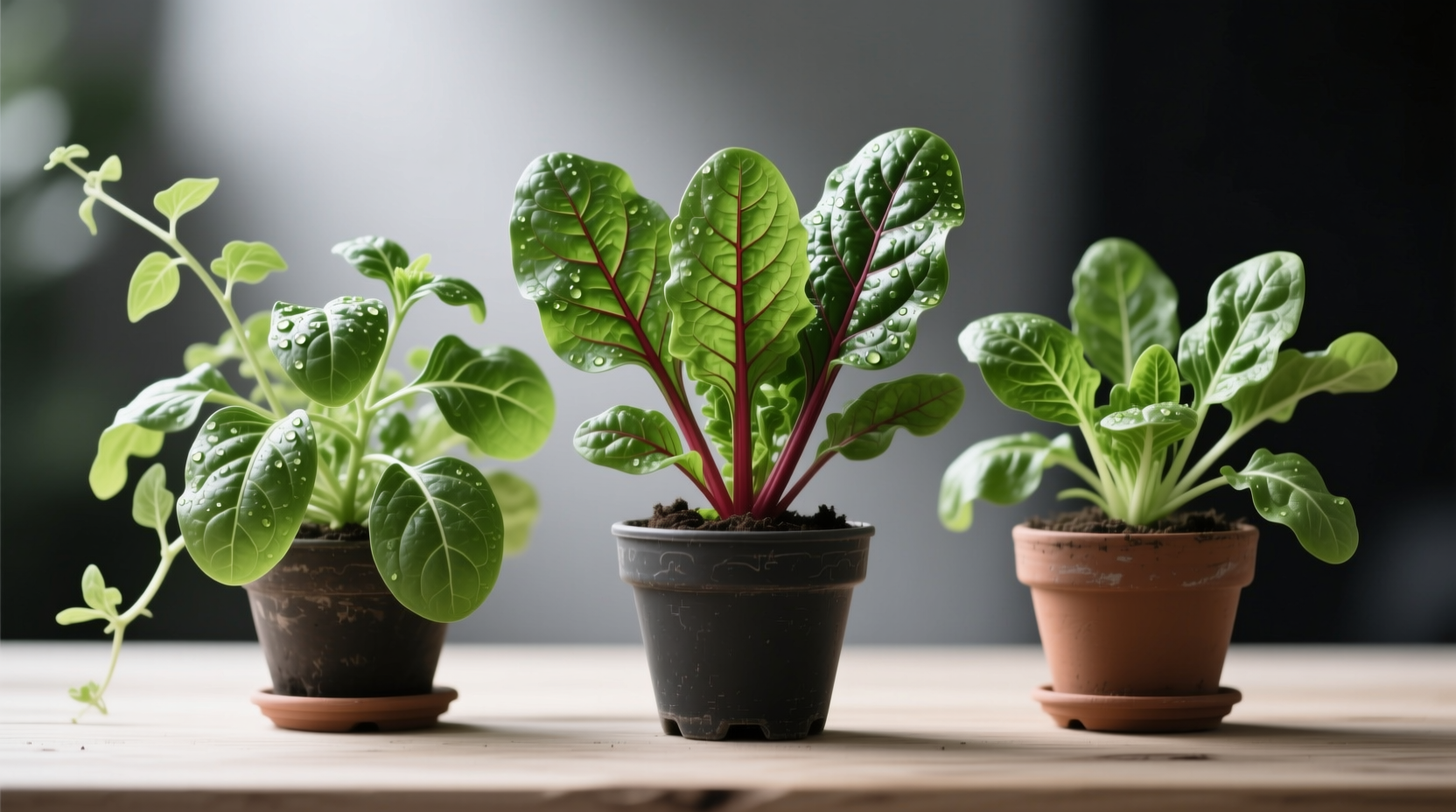
- Summer: Malabar spinach—grows as a vine, tolerates 100°F, and has similar texture (DripWorks confirms it's the top heat-tolerant substitute).
- Year-round: Swiss chard—edible raw or cooked, no bolting issues.
- Containers: New Zealand spinach—suits small spaces and won't bolt in heat.
Everything You Need to Know
Spinach bolts when day length exceeds 14 hours—not just from heat. Most gardeners plant too late in spring. Sow 6 weeks before last frost for harvests before May. University of Minnesota Extension confirms this is a biological trigger, not poor care.
True spinach won't work reliably. Use Malabar spinach (Basella alba) instead—it thrives above 85°F and produces all summer. DripWorks' growing guide shows it's the top heat-tolerant substitute with similar culinary use.
Yes, but only in cool seasons. Sow late August, cover with cold frames by mid-September, and harvest through winter (per Sustainable Market Farming). Stop planting by May 25—summer heat makes cold frames ineffective against bolting.
Yellow leaves often mean you transplanted too soon after tilling—disturbed soil releases compounds that stunt growth. Wait 2 weeks after tilling before planting. Also check pH; spinach needs 6.5+ (University of Minnesota Extension notes pH below 6.5 causes nutrient lockout).
Absolutely. Swiss chard won't bolt in summer, tolerates lower pH (down to 6.0), and its leaves are edible raw or cooked like spinach. University of Minnesota Extension confirms it's the most reliable summer substitute for continuous harvests.