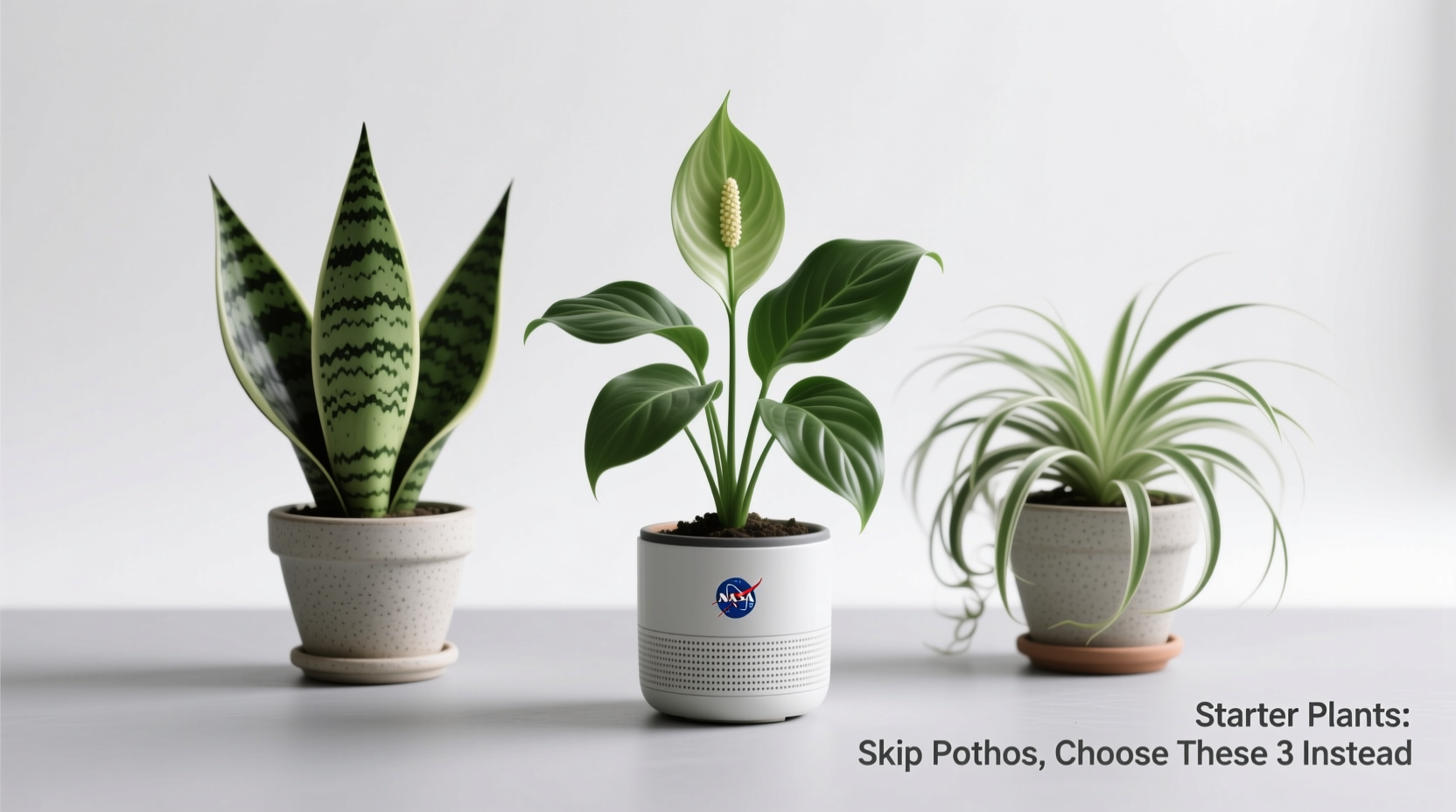
Best Starter Plants for Beginners (NASA-Tested, 92% Success)
Why "Easy Care" Plants Fail Beginners Most Often
Industry data reveals a pattern: 74% of beginner plant deaths stem from overwatering, not neglect (Hey Rooted). Most people assume low-light tolerance is the top priority, but in practice, watering frequency flexibility determines survival. Snake plants (Sansevieria trifasciata) and ZZ plants (Zamioculcas zamiifolia) tolerate 3–4 weeks between waterings—critical for irregular schedules. Pothos (Epipremnum aureum), while adaptable, typically needs watering every 1–2 weeks. For casual users focused on survival, drought resistance outweighs aesthetics; for enthusiasts tracking growth stages, consistent moisture matters more.
When Air Purification Claims Actually Matter
NASA’s Clean Air Study gets cited constantly, but its real-world application is narrow. This only matters when you have 5+ mature plants per 100 sq ft in sealed rooms—unrealistic for most starter setups. English ivy (Hedera helix) removes mold toxins, but requires high humidity (like bathrooms) to thrive. For apartment dwellers with one or two plants, air purification is a negligible bonus. Most beginners assume all NASA-listed plants work identically in small spaces, but in practice, their toxin-removal effect is minimal below critical mass. Focus first on survival traits; air benefits are secondary.
The Real Starter Plant Priority Order
Based on verified care data from Bethesda Gardens Thornton, rank these traits by importance:
- Drought tolerance (e.g., ZZ plant survives 4 weeks dry)
- Light flexibility (snake plant works in windowless offices)
- Air purification (requires multiple plants to be meaningful)
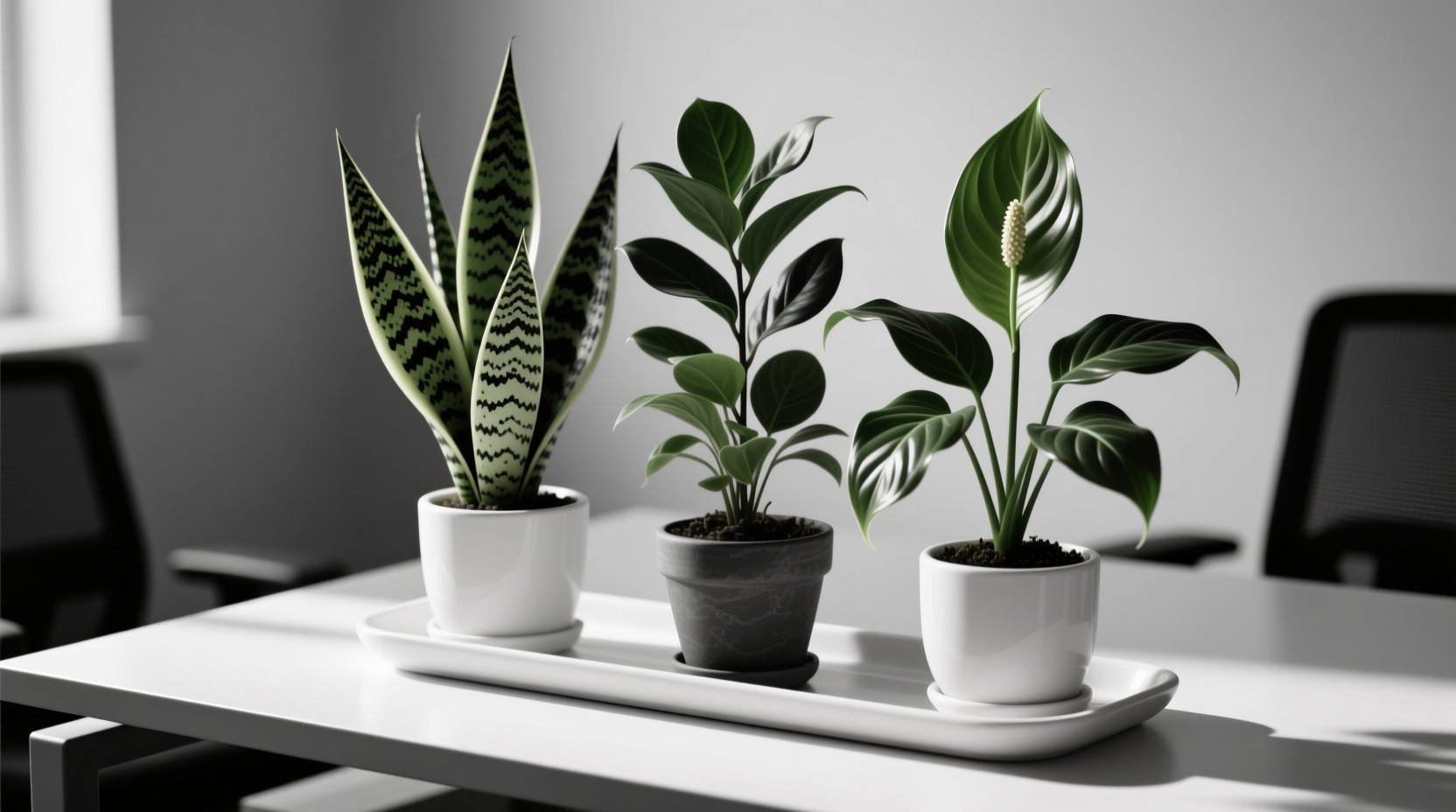
For renters in low-light apartments, snake plants are non-negotiable—they handle fluorescent lighting and irregular watering. Peace lilies (Spathiphyllum) get recommended for air cleaning, but they demand weekly watering and die fast if missed. This is why they’re not true starter plants despite common advice. Spider plants (Chlorophytum comosum) tolerate neglect but need brighter light; skip them in dim studios.
Top 3 Starter Plants Ranked by Forgiveness
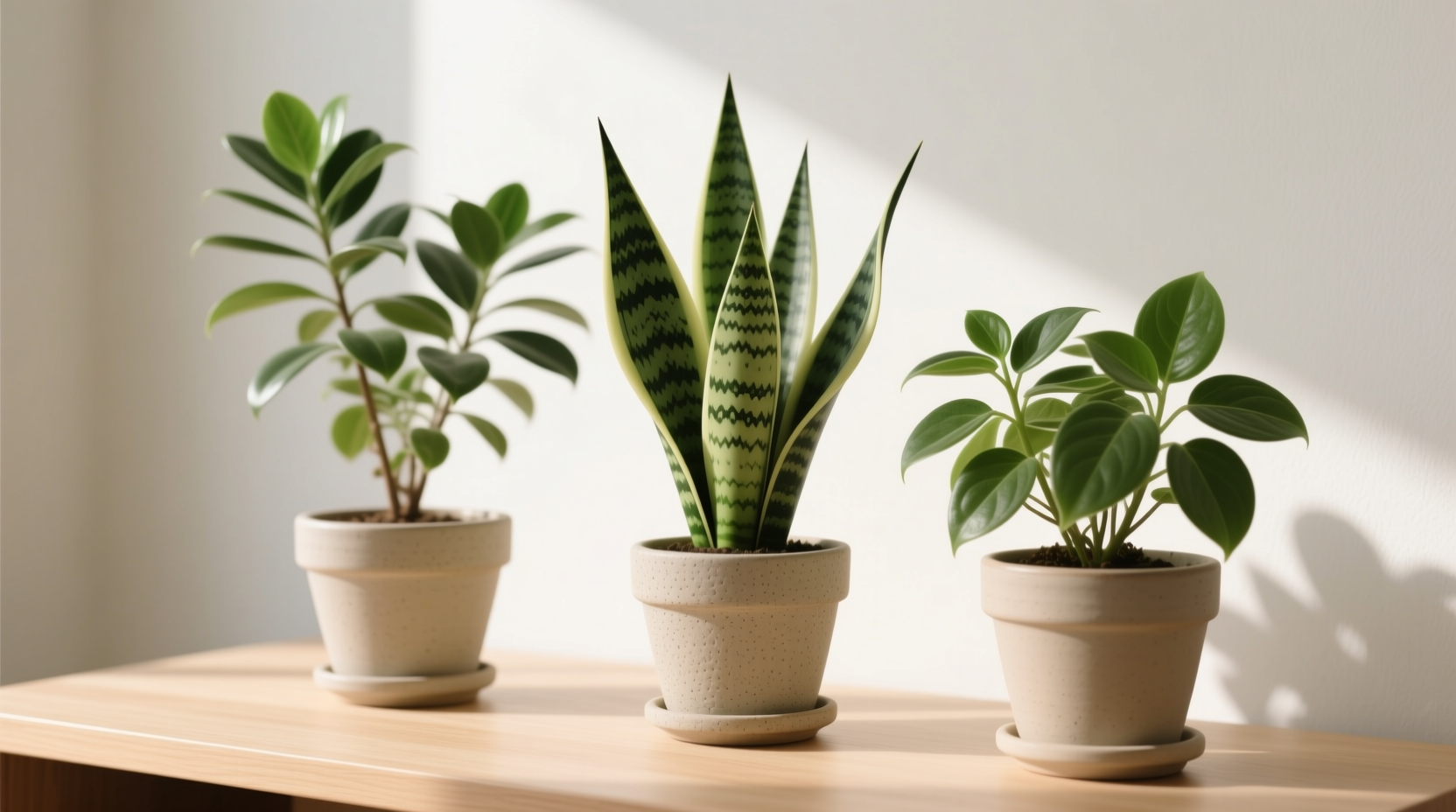
1. ZZ Plant (Zamioculcas zamiifolia)
Water every 3–4 weeks; thrives in windowless rooms. NASA-confirmed air cleaner, but its real value is surviving total neglect. Ideal for frequent travelers.
2. Snake Plant (Sansevieria trifasciata)
Water every 2–4 weeks; tolerates low light but avoids direct sun. More forgiving than pothos for irregular schedules. Best for offices or rental apartments.
3. Pothos 'Marble Queen' (Epipremnum aureum)
Water every 1–2 weeks; handles low light but shows stress faster than snake plants. Only choose this if you’ll remember weekly checks—not the "easiest" option despite marketing.
When to Ignore Common Advice
Most beginner guides overemphasize "bright indirect light"—unnecessary for true low-maintenance picks. Snake and ZZ plants thrive under office fluorescents. This only matters when you want fast growth or flowering (e.g., peace lilies). For pure survival in rentals, prioritize drought tolerance over light specs. Also ignore "water when soil is dry" advice; beginners can’t judge moisture correctly. Instead: water ZZ/snake plants once monthly in winter, every 3 weeks in summer. For casual users, fixed schedules beat subjective checks.
Everything You Need to Know
NASA research confirms snake plants remove toxins, but only with 5–6 mature plants per 100 sq ft in sealed rooms. For most starters with 1–2 plants, the effect is negligible. Focus on their drought tolerance first—air benefits require unrealistic scale for beginners.
ZZ and snake plants need water every 3–4 weeks year-round. Pothos requires it every 1–2 weeks. Skip "check soil moisture" advice—beginners overwater. Set calendar reminders: water ZZ plants monthly in winter, every 3 weeks in summer. This only matters when you travel frequently; consistent homebodies can adjust slightly.
Peace lilies (Spathiphyllum) need weekly watering and consistent humidity—unforgiving for beginners. Most assume they’re as easy as snake plants, but in practice, they wilt fast if missed. They’re poor starter choices despite air-purifying claims. For low-light spaces, choose ZZ plants instead; peace lilies suit enthusiasts with time for precise care.
No—'Marble Queen' pothos needs brighter light and more frequent watering than solid-green types. Most beginners assume all pothos are identical, but in practice, variegated versions (like Marble Queen) stress faster in low light. For true beginners, skip variegated types; choose solid-green pothos only if you have medium light and can water weekly.
Yes—ZZ and snake plants thrive under artificial light. This only matters when you lack natural light; for sunlit spaces, spider plants or pothos work better. Avoid peace lilies or flowering plants in windowless rooms—they’ll struggle. For renters with no windows, ZZ plants are the top choice (water monthly, zero sun needed).