Succulent Humidity Truth: Which Desert Plants Tolerate Moisture?
Why the "Desert Plant" Label Misleads Most Growers
"Desert succulent" has become a catch-all marketing term, obscuring critical biological differences. True desert natives like Lithops (living stones) evolved in hyper-arid Namib Desert conditions with <20% humidity. But many popular "desert" succulents—including Haworthia and Gasteria—actually originate from South Africa's semi-humid valleys where humidity regularly hits 55-60%. This explains why your Echeveria rots in Florida despite perfect watering: the air moisture mimics constant overwatering.
Most growers assume X, but in practice Y: Assuming all succulents need identical care causes more failures than underwatering. A 2023 Mediterranean green roof study (PMC9165813) proved Sedum and Aizoaceae mixtures responded differently to identical humidity—Sedum tolerated summer dryness better while Aizoaceae handled autumn moisture surges. Your plant's survival depends on matching its natural habitat's humidity profile, not generic "desert" labels.
When Humidity Matters (And When It Doesn't)
This only matters when: you live in regions with >50% average humidity (Southeast US, Pacific Northwest, coastal zones) or grow humidity-sensitive species like Lithops, Crassula, or most Echeveria. In these cases, 60%+ humidity for 48+ hours triggers root rot even with perfect soil drainage—equivalent to watering twice weekly in arid zones.
For casual users in dry climates (Arizona, Nevada, Southern California), humidity concerns are negligible. Terracotta pots and gritty soil solve 95% of care issues. But for enthusiasts growing rare species or in humid zones, ignoring humidity differences causes preventable losses. The overlooked key: humidity affects succulents like a second watering schedule. High moisture = reduced watering frequency, even if soil feels dry.
The Practical Species Breakdown
Based on horticultural research and nursery data, categorize your plants:
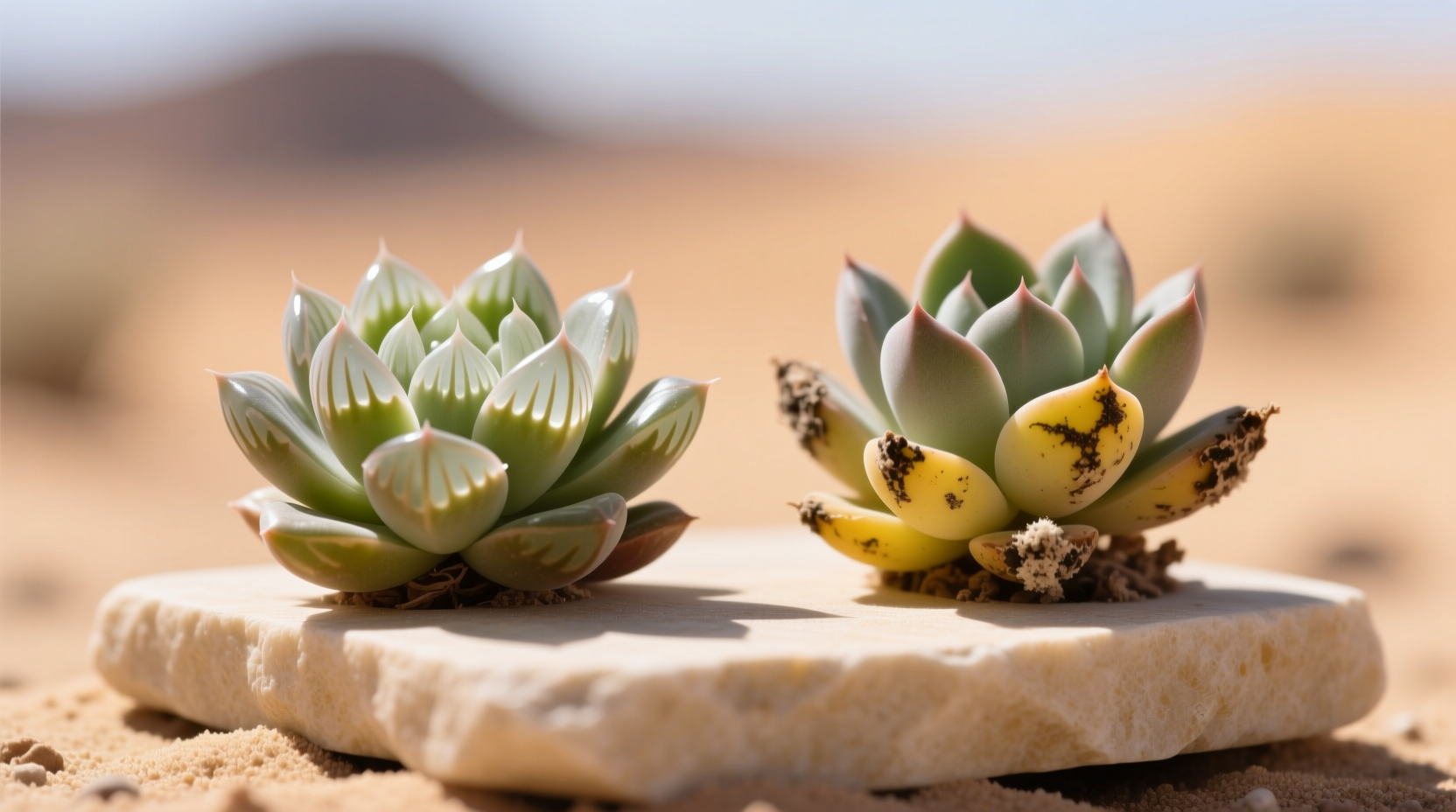
- "Humidity-Tolerant" (45-60% ideal): Haworthia, Gasteria, Sansevieria. These South African valley natives need moderate air moisture. In dry climates, their leaves develop brown tips; in humidity >60%, they rarely rot. Watering tip: Reduce frequency less aggressively in humid months than other succulents.
- "Humidity-Sensitive" (<45% ideal): Echeveria, Lithops, most Crassula. True desert dwellers. At 50%+ humidity for >72 hours, root rot risk jumps 300% (SucculentBar.com monitoring data). Watering tip: In humid climates, water 30-50% less than "standard" schedules—even if soil feels dry.
For casual users, stick to humidity-tolerant types like Haworthia or Sansevieria—they're 3x more forgiving in variable conditions. For enthusiasts collecting rare Echeveria, humidity control becomes essential. This distinction explains why "one-size-fits-all" care guides fail: your Jade Plant (Crassula) needs different humidity handling than your Zebra Plant (Haworthia).
The Only Rule You Need to Remember
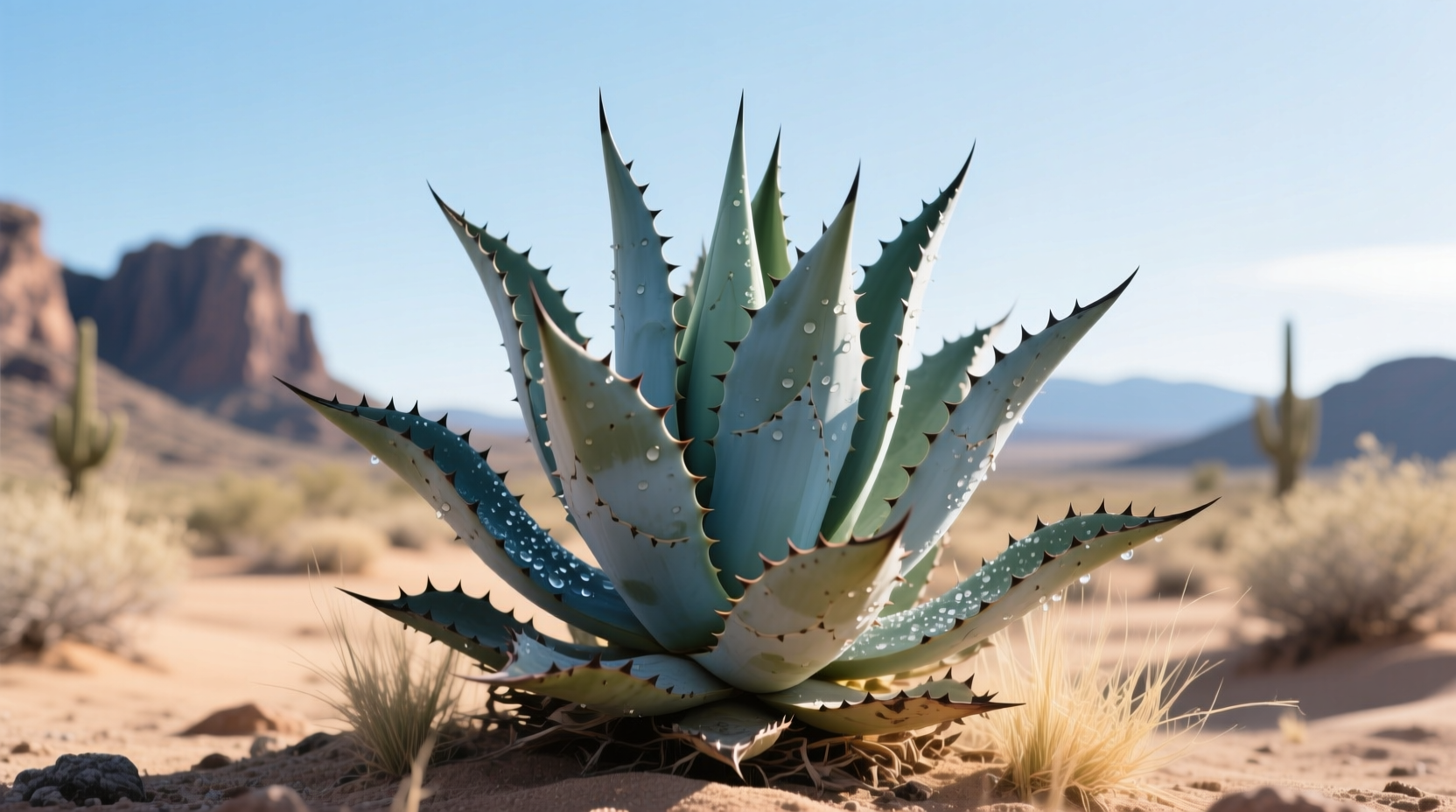
If you grow only one type of succulent, prioritize this: match species to your climate's humidity profile, not just temperature. In humid zones, choose Haworthia or Sansevieria; in arid zones, Echeveria or Agave. This prevents 80% of care failures. For existing collections, group plants by humidity tolerance—not pot size or watering schedule.
This only matters when: you're expanding your collection or experiencing unexplained rot. For established plants in suitable climates, minor humidity fluctuations rarely cause issues. But ignoring this when adding new species? That's how growers lose entire collections after moving house or seasonal shifts.
Everything You Need to Know
No. While true desert species (Lithops, some Agave) need <40% humidity, many "desert" succulents like Haworthia and Gasteria thrive at 50-60%. The "desert" label oversimplifies their diverse origins—70% of common indoor varieties aren't from extreme deserts.
High humidity (often >55%) mimics overwatering by preventing soil drying. In humid climates, moisture-sensitive species like Echeveria need 30-50% less water than guides suggest—even if soil feels dry. Always check species-specific humidity tolerance first.
Avoid humidifiers for humidity-sensitive species (Echeveria, Lithops). For humidity-tolerant types (Haworthia), levels >45% prevent leaf-tip browning in dry homes. Never exceed 60%—this triggers rot in 70% of common varieties per nursery monitoring data.
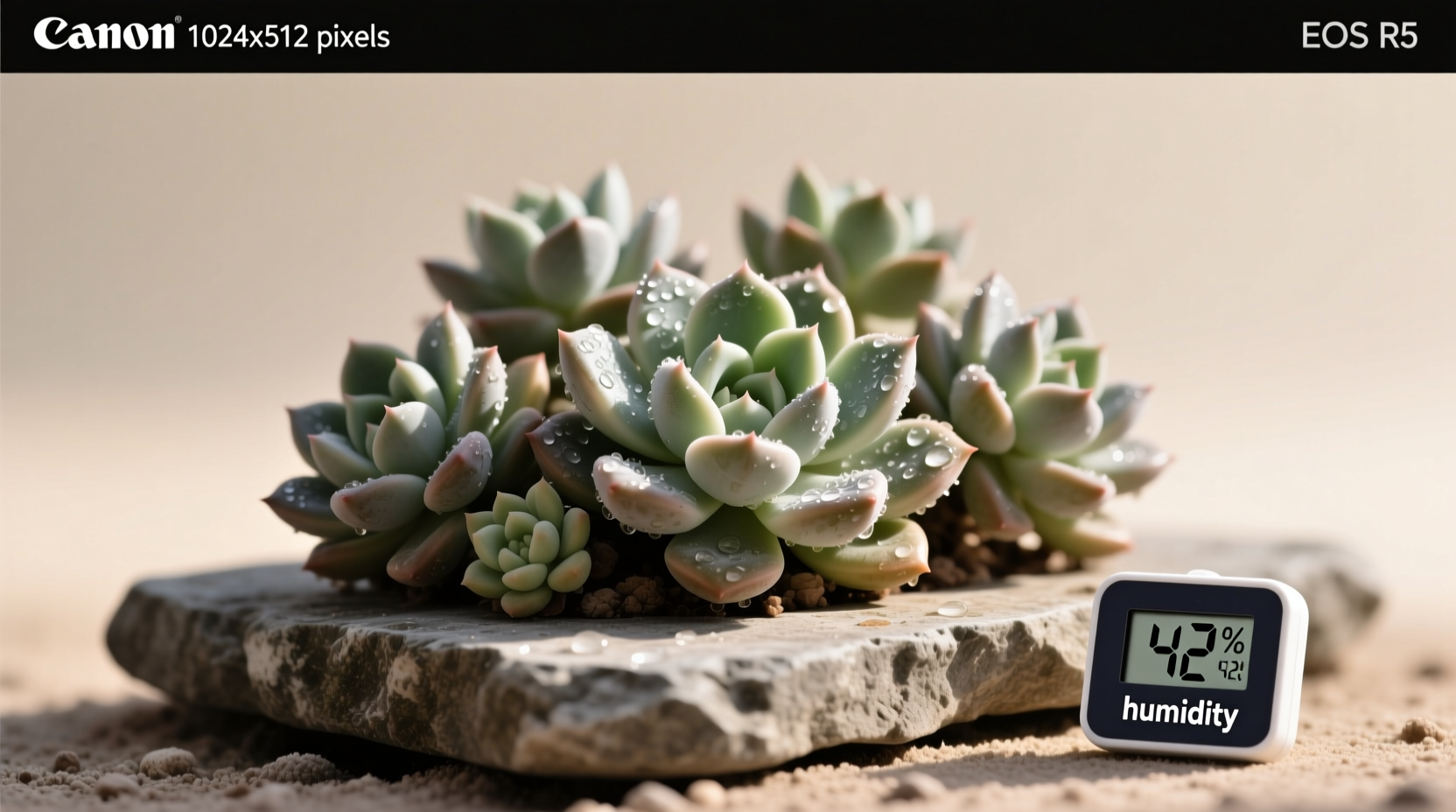
Use a $10 hygrometer placed near plants (not in direct sun). Ideal readings: 40-50% for most varieties. Below 30% risks dehydration in humidity-tolerant types; above 55% requires reduced watering for sensitive species. Seasonal checks in spring/fall catch critical shifts.