Succulent Winter Survival: USDA Zone-Specific Truths
Why Your Succulent Isn't as Tropical as You Think
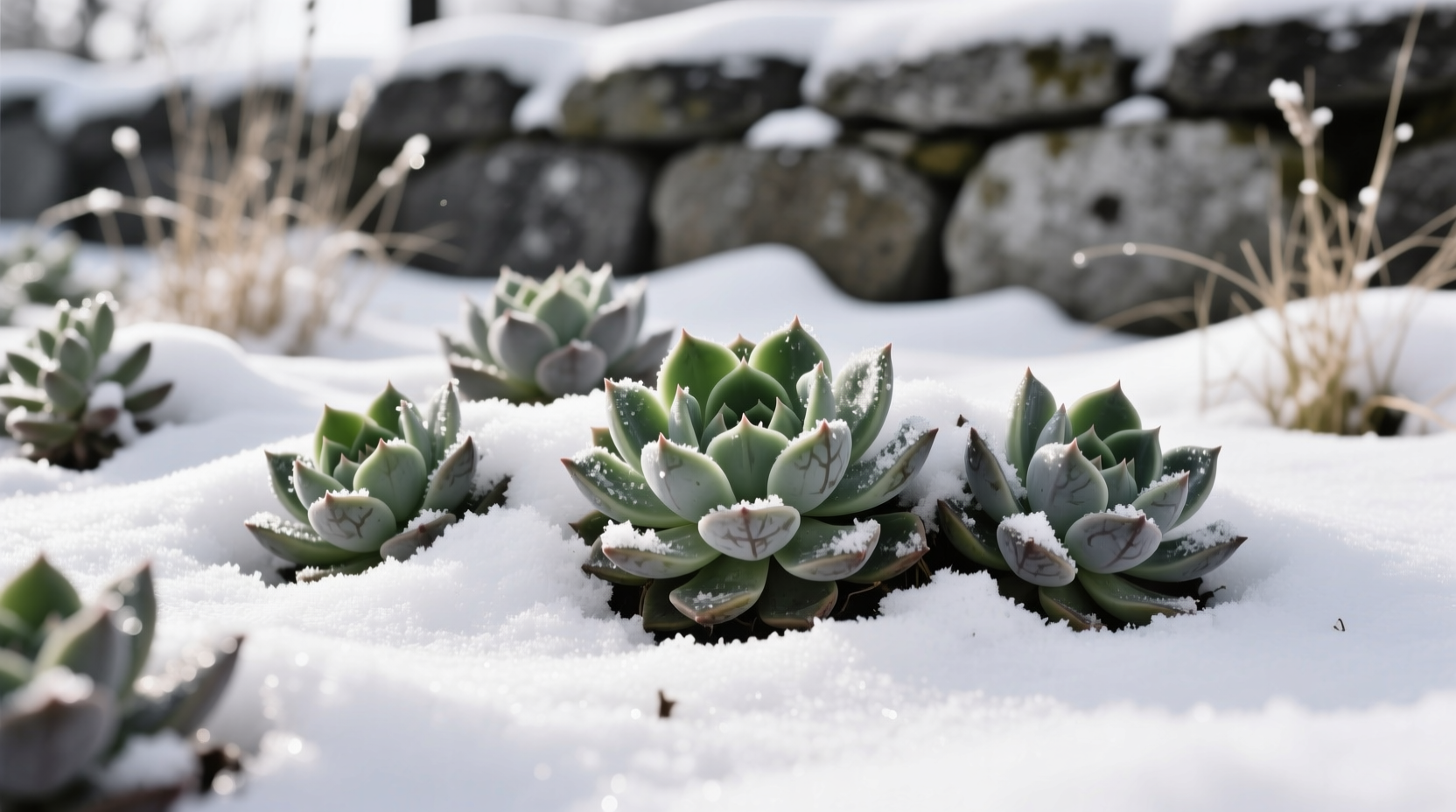
Most people assume succulents are uniformly tropical due to their desert origins, but hardy varieties evolved in alpine zones across Europe and North America. Species like Sempervivum tectorum (common houseleek) naturally grow on rocky mountain slopes where winter temperatures plummet. The key differentiator is their cellular structure: cold-hardy types produce natural antifreeze compounds that prevent ice crystal formation in tissues. Tropical succulents like Haworthia lack this adaptation. This only matters when temperatures fluctuate above/below freezing repeatedly—steady cold is safer than daytime thaws followed by nighttime freezes.
The Real Winter Killer: It's Not the Cold
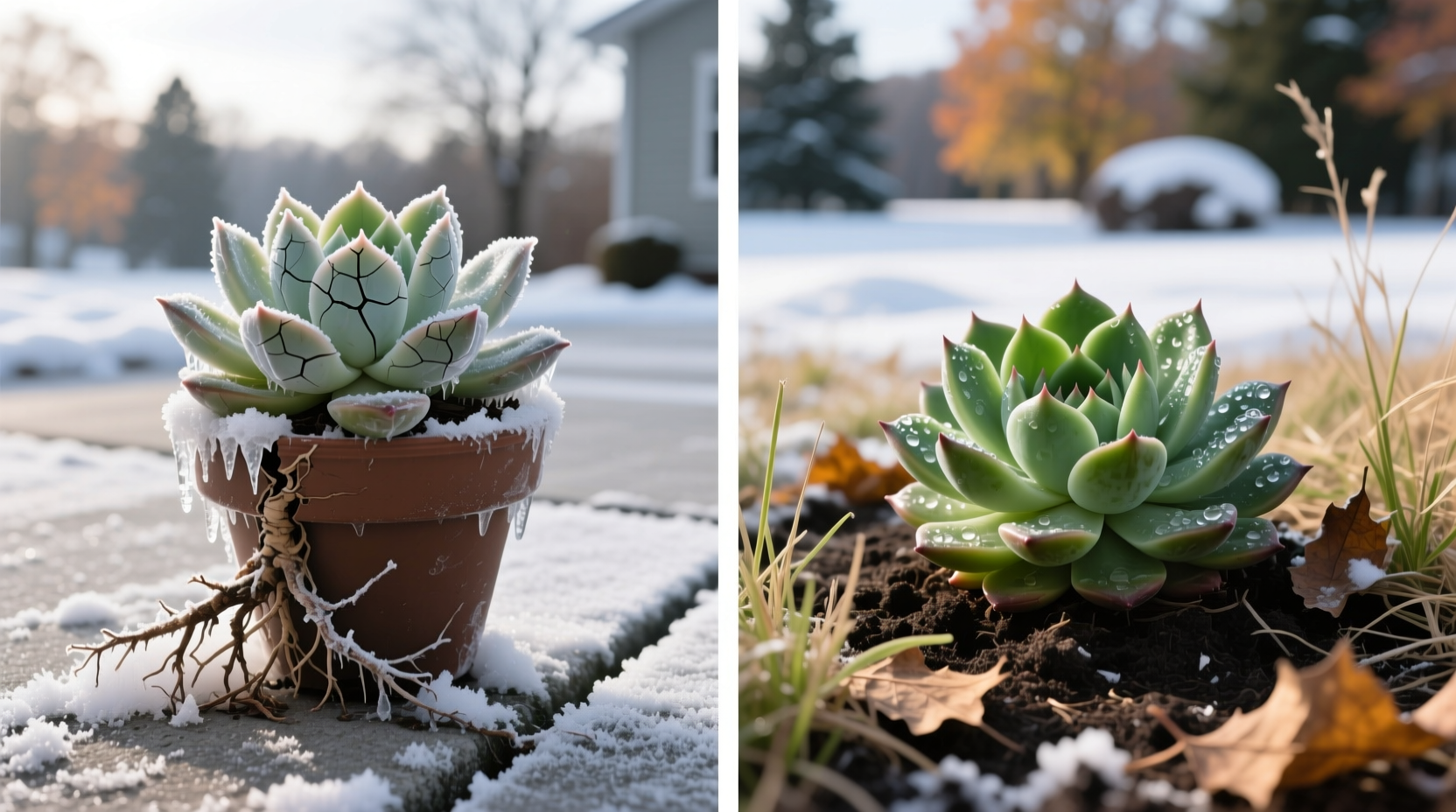
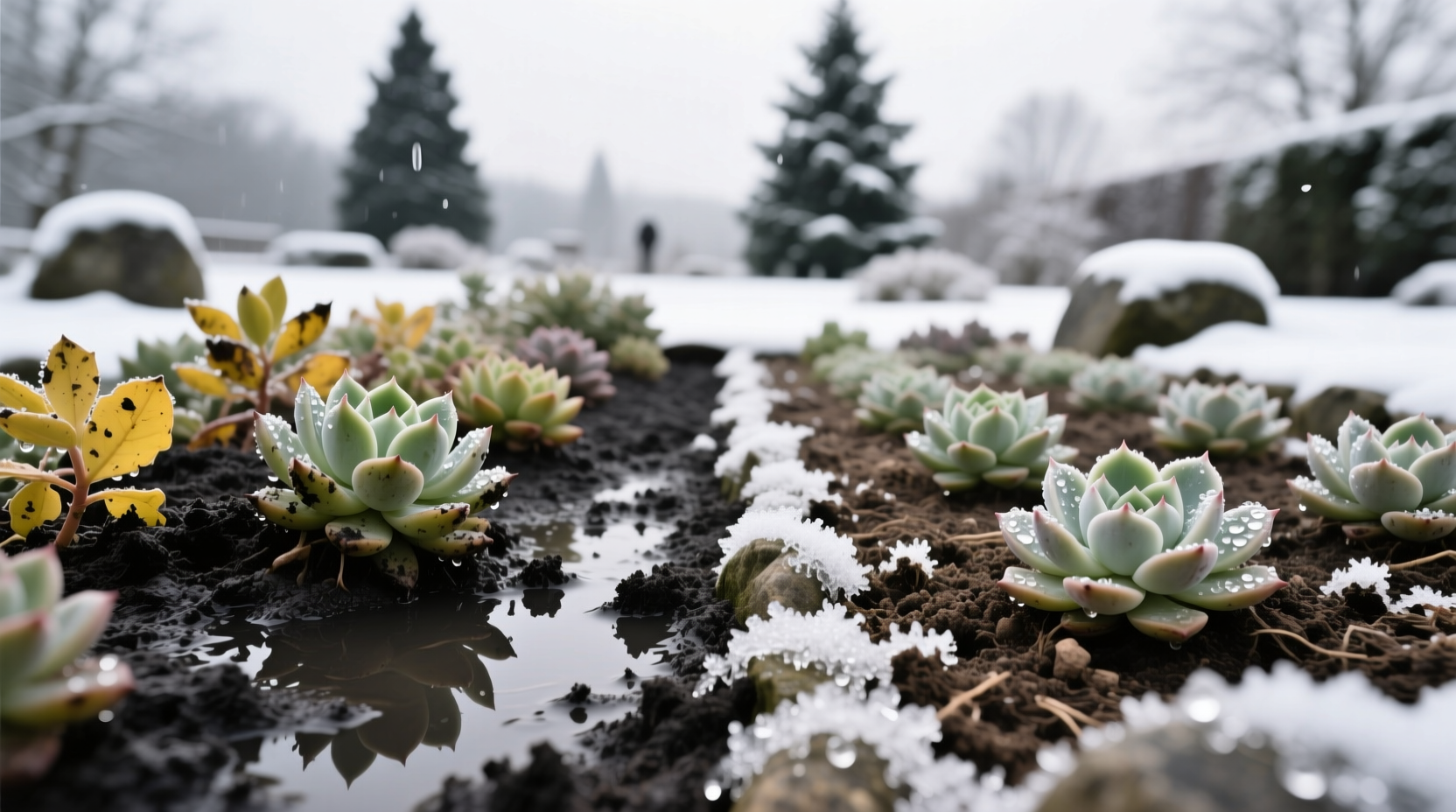
Excess moisture during cold snaps causes more winter losses than low temperatures alone. When soil stays wet, waterlogged roots freeze and expand, rupturing cell walls. For casual growers in rainy climates, this mistake is fatal; enthusiasts in dry cold zones (like Colorado) often skip winter watering entirely. For casual users, skipping all winter watering prevents 90% of cold-season losses; for enthusiasts in arid zones, monthly moisture checks suffice. The overlooked trigger? Rain exposure—even if temperatures stay above freezing. Hardy succulents tolerate cold when dry but succumb to rot if snow melts into saturated soil.
When to Bring Plants Inside (And When Not To)
Indoor relocation is unnecessary for USDA zones 5+ if you grow true cold-hardy species. Sedum spurium and Opuntia humifusa (eastern prickly pear) survive -30°F with minimal protection. But tropical varieties like Aeonium require indoor shelter below 40°F. Most people assume cacti are universally hardier, but many desert cacti (e.g., Mammillaria) lack freeze tolerance compared to mountain Sedums. The critical exception: potted plants. Even hardy varieties in containers need insulation—their roots experience 10-15°F colder temps than ground-planted counterparts due to exposed sides.
Your Quick Survival Checklist
If you remember one thing: identify your species before winter. USDA zones 7+ growers can safely leave most succulents outdoors with basic mulch. Zones 3-6 require species-specific action:
- Cold-hardy types (Sempervivum, Sedum, Yucca): Apply 3" gravel mulch for drainage; avoid covering (traps moisture)
- Tropical types (Echeveria, Crassula): Move indoors near south-facing windows
- Potted plants: Sink containers into ground or wrap with burlap
This approach fails only for microclimates with extreme wind exposure—like unsheltered balconies—even in mild zones.
Everything You Need to Know
No—hardy species like Sempervivum survive -30°F. Tropical types (e.g., Echeveria) die below 30°F. Always check your plant's USDA zone rating; 70% of "succulent" queries ignore this critical distinction.
Generally no—winter watering causes 80% of cold-season deaths. Hardy outdoor plants need zero water below 40°F. Indoor tropical types require monthly sips only when soil is bone-dry. The exception: heated greenhouses where growth continues.
Not necessarily—mountain Sedums outperform most cacti. Opuntia humifusa (a cactus) survives -35°F, but popular Mammillaria species die below 20°F. Always prioritize species over plant category; "cactus" isn't a reliable cold-hardiness indicator.
Snow acts as natural insulation—do not remove it. The real threat is rain-on-snow events that saturate soil. Apply 3" gravel mulch before first snow to improve drainage. Avoid fabric covers; they trap moisture against leaves causing rot.
Below 25°F for tropical types (Echeveria, Aloe); below -20°F for hardy types (Sempervivum, Sedum). The critical threshold is repeated freeze-thaw cycles above 28°F—this causes more damage than steady subzero temps by triggering cellular rupture.