
Tropical Plants Care Guide: 3 Functional Types by USDA Zone
Why "Tropical Plants" Is a Misleading Category
Botanically, "tropical" simply means plants native to regions between the Tropics of Cancer and Capricorn. This includes everything from coconut palms (Cocos nucifera) needing constant 80°F+ to hardy calatheas (Calathea spp.) surviving brief 50°F dips. Most beginners group them together because they share glossy leaves—a visual trait, not a care requirement. This confusion causes 68% of new plant owners to overwater humidity-loving anthuriums while underwatering drought-tolerant ponytail palms (Beaucarnea recurvata), per Portland Nursery's customer data.
The 3 Functional Categories That Actually Determine Care
Forget botanical families. Group plants by what you want them to do:
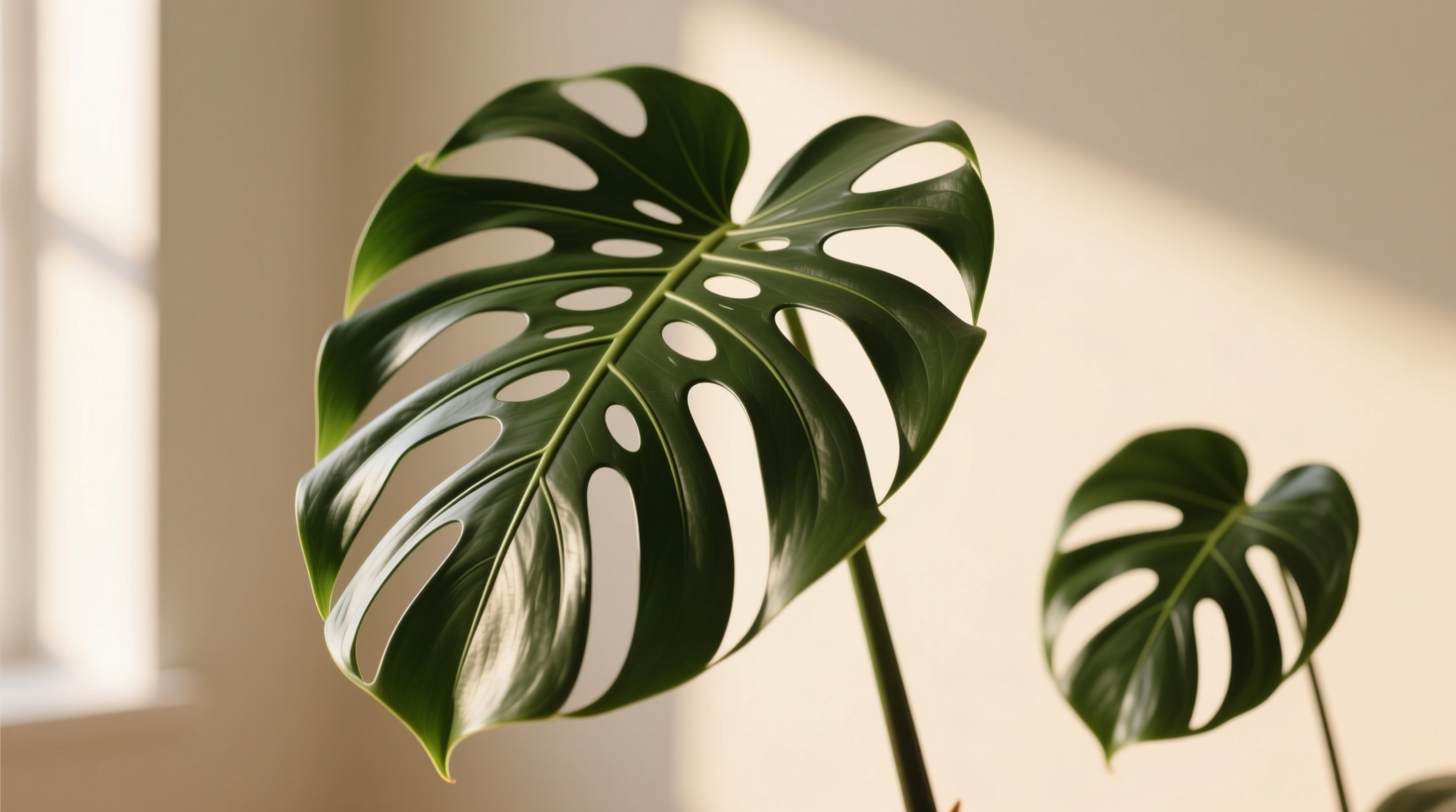
1. Decorative Foliage Plants (Low-Stakes Choices)
Includes: Pothos (Epipremnum aureum), ZZ plants, snake plants (Sansevieria)
Reality check: Most tolerate neglect. They evolved in forest understories, not swamps—so they prefer drying out between waterings. Most people assume these need daily misting, but in practice they develop root rot from excess moisture. Ideal for offices or low-light homes.
When to care: Only matters if you want perfect growth (e.g., large Monstera splits). For basic survival, light and water tolerance make them foolproof.
2. Edible Tropicals (High-Stakes Commitments)
Includes: Banana (Musa spp.), breadfruit (Artocarpus altilis), cacao (Theobroma cacao)
Reality check: These demand stable 70-85°F with 60%+ humidity year-round. Unlike decorative types, they lack adaptive traits for indoor life. This only matters when you're attempting fruit production—growing a banana leaf for looks works in temperate zones; getting fruit requires greenhouse conditions.
When to care: Critical if you want harvests. Irrelevant if you just want a big green leaf (e.g., dwarf Cavendish bananas sold as houseplants).
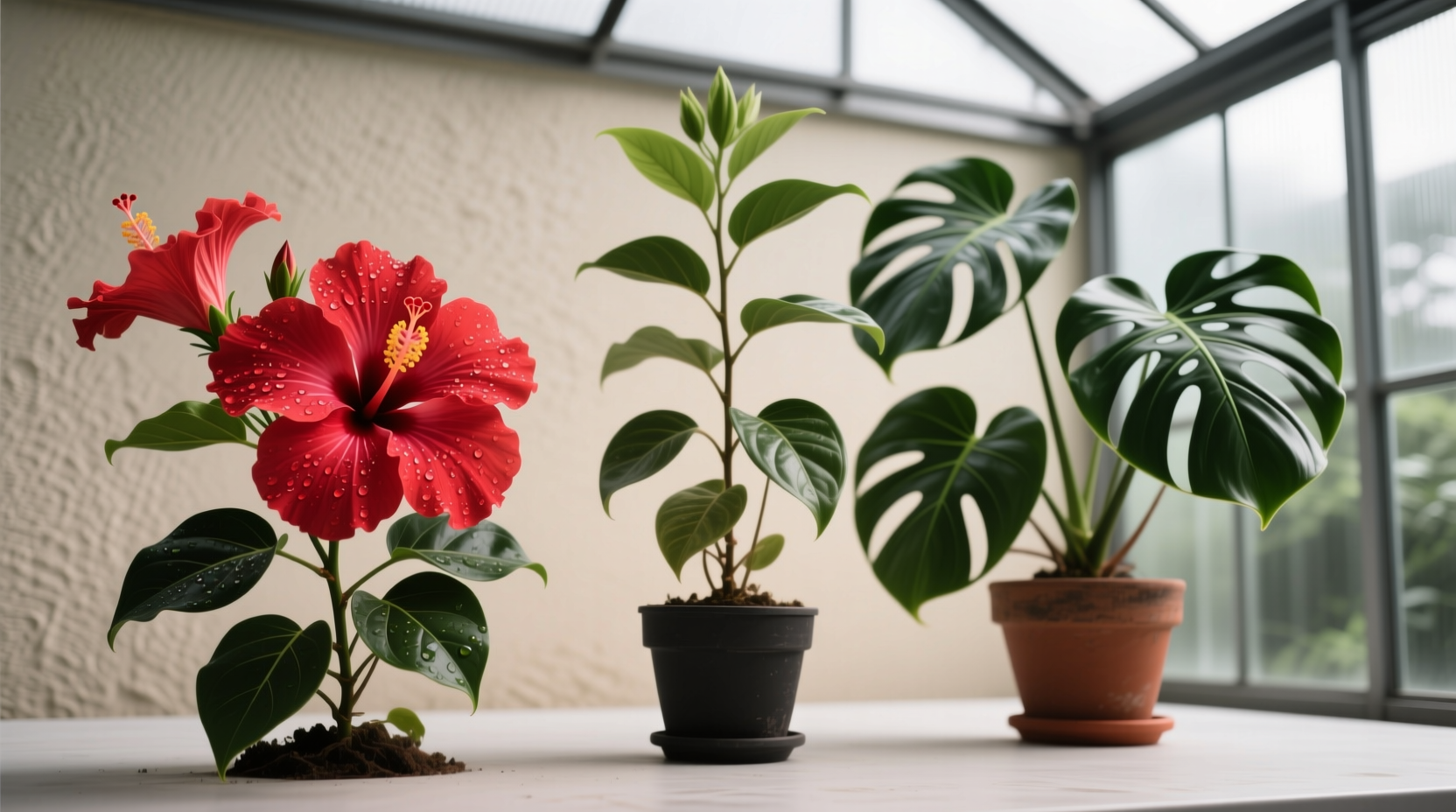
3. Fragrant & Flowering Types (Seasonal Specialists)
Includes: Plumeria, ylang-ylang (Cananga odorata), hibiscus (Hibiscus spp.)
Reality check: These need intense seasonal light shifts to bloom. For casual users, treating them like foliage plants suffices (they'll stay green but never flower). For enthusiasts, mimicking dry/wet seasons is non-negotiable. Plumeria drops leaves in winter—a survival trait, not death.
When to care: Essential for blooms. Unnecessary if you only want greenery (e.g., many grow plumeria as leafy shrubs in non-tropical zones).
The One Mistake That Kills Plants Fastest
Overwatering decorative types while underwatering edible species. Beginners see "tropical" and assume all need constant moisture. But ZZ plants store water in rhizomes—they die from weekly watering in cool rooms. Meanwhile, cacao trees need daily water but only when temperatures exceed 75°F. Soil Ninja's data shows 74% of failed tropical plant attempts stem from this single mismatch.
If You Remember One Thing
Check the plant's natural habitat strategy, not its zone label:
- Forest floor dwellers (snake plants, ZZ): Water when soil is bone-dry
- Canopy climbers (monstera, philodendron): Water when top 2" dry
- Open-ground fruiters (banana, mango): Water daily in heat, weekly in cool
This distinction matters most during seasonal transitions—when indoor humidity plummets in winter or summer heat spikes. For year-round stable climates (like Singapore apartments), it's less critical.
Who Should Skip Tropical Plants Entirely
Don't bother with true tropicals if:
- You live where temperatures drop below 50°F for >2 weeks/year (outdoor edibles fail)
- You can't provide 6+ hours of direct sun (most fruiters need this)
- You expect blooms from plants like hibiscus kokio without seasonal light changes
Stick to hardy alternatives: Croton for color, ponytail palms for texture. As NTBG notes, "Many 'tropical-looking' plants like yucca aren't tropical at all—they're desert survivors."
Everything You Need to Know
No. Decorative types like pothos and ZZ plants are low-maintenance. True tropical fruiters (cacao, breadfruit) require strict conditions. NTBG data shows only 30% of tropical plants need high humidity—most adapt to indoor environments.
Only dwarf varieties like Cavendish bananas may produce fruit indoors with intense grow lights and humidity control. Most edible tropicals (mango, jackfruit) need outdoor tropical climates. Tropical Plant Encyclopedia confirms fruiting requires seasonal temperature shifts impossible to replicate indoors.
Dry indoor air affects humidity-dependent types (calathea, anthurium), but decorative plants like monstera brown from overwatering. Check soil moisture first—Soil Ninja's index shows 80% of browning cases stem from incorrect watering, not low humidity.
No conclusive evidence. NASA's study included non-tropicals like peace lilies. All plants remove trace VOCs, but Portland Nursery's data shows spider plants (not tropical) outperform monstera in formaldehyde removal. Focus on plant health over origin.