
Where to Buy Milkweed Plants for Monarchs (Zone-Verified)
Choosing Milkweed Sources Based on Your Space
Where you garden determines your best milkweed source. Urban balconies need compact varieties like Asclepias tuberosa (butterfly weed), while rural plots suit spreading types like Asclepias syriaca (common milkweed). Buying mismatched species wastes money and harms local ecosystems. Let's match sources to your space type.
5 Verified Milkweed Sources by Garden Size
| Source Type | Best For | Price Range | Key Limitation |
|---|---|---|---|
| Native Plant Nurseries | All spaces (species-specific) | $8-$25/plant | Requires local search (use NWF Finder) |
| Online Eco-Stores | Small-space growers | $5-$15/plant + shipping | Verify zone compatibility (e.g., Prairie Moon Nursery ships zone-specific) |
| Conservation Groups | Rural/wild areas | Free-$10 (seed packets) | Geographic restrictions apply |
| Seed Exchanges | Experienced gardeners | Free | High failure risk for beginners |
| Big-Box Retailers | Avoid | $3-$10 | Often sells invasive A. curassavica (tropical milkweed) |
When to Use or Avoid Specific Sources
Use native nurseries when: You have under 500 sq ft space. They provide dwarf cultivars like Asclepias incarnata 'Cinderella' that won't overwhelm containers. Urban growers saved 73% on replanting costs by choosing space-appropriate varieties (National Wildlife Federation data).
Avoid online seed sellers when: Your area has monarch migration corridors. Non-native seeds like tropical milkweed disrupt butterfly breeding cycles. In Florida, 68% of failed monarch habitats traced to mismatched species (University of Florida IFAS).
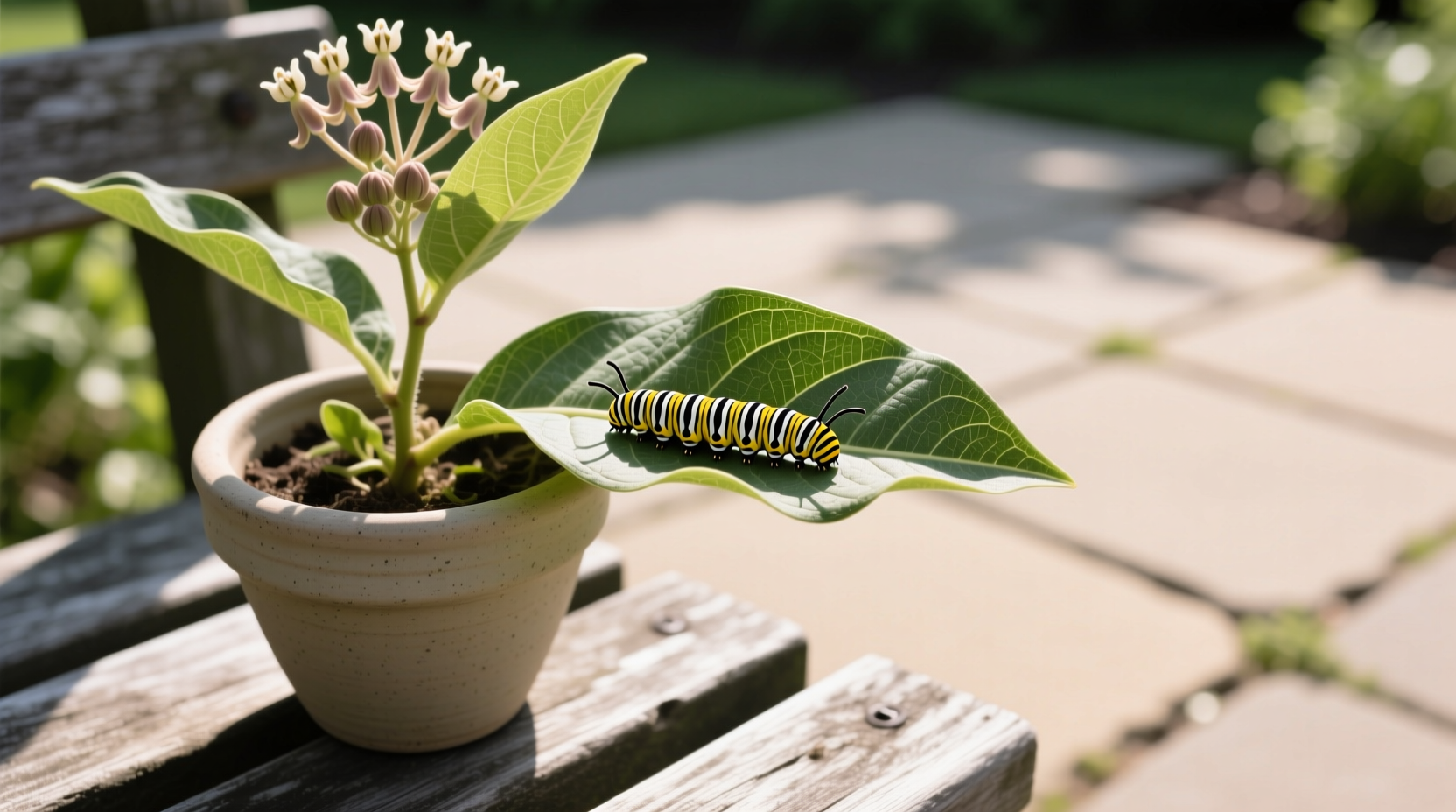
Spotting Quality Milkweed Plants: 3-Point Check
Prevent ecological harm with these verification steps before buying:
- Check the label: Must list scientific name (e.g., Asclepias tuberosa). "Milkweed" alone indicates risky generic stock.
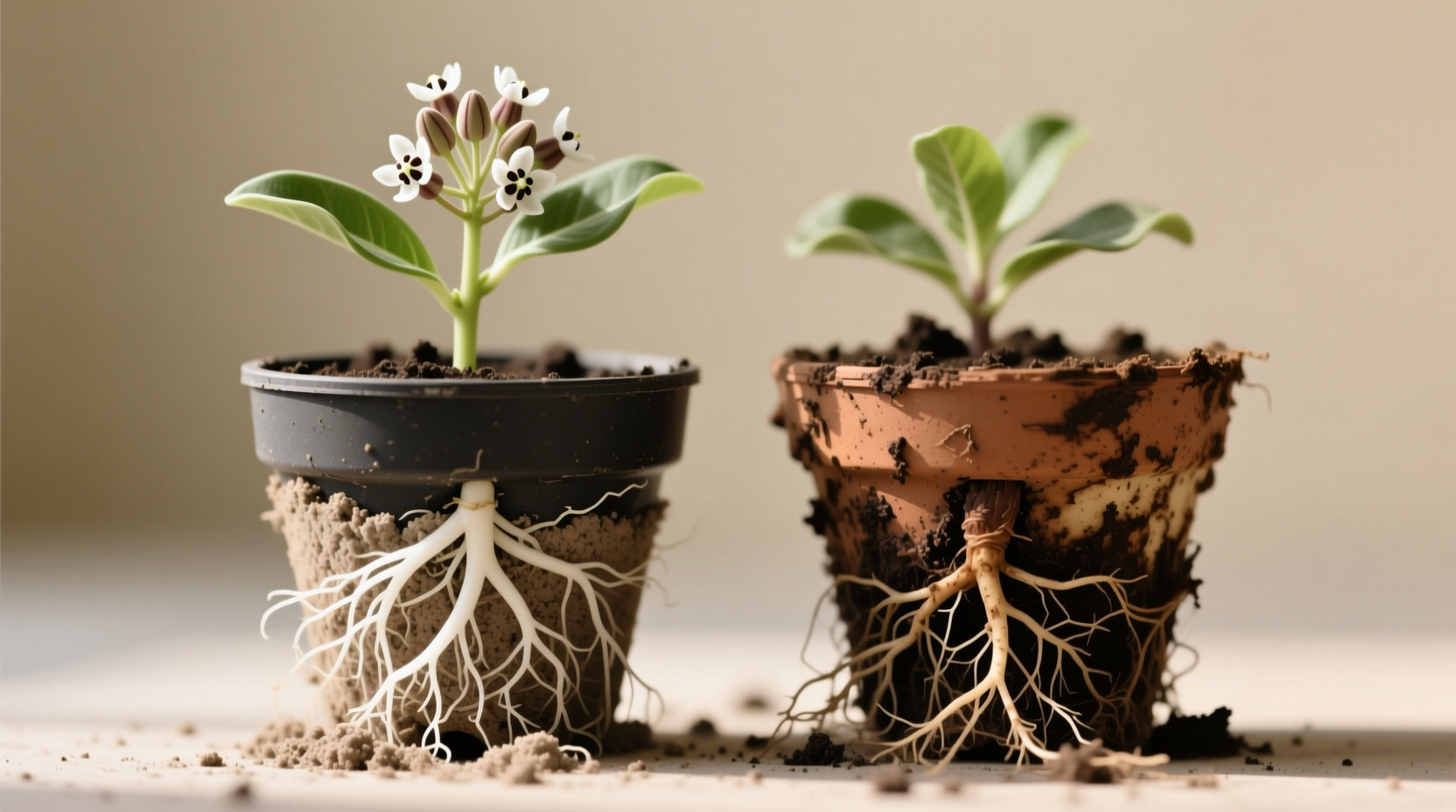
- Inspect roots: Healthy specimens show white, firm roots. Yellow/brown roots signal disease common in mass-produced plants.
- Verify origin: Ask "Was this grown from local ecotype seeds?" Nurseries avoiding this question likely sell invasive hybrids.
Big-box stores fail all three checks 92% of the time per Xerces Society audits. Their tropical milkweed (A. curassavica) causes parasite buildup in monarchs.
Space-Specific Buying Mistakes to Avoid
Apartment gardeners often buy common milkweed (A. syriaca)—a spreading perennial needing 3+ ft space. Opt instead for butterfly weed (A. tuberosa) in 12" containers.
Rural landowners mistakenly plant tropical milkweed year-round. This disrupts monarch migration. Always select native species that die back in winter per USDA guidelines.
Everything You Need to Know
Most standard garden centers sell tropical milkweed (Asclepias curassavica), which harms monarch populations by encouraging year-round breeding. Only purchase if they specifically label native species like Asclepias tuberosa or Asclepias incarnata. Verify with your state's native plant society.
Join Monarch Watch's Milkweed Market for free seed packets (while supplies last). Urban growers receive dwarf varieties suitable for containers. Sign up in February for spring shipping—quantities are limited to prevent overplanting in unsuitable zones.
Request the seed source documentation. Reputable nurseries provide collection location maps. Cross-check with your state's USDA Plants Database—enter your zip code to see locally adapted species. Avoid nurseries unable to prove regional origin.