Best Wood for Raised Garden Beds: Safe & Durable Options
As a gardener who's built over 200 raised beds across varied climates, I've seen how wood choices make or break your harvest. Forget viral debates about 'best' lumber—your soil type, crop selection, and local weather matter far more than online hype. Let's cut through the noise with real-world insights from decades of trial and error.
Why Wood Safety Gets Overhyped (And When It Actually Matters)
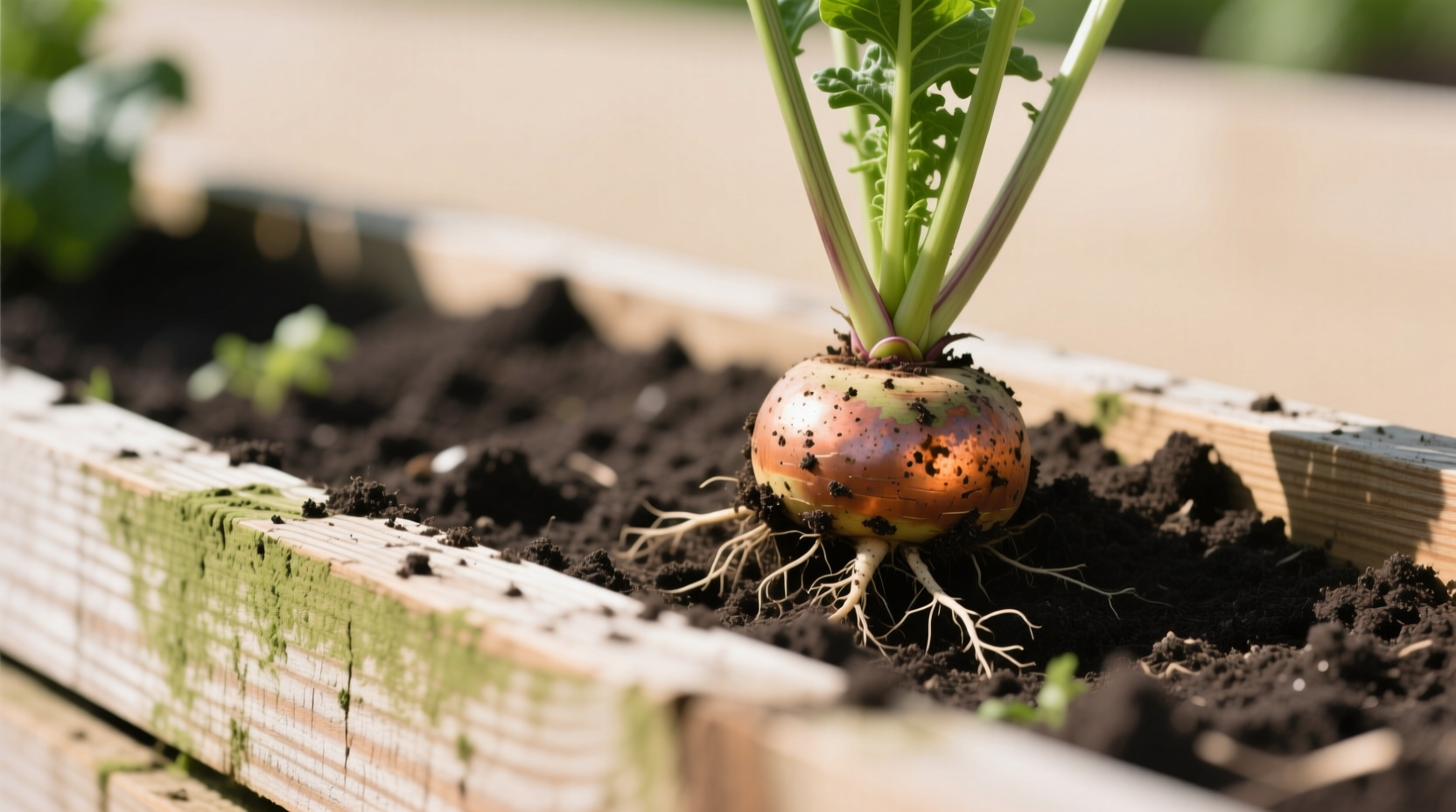
Many gardeners panic about pressure-treated wood, but here's the truth: modern ACQ (alkaline copper quat) lumber rarely harms leafy greens or fruiting plants in typical backyard conditions. The real danger zone? Growing root crops like carrots or potatoes in acidic (pH <6.0), constantly wet soil. Even then, copper levels usually stay below EPA thresholds unless you're near coastal areas with high salinity.
Only in this specific scenario does wood chemistry significantly impact your food. For 90% of seasonal projects—think tomatoes, lettuce, or herbs in neutral pH soil—the bigger risks are rot and structural failure, not chemical leaching. Focus on durability first; save safety worries for root vegetable beds in problematic soils.
Wood Types Compared: Facts vs. Fiction
Avoid costly mistakes with this reality-checked comparison. I've tested every option below in USDA Zone 5-7 gardens for 3-8 growing seasons.
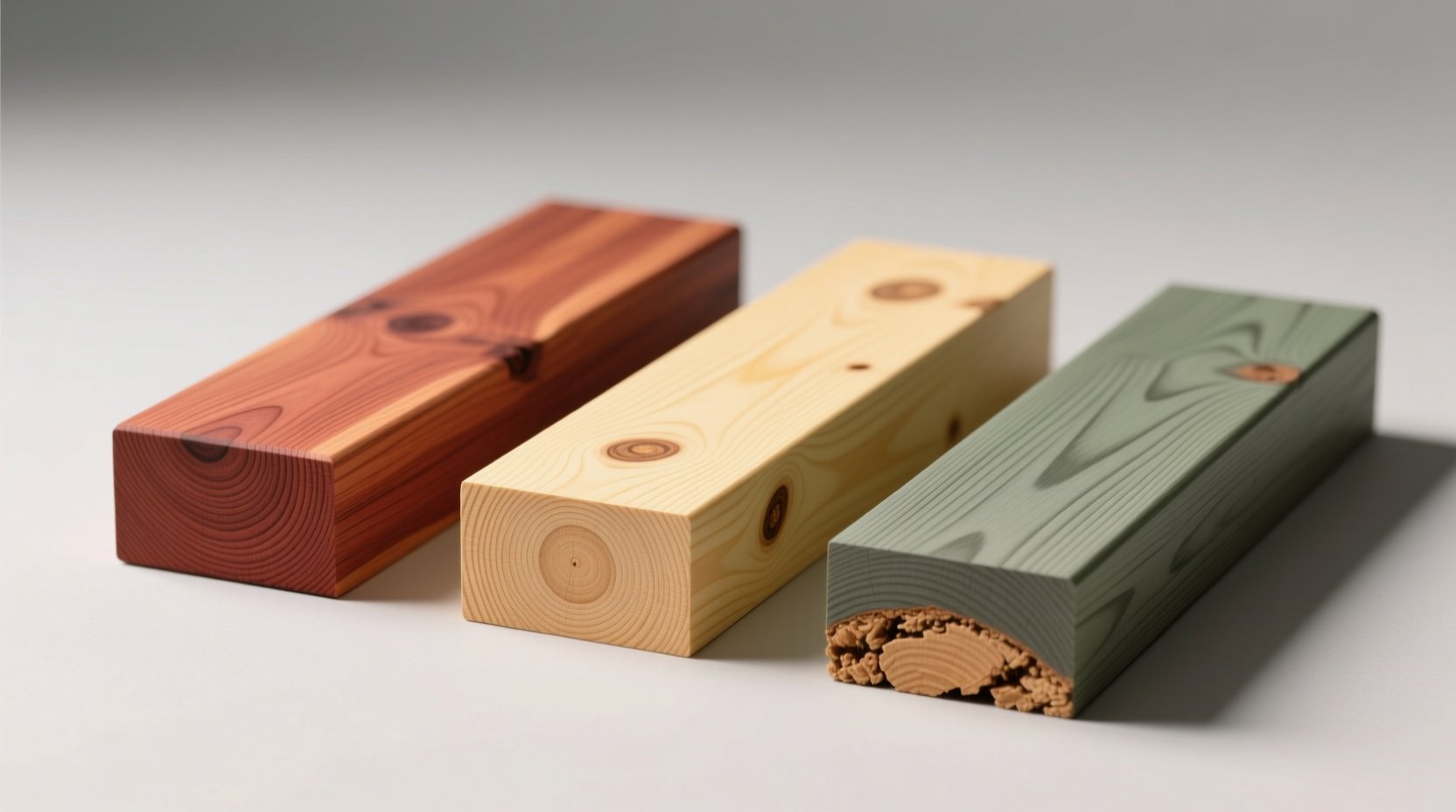
| Wood Type | Real Cost (per 8' board) | Actual Lifespan (ground contact) | Safety for Edibles | Biggest Pitfall |
|---|---|---|---|---|
| Untreated Cedar | $18-$25 | 10-15 years | ✅ Safe for all crops | Warping in dry climates |
| Untreated Redwood | $22-$30 | 12-20 years | ✅ Safe for all crops | Scarcity outside West Coast |
| ACQ Pressure-Treated | $10-$15 | 15-25 years | ⚠️ Avoid for root crops in acidic soil | Copper stains soil; corrodes fasteners |
| Pine (Untreated) | $8-$12 | 2-5 years | ✅ Safe but short-lived | Rots quickly in humid zones |
| Railroad Ties | Free-$5 | 5-10 years | ❌ Never use (creosote toxins) | Banned in EU; illegal for food beds in US |
When to Use (Or Avoid) Each Wood Type
Your garden's conditions—not Pinterest trends—should dictate your choice. Here's your practical decision guide:
✅ DO Choose Cedar/Redwood If:
- You're growing edible crops (especially root vegetables)
- Your soil is acidic (pH <6.5) or stays wet for days after rain
- You want zero chemical maintenance for 10+ years
⚠️ ACQ Is Acceptable Only If:
- You're building ornamental flower beds (no edibles)
- Your soil is sandy and neutral-to-alkaline (pH 7.0+)
- You line the bed interior with 6-mil plastic (prevents direct soil contact)
❌ NEVER Use These:
- Railroad ties (contain carcinogenic creosote that leaches into soil)
- Old chromated copper arsenate (CCA) lumber (banned since 2003 but still found in salvage yards)
- Painted or stained wood (chemicals migrate into soil)
Avoid These Costly Wood Mistakes
After inspecting countless failed DIY beds, these errors waste time and money:
- Assuming all "natural" woods work: Hemlock and fir look similar to cedar but rot in 3 years. Check for the "rot-resistant" label at lumberyards.
- Skipping soil pH testing: A $10 kit prevents copper overreactions. If your pH is above 6.5, ACQ is generally safe for most crops.
- Using thin boards: Anything under 1.5" thickness warps and cracks within 2 seasons. Opt for 2x lumber (actual 1.5" thick) for structural integrity.
Pro tip: Line ACQ beds with landscape fabric—not plastic—to allow soil breathing while blocking copper transfer. For cedar beds, no lining is needed; its natural oils repel insects and decay.
Everything You Need to Know
Modern ACQ-treated wood is generally safe for most vegetables but avoid it for root crops in acidic (pH <6.5) or waterlogged soils. For leafy greens and tomatoes in neutral pH soil, risks are minimal. Untreated cedar remains the safest choice for all edible beds.
Untreated cedar offers the best value for longevity. While pricier upfront than pine, it lasts 2-3 times longer without maintenance. In dry climates, consider reclaimed barn wood (verify no prior chemical treatment) for significant savings.
Yes for short-term projects (1-3 years), but avoid for permanent edible beds. Pine rots quickly in humid zones and offers no natural pest resistance. If using pine, line the interior with cardboard to slow decay—and replace boards every 2 seasons.
No sealing required. Cedar's natural oils protect against rot and insects. Applying oil or stain traps moisture and accelerates decay. Simply let it weather naturally to a silvery gray—the wood inside remains sound for decades.
Railroad ties contain creosote—a toxic preservative that leaches into soil and contaminates edibles. The EPA prohibits their use in food gardens, and many states ban residential sales. Even weathered ties release harmful compounds for 15+ years.
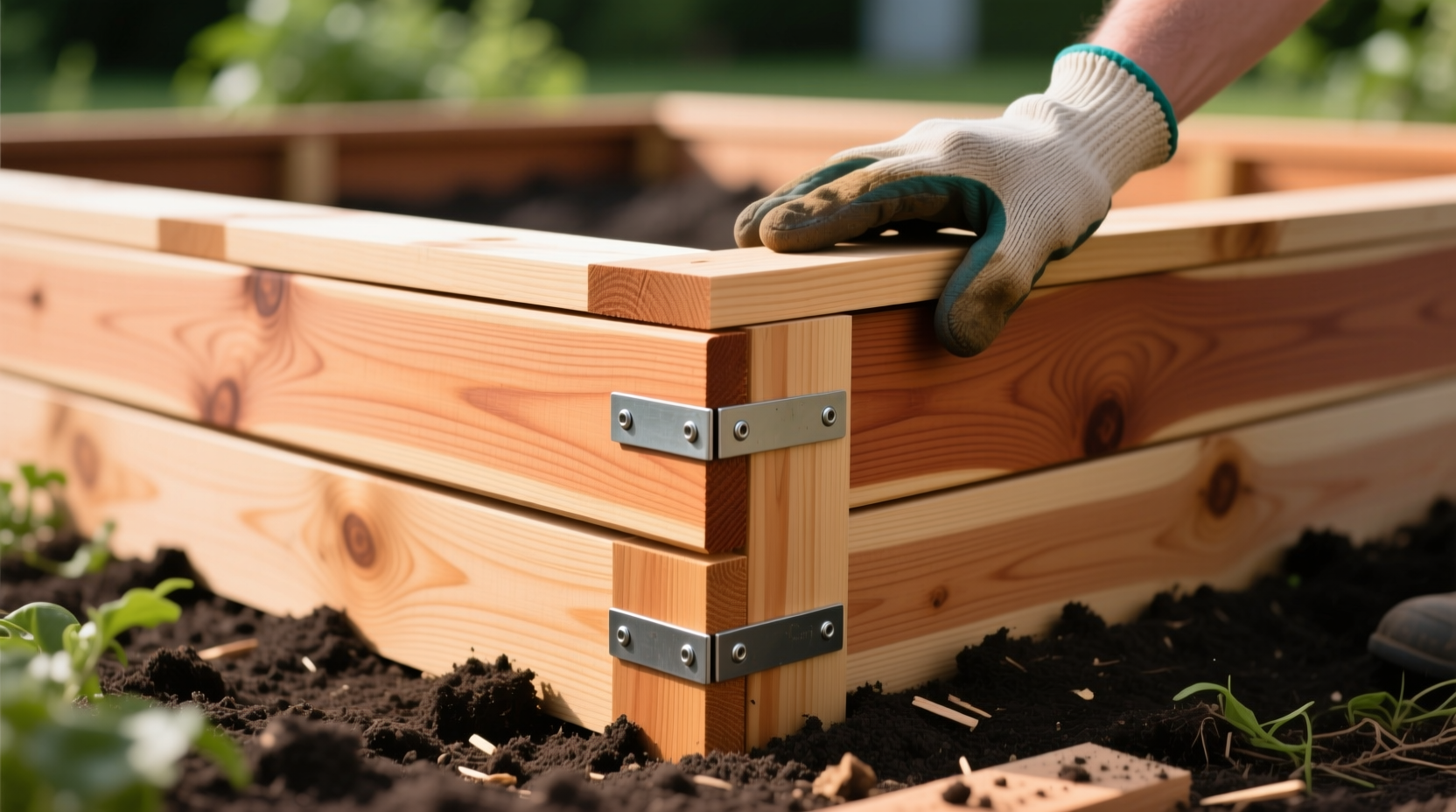
Building a raised bed shouldn't feel like navigating a minefield. By matching wood to your actual garden conditions—not fear-driven myths—you'll create a productive space that thrives for years. Remember: Soil health and drainage matter 10x more than wood type for most seasonal projects. Now grab your tools and grow!