
Zone 9a vs 9b: When That 5°F Difference Kills Citrus
Why Gardeners Overlook the 9a/9b Split (And When It Backfires)
USDA's zone map subdivisions confuse many because gardening resources often simplify "Zone 9" as one category. Official USDA data confirms Zone 9b's minimums stay 5°F warmer than 9a—but most planting calendars don't highlight this nuance. This becomes problematic when:
- You're growing plants rated for "25°F survival" (like Trachelospermum jasminoides)—they'll likely die in 9a but thrive in 9b
- Your location has microclimates (e.g., urban heat islands or frost pockets) that push local temps outside the zone's average range
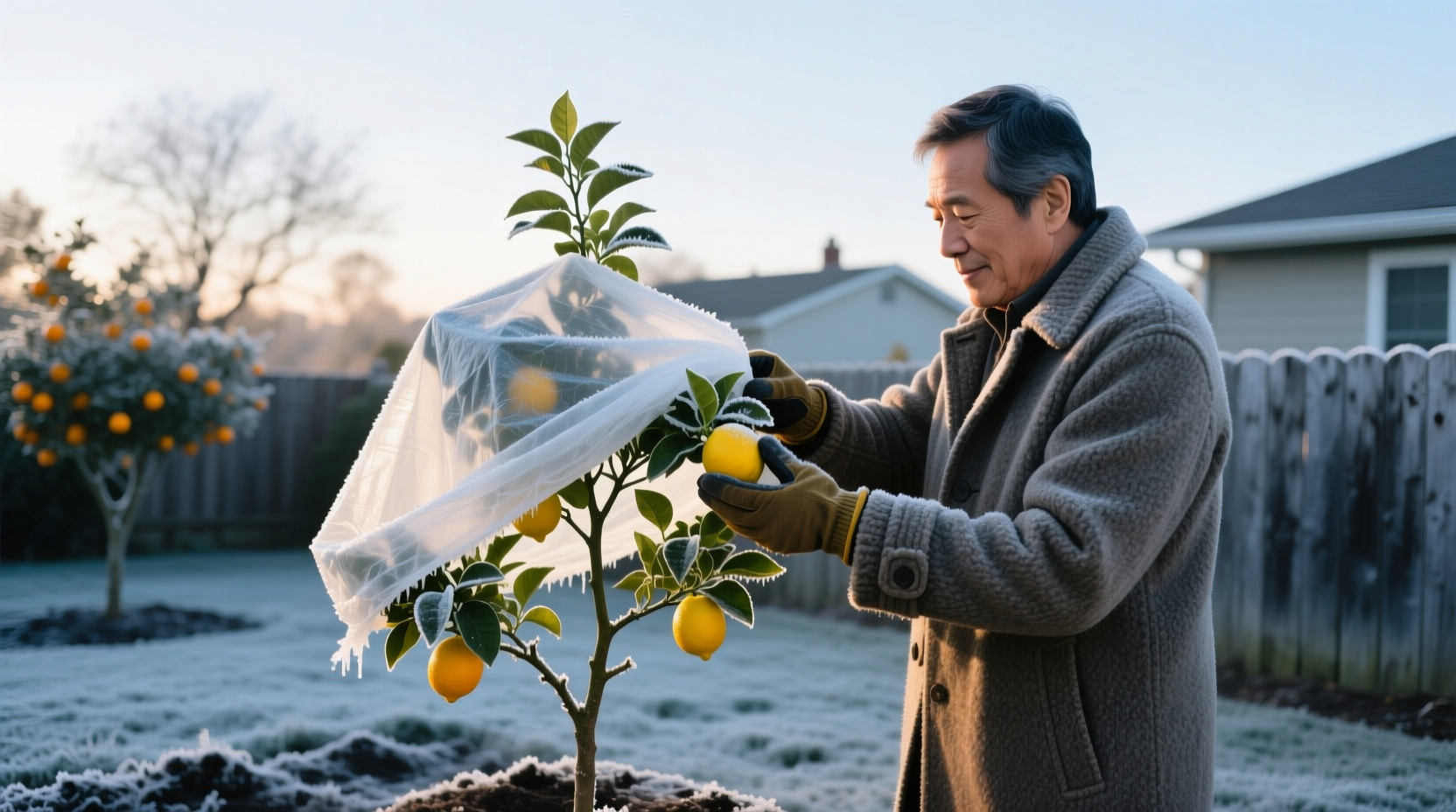
Most people assume 9a and 9b are interchangeable, but in practice, citrus growers in Fresno (Zone 9b) avoid winter wraps while those in slightly cooler zones must use them. The risk isn't theoretical: Nature Hills data shows lemon trees suffer irreversible damage below 25°F.
When the 5°F Difference Changes Your Garden Strategy
Zone 9b's 300-day growing window (per Ferry-Morse) means most vegetables face no meaningful constraints between 9a and 9b. But three scenarios demand attention:
1. Citrus and Tropical Perennials
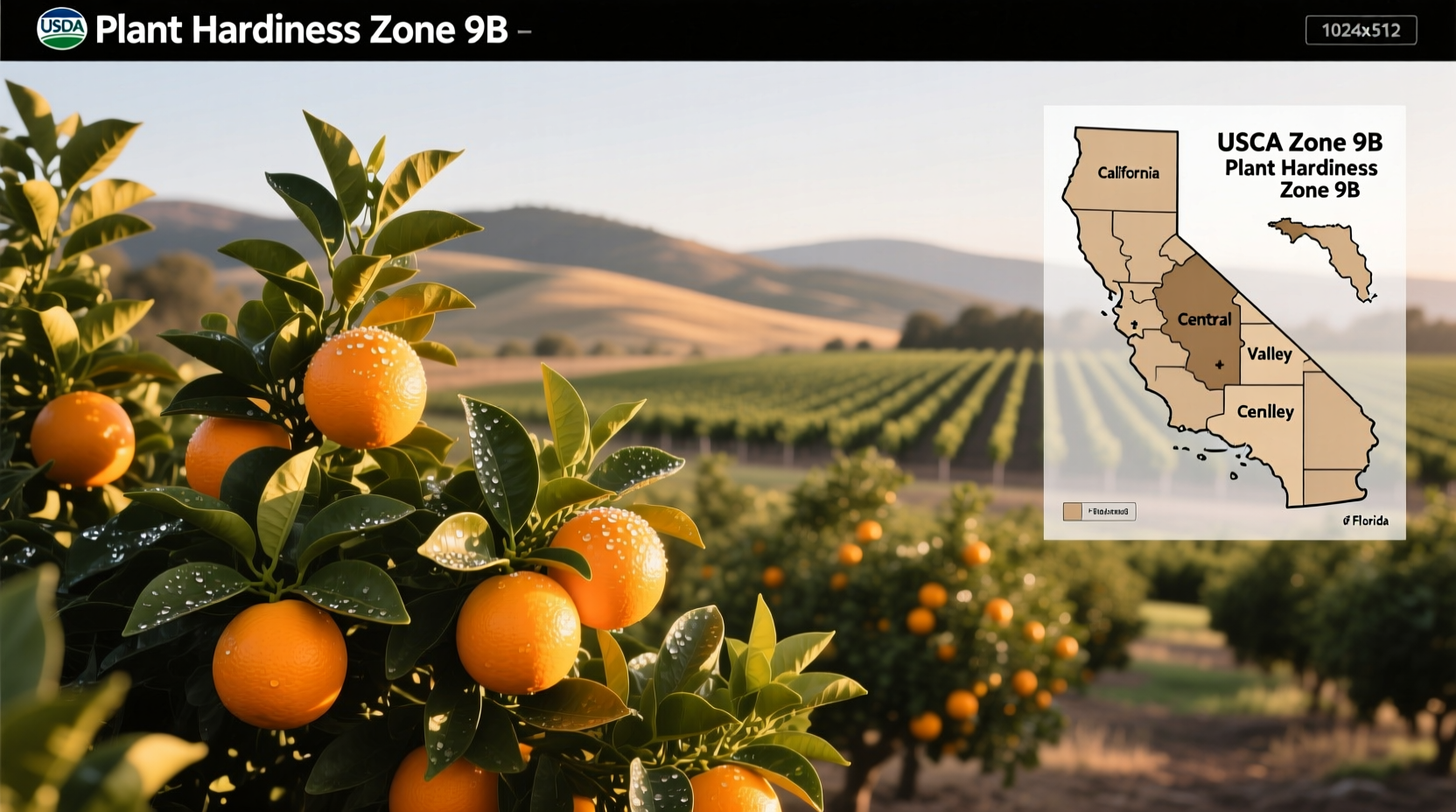
This only matters when your plant's cold tolerance hovers near 25°F. Meyer lemons survive 20°F in protected spots but consistently fail in 9a winters. In 9b regions like Central Valley California, they grow unprotected. For casual vegetable gardeners, this distinction is irrelevant; for orchard owners, it's critical.
2. Frost-Sensitive Annuals
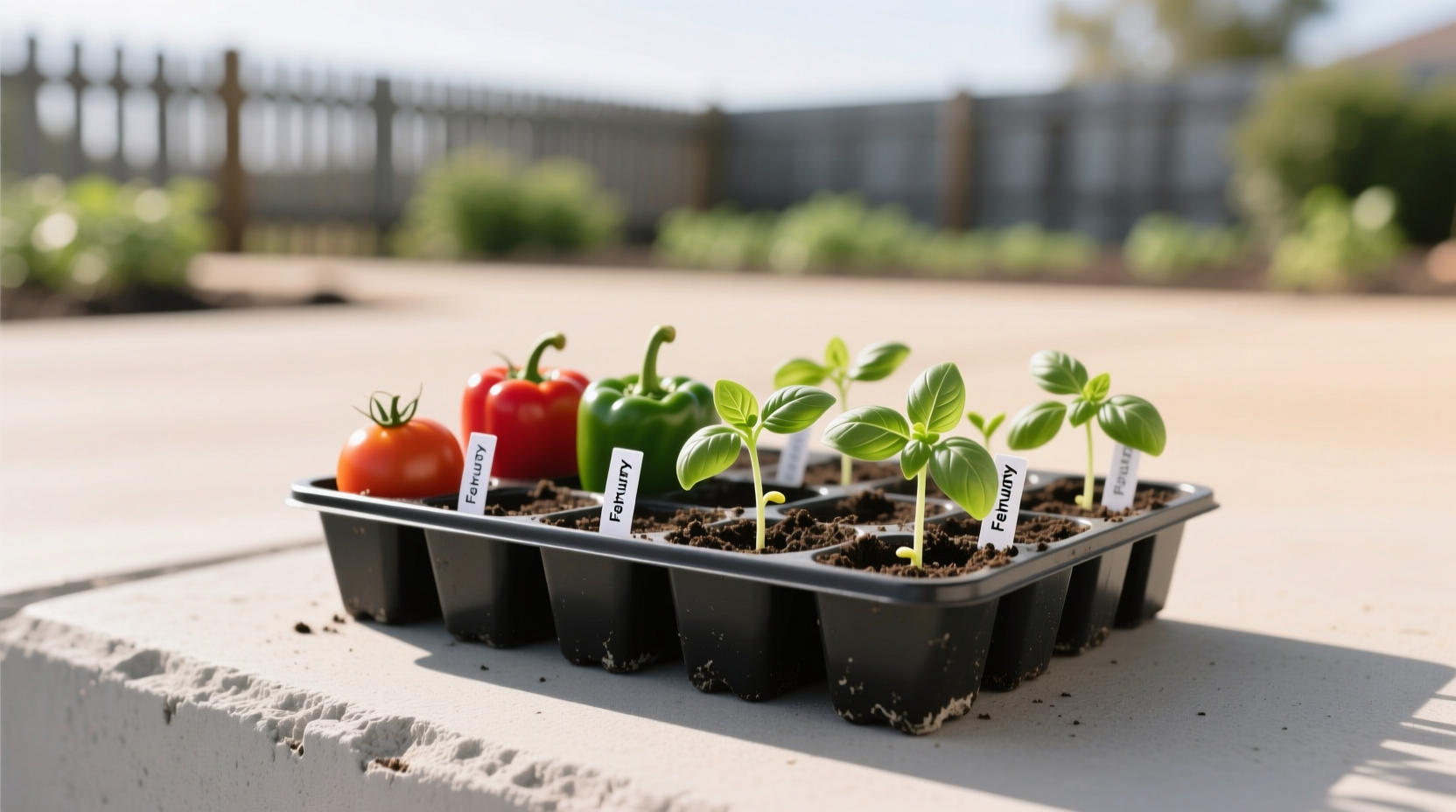
Most people assume last frost dates are identical across Zone 9. Reality: Zone 9b's final frost typically arrives 10-14 days earlier than 9a (PonicsLife data). If you plant tomatoes in early February in 9b (safe), the same timing in 9a risks frost kill. Check your county's specific frost dates—USDA zones alone aren't precise enough.
3. Microclimate Variations
Urban areas often run 2-5°F warmer than rural zones. A Zone 9a garden near downtown Phoenix may function like 9b, while a valley location in the same zone faces colder lows. Always prioritize your actual thermometer readings over zone maps. Most gardeners ignore this, then lose plants during rare cold snaps.
The One Rule That Prevents Most Zone 9b Mistakes
Stop memorizing zone numbers. Instead, cross-reference two things:
- Your plant's exact cold tolerance (e.g., "survives 25°F")
- Your location's historical low (use local extension office records, not just zone maps)
If the plant's minimum is above your area's typical lows, you're safe. This approach catches 90% of errors caused by oversimplified zone labels. For example: Canna lilies tolerate 25°F—perfect for 9b but risky in 9a where temps hit 22°F.
When You Can Safely Ignore the 9a/9b Split
For heat-loving annuals (tomatoes, peppers, basil) and hardy perennials like Russian Sage (Perovskia), the 5°F difference rarely impacts growth. Zone 9b's extended season mainly affects frost-sensitive crops. If you're growing vegetables listed in Urban Farmer's Zone 9 calendar, planting dates overlap significantly between 9a and 9b. Save your energy for monitoring actual weather forecasts instead of zone debates.
Everything You Need to Know
Yes. Zone 9b has average annual minimum temperatures of 25-30°F (-3.9 to -1.1°C), while 9a ranges from 20-25°F (-6.7 to -3.9°C). This 5°F difference impacts cold-sensitive plants like citrus but rarely affects common vegetables.
Proceed with caution. General Zone 9 guides often omit the 5°F gap between 9a/9b. For frost-sensitive plants, verify your specific subzone. Zone 9b calendars typically show 10-14 days earlier planting than 9a for spring crops.
Lemon trees, Star Jasmine, and Canna Lilies consistently survive 9b winters but often die in 9a. If a plant's cold tolerance is rated at 25°F (like Meyer lemon), it requires Zone 9b's warmer minimums. Hardy plants like Coneflowers (Echinacea) tolerate both.
Marginally. Zone 9b's final frost typically occurs 10-14 days earlier than 9a (late February vs. early March). This allows slightly earlier spring planting for frost-sensitive crops. However, heat-tolerant vegetables like tomatoes follow nearly identical schedules in both subzones.
Use the USDA's interactive map—enter your ZIP code for precise subzone data. County extension offices also provide localized frost date records. Never rely solely on generalized zone maps; microclimates can shift your effective zone.
Final Reality Check
Zone 9b's advantage isn't about longer summers—it's that critical 5°F winter buffer. If you grow citrus or marginally hardy exotics, this difference demands action. For most vegetable gardeners, obsessing over 9a vs 9b wastes energy better spent monitoring weekly forecasts. Always prioritize your garden's actual conditions over zone labels. When in doubt, check your plant's specific cold tolerance rating against historical local lows—that's the only calculation that prevents costly mistakes.