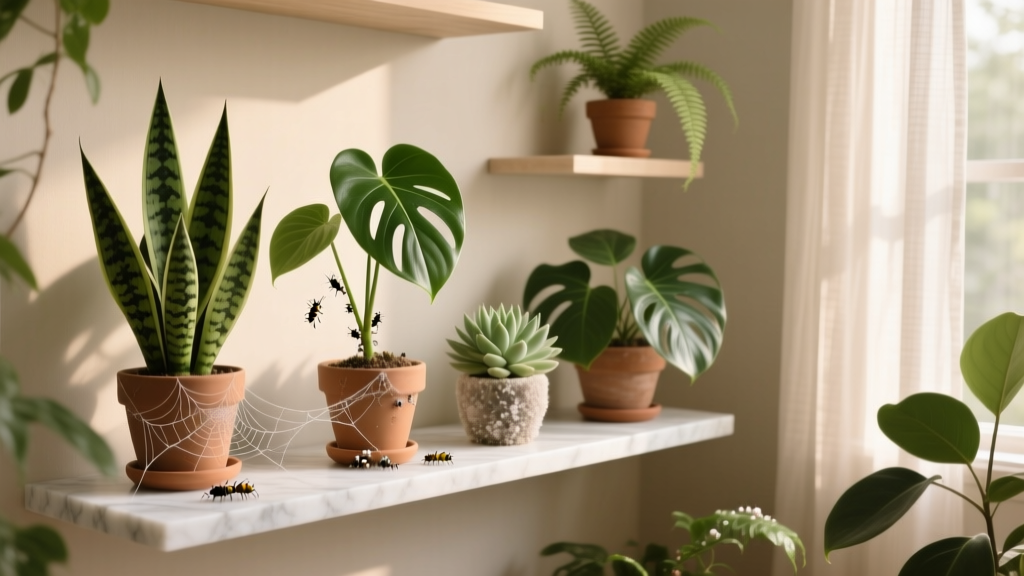
Winter Garden: Houseplant Pest Management Indoors
The moment your heat kicks on and daylight drops, indoor pests get a head start. A single overlooked gnat or mite outbreak can turn into a room-by-room problem in 2–3 weeks because indoor conditions stay warm and stable while predators are absent. Winter is also your best window to reset: you can isolate plants, clean up, and break pest life cycles before spring growth (and spring pest explosions) begin.
This guide is organized by what to do right now, in priority order—plant moves and propagation, pruning and cleanup, protection and prevention, then preparation for the next wave. You’ll see concrete timing (weeks, dates, and thresholds), region-by-region realities, and a schedule you can follow without guessing.
Priority 1: What to protect (contain outbreaks fast)
Do this today: quarantine, inspect, and map the problem
Quarantine immediately when you see sticky leaves, webbing, speckling, cottony clusters, or flying adults. Put the plant in a separate room for 14 days (a full pest scouting cycle), ideally with a door you can close.
- Inspection timing: check plants in bright light every 3–4 days for two weeks; pests often hatch in 7–10 days indoors.
- Where to look: leaf undersides, leaf axils, new growth tips, and the top 1–2 inches of soil.
- Tools: 10× hand lens, yellow sticky cards, cotton swabs, isopropyl alcohol (70%), and a dedicated spray bottle.
Keep a quick “plant map” note on your phone: which plants were close together, which share watering tools, and which sit near a drafty window or heat vent (stress magnets for spider mites).
Temperature and humidity thresholds that change everything
Winter interiors swing wildly—this is why pests surge. Use these thresholds as your tripwires:
- Spider mites thrive when air is dry; outbreaks often escalate when indoor relative humidity falls below 40%.
- Fungus gnats ramp up when potting mix stays wet longer than 5–7 days between waterings.
- Plant stress increases near cold glass: keep foliage from touching windows when outdoor night temps are below 32°F (frost line), and protect tropicals when the room drops under 60°F at night.
- New plant intake quarantine: isolate any gift plants or winter purchases for 21 days before mixing with your collection.
Fast ID guide: match pest to symptom
- Spider mites: fine stippling (tiny pale dots), bronzing, delicate webbing; worst on ivy, croton, citrus, palms, and alocasia.
- Mealybugs: cottony clumps in leaf joints; honeydew and sooty mold; common on hoya, orchids, pothos, succulents.
- Scale: immobile bumps on stems/leaf veins; sticky honeydew; common on ficus, citrus, schefflera.
- Fungus gnats: tiny black flies near soil; larvae feed in wet mix; common in overwatered tropicals and seed-starting trays.
- Aphids: clusters on new growth; distorted leaves; often hitchhike on gift herbs and forced bulbs.
“Most houseplant insect problems start with bringing infested plants indoors or purchasing infested plants; early detection and isolation are the most effective steps.” — University of Minnesota Extension, Houseplant insects (updated guidance; see typical extension recommendations, 2020s)
First response tactics (choose the least disruptive that works)
Step 1: Physical removal (best starting point for most pests). Rinse foliage in the shower or sink using lukewarm water. For sturdy-leaved plants, a firm spray knocks down mites, aphids, and some mealybugs. Follow by wiping leaves (top and underside) with a damp microfiber cloth.
Step 2: Targeted spot-treatment for mealybugs and scale. Dab with a cotton swab dipped in 70% isopropyl alcohol. Recheck in 72 hours and again in 7 days; eggs and hidden crawlers often persist.
Step 3: Horticultural oil or insecticidal soap (when physical cleanup isn’t enough). Spray to full coverage (especially undersides) and repeat on a schedule. Extension guidance commonly emphasizes that soaps and oils require direct contact and thorough coverage to work (e.g., University of California Statewide IPM Program, 2018; see citations below).
Repeat interval rule: treat every 7 days for 3 rounds for mites/aphids, or every 10–14 days for 2–3 rounds for scale/mealybugs, adjusting based on your home’s warmth and the pest’s persistence.
Fungus gnats: stop the larvae, not just the flyers
Sticky cards catch adults but don’t solve the problem alone. Your winter win is drying the top layer and targeting larvae.
- Watering reset: let the top 1–2 inches of potting mix dry before watering again (most tropical houseplants tolerate this in winter).
- Bottom-water when possible for 3–4 weeks to keep the surface drier.
- BTI option: Bacillus thuringiensis israelensis (often sold as “mosquito bits/dunks”) can reduce larvae when applied repeatedly per label for 2–3 weeks.
- Repot only if needed: if the mix is compacted, sour-smelling, or stays wet more than 7 days in winter, consider repotting into a fresher, airier medium.
Priority 2: What to prune (reduce hiding places and stress)
Clean first: remove the pest’s shelter
Winter indoor air slows plant metabolism; damaged leaves don’t “bounce back” quickly. Prune and discard (don’t compost indoors) these parts immediately:
- yellowing leaves touching the soil surface (gnat nursery)
- heavily speckled mite leaves
- sticky, honeydew-coated growth (often scale/mealybugs/aphids)
- dead flowers on holiday plants (poinsettia, kalanchoe, cyclamen)
Sanitation rule: wipe pruners with alcohol between plants, especially when moving from an infested plant to a healthy one.
Prune with timing: don’t trigger weak winter regrowth
Avoid heavy reshaping cuts in midwinter unless the plant is actively growing under strong light. For most homes, do only:
- Selective removal of infested tips and crowded inner growth now
- Structural pruning after day length increases—often late February to mid-March—or when you see consistent new buds
If you’re in USDA Zones 9–11 with bright winter windows, some houseplants keep growing; you can prune a bit more aggressively. In Zones 3–7 with dim winter light, keep pruning minimal and focused on pest removal and airflow.
Priority 3: What to prepare (set your winter IPM system)
Build a weekly scouting routine (10 minutes, zero guesswork)
Use a repeating schedule for the next 6 weeks—long enough to break most indoor pest cycles.
| Week | What to check | What to do | Trigger to escalate |
|---|---|---|---|
| Week 1 | Undersides of 5–10 “sentinel” plants; soil surface | Place sticky cards; rinse dusty foliage; isolate suspects | Any webbing, cottony clusters, or >5 gnats/day on cards |
| Week 2 | New growth tips; leaf axils; pot rims | Spot-treat (alcohol swab); prune damaged leaves | New pests appear after cleaning |
| Week 3 | Recheck quarantined plants closely | 2nd soap/oil round (if using); refresh sticky cards | Live crawlers, continued stippling |
| Week 4 | Soil moisture patterns; gnat pressure | Adjust watering interval; add BTI if gnats persist | Soil stays wet >7 days; algae on surface |
| Week 5 | Whole-collection sweep | Leaf wipe; rotate plants for light; check vents/drafts | Multiple plants showing symptoms |
| Week 6 | Final quarantine review | End quarantine if clean; discard chronically infested plants | Recurring infestations despite 3 treatments |
Dial in winter watering to prevent pests and disease
Overwatering is the winter gateway to fungus gnats and root diseases. Underwatering plus hot, dry air is the gateway to spider mites. Use this practical approach:
- Water by weight: lift the pot; learn “light” vs “heavy.”
- Water by temperature: when outdoor nights are below 25°F, windows chill pots fast—water earlier in the day so roots aren’t cold and wet overnight.
- Skip fertilizer until growth resumes: most houseplants in Zones 3–8 slow down from November–February. Excess nitrogen can push soft growth that attracts aphids and mealybugs.
Disease prevention: keep leaves dry overnight and avoid misting as a humidity strategy—misting gives short-lived humidity and can encourage foliar disease when air circulation is poor. Instead, use a humidifier or pebble trays that don’t splash foliage.
Make your home less pest-friendly (without turning it into a lab)
- Humidity target: aim for 40–55% relative humidity for most tropicals; it reduces mite pressure and improves plant resilience.
- Airflow: run a small fan on low for 2–4 hours/day in plant rooms to reduce stagnant air and discourage fungal issues.
- Light: move plants within 12–24 inches of the brightest window (or add a grow light on a 10–12 hour timer). Stronger plants resist pests better.
- Dust removal: wipe leaves monthly; dusty leaves invite mites and reduce photosynthesis.
Priority 4: What to plant (winter-safe moves: propagate, pot, and restart)
Propagation: a clean restart when a plant is too far gone
When mealybugs or mites keep returning, propagation can be the most efficient winter “planting” task. Take healthy cuttings, then discard the original plant if it’s a chronic reservoir.
- Best candidates: pothos, philodendron, tradescantia, coleus, hoya, some begonias.
- Timing: take cuttings on a day you can maintain stable warmth; rooting is smoother when the room stays above 68°F.
- Sanitation: start in fresh water or sterile medium; do not reuse old soil from an infested pot.
Repotting: only when conditions demand it
Midwinter repotting can stress slow-growing plants, but it’s justified if:
- the mix stays wet longer than 7–10 days even with careful watering
- you have persistent fungus gnats despite drying cycles and BTI
- roots are rotting (sour smell, blackened roots)
Choose a pot only 1–2 inches wider than the root ball and use a fast-draining mix. For succulents/cacti, winter is usually a “hold” season—delay repotting until brighter light returns unless rot is present.
Action checklists (printable mindset, winter pace)
24-hour pest containment checklist
- Isolate the plant for 14 days
- Inspect undersides and soil line with a hand lens
- Rinse foliage; wipe leaves clean
- Install yellow sticky cards near soil (gnats) and canopy level (whiteflies/aphids)
- Spot-treat visible mealybugs/scale with 70% alcohol
- Remove heavily infested leaves and discard
7-day follow-through checklist
- Recheck every 3–4 days; log what you see
- Repeat soap/oil treatment if pests persist (coverage matters)
- Adjust watering: let top 1–2 inches dry
- Clean drip trays and saucers (algae supports gnats)
- Vacuum around plant areas (fallen leaves = shelter)
30-day prevention checklist
- Set humidity to 40–55% if possible
- Keep plants away from heating vents; avoid leaf scorch and mite stress
- Wipe leaves monthly; rotate pots weekly for even light
- Quarantine any new plant for 21 days
- Refresh your potting supplies: sterile mix, clean pots, labeled spray bottles
Seasonal timing you can anchor to real dates (and frost lines)
Indoor pest management still follows the calendar because your home environment changes with outdoor cold and indoor heating cycles.
- By Thanksgiving to mid-December (Zones 3–7): heaters run steadily; expect mites and mealybugs to show up. Start weekly scouting now.
- From the first hard freeze (often < 28°F): humidity indoors usually drops; raise humidity or increase leaf-wipe frequency.
- Late December through January: lowest natural light; reduce watering frequency and stop routine fertilizing.
- After February 15–March 15: day length increase often triggers new growth—prime time for aphids. Plan a preventive inspection and cleanup in this window.
- Four weeks before your average last frost date: if you start seedlings indoors, implement gnat prevention immediately (bottom-water, airflow, and avoid constantly wet mix).
Real-world winter scenarios (adjust for your region and home)
Scenario 1: Cold-winter homes (USDA Zones 3–6) with forced-air heat
Expect spider mites to be your top pest because forced-air heat often drives indoor humidity below 35–40%. Your most effective actions:
- Run a humidifier near (not on) plants to maintain 40–55% RH
- Keep plants 12+ inches away from heat vents
- Shower-rinse mite-prone plants every 10–14 days during peak heating season
If your windows are icy and temps outside are routinely below 20°F, avoid leaving wet foliage near cold glass—clean leaves earlier in the day so they dry before the coldest night period.
Scenario 2: Mild-winter climates (USDA Zones 8–10) where windows stay open
Your winter pest pressure may include aphids and whiteflies because outdoor insects can still fly in on warm days. You may also have more consistent growth on houseplants, which means pests reproduce on tender tips.
- Use fine mesh screens where possible during warm spells
- Inspect new growth weekly; pinch and remove infested tips early
- Consider beneficial insects in enclosed sunrooms/greenhouses if conditions allow, but avoid releasing predators in open living spaces where they won’t persist
Scenario 3: Indoor seed-starting setups (all zones) in January–March
Seed-starting racks are fungus gnat magnets: warm, moist media under lights. Prevent problems before you sow:
- Start with fresh, bagged seed-starting mix (not leftover outdoor compost)
- Bottom-water trays and let surfaces dry between irrigations
- Run a gentle fan continuously on low
- Place sticky cards at tray level from day one; if you catch adults, begin BTI immediately for 2–3 weeks
This is also where damping-off disease can appear; airflow and careful watering are your best winter defenses.
Scenario 4: Holiday plant influx (poinsettia, amaryllis, rosemary topiaries)
Gift plants often arrive already stressed or infested. Treat them like new livestock:
- Quarantine for 21 days
- Inspect undersides and stem crotches; mealybugs love tight spaces
- Remove decorative foil and ensure pots drain—standing water invites root disease and gnats
Research-backed notes (what extensions emphasize in winter IPM)
Two recurring points from university IPM programs matter most in winter: coverage and repetition. Contact sprays like soaps and oils work only when they hit the pest, and follow-up applications are often necessary to catch newly hatched individuals.
Citation 1: University of California Statewide Integrated Pest Management Program (UC IPM). Mealybugs and other soft scales and related houseplant pest guidance emphasize thorough coverage and repeat treatments for crawlers (2018).
Citation 2: University of Minnesota Extension. Houseplant insects guidance highlights the importance of inspecting new plants, isolating infested plants, and using sanitation and non-chemical steps first (2020).
Citation 3 (bonus): Penn State Extension guidance on fungus gnats in indoor plants commonly stresses moisture management and larval control for lasting results (2019).
Practical winter treatment timeline (choose your lane and stick to it)
If you’ve confirmed a pest, pick a lane based on severity and plant value. Switching methods constantly is less effective than repeating a solid plan on schedule.
- Light infestation: rinse + wipe + isolate; recheck in 72 hours; repeat cleaning weekly for 3 weeks.
- Moderate infestation: isolate; prune worst leaves; soap/oil spray now, then at day 7 and day 14; continue scouting through day 21.
- Severe or recurring infestation: consider propagation of clean cuttings, or discard the plant to protect the rest of your collection—especially if you have many plants in one room.
Keep treatments away from temperature extremes: don’t spray oils/soaps on plants sitting in direct winter sun or near heat vents. Apply when room temps are stable, ideally 65–75°F, and allow leaves to dry with gentle airflow.
Winter-proof prevention: stop pests before they start
Your best winter pest management is preventing stressed plants. Stressed plants leak more sugars and lose natural defenses, which draws pests in. Focus on these high-return habits:
- Spacing: don’t let leaves overlap heavily; crowded canopies hide mites and mealybugs.
- Clean pots and saucers: algae and debris create habitat for gnats and mold.
- New plant protocol: 21-day quarantine, inspect twice weekly, and only then integrate.
- Refresh sticky cards monthly during peak indoor season (December–March).
Winter is the season to be decisive. If one plant repeatedly reinfects others, it’s not a “project”—it’s a pest reservoir. Replace it in spring with a healthier specimen, and use the winter weeks you saved to set up a stronger routine for the rest of your indoor garden.