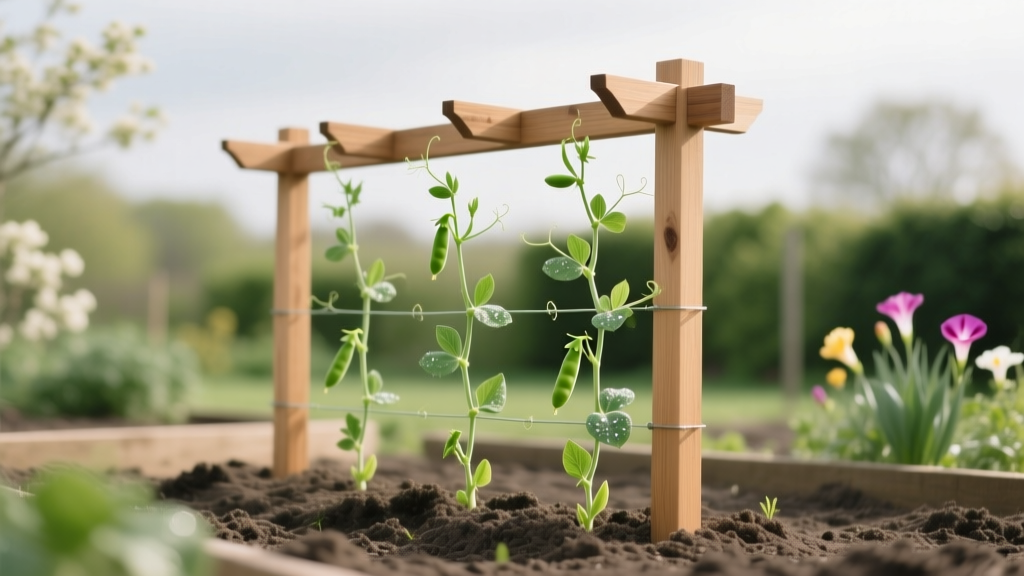
Spring Garden: Preparing Trellises for Climbing Plants
The window for getting trellises ready is shorter than most gardeners expect: once soil warms and vines start to run, you’re suddenly tying, training, and troubleshooting at the same time. Use early spring—before rapid growth and before your last frost date—to repair supports, sanitize ties, and set sturdy anchors. Done on time, trellises keep foliage drier (fewer fungal problems), improve pollination access, and make harvest faster.
Work from highest priority to lowest: first make supports safe and strong, then plant and train, then prune and protect. If you only have one weekend, focus on structural repairs and anchor points; a trellis failure in June can wipe out a season of cucumbers, peas, beans, or flowering vines.
Priority 1: What to prepare right now (trellises, posts, ties, and site)
1) Schedule your trellis work by frost date and soil temperature
Use these numbers to time your tasks (adjust to your local average last frost date):
- 6–8 weeks before last frost: inspect and repair permanent trellises, replace rotted wood, check anchors.
- 4 weeks before last frost: set posts for new trellises (easier while soil is moist), pre-stage netting and clips.
- 2 weeks before last frost: sanitize reusable ties and supports; prep soil at the base; install drip lines.
- At 45°F (7°C) soil temp: direct-sow peas; have pea supports fully installed before sowing.
- At 60°F (16°C) soil temp and after frost risk: plant warm-season climbers (beans, cucumbers; many gardeners use 55–65°F as the practical range).
If you don’t track soil temperature, start now: a basic probe thermometer at 2–4 inches deep gives better planting cues than air temps. Many seeds fail from cold soil, not cold air.
2) Trellis stability checklist (do this before planting)
Most climbing crops become heavy when wet. A 6-foot trellis loaded with cucumbers after a rain can pull out shallow posts. Before you plant, run this stability checklist:
- Push test: can you rock the trellis more than 1 inch at the top? If yes, re-anchor.
- Post depth: aim for 18–24 inches in-ground for seasonal trellises; deeper for tall/permanent structures in windy sites.
- Fasteners: replace rusted staples/screws; use exterior-rated screws for wood frames.
- Edges: sand or cap sharp wire ends; they shred plant stems and your hands.
- Load plan: if you grow heavy fruit (melons, large gourds), build for weight and plan slings.
3) Sanitize and refresh supports to reduce spring disease carryover
Spring is when last year’s spores and eggs re-enter the garden. Clean trellises and stakes before vines touch them.
- Wire, metal, and plastic trellises: scrub soil off, then sanitize with a disinfectant labeled for garden tools or a dilute bleach solution (common practice is 1:9 bleach:water); rinse and dry.
- Wood trellises: brush off debris; avoid soaking in bleach (can degrade wood). Consider a light sanding where mildew is visible, and keep the trellis dry and well-aired.
- Netting and ties: discard brittle plastic; wash cloth ties hot and dry fully. Reusing last year’s cucumber netting without cleaning can reintroduce downy mildew and bacterial leaf spot problems.
“Many plant pathogens survive on infected debris and can be spread by tools and equipment; sanitation is a key step in reducing disease pressure.” — Extension plant pathology guidance (general sanitation principle), University extension publications (various)
For specific, research-based disease prevention, the University of Minnesota Extension emphasizes sanitation and crop rotation as foundational steps for managing vegetable diseases (University of Minnesota Extension, 2020). Similarly, University of Maryland Extension vegetable disease resources stress reducing leaf wetness and improving airflow to limit foliar diseases (University of Maryland Extension, 2019).
4) Match trellis type to crop behavior (and your available time)
Use this comparison to choose a support that won’t need constant midseason adjustments.
| Trellis style | Best for | Spring setup time | Strength in wind | Notes |
|---|---|---|---|---|
| A-frame with wire/mesh | Peas, cucumbers, pole beans | Medium | High | Great airflow; easy harvesting from both sides. |
| Single vertical net panel | Snap peas, small cucumbers | Low | Medium | Needs tight top wire and solid end posts to prevent sag. |
| String trellis (top bar + drop strings) | Indeterminate tomatoes, some beans | Low | Medium | Fast to install; check knots weekly early on. |
| Cattle panel arch | Cucumbers, small squash, flowering vines | Medium | High | Strong and long-lived; needs solid stakes/T-posts. |
| Obelisk or tripod | Sweet peas, nasturtiums, compact beans | Low | Low–Medium | Stake feet well; best in sheltered beds/containers. |
Rule of thumb: if the vine will produce heavy fruit (cucumbers, gourds), choose rigid panels (cattle panels, welded wire, sturdy A-frames). If it’s primarily flowers (sweet peas, clematis), lighter supports are fine—just secure them before growth surges.
5) Set up irrigation and mulch zones before the vines sprawl
Install drip lines or soaker hoses 1–2 weeks before planting warm-season climbers. Once vines climb, you’ll avoid breaking tender stems. Keep the irrigation line 2–4 inches from the plant base to discourage crown rot. Plan your mulch: wait until soil warms (often after last frost) so you don’t keep soil cold for heat-loving vines.
Priority 2: What to plant (by temperature, weeks, and USDA zone)
Cool-season climbers to start early (peas, sweet peas)
If your garden is in USDA zones 3–7, peas are often your first trellis crop. Direct-sow when soil is consistently around 45°F (7°C) and workable. In many areas that’s 4–6 weeks before the last frost date. Install trellises first so you don’t disturb germinating roots.
- Snap peas/snow peas: sow 1 inch deep; keep seed row 2–3 inches from the trellis face for easy training.
- Sweet peas (ornamental): in mild regions (zones 8–10), they’re a winter/spring crop; in colder zones, sow as soon as soil can be worked and protect seedlings from hard freezes.
Warm-season climbers to wait on (beans, cucumbers, gourds)
Warm-season climbers resent cold soil. Plant after your last frost date, and use soil temperature as a second gate:
- Pole beans: plant when soil is 60°F (16°C) and warming; many gardeners target 1–2 weeks after last frost for reliable emergence.
- Cucumbers: transplant or direct-sow after frost risk, typically when nights stay above 50°F (10°C) and soil is 60–65°F.
- Small melons/gourds: transplant after nights are consistently above 55°F (13°C); plan slings as fruit develops.
For zones 8–10, your “spring trellis prep” may happen as early as late February into March, because growth starts fast. In zones 3–5, the same trellis work often lands in April into early May, depending on snowmelt and thaw.
Priority 3: What to prune and train (so vines grab the trellis, not each other)
Train early—within the first 10–14 days after sprouting
The easiest time to direct a climber is when it’s short. Once tendrils twist around neighboring plants, you’ll break stems trying to untangle them. Plan to check and guide new growth twice a week during the first month.
- Peas: gently weave tendrils through netting as they reach 4–6 inches tall.
- Pole beans: start them clockwise (most twine that direction) around a pole or string when vines are 6–8 inches long.
- Cucumbers: use soft clips or figure-8 ties; avoid tight knots that girdle stems as they thicken.
Targeted pruning rules for spring trellis crops
Pruning is crop-specific. Done right, it improves airflow and reduces leaf wetness—key for spring fungal prevention.
- Cucumbers on a vertical trellis: remove leaves that rest on soil, and thin congested side shoots if airflow is poor. Keep the bottom 6–12 inches relatively open to reduce splash-up disease.
- Sweet peas: pinch the tip when plants reach 6–8 inches to encourage branching (more bloom stems).
- Clematis (ornamental): prune according to pruning group; if you don’t know the group, avoid hard pruning in early spring unless it’s a known Group 3 type.
If you’re growing indeterminate tomatoes on a trellis system, follow local extension recommendations for pruning style and spacing; many university vegetable guides note that improved airflow reduces foliar disease risk (University of Maryland Extension, 2019).
Priority 4: What to protect (late frosts, wind, pests, and spring diseases)
Late frost and wind protection around trellises
Trellises change your microclimate: they block wind, cast shade, and can create cold pockets. Plan protection that’s fast to deploy.
- Frost cloth readiness: keep row cover or frost cloth cut to size before planting. If a late freeze threatens, cover at dusk and remove mid-morning when temperatures rise above 35–40°F.
- Wind: in exposed gardens, add a second anchor line or diagonal brace. Spring gusts can loosen posts in soft soil.
- Cold soil: for warm-season crops, use black landscape fabric or clear plastic for 7–10 days before planting to warm soil (vent on hot days).
Spring pest prevention specific to climbing crops
Many trellis crops are magnets for early infestations because tender growth appears when pest populations ramp up.
- Aphids on peas and sweet peas: check growing tips weekly. Blast off with water early in the day. Encourage beneficials by keeping nearby flowers (alyssum, dill) but avoid letting weeds host aphids.
- Cucumber beetles: start scouting at seedling stage, especially once temperatures hover in the 60–70°F range. Use floating row cover until flowering, then remove for pollination. Manage weeds and plant debris that shelter beetles.
- Slugs/snails in cool, wet springs: protect seedlings at the base of trellises with iron phosphate bait (follow label), boards for trapping, and morning cleanup. Keep mulch slightly back from stems.
Spring disease prevention: airflow, splash control, and clean starts
Trellises help, but only if you use them to keep foliage dry and off the soil.
- Downy mildew / powdery mildew risk: avoid overhead watering; water at the base early in the day. Trellis to prevent dense canopies.
- Damping-off and seedling rot: don’t overwater in cool soil; wait for temperature thresholds and use well-draining seedbeds.
- Bacterial leaf spot/speck (various crops): sanitize stakes and cages; avoid working plants when wet.
University extension resources consistently emphasize sanitation, reducing leaf wetness, and crop rotation as primary disease-management tools in home vegetable gardens (University of Minnesota Extension, 2020; University of Maryland Extension, 2019).
Regional scenarios: adjust your spring trellis plan to real conditions
Scenario 1: Cold spring in the Upper Midwest / Northeast (USDA zones 3–5)
If your last frost date commonly falls around May 10–25, prioritize structural prep while you wait. Soil stays wet and heavy; posts can loosen after freeze-thaw cycles.
- Install pea trellises as soon as beds are workable; sow peas 4–6 weeks before last frost when soil hits 45°F.
- Delay bean/cucumber planting until soil is near 60°F; cold starts invite rot.
- Keep row cover handy for sudden dips to 28–32°F after emergence.
Scenario 2: Mild spring with early heat spikes (USDA zones 7–8)
In many zone 7–8 areas, last frost often lands around March 15–April 15. Growth can explode, and pests show up early.
- Install trellises 6 weeks before last frost so you’re planting into a finished system.
- Scout for aphids weekly once daytime highs regularly exceed 65°F.
- Mulch after soil warms to keep roots evenly moist; heat stress encourages bitterness in cucumbers.
Scenario 3: Pacific Northwest cool, wet spring (USDA zones 7–9 coastal influence)
Extended leaf wetness increases mildew and slug pressure. Trellising is especially valuable here, but only if you keep the base clean and the canopy open.
- Choose rigid panels (cattle panel, welded wire) that hold vines apart; avoid floppy netting that collapses into a wet mat.
- Water early and sparingly; avoid evening irrigation.
- Set slug controls at planting time; don’t wait for damage.
Scenario 4: Windy Plains / high-desert edges (USDA zones 5–7 with strong spring winds)
Wind is the make-or-break variable. A tall trellis can act like a sail.
- Use T-posts or deeply set wooden posts (24 inches in-ground) with a rigid panel.
- Add diagonal bracing on end posts; tighten connections after the first big wind event.
- Provide temporary windbreak fabric on the windward side until plants establish.
Spring timeline: month-by-month trellis tasks you can follow
| Month | Priority tasks | Planting window cues | Watch-outs |
|---|---|---|---|
| March | Inspect/repair trellises; set posts; sanitize ties; prep pea supports | Soil workable; peas at ~45°F soil | Freeze-thaw loosens posts; soggy soil causes tilt |
| April | Install netting/panels; sow peas; train seedlings; set irrigation lines | 4–6 weeks before last frost for peas in colder zones | Aphids begin; slugs in wet weather |
| May | Plant beans/cukes after frost; clip/tie twice weekly; mulch after warming | After last frost; soil ~60°F; nights > 50°F for cucumbers | Cucumber beetles; sudden heat spikes; trellis sag under fast growth |
| June | Re-tension netting; prune for airflow; add fruit slings if needed | Steady growth; flowering begins | Mildews appear with humidity; trellis overload after rains |
Action checklists you can take outside this week
One-hour triage (if you’re behind)
- Stomp posts back into place; add 2 stakes to stabilize wobbly ends.
- Replace the top line/wire so netting can be pulled tight.
- Throw out brittle ties; set aside a spool of soft twine or plant tape.
- Clear last year’s debris within 12 inches of trellis bases.
Half-day trellis reset (best payoff before planting)
- Scrub and sanitize reusable panels, cages, and clips; let dry fully.
- Confirm post depth (18–24 inches) and add bracing on end posts.
- Install irrigation and test for leaks; confirm coverage along the trellis row.
- Mark plant spacing now (string line + measured intervals) so seedlings aren’t crowded.
Weekly spring routine once vines emerge
- Training pass 2x/week: guide tendrils, clip stems, correct tangles early.
- Scout pass 1x/week: check undersides of leaves for aphids/eggs; inspect for slug damage.
- Structural pass 1x/week: tighten sagging netting; check after storms or winds above 25 mph.
Practical notes that prevent common trellis failures
Don’t rely on zip ties alone for load-bearing connections. They degrade in sun and snap under tension. Use screws, wire, or proper clamps for the frame, and save zip ties for temporary positioning.
Keep vines from touching the ground at the start. The first 6–12 inches matter most for splash-borne disease. A clean, open base also makes it easier to spot pests early.
Plan access paths now. Leave at least 18–24 inches walkway space so you can harvest and spray water for aphid control without stepping into beds. Tight paths lead to broken stems and missed scouting.
Label what you built. A small tag noting “installed April 6” and the crop can help you track what worked and which trellis needs strengthening next year.
Spring trellis prep is one of those jobs that feels optional until vines take off. Put the structure in place first, then plant into it on the correct temperature cues, and you’ll spend the rest of the season training and harvesting—rather than rebuilding supports in the middle of a windstorm.