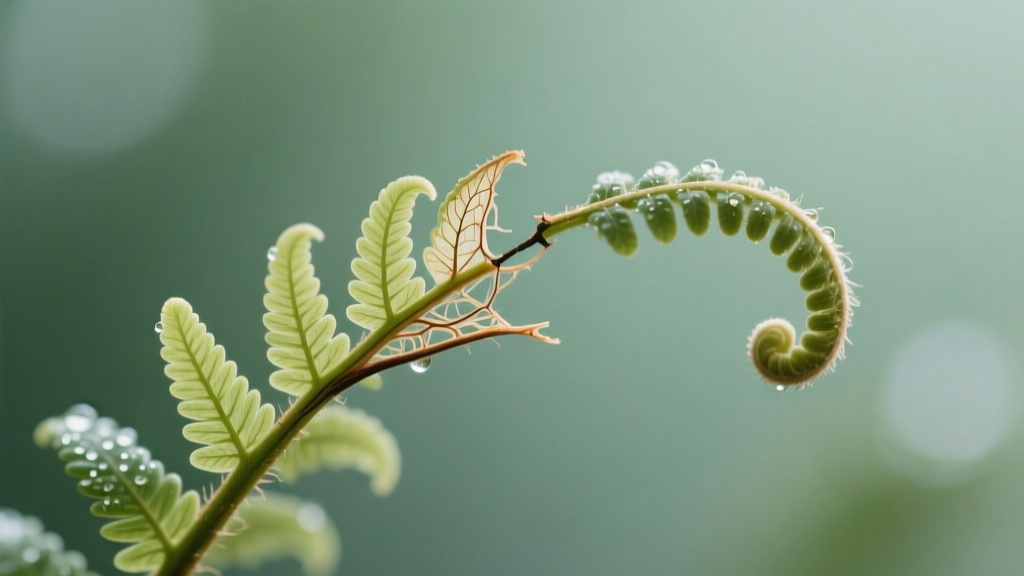
First Aid for Broken Ferns Branches
You walk past your fern and your stomach drops: a frond is bent in half, crushed by a curious cat, a careless elbow, or last night’s gusty storm. Ferns look delicate, but they’re tougher than they appear—if you handle the damage the right way. The trick is knowing what can recover, what should be removed, and how to adjust care for the next 2–4 weeks so the plant doesn’t spiral into stress (brown tips, leaf drop, and slow regrowth).
One surprising fact that helps you act quickly: most ferns don’t “heal” a snapped frond the way a woody plant might seal a broken branch. If the vascular tissue in the frond’s stem (the stipe) is crushed, that section typically won’t re-knit. Your best “first aid” is clean removal when necessary, plus dialing in moisture, light, and humidity so the crown can push new fronds.
Before You Touch Anything: A 2-Minute Triage
Broken fern “branches” are usually fronds. The frond attaches to the plant at the crown (the growing point at soil level). Your goal is to protect the crown and stop secondary problems like rot or pests.
Step-by-step: quick assessment
- Find the break location: Is it at the tip, mid-stipe, or right at the crown?
- Check for tissue crush: If the stipe is folded and flattened, water flow is compromised—expect that frond to decline.
- Inspect the crown: If the crown is firm and not mushy or black, your fern is likely fine long-term.
- Look for soil splash or debris: Broken fronds can smear wet soil onto the crown, increasing rot risk.
- Decide: splint or snip: Minor bends can sometimes be supported; severe breaks should be removed cleanly.
When to snip immediately: frond snapped more than 50%, frond hanging by a thread, or break within 1 inch (2.5 cm) of the crown. Leaving it invites rot and fungus where the tissue is damaged.
First Aid: Clean Cuts, Clean Tools, Calm Handling
This is the part most gardeners rush—and it’s where good technique matters. A jagged tear is an open door for disease. A clean cut dries neatly and the plant moves on.
What to use (and how to sanitize)
- Tools: sharp scissors, snips, or a razor knife for thick stipes
- Sanitize: wipe blades with 70% isopropyl alcohol before and after cuts
- Gloves: optional, but helpful if you’re working near a dense crown
Alcohol at 70% is widely recommended because it penetrates cells effectively without needing dilution time. Many university extension resources support sanitizing tools to reduce disease spread in home gardens (e.g., University of Minnesota Extension guidance on tool sanitation, 2023).
How to remove a broken frond without harming the crown
- Hold the frond gently near its base to stabilize it.
- Trace the stipe down to where it emerges from the crown.
- Cut the frond 1/4 inch (6 mm) above the crown—don’t gouge into the crown tissue.
- Remove any fallen fragments from the pot surface (they trap moisture and invite fungus gnats).
Do not pull a frond out by yanking. Many ferns have tightly packed crowns; ripping can tear crown tissue and set the plant back far more than the original break.
Should you splint a bent fern frond?
Sometimes. If the frond is bent but not crushed—think “creased” not “broken”—you can try support. If it’s fully snapped, splinting usually just prolongs decline.
| Situation | Method | Success rate (home conditions) | Time to know outcome |
|---|---|---|---|
| Frond lightly bent, stipe intact | Soft tie + bamboo skewer support | Moderate (about 50–70%) | 3–7 days |
| Stipe creased but not flattened | Support + reduce handling; keep humidity steady | Low to moderate (30–50%) | 7–10 days |
| Stipe snapped or crushed flat | Remove frond cleanly | High plant recovery (90%+), frond won’t recover | Immediate |
| Break at/into the crown | Remove damaged tissue carefully; focus on drying airflow | Variable (depends on rot) | 10–21 days |
If you do splint: use a thin skewer and a soft plant tie. Keep the tie loose—tight ties cut circulation. Re-check in 48 hours because fern tissue can swell slightly in humidity.
“The fastest way to lose a fern after mechanical damage is to keep it too wet while it’s trying to recover. Damaged tissue doesn’t transpire normally, so the roots sit in moisture longer.” — advice echoed in multiple houseplant pathology discussions and extension recommendations on watering stress after injury (Penn State Extension, 2022)
Watering After a Break: Keep It Even, Not Soaked
Right after a frond breaks, many gardeners overwater out of sympathy. That’s backwards. A damaged fern often uses slightly less water for a week because it has less leaf area transpiring.
What “even moisture” actually means
- Water when the top 1/2 inch (1–1.5 cm) of potting mix feels just barely dry.
- Water thoroughly until 10–15% of the water drains out the bottom, then discard runoff.
- For most indoor ferns, that’s often every 4–7 days, but always go by feel and pot weight.
Temperature matters: If your room is 65–75°F (18–24°C), evaporation is moderate. If it’s above 78°F (26°C), you may need to water more often—but still avoid leaving the pot sitting in water.
Three watering scenarios (real-life cases)
Case 1: Boston fern on a porch gets snapped in wind. Outdoors, air movement is high, and hanging baskets dry fast. After removing broken fronds, check moisture daily for a week. In a small basket, you may water every 1–3 days in hot weather, aiming to keep the root zone consistently damp, not dripping.
Case 2: Maidenhair fern frond breaks during repotting. Maidenhair (Adiantum) is less forgiving of dry-outs. After cutting the broken frond, keep the mix lightly moist and avoid any “let it dry halfway” advice. If it dries fully even once, you can lose multiple fronds within 72 hours.
Case 3: Rabbit’s foot fern gets crushed by a pet. Davallia often has fuzzy rhizomes creeping on the surface. After injury, don’t bury those rhizomes deeper. Water around them, not onto them, to reduce rot risk.
Soil and Potting: Prevent Rot While the Plant Rebalances
Broken fronds don’t directly change soil needs, but they do change water use. If your fern was already borderline too wet, breakage can be the tipping point that leads to crown rot.
A reliable potting mix target
For most common house ferns (Boston, Kimberly Queen, rabbit’s foot, bird’s nest), use a mix that holds moisture but drains freely:
- 50–60% peat/coco-based potting mix
- 20–30% fine pine bark or orchid bark
- 10–20% perlite
Use a pot with drainage holes. If your fern is in a cachepot (decorative pot with no holes), keep it in a nursery pot inside and empty the outer pot after watering.
When to repot (and when not to)
- Do not repot immediately after breakage unless the soil is sour, soggy, or fungus-gnat infested.
- Repot if the mix stays wet longer than 10 days in a warm room, or if you smell a swampy odor.
If you must repot, do it gently and keep the crown at the same level as before. Burying the crown even 1/2 inch (1.5 cm) deeper can increase rot risk for some ferns.
Light: Bright Shade Is the Sweet Spot for Regrowth
After you remove broken fronds, your fern has less “solar panel” area. You want enough light to fuel new growth, but not so much that it dries out or scorches.
Indoor light targets (practical, not fancy)
- Best: bright, indirect light near an east or north window
- Acceptable: a few feet back from a south/west window with a sheer curtain
- Avoid: harsh direct sun that hits the fronds for more than 30–60 minutes midday
If you use a grow light, aim for 10–12 hours per day at a reasonable distance (often 12–18 inches from the foliage, depending on the fixture). Watch the tips: if they bleach or crisp, back the light off.
Feeding: Pause, Then Resume Lightly
A stressed fern doesn’t want a heavy meal. Fertilizer salts can burn roots, especially if the plant is drinking less after losing fronds.
A simple feeding schedule that works
- Week 0–2 after break: skip fertilizer
- Week 3–8 (active growth): feed at 1/4 to 1/2 strength every 4 weeks
Choose a balanced houseplant fertilizer (for example, 10-10-10 or similar). If you see new fiddleheads unfurling, that’s your sign the fern is ready. If the fern is indoors in winter, hold off—low light plus fertilizer often equals weak, leggy growth and salt buildup.
Humidity and Airflow: The Recovery Boost Most People Skip
Humidity won’t “fix” a broken frond, but it reduces stress and tip burn while the fern replaces lost foliage.
Targets you can actually use
- Ideal humidity: 50–60% for most house ferns
- Minimum workable: 40% (expect more crisping below this)
- Airflow: gentle circulation is good; avoid blasting vents directly onto the plant
Use a small humidifier nearby rather than misting. Misting gives a short spike, then drops—plus wet fronds can encourage spotting if airflow is poor.
Common Problems After Breakage (and Exactly What to Do)
Damage is rarely the only issue. The change in plant structure can expose existing care problems. Here’s what shows up most often in the week or two after a frond snaps.
Troubleshooting: symptoms and fixes
Symptom: Brown, crispy tips spreading across multiple fronds.
- Likely causes: low humidity, underwatering cycles, hot/dry air vent, excess fertilizer salts
- Fix: raise humidity to 50%+, water when top 1/2 inch dries, flush the pot with plain water (run water through for 30–60 seconds and let drain fully), and pause feeding for 4 weeks.
Symptom: Whole fronds yellowing from the base, soil stays wet.
- Likely causes: overwatering, poor drainage, early root/crown rot
- Fix: let the mix dry slightly (don’t go bone dry), increase airflow, and check drainage holes. If the crown feels soft or smells foul, unpot and inspect roots; trim black/mushy roots with sanitized scissors and repot into fresh, airy mix.
Symptom: Black spots or fuzzy mold on damaged tissue.
- Likely causes: fungal growth on bruised plant material, debris left on soil surface
- Fix: remove the damaged frond sections, clear fallen fragments, and avoid wetting foliage. If it persists, isolate the plant and improve air movement. (If you choose a fungicide, follow label directions carefully for ferns, which can be sensitive.)
Symptom: New fronds emerge but stall, staying small or distorted.
- Likely causes: too little light, inconsistent moisture, rootbound pot
- Fix: move to brighter indirect light, stabilize watering, and consider repotting if roots circle tightly and the pot dries out in 24–48 hours.
Broken Fern “Branch” Scenarios: What I’d Do in Your Shoes
Different break situations call for different responses. Here are the ones I see most in home gardens and how to handle them without overthinking.
Scenario 1: A single frond snapped mid-stem (indoor fern)
If it’s snapped, remove it. Then:
- Check soil moisture immediately (don’t automatically water).
- Move the fern out of foot traffic so it doesn’t keep getting bumped.
- For the next 14 days, keep conditions steady—ferns hate swings more than they hate “not perfect.”
Scenario 2: Several fronds broken after a storm (outdoor fern)
Outdoor ferns are often resilient, but torn tissue can invite disease if it sits wet.
- Trim broken fronds cleanly.
- Remove shredded pieces from around the crown.
- Water at the base early in the day so foliage dries by evening.
- If the fern is in-ground, apply a light layer of mulch 1 inch (2.5 cm) thick, keeping it 1 inch away from the crown.
Scenario 3: Crown damage (the “oh no” moment)
If the break tore into the crown—common when a hanging basket falls—act quickly but gently.
- Remove all torn, mushy tissue with a sanitized blade.
- Do not bury the crown to “support” it.
- Let the top layer of soil dry a bit more than usual for 5–7 days while maintaining humidity around the plant.
- Watch for a bad smell, spreading blackness, or softening—signs rot is advancing.
If the crown is badly rotted, recovery becomes a salvage project. Some ferns can resprout if part of the crown remains firm, but you’ll need patience and careful watering.
Method Comparison: Cut It Off vs. Splint It (With Practical Numbers)
Gardeners often ask if they should “bandage” a broken frond. Here’s the plain comparison based on what typically happens in homes.
| Approach | What you do | Best for | Downside | Expected result in 2 weeks |
|---|---|---|---|---|
| Clean removal | Snip 1/4 inch above crown; remove debris | Snapped/crushed stipes, multiple breaks | Plant looks thinner short-term | Health stabilizes; new growth starts if conditions are good |
| Splint/support | Skewer + soft tie; re-check at 48 hours | Light bends with intact stipe | Can trap moisture, kink tissue, or fail anyway | Frond may stay present but often declines if circulation was damaged |
If you’re unsure, choose removal. A fern with fewer fronds can still thrive; a fern with rotting tissue at the crown is a much harder fix.
Prevention That Actually Works (So You Don’t Keep Repeating This)
Once you’ve rescued a fern from breakage, set it up so it’s less likely to happen again.
- Stabilize pots: use a heavier outer pot or a wider base to prevent tipping.
- Pet-proof placement: put delicate ferns on a plant stand or hang them where fronds don’t brush passersby.
- Rotate carefully: rotate only 1/4 turn every week or two—big turns encourage you to handle and snag fronds.
- Wind protection outdoors: move container ferns to a sheltered spot when gusts exceed about 20 mph (32 km/h), especially hanging baskets.
When a Broken Frond Is a Symptom (Not the Main Problem)
Sometimes fronds snap because they were weak to begin with—stretched growth from low light, brittle tissue from underwatering cycles, or long, floppy fronds from high nitrogen.
If your fern breaks repeatedly, do a quick care audit:
- Light: is it bright enough to grow sturdy fronds?
- Water rhythm: are you letting it swing from soggy to bone dry?
- Pot size: is it rootbound and drying too fast, making fronds brittle?
- Fertilizer: are you feeding too often, pushing soft, breakable growth?
For science-backed indoor plant guidance on humidity, airflow, and stress reduction, extension resources remain some of the most practical references for home growers (University of Florida IFAS Extension publications on houseplant care, 2020; Penn State Extension, 2022).
If you do the basics—clean cuts, stable moisture, bright indirect light, and steady humidity—most ferns respond with fresh growth within 3–6 weeks during active seasons. And the next time a frond snaps, you’ll treat it like a manageable mishap, not a plant emergency.